The Wild Sage logo
The Wild Sage Logo

Herbal Medicine at your fingertips

Comprehensive database of herbal remedies with detailed safety information and traditional uses

New to herbal terms? Read the glossary →
ADHD
Abcess
Acid Reflux Relief
Acinetobacter
Acne
Acne Vulgaris
Addisons
Adenomyosis
Adenovirus
Adrenal fatigue
Aging
Aids
Alcaligenes faecalis
Alcoholism
Allergic Rhinitis
Allergies
Allergy
Alopoecia
Alopoecia nervosa
Alzheimer's, Dementia & Cognitive Decline
420 herbs found
Important: This information is for educational purposes only. Always consult with qualified healthcare professionals before using herbal remedies, especially if you have existing health conditions or take medications.
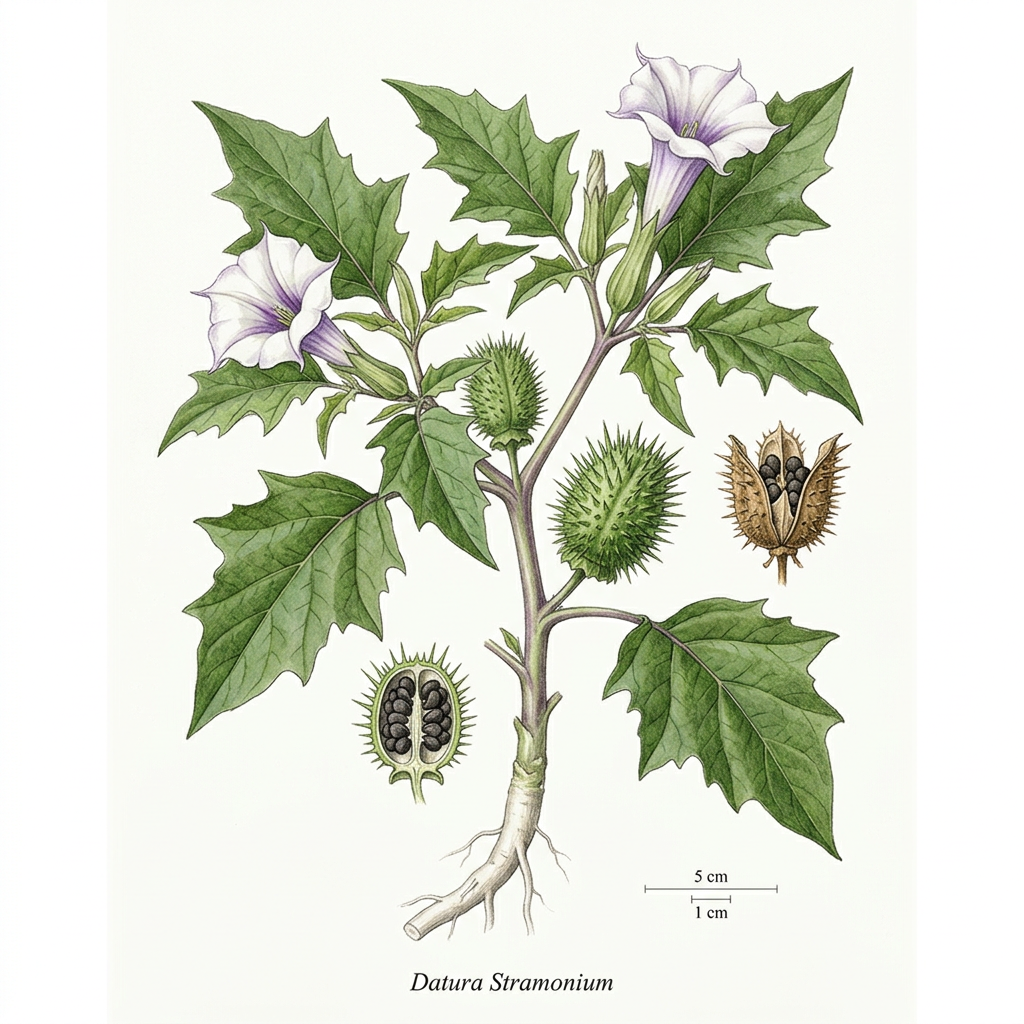
Jimson weed

Jimson weed

Datura stramonium

high risk Risk
Solanaceae
Introspection, Dream Work, Protection
<p>Datura stramonium, commonly known as Jimson weed or thorn apple, is a perennial herbaceous plant belonging to the Solanaceae family. Historically, this intriguing plant has been utilized in various traditional medicine systems, including those of Indigenous peoples in North America and ancient cultures in Europe and Asia. Its psychoactive properties have attracted interest due to their ceremonial and medicinal applications. In traditional herbal practices, Datura stramonium has been employed for its sedative and anticholinergic effects, utilized primarily in the treatment of asthma, cough, and pain relief. However, due to its safety profile, the use of this herb has become limited and warrants caution due to its potent and sometimes unpredictable effects. The therapeutic properties of Datura stramonium are rooted in its array of alkaloids, notably atropine, scopolamine, and hyoscyamine. These compounds are primarily anticholinergic, meaning they block the action of acetylcholine, a neurotransmitter involved in many bodily functions, including muscle contractions and the modulation of the central nervous system. The therapeutic benefits include the potential management of respiratory conditions by dilating airways, alleviating spasms, and reducing secretions. Additionally, its psychoactive properties may induce altered states of consciousness and enhance relaxation; however, this is coupled with significant risks of toxicity and hallucinogenic effects. Healthcare practitioners must exercise discretion in its application, as even small doses can lead to life-threatening symptoms, reinforcing Datura stramonium’s classification as contraindicated for most medicinal uses. In the body, Datura stramonium exerts its effects predominantly through its interaction with muscarinic and nicotinic acetylcholine receptors. By blocking these receptors, it can reduce bronchial secretions and muscle spasms, making it potentially beneficial for asthmatic conditions. However, this mechanism can also lead to adverse effects, including hallucinations, confusion, and, in severe cases, anticholinergic toxicity characterized by delirium and cardiovascular complications. Given its powerful pharmacological actions and associated risks, Datura stramonium exemplifies the dual-edged nature of herbal medicine: while it holds potential therapeutic benefits, it demands a thorough understanding and respect for its potent effects and the traditional wisdom surrounding its usage.</p>

Uses & Conditions

Dream Work
Introspection
Asthma
Biliary Dyskinesia
Bronchial Spasm
Bronchitis
Colic
Fistula
Gout
Insomnia
Parkinson's Disease

Actions

Anticholinergic
CNS Depressant
Hallucinogenic
Psychotropic
Seizure-inducing

Synonyms

Jimson weed

Parts Used

Whole plant

Native Countries

North America

USDA Hardiness Zones

USDA 3-11

Contraindications

  • Highly toxic
  • use only under professional supervision
  • Pregnancy
  • Epilepsy
  • Prostate hypertrophy
  • Paralytic ileus
  • Glaucoma

Potential Side Effects

  • Tachycardia and palpitations
  • Hallucinations
  • delirium
  • and impaired cognitive function
  • Mydriasis and blurred vision
  • Severe xerostomia and suppression of glandular secretions
  • Urinary retention and bowel stasis

Interactions

  • Anticholinergic drugs: May potentiate dry mouth, blurred vision, and urinary retention
  • Acetylcholinesterase inhibitors: May antagonise therapeutic effects
  • Sedatives and CNS depressants: May lead to excessive sedation or cognitive impairment
  • MAO inhibitors: Potential for synergistic effects on heart rate and autonomic nervous system
  • Antidepressants: Potential for additive effects

Dosages, tincture ratios & research — members only

Unlock Garreth's dosing guidance, tincture ratios, the dosage calculator and the research studies for Jimson weed.

Your assessment and results stay saved — upgrading only unlocks more of them.

See membership plans

Community Photos

No community photos yet. Sign in to upload photos.

Reviews & Ratings

Sign in to leave a review.

No reviews yet. Be the first!

GF

Garreth Falls — B.Th., Dip. H.M., MNIMH

Content curated and reviewed by Garreth Falls, Consultant Medical Herbalist · The Wild Sage

Medical Disclaimer: This information is for educational purposes only and is not intended as medical advice. Always consult with qualified healthcare professionals before starting any herbal treatment.
Western tradition

Sustainability & quality

Abundant

A common weed, though its extreme toxicity makes it unsuitable for general use; generally not wild-crafted for medicinal preparation due to safety concerns.

Key constituents

Atropine, Hydrogen cyanide, Scopalomine, Tropane alkaloids, Withanolides, Coumarin, Tannin

References

  1. Mills & Bone "The Essential Guide to Herbal Safety" 2005
  2. British Herbal Pharmacopoeia 1983
  3. Herbal Reality. Herb monographs. herbalreality.com

Reviewed by Garreth, Medical Herbalist (MNIMH) · November 2026

Related conditions

Explore conditions where Jimson weed is traditionally used.

Related Herbs
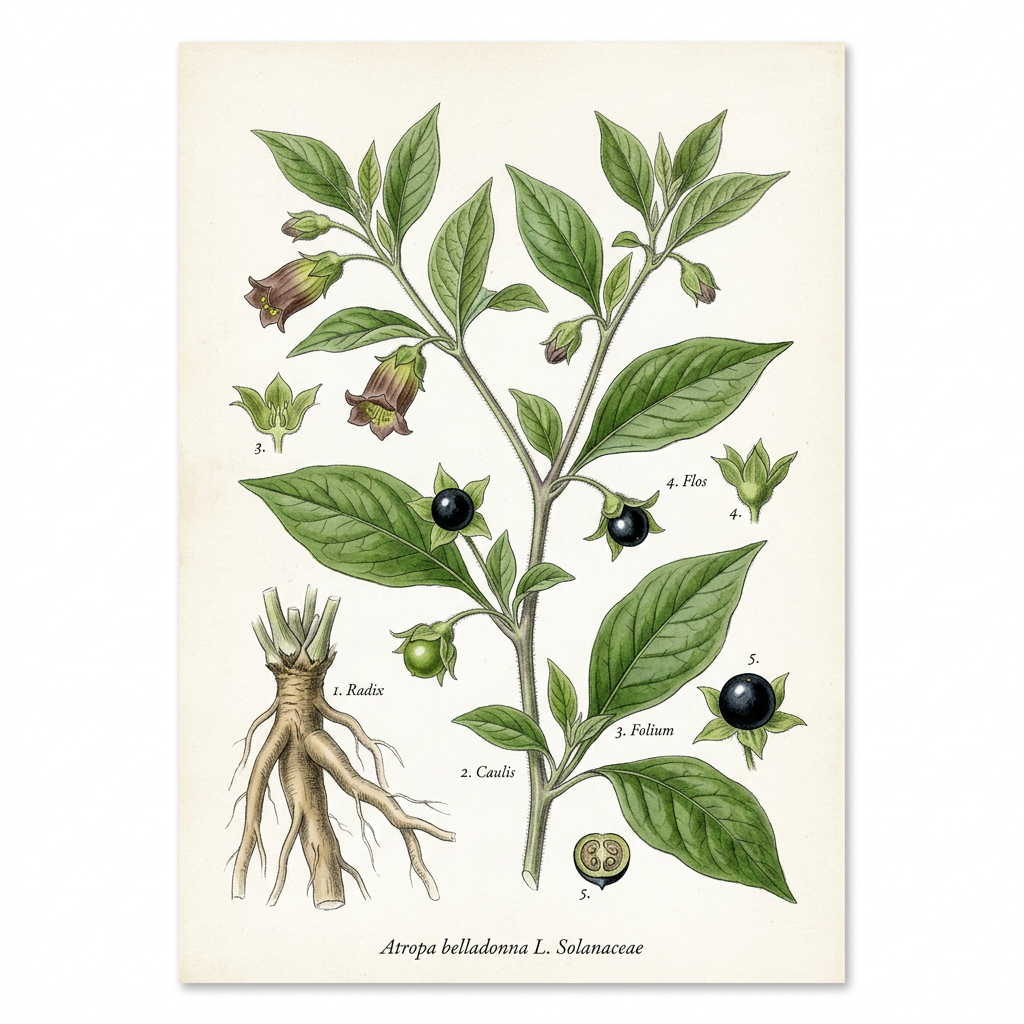
Deadly Nightshade

Deadly Nightshade

Atropa belladonna

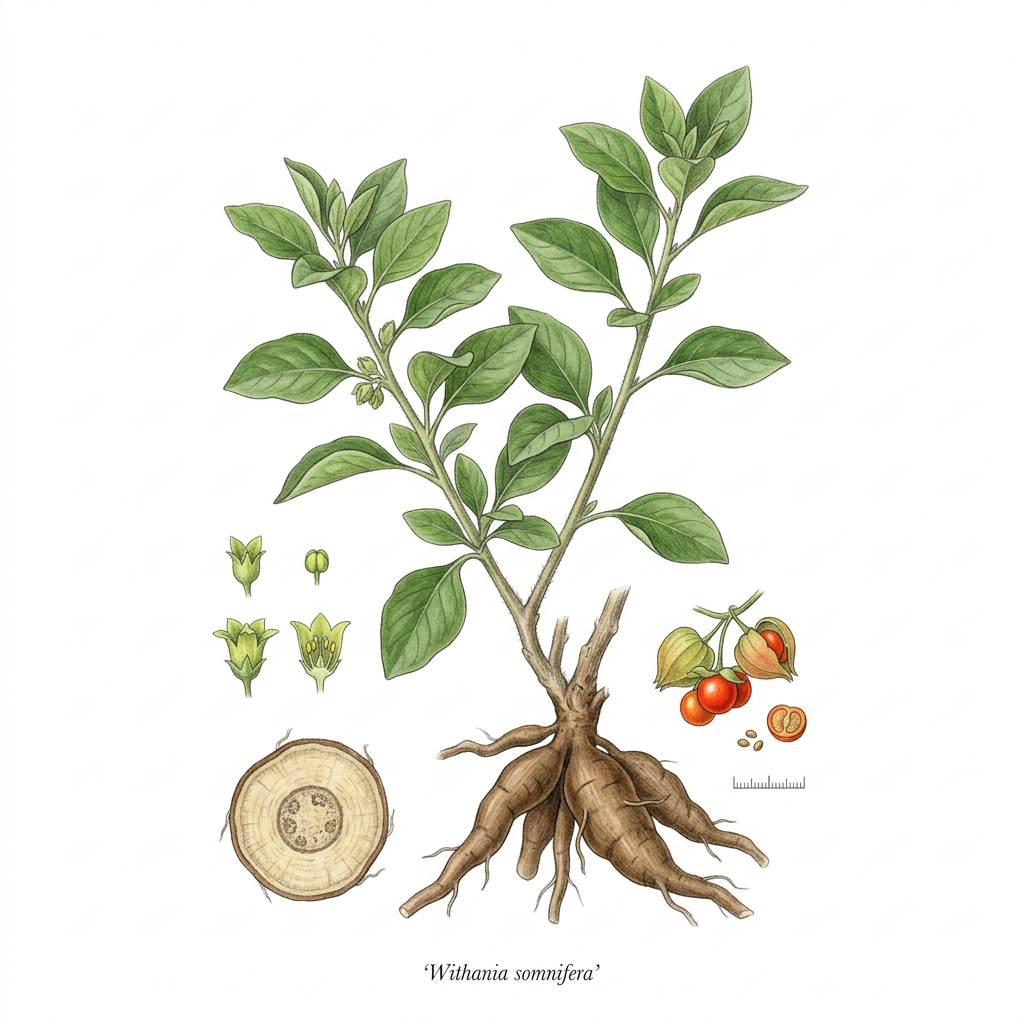
Ashwagandha

Ashwagandha

Withania somnifera

Immune Support
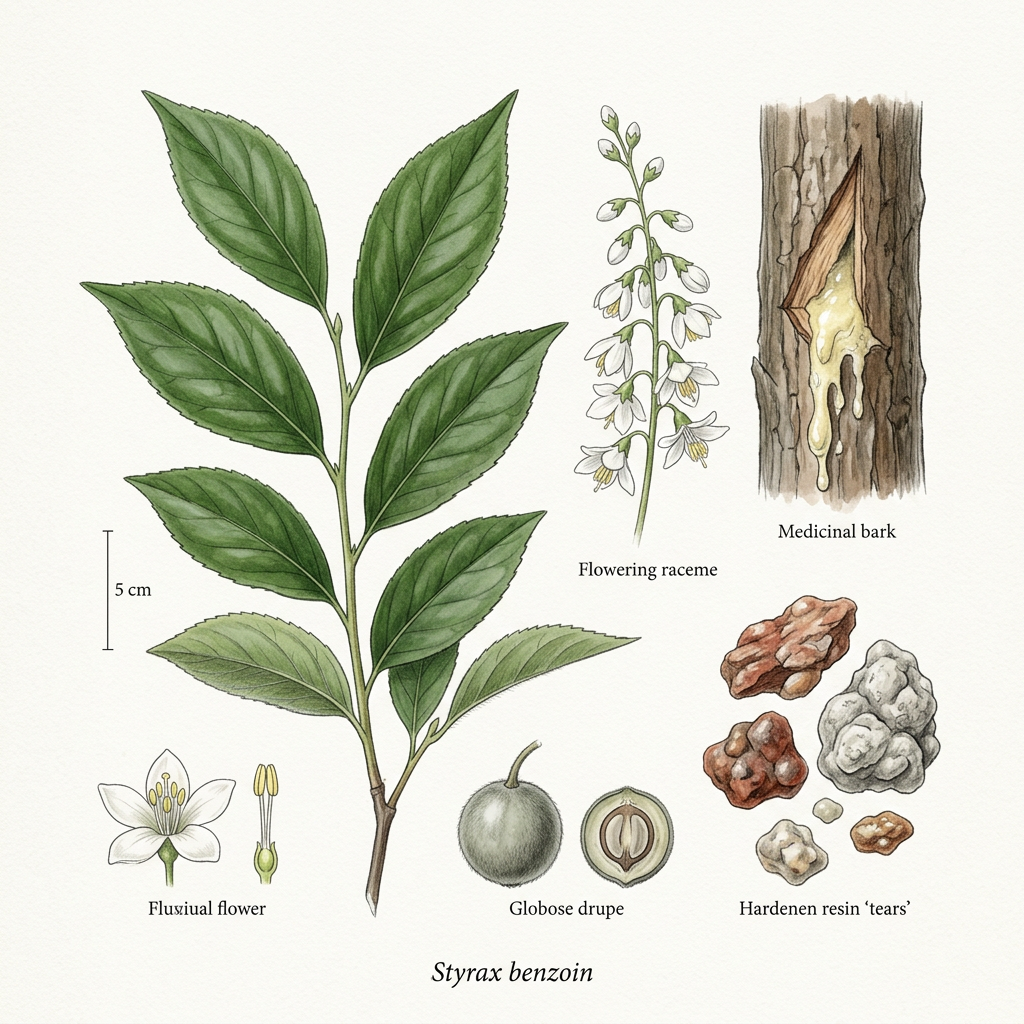
Benzoin

Benzoin

Styrax benzoin

Emotional distress
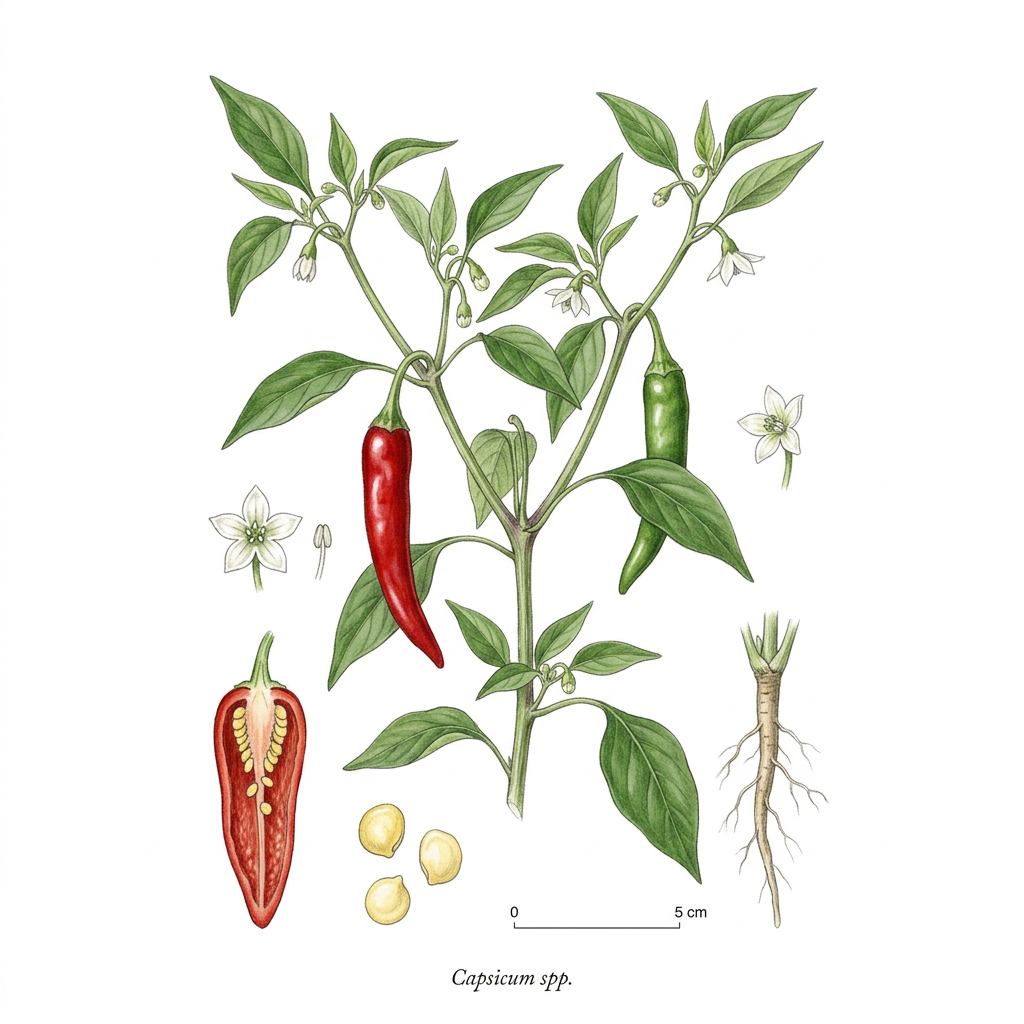
Cayenne

Cayenne

Capsicum spp.

Circulatory Stimulation