The Wild Sage logo
The Wild Sage Logo

Herbal Medicine at your fingertips

Comprehensive database of herbal remedies with detailed safety information and traditional uses

New to herbal terms? Read the glossary →
ADHD
Abcess
Acid Reflux Relief
Acinetobacter
Acne
Acne Vulgaris
Addisons
Adenomyosis
Adenovirus
Adrenal fatigue
Aging
Aids
Alcaligenes faecalis
Alcoholism
Allergic Rhinitis
Allergies
Allergy
Alopoecia
Alopoecia nervosa
Alzheimer's, Dementia & Cognitive Decline
420 herbs found
Important: This information is for educational purposes only. Always consult with qualified healthcare professionals before using herbal remedies, especially if you have existing health conditions or take medications.
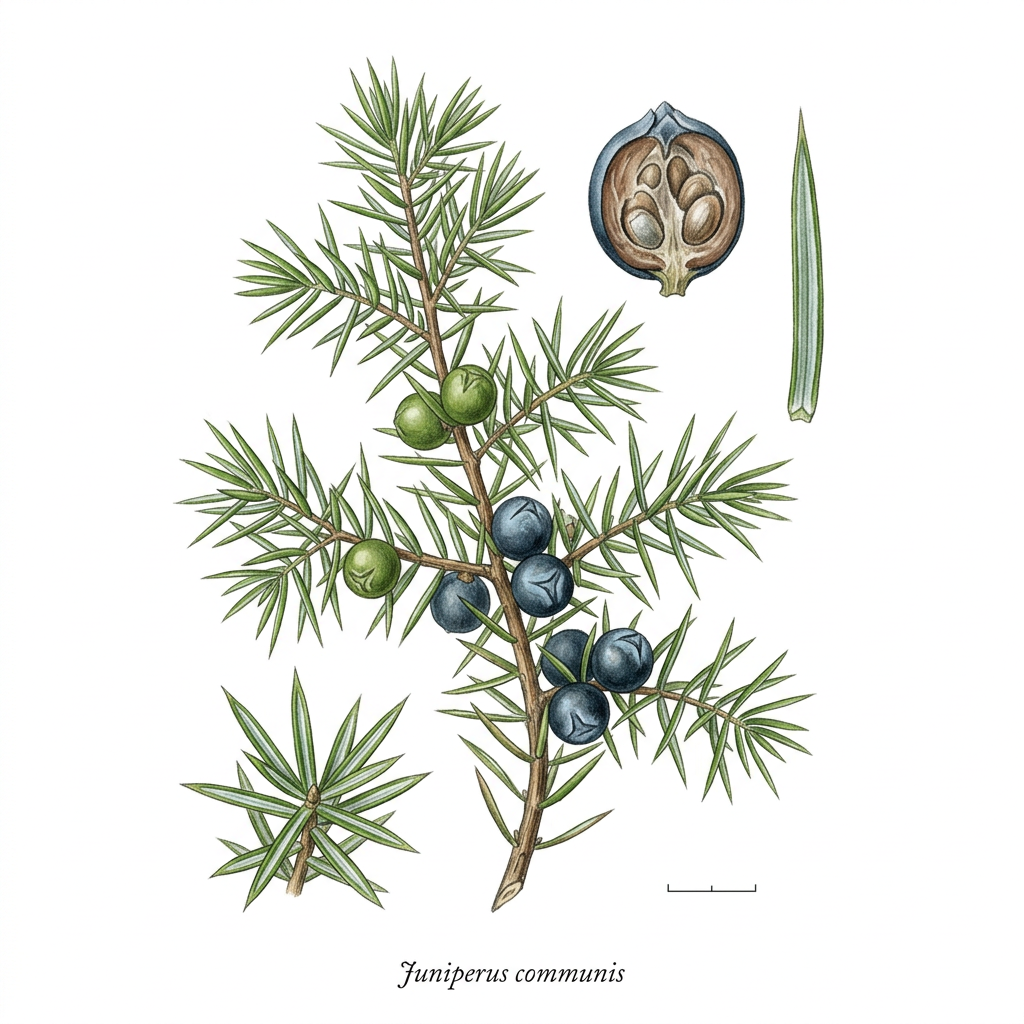
Juniper

Juniper

Juniperus communis

low risk Risk
Cupressaceae
cooling, moist, bitter, astringent
<p>**Herb Name:** Juniper **Scientific Name:** Juniperus communis Juniper, or Juniperus communis, is a coniferous shrub belonging to the Cupressaceae family, renowned for its aromatic berries and needle-like foliage. Historically, juniper has held a revered position in various cultures across the globe. Indigenous peoples have used it for centuries, employing its berries in ceremonial rites and as a protective charm against malevolent spirits. In traditional herbal medicine, juniper has found a place as a significant remedy for numerous ailments, particularly in the realms of urinary health and digestive wellness. Its berries, rich in essential oils and bioactive compounds, have contributed to its longstanding reputation as a potent healing agent. The primary therapeutic properties of juniper are its diuretic and antimicrobial effects. As a natural diuretic, juniper promotes the elimination of excess fluids from the body, making it an effective treatment for urinary tract infections (UTIs) and supporting overall kidney function. The herb aids in flushing out toxins and harmful bacteria, thereby reducing inflammation and discomfort associated with UTIs. Furthermore, juniper’s antimicrobial properties extend beyond the urinary system; its essential oils exhibit a broad-spectrum antibacterial effect that can combat various pathogens. This dual action emphasizes juniper's role in not only alleviating symptoms but also addressing the root causes of urinary tract imbalances. Juniper's mechanism of action involves both its diuretic and antimicrobial components. The active compounds — including terpenes such as α-pinene and myrcene — stimulate the urinary system, enhancing renal blood flow and increasing urine output. This diuresis helps dilute urine, reducing the concentration of bacteria while washing them out of the urinary tract. Concurrently, juniper's constituents work at a cellular level to inhibit the growth of harmful microorganisms, helping to restore balance and health to the urinary system. Additionally, the rich phytochemical profile of juniper berries contributes to overall health, offering protective benefits against oxidative stress and inflammation. Whether used in tinctures, teas, or essential oils, juniper continues to be a valuable ally for those seeking natural remedies for urinary health and beyond.</p>

Uses & Conditions

Urinary Tract Health
Blood Sugar Control
Oxidative Stress Protection
Urinary Tract Infections
Kidney Stones
Hypertension
Diabetes
Cystitis
Dysuria
Gout
Nephritis
Bright's Disease
Arthritis
Respiratory Catarrh
Digestive Disorders
Oedema
H. pylori
Enterococcus
Clostridium difficile
E. coli
Cryptococcus neoformans
Clostridium perfringens
Enterobacter aerogenes
Candida
Brevundiomonas
Brucella
Aspergillus
Acinetobacter
Bacillus

Actions

Antimicrobial
Diuretic
Anti-inflammatory

Synonyms

Juniper

Parts Used

Berries
Fruit
Whole plant

Native Countries

Europe

USDA Hardiness Zones

USDA 3-9

Contraindications

  • Pregnancy
  • Impaired kidney function (associated with essential oil use)
  • Nephritis

Dosages, tincture ratios & research — members only

Unlock Garreth's dosing guidance, tincture ratios, the dosage calculator and the research studies for Juniper.

Your assessment and results stay saved — upgrading only unlocks more of them.

See membership plans

Community Photos

No community photos yet. Sign in to upload photos.

Reviews & Ratings

Sign in to leave a review.

No reviews yet. Be the first!

GF

Garreth Falls — B.Th., Dip. H.M., MNIMH

Content curated and reviewed by Garreth Falls, Consultant Medical Herbalist · The Wild Sage

Medical Disclaimer: This information is for educational purposes only and is not intended as medical advice. Always consult with qualified healthcare professionals before starting any herbal treatment.
Western tradition

Sustainability & quality

Abundant

Widely distributed but ensure sourcing is free from environmental pollutants. Prefer certified organic supplies to ensure correct species identification and purity.

Key constituents

Antimicrobial, alpha pinene, Camphene, Calendula compounds, Cedrene, Sugar, Terpenes, Vitamins, Volatile Oils, Sesquiterpine lactones, Tannin, Terpense, Pinene, Phellandrene, terpinols, Thujene, Catechin, Epicatchin, Gallocatechin, Epigallocatechin, Quercitrin

References

  1. ESCOP Monographs 2nd ed. 2003
  2. British Herbal Pharmacopoeia 1983

Reviewed by Garreth, Medical Herbalist (MNIMH) · November 2026

Related conditions

Explore conditions where Juniper is traditionally used.

Related Herbs
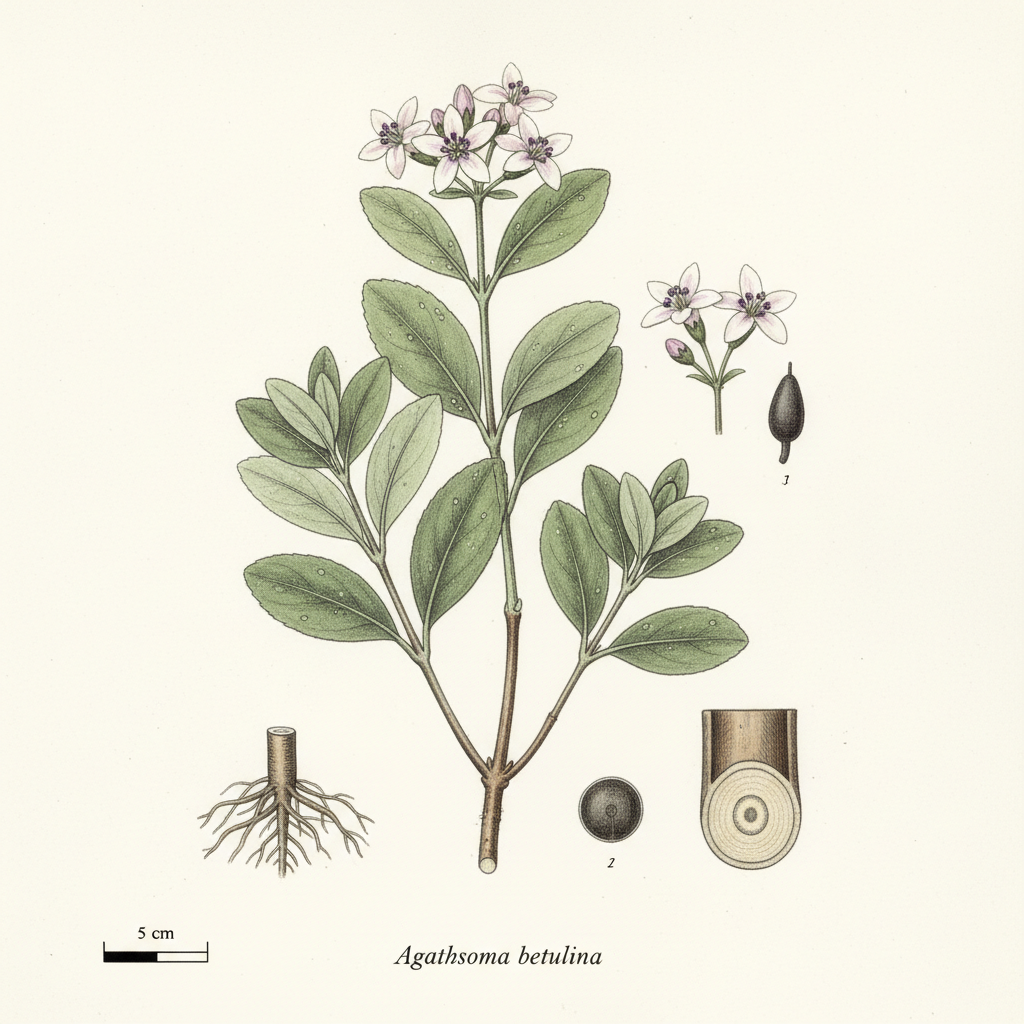
Buchu

Buchu

Agathosma betulina

Urinary Health Support
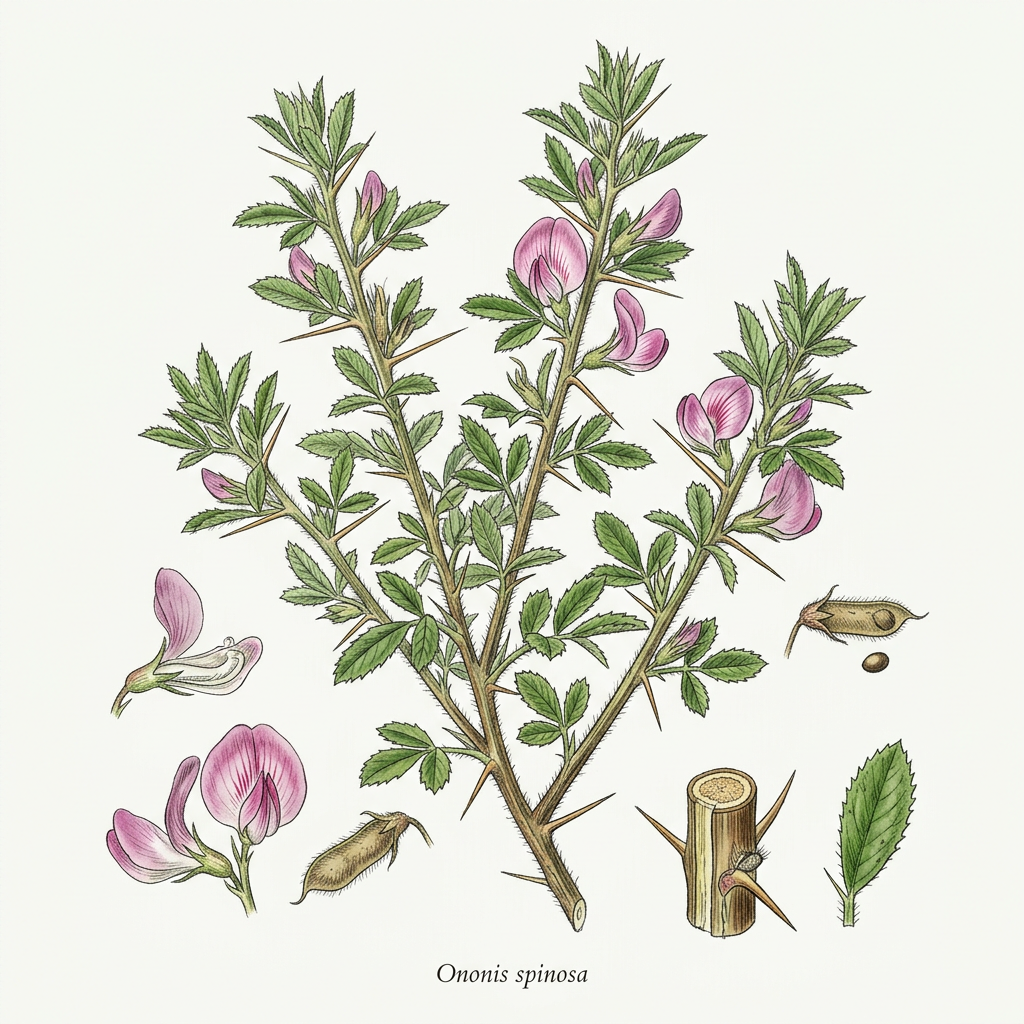
Spiny restharrow

Spiny restharrow

Ononis spinosa

Urinary Tract Health
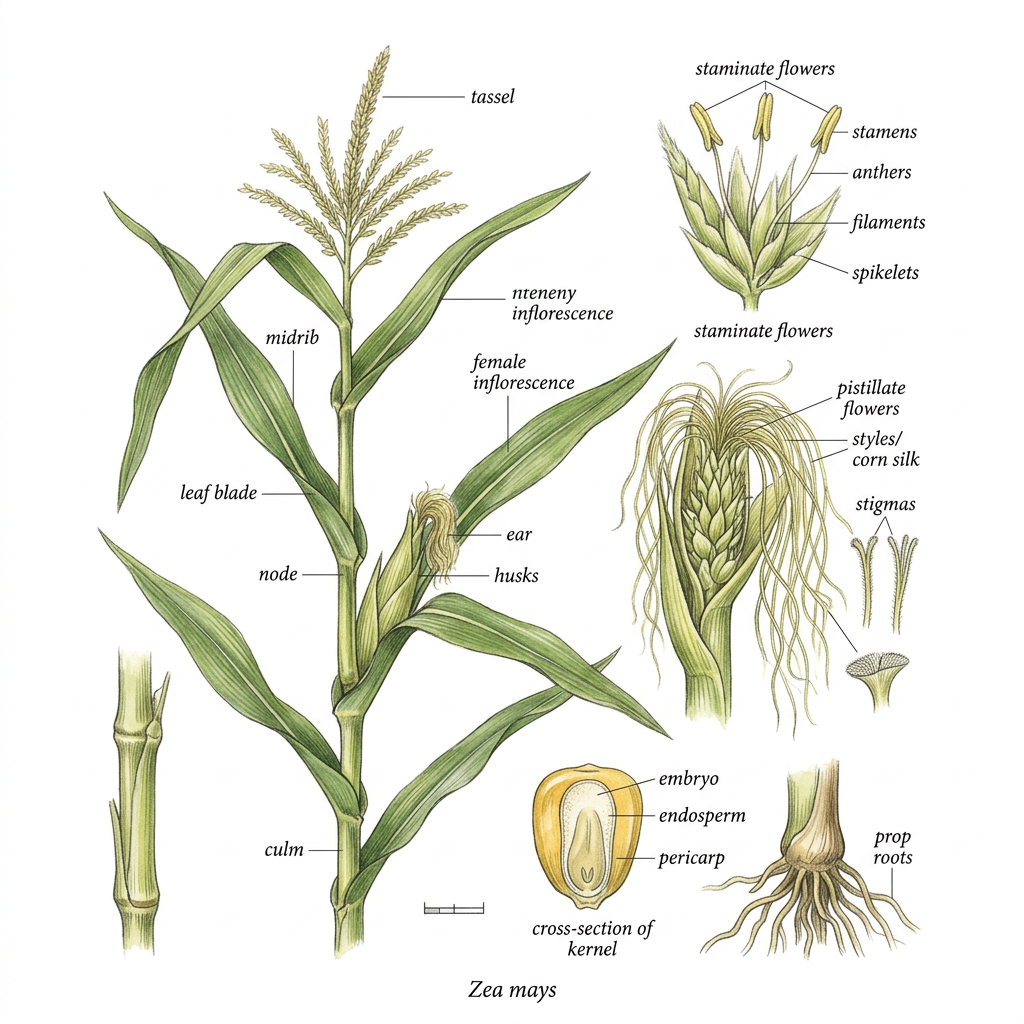
Corn Silk

Corn Silk

Zea mays

Fluid balance
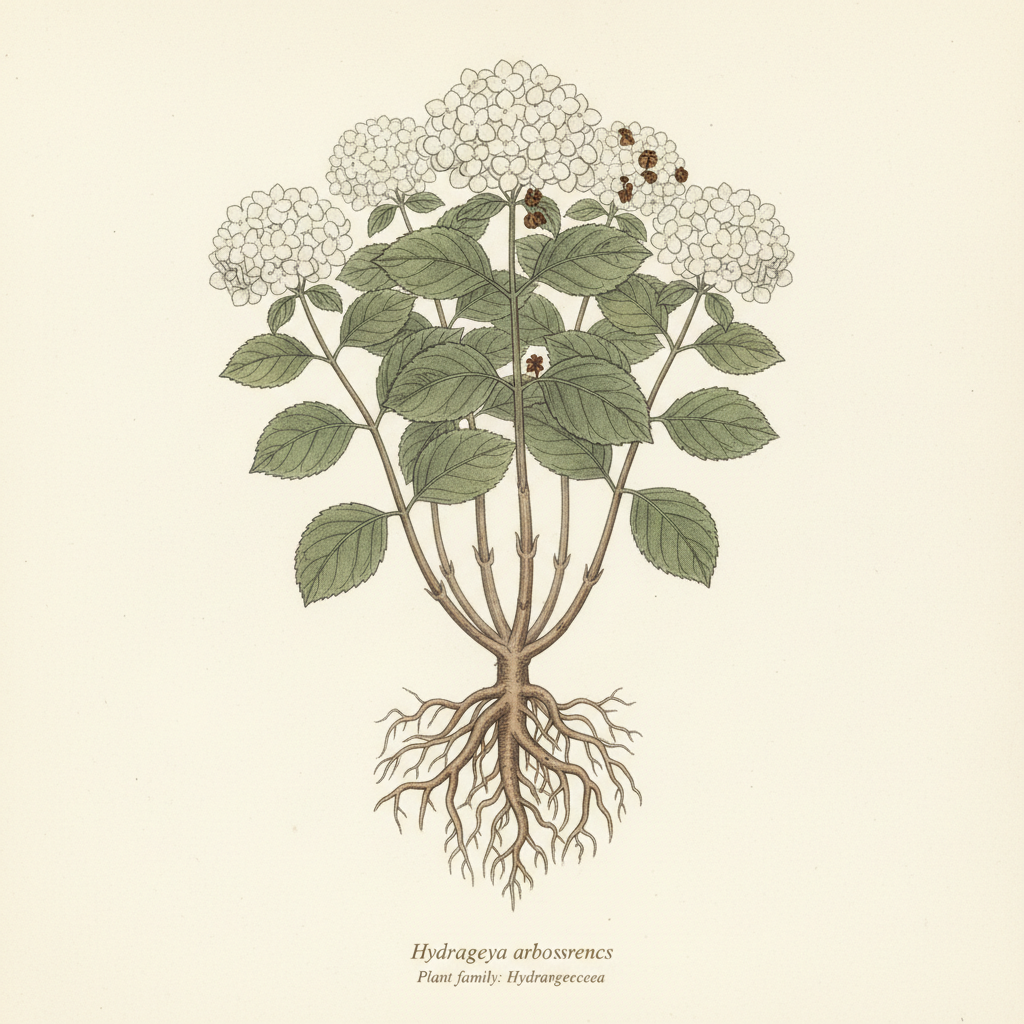
Hydrangea

Hydrangea

Hydrangea arborescens

Adrenal Tonic