The Wild Sage logo
The Wild Sage Logo

Herbal Medicine at your fingertips

Comprehensive database of herbal remedies with detailed safety information and traditional uses

New to herbal terms? Read the glossary →
ADHD
Abcess
Acid Reflux Relief
Acinetobacter
Acne
Acne Vulgaris
Addisons
Adenomyosis
Adenovirus
Adrenal fatigue
Aging
Aids
Alcaligenes faecalis
Alcoholism
Allergic Rhinitis
Allergies
Allergy
Alopoecia
Alopoecia nervosa
Alzheimer's, Dementia & Cognitive Decline
420 herbs found
Important: This information is for educational purposes only. Always consult with qualified healthcare professionals before using herbal remedies, especially if you have existing health conditions or take medications.
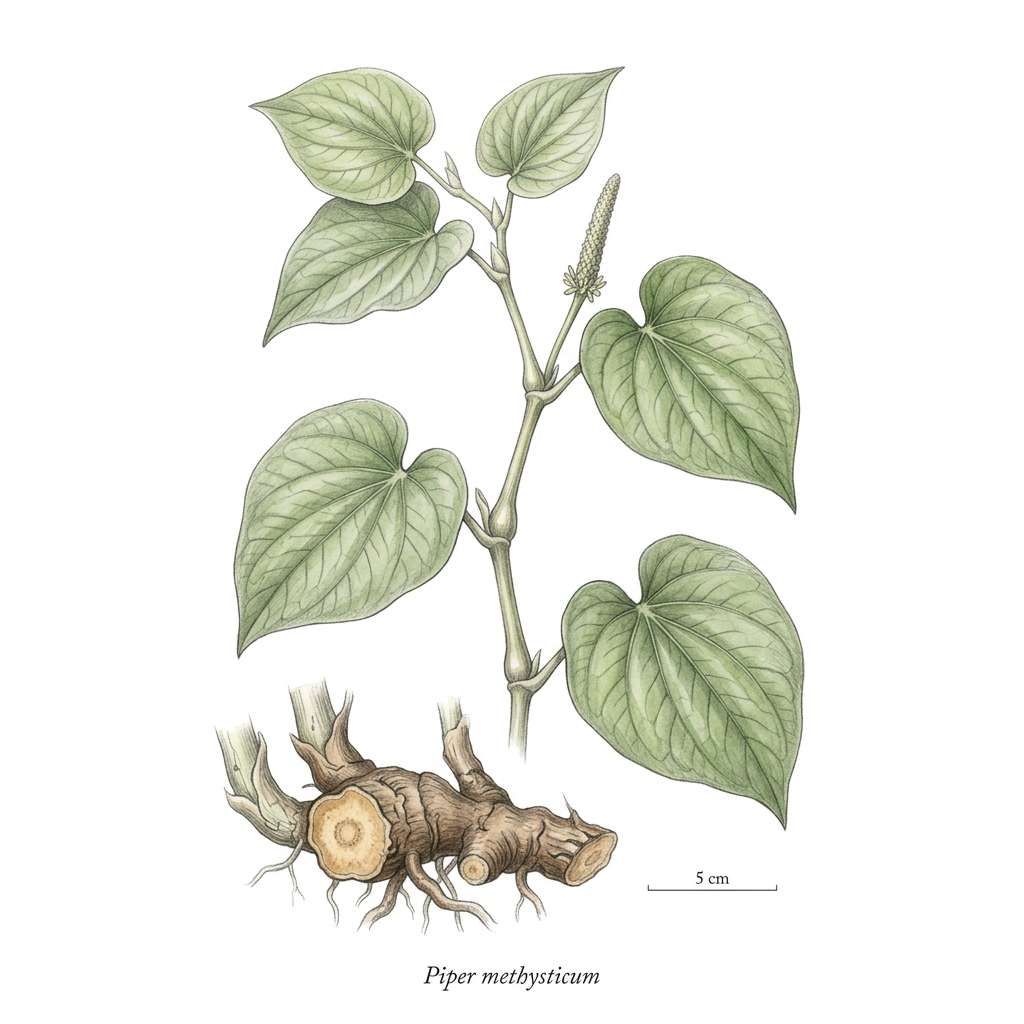
Kava Kava

Kava Kava

Piper methysticum

moderate risk Risk
Piperaceae
<p>Kava Kava, scientifically known as *Piper methysticum*, is a traditional herbal beverage made from the root of a plant native to the islands of the South Pacific, particularly Vanuatu, Fiji, and Tonga. Revered for centuries among Pacific Island cultures, kava has deep historical roots as a ceremonial drink used during social and religious gatherings to promote tranquility, enhance sociability, and facilitate communication. The preparation of kava involves grinding or mashing the root to release its active compounds, which are then mixed with water to create a mildly intoxicating, relaxing beverage. This practice underscores not only its cultural significance but also the ceremonial role it plays in fostering community ties and enhancing social cohesion. The therapeutic properties of kava Kava are primarily attributed to its active constituents, known as kavalactones, which possess anti-anxiety and relaxant effects. Research indicates that kava Kava may be effective in reducing symptoms of anxiety, providing a natural alternative to pharmacological anxiolytics without the associated side effects of sedation that often accompany prescription medications. Users report a sense of calmness, emotional stability, and improved mood without a loss of mental clarity, making it particularly beneficial for those seeking stress relief, especially in high-pressure environments. Additionally, kava has been explored for its potential to improve sleep quality, mitigate feelings of nervous tension, and enhance overall well-being. At the physiological level, kava Kava interacts with GABA (gamma-aminobutyric acid) receptors in the brain, facilitating an overall calming effect on the nervous system. By modulating neurotransmitter activity, kava Kava enhances the natural processes that regulate anxiety and stress responses, promoting relaxation without impairing cognitive function. This unique mechanism of action, alongside its synergistic effects with other neurotransmitters, lends kava Kava its status as a prominent herbal ally for mindfulness and emotional equilibrium. Whether incorporated into traditional rituals or contemporary wellness practices, kava Kava continues to be a valuable botanical resource, revered for its ability to foster serenity and connectedness in our increasingly busy lives.</p>

Uses & Conditions

Stress Relief
Relaxation
Emotional Stability
Improved Mood
Sleep Quality
Calmness
Social Cohesion
Mindfulness
Cognitive Function Support
Enhanced Well-being
Ceremonial Use
Sociability Enhancement
High-pressure Environment Support
Cultural Significance
Community Ties
Bladder Cancer
Renal Pain
Suicidal Ideation
Pain
Low Mood
Premature Ejaculation
Interstitial Cystitis
Gout
Insomnia
Epilepsy
Anxiety

Actions

Anxiolytic
Relaxant

Parts Used

Rhizome
Root

USDA Hardiness Zones

10
11
12

Contraindications

  • Pregnancy and breastfeeding
  • Pre-existing liver disease or elevated liver enzymes
  • Individuals with a history of endogenous depression
  • Planned surgery

Potential Side Effects

  • Kava dermopathy
  • Gastrointestinal upset
  • Mild drowsiness or dizziness
  • Hepatotoxicity

Interactions

  • Alcohol: increases risk of hepatotoxicity and excessive sedation
  • Central nervous system depressants: potential additive effect
  • Benzodiazepines and sedative-hypnotics: requires clinical monitoring
  • Levodopa: may antagonise therapeutic effect
  • Hepatotoxic medications: avoid concomitant use

Dosages, tincture ratios & research — members only

Unlock Garreth's dosing guidance, tincture ratios, the dosage calculator and the research studies for Kava Kava.

Your assessment and results stay saved — upgrading only unlocks more of them.

See membership plans

Community Photos

No community photos yet. Sign in to upload photos.

Reviews & Ratings

Sign in to leave a review.

No reviews yet. Be the first!

GF

Garreth Falls — B.Th., Dip. H.M., MNIMH

Content curated and reviewed by Garreth Falls, Consultant Medical Herbalist · The Wild Sage

Medical Disclaimer: This information is for educational purposes only and is not intended as medical advice. Always consult with qualified healthcare professionals before starting any herbal treatment.
Western tradition

Sustainability & quality

At risk

Plants are often overharvested; prefer cultivated sources and verify the cultivar and region of growth.

Key constituents

Kavain, Dihydrokavain, Methysticin, Dihydromethysticin, Yangonin, Desmethoxyyangonin, Kavalactones

References

  1. Bone & Mills "Principles and Practice of Phytotherapy" 2nd ed. 2013
  2. ESCOP Monographs 2nd ed. 2003
  3. Mills & Bone "The Essential Guide to Herbal Safety" 2005
  4. Herbal Reality. Herb monographs. herbalreality.com

Reviewed by Garreth, Medical Herbalist (MNIMH) · November 2026

Related conditions

Explore conditions where Kava Kava is traditionally used.

Related Herbs
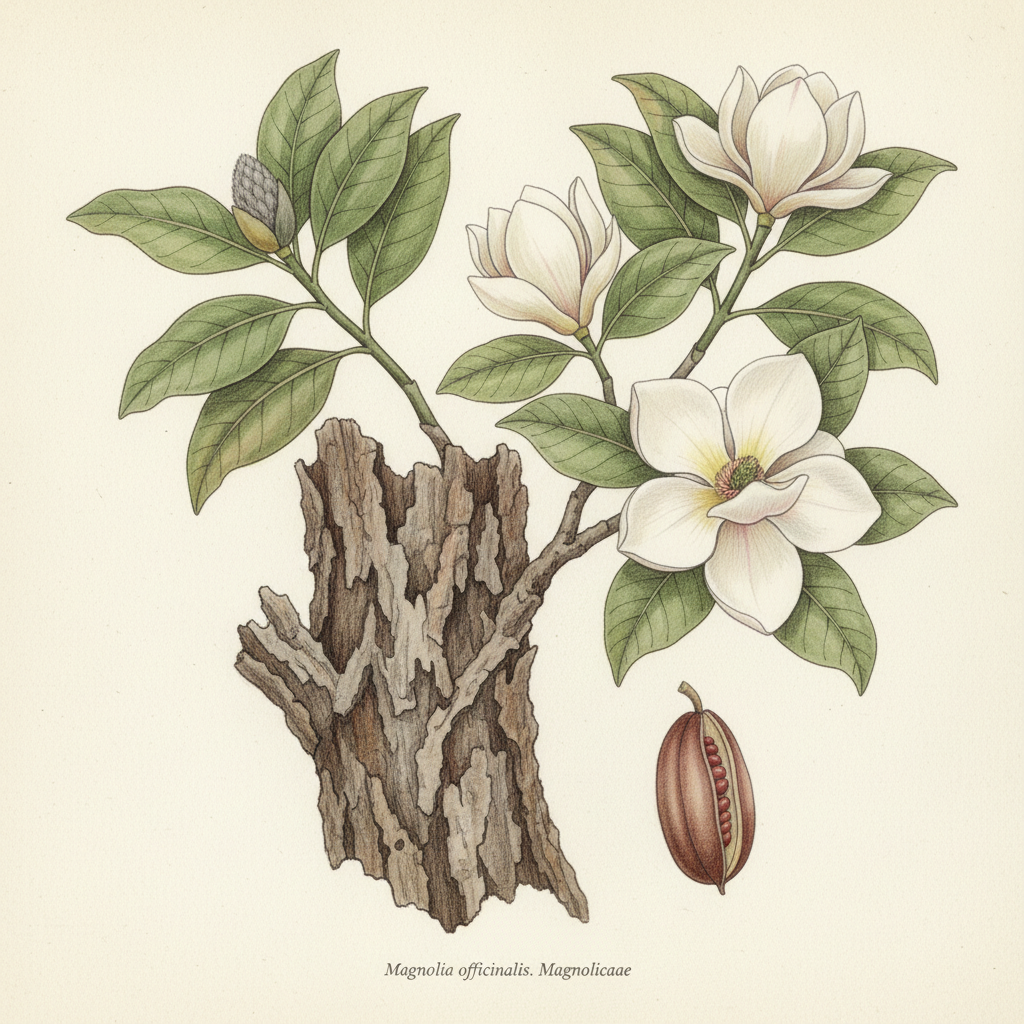
Magnolia

Magnolia

Magnolia officinalis

Stress Relief
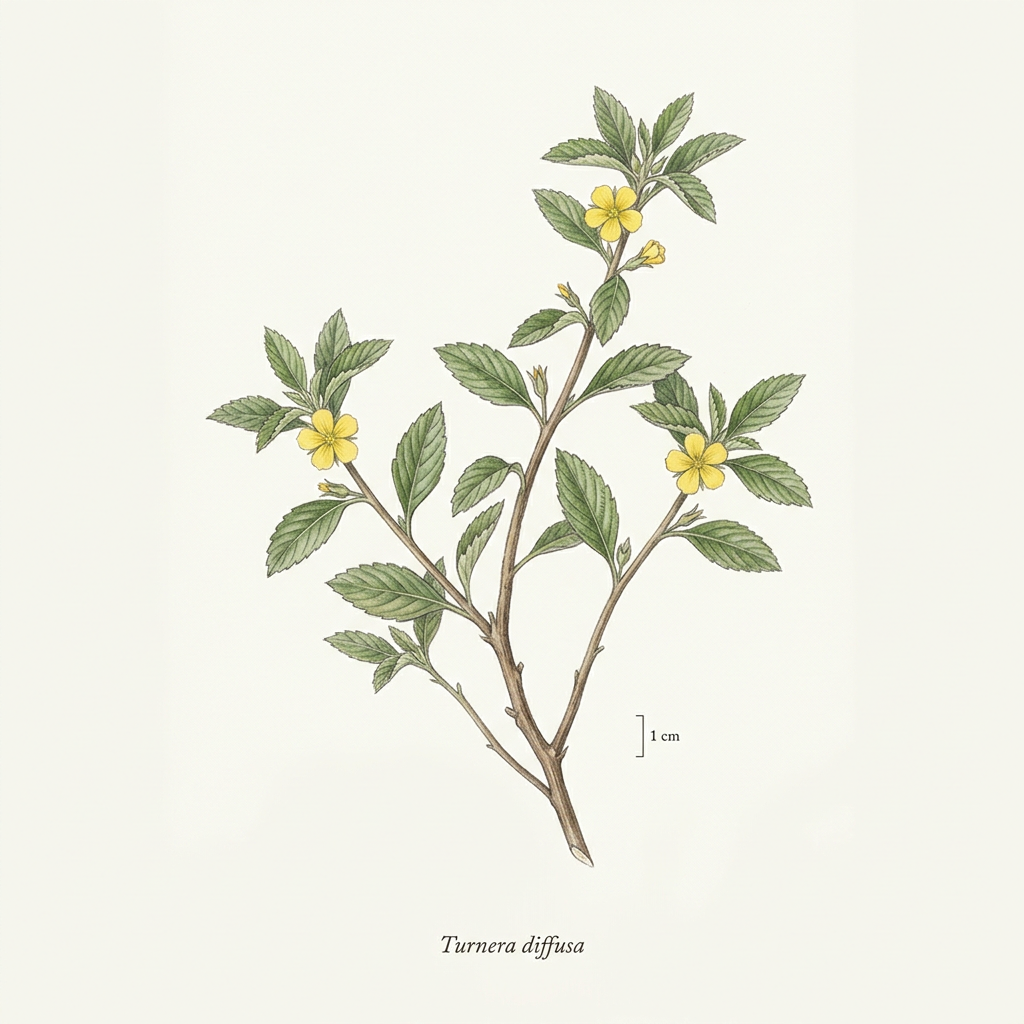
Damiana

Damiana

Turnera diffusa

Aphrodisiac Effect
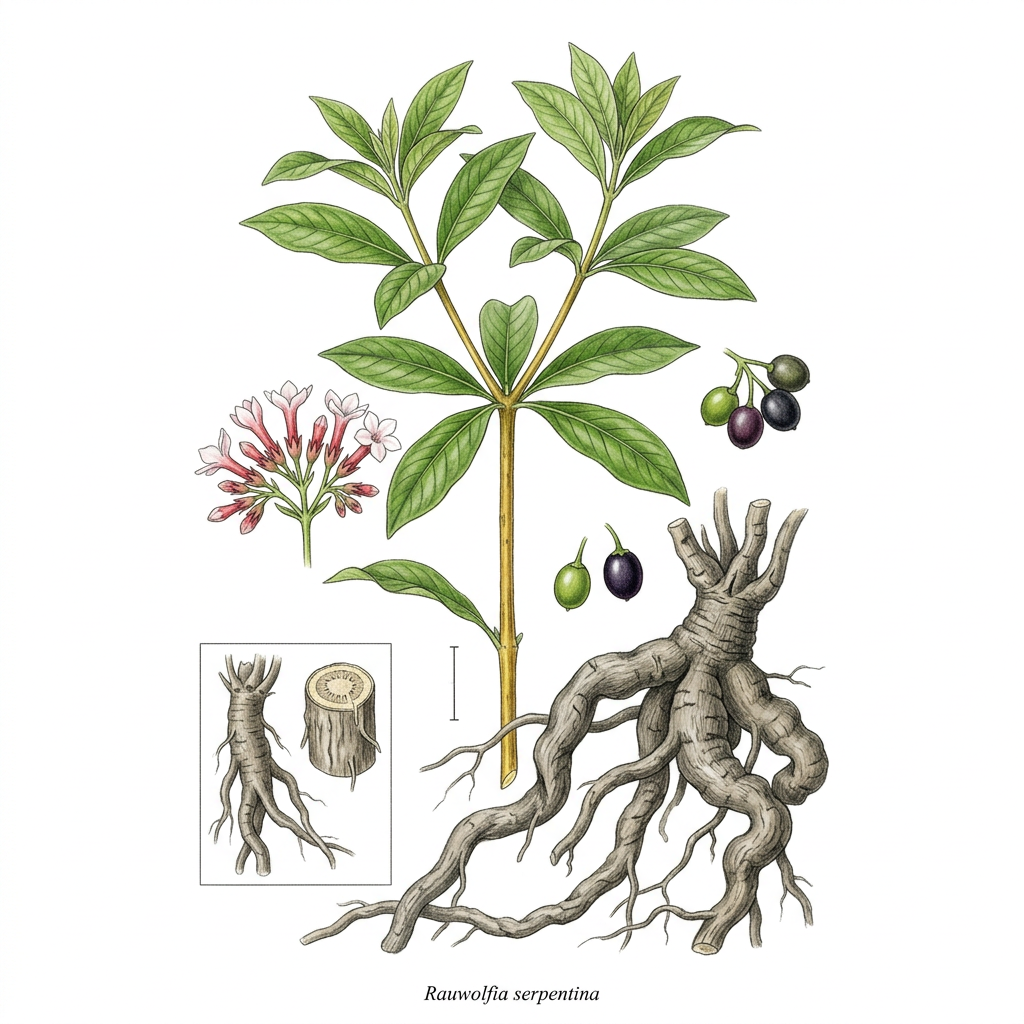
Indian Snakeroot

Indian Snakeroot

Rauwolfia serpentina
Mental clarity
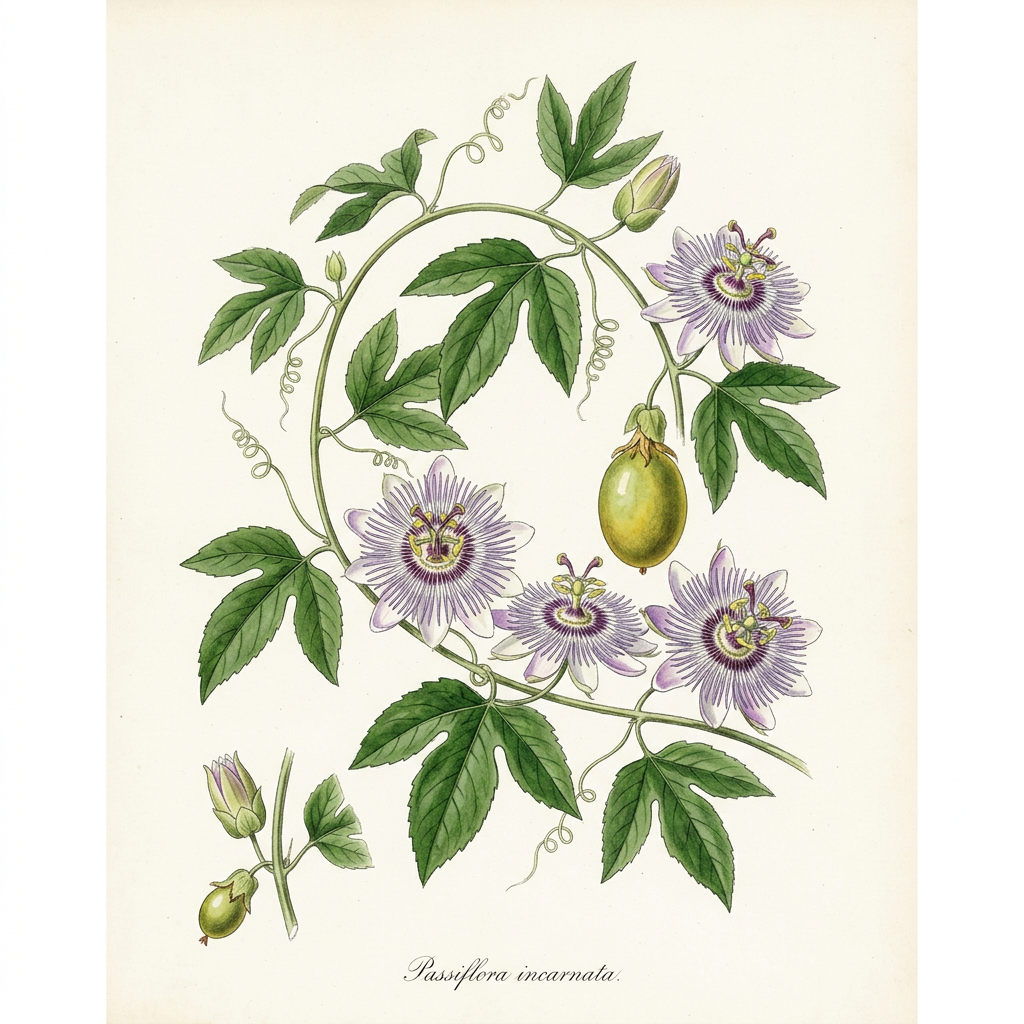
Passionflower

Passionflower

Passiflora incarnata

Calming Effects