The Wild Sage logo
The Wild Sage Logo

Herbal Medicine at your fingertips

Comprehensive database of herbal remedies with detailed safety information and traditional uses

New to herbal terms? Read the glossary →
ADHD
Abcess
Acid Reflux Relief
Acinetobacter
Acne
Acne Vulgaris
Addisons
Adenomyosis
Adenovirus
Adrenal fatigue
Aging
Aids
Alcaligenes faecalis
Alcoholism
Allergic Rhinitis
Allergies
Allergy
Alopoecia
Alopoecia nervosa
Alzheimer's, Dementia & Cognitive Decline
420 herbs found
Important: This information is for educational purposes only. Always consult with qualified healthcare professionals before using herbal remedies, especially if you have existing health conditions or take medications.
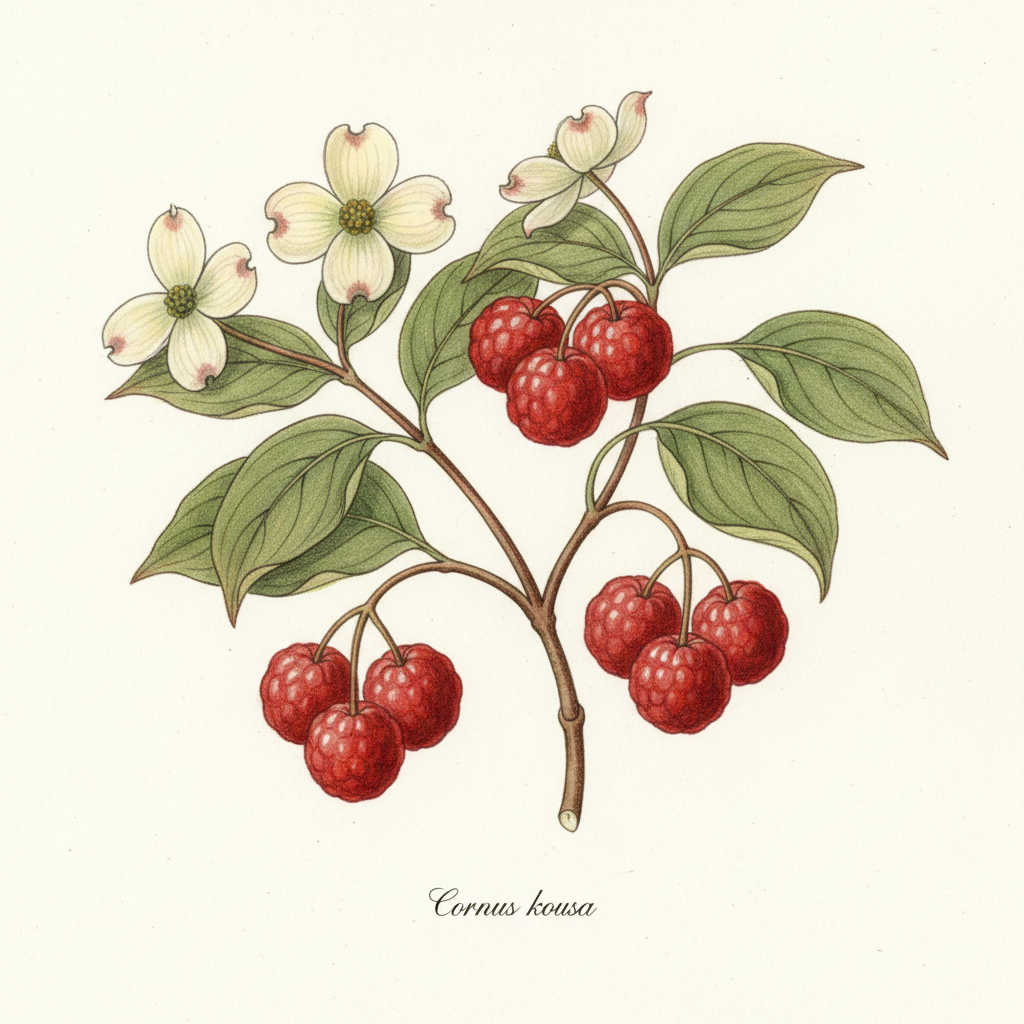
Kousa dogwood

Kousa dogwood

Cornus kousa

low risk Risk
Cornaceae
cool, moist, astringent
<p>Cornus kousa, commonly known as the Kousa dogwood, is a deciduous tree native to East Asia, particularly found in regions of China, Korea, and Japan. Historically, this remarkable specimen has not only been admired for its stunning floral displays and aesthetic appeal in gardens and landscapes but also revered in traditional herbal medicine. In various cultures, the fruit, leaves, and bark of Cornus kousa have been utilized for their health-promoting properties. In Chinese herbal practice, for instance, the dried fruit is traditionally employed to tonify the kidneys and enhance vitality, highlighting its long-standing role in promoting wellness. The therapeutic benefits of Cornus kousa are multifaceted, with a primary focus on its role as a reproductive tonic. This herb has been recognized for its ability to support sperm mobility and overall male reproductive health, making it an important component in traditional remedies aimed at enhancing fertility. Additionally, Cornus kousa acts as a urinary stimulant, promoting healthy urinary flow and function. Its rich composition includes a variety of bioactive compounds, including flavonoids and polysaccharides, which contribute to its antioxidant and anti-inflammatory properties. This not only helps in urinary tract health but also supports overall systemic health through the enhancement of blood circulation and detoxification processes. Mechanistically, Cornus kousa's actions involve the modulation of various physiological pathways. The herb’s ability to function as a urinary stimulant can be attributed to its diuretic effects, which promote renal function and urinary output. Simultaneously, its role as a reproductive tonic is linked to the enhancement of blood flow to reproductive organs, thereby improving sperm quality and vitality. By supporting the body's natural detoxification mechanisms and maintaining homeostasis, Cornus kousa exemplifies a holistic approach to health that resonates well with both historical practices and modern herbalism. Its integration into contemporary herbal applications underscores its importance as a versatile and beneficial botanical, worthy of further exploration and appreciation in the realm of natural medicine.</p>

Uses & Conditions

Reproductive tonic
Kidney tonification
Detoxification
Male infertility
Low libido
Tinnitus
Polyuria
Erectile dysfunction
Male pattern baldness
Arthritis
Vertigo

Actions

Urinary stimulant
Aphrodisiac
Anti-diabetic
Circulatory stimulant

Parts Used

Fruit

Native Countries

China & Asia

USDA Hardiness Zones

USDA 5-8

Contraindications

  • Pregnancy and breastfeeding due to lack of clinical safety data
  • Active kidney stones or renal failure
  • Scheduled surgery within two weeks
  • Allergies to plants in the Cornaceae family

Potential Side Effects

  • Mild gastrointestinal discomfort such as nausea or abdominal bloating
  • Increased frequency of urination
  • Allergic skin reactions in sensitive individuals

Interactions

  • Diuretic medications may lead to additive effects, electrolyte imbalances, or dehydration
  • Antihypertensive drugs may result in potentiated blood pressure-lowering effects
  • Blood glucose-lowering medication may result in increased hypoglycaemic effects

Dosages, tincture ratios & research — members only

Unlock Garreth's dosing guidance, tincture ratios, the dosage calculator and the research studies for Kousa dogwood.

Your assessment and results stay saved — upgrading only unlocks more of them.

See membership plans

Community Photos

No community photos yet. Sign in to upload photos.

Reviews & Ratings

Sign in to leave a review.

No reviews yet. Be the first!

GF

Garreth Falls — B.Th., Dip. H.M., MNIMH

Content curated and reviewed by Garreth Falls, Consultant Medical Herbalist · The Wild Sage

Medical Disclaimer: This information is for educational purposes only and is not intended as medical advice. Always consult with qualified healthcare professionals before starting any herbal treatment.
Western tradition

Sustainability & quality

Abundant

Commonly grown as an ornamental tree in the UK; ensure sources are free from horticultural chemical contaminants.

References

  1. Herbal Reality. Herb monographs. herbalreality.com

Reviewed by Garreth, Medical Herbalist (MNIMH) · November 2026

Related conditions

Explore conditions where Kousa dogwood is traditionally used.

Related Herbs
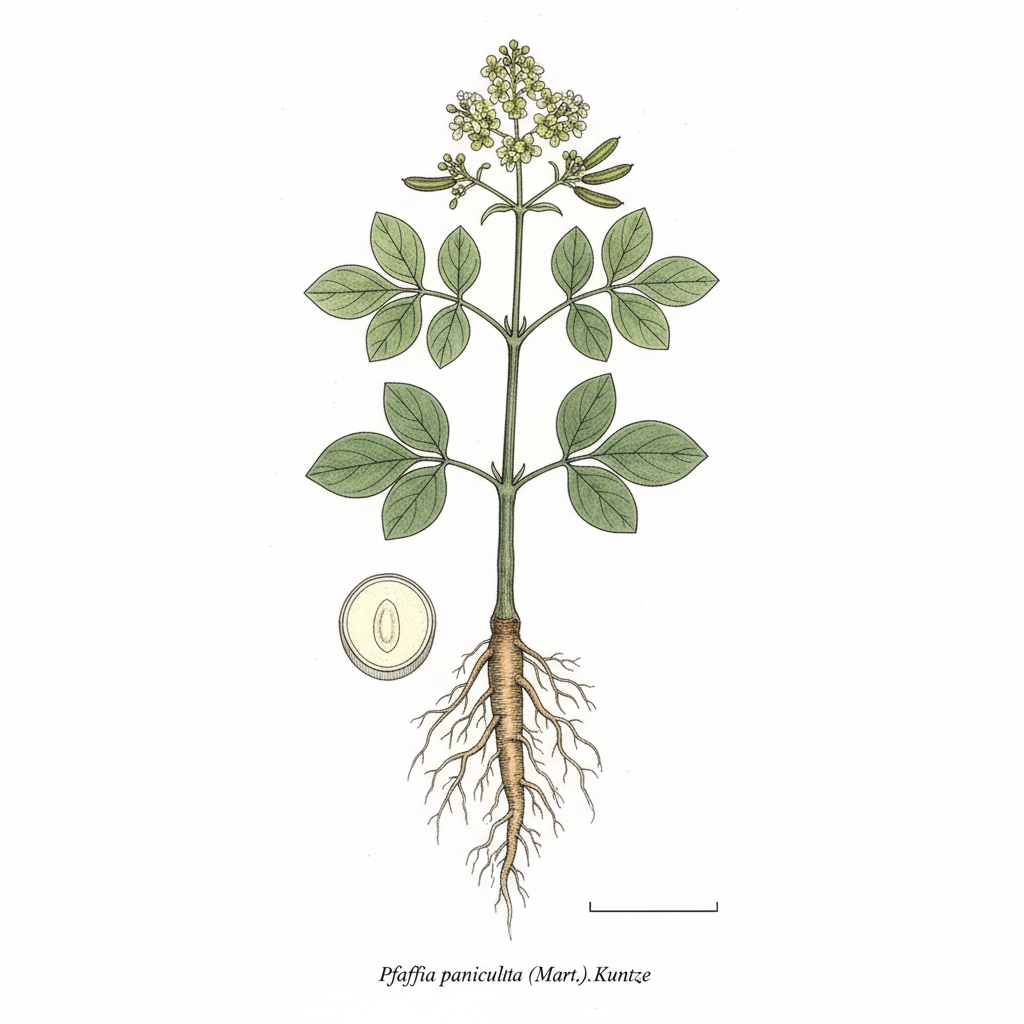
Brazillian ginseng

Brazillian ginseng

Pfaffia paniculata
Adaptation to Stress
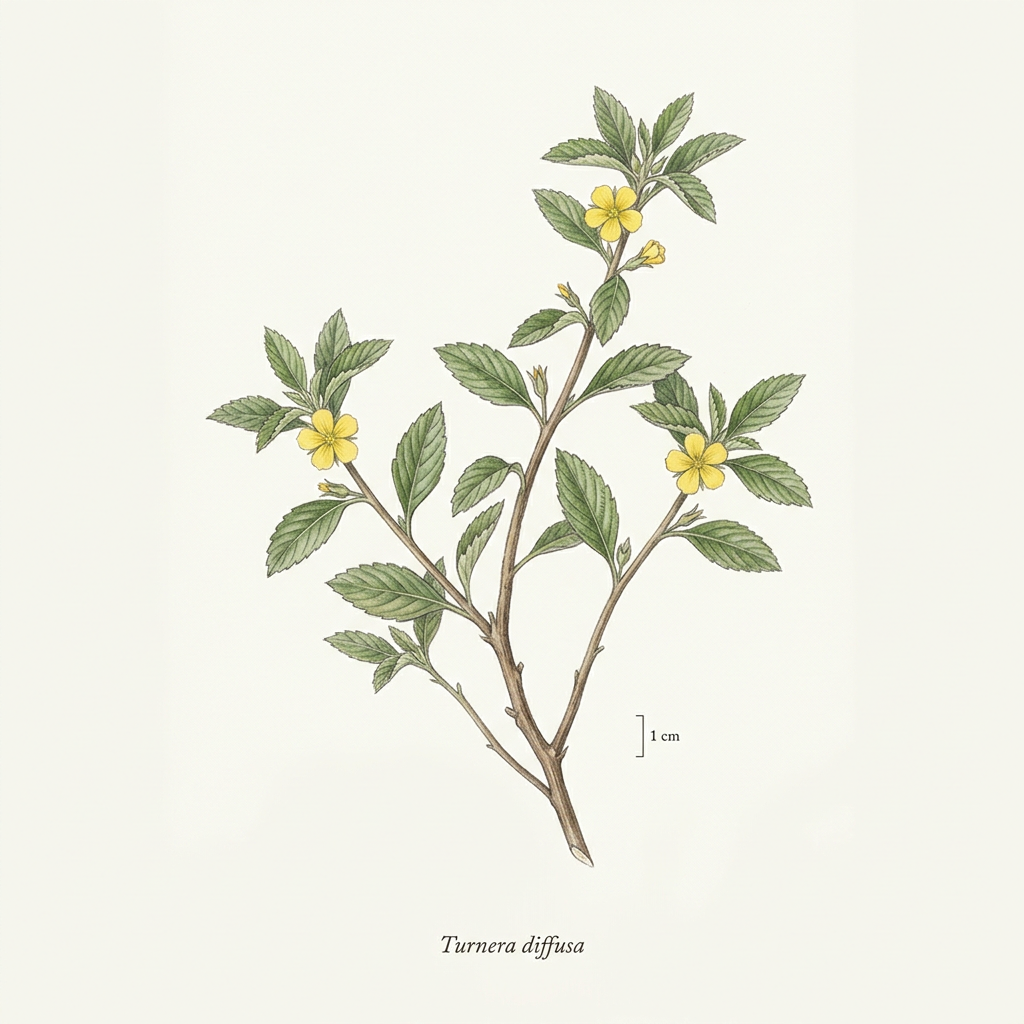
Damiana

Damiana

Turnera diffusa

Aphrodisiac Effect
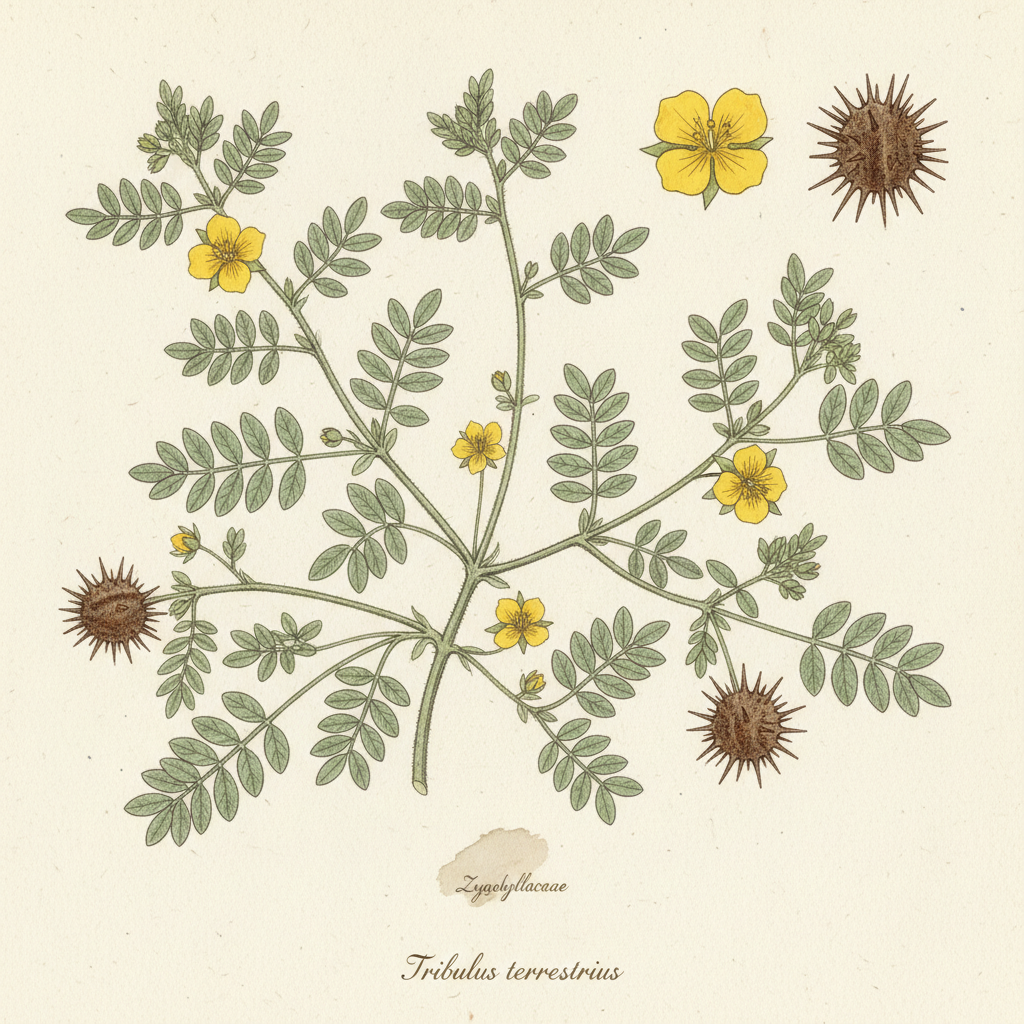
Tribulus

Tribulus

Tribulus terrestris

Convalescence
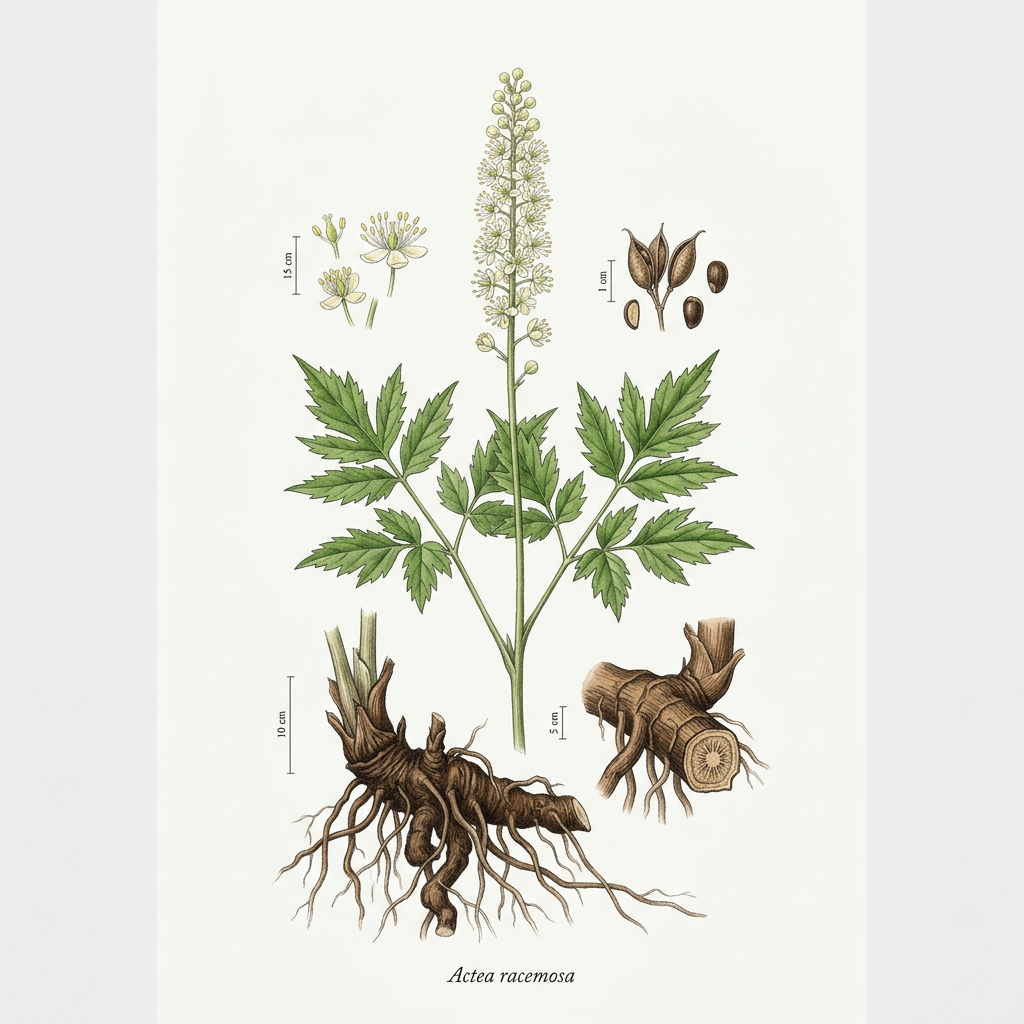
Black Cohosh

Black Cohosh

Actaea racemosa

Hormonal Support