The Wild Sage logo
The Wild Sage Logo

Herbal Medicine at your fingertips

Comprehensive database of herbal remedies with detailed safety information and traditional uses

New to herbal terms? Read the glossary →
ADHD
Abcess
Acid Reflux Relief
Acinetobacter
Acne
Acne Vulgaris
Addisons
Adenomyosis
Adenovirus
Adrenal fatigue
Aging
Aids
Alcaligenes faecalis
Alcoholism
Allergic Rhinitis
Allergies
Allergy
Alopoecia
Alopoecia nervosa
Alzheimer's, Dementia & Cognitive Decline
420 herbs found
Important: This information is for educational purposes only. Always consult with qualified healthcare professionals before using herbal remedies, especially if you have existing health conditions or take medications.
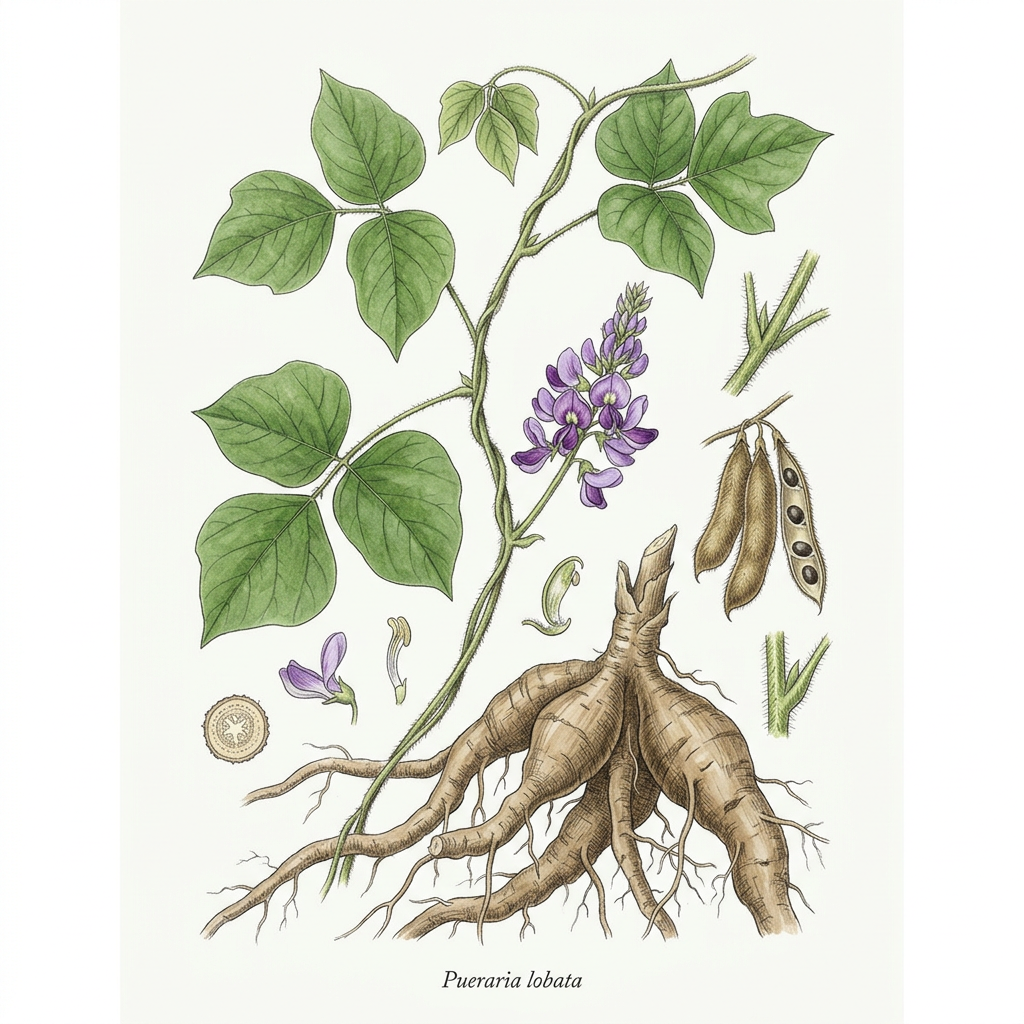
Kudzu

Kudzu

Pueraria lobata

low risk Risk
Fabaceae
slightly warming and moistening, sweet and bitter
<p>Kudzu (Pueraria lobata) is a perennial vine native to East Asia, particularly prevalent in countries such as China and Japan. Historically, Kudzu has been revered in traditional Chinese medicine for centuries, primarily for its anti-alcoholic properties and its ability to promote overall health and wellness. The roots of this robust plant are harvested for medicinal use and are known as "ge-gen." Traditionally, Kudzu has been employed to alleviate symptoms associated with alcohol withdrawal and to ease the discomforts of menopause, such as hot flashes and night sweats. Its introduction to the United States in the late 19th century brought with it a new wave of interest, particularly for its role in enhancing cardiovascular health and managing weight, reflecting its adaptability and significance in various cultural practices. Kudzu is celebrated for its diverse therapeutic properties, notably its anti-inflammatory, antioxidant, and neuroprotective effects. The primary active constituents, including puerarin and isoflavones, are attributed to an array of health benefits. These compounds have been shown to support cardiovascular health by improving blood flow and reducing the risk of atherosclerosis. Moreover, kudzu's efficacy in curbing alcohol cravings is well-documented; it is believed to modulate neurotransmitter activity, particularly by influencing GABA receptors and serotonin levels, which can contribute to a reduction in alcohol dependence. Additionally, the herb is recognized for providing relief during menopause by balancing estrogen levels and enhancing the overall well-being of women navigating this transitional phase. The mechanism by which Kudzu operates within the body is multifaceted. Its isoflavones exhibit phytoestrogenic activity, working similarly to estrogen and thereby helping to alleviate menopausal symptoms. Furthermore, the anti-inflammatory properties of Kudzu contribute to overall immune system support, potentially lowering the risk of chronic diseases linked to systemic inflammation. Recent research also points towards its ability to enhance blood circulation, thanks to its vasodilatory effects, which is beneficial for maintaining heart health. As a holistic remedy, Kudzu integrates seamlessly into a broader health regimen, offering a natural option for those seeking to optimize their wellness while managing life’s challenges with the support of nature’s bounty.</p>

Uses & Conditions

Alcohol Withdrawal
Hormone Balancing
Anti-ageing
Weight Management
Alcoholism
Alopecia
Benign Prostatic Hyperplasia
Cardiovascular Disease
Diabetes
Grey Hair
Kidney Disease
Leaky Gut
Metabolic Syndrome
Oedema
Osteoarthritis
Prostate Cancer
Renal Weakness
Urinary Lithiasis

Actions

Anti-inflammatory
5a-Reductase Inhibition
Antispasmodic
Immune Support
Phyto-oestrogen
Renal Trophorestorative

Parts Used

Roots

Native Countries

Asia

USDA Hardiness Zones

USDA 6-11

Contraindications

  • Pregnancy and breastfeeding
  • Hormone-sensitive cancers such as breast
  • ovarian
  • or prostate cancer
  • Severe blood coagulation disorders
  • Children and adolescents under 18
  • Discontinue at least two weeks prior to any scheduled surgical procedures

Potential Side Effects

  • Mild gastrointestinal upset including nausea or abdominal discomfort
  • Allergic skin reactions
  • Dizziness or lightheadedness when taken in very high doses

Interactions

  • Anticoagulants or antiplatelet medications: potential additive effects increasing bleeding risk
  • Methotrexate: potential interference with cellular absorption pathways
  • Hormone replacement therapy or oral contraceptives: phytoestrogenic constituents may alter efficacy
  • Antidiabetic medications: potential potentiation of blood-sugar lowering effects

Dosages, tincture ratios & research — members only

Unlock Garreth's dosing guidance, tincture ratios, the dosage calculator and the research studies for Kudzu.

Your assessment and results stay saved — upgrading only unlocks more of them.

See membership plans

Community Photos

No community photos yet. Sign in to upload photos.

Reviews & Ratings

Sign in to leave a review.

No reviews yet. Be the first!

GF

Garreth Falls — B.Th., Dip. H.M., MNIMH

Content curated and reviewed by Garreth Falls, Consultant Medical Herbalist · The Wild Sage

Medical Disclaimer: This information is for educational purposes only and is not intended as medical advice. Always consult with qualified healthcare professionals before starting any herbal treatment.
Chinese tradition

Sustainability & quality

Abundant

Highly invasive in some territories. Abundant for wild harvest where local legislation permits.

Key constituents

Puerarin, Daidzein, Daidzin, Genistein, Formononetin, Puerarol, Triterpenoid saponins, Phytosterols

References

  1. Bensky "Chinese Herbal Medicine: Materia Medica" 3rd ed. 2004
  2. Herbal Reality. Herb monographs. herbalreality.com

Reviewed by Garreth, Medical Herbalist (MNIMH) · November 2026

Related conditions

Explore conditions where Kudzu is traditionally used.

Related Herbs
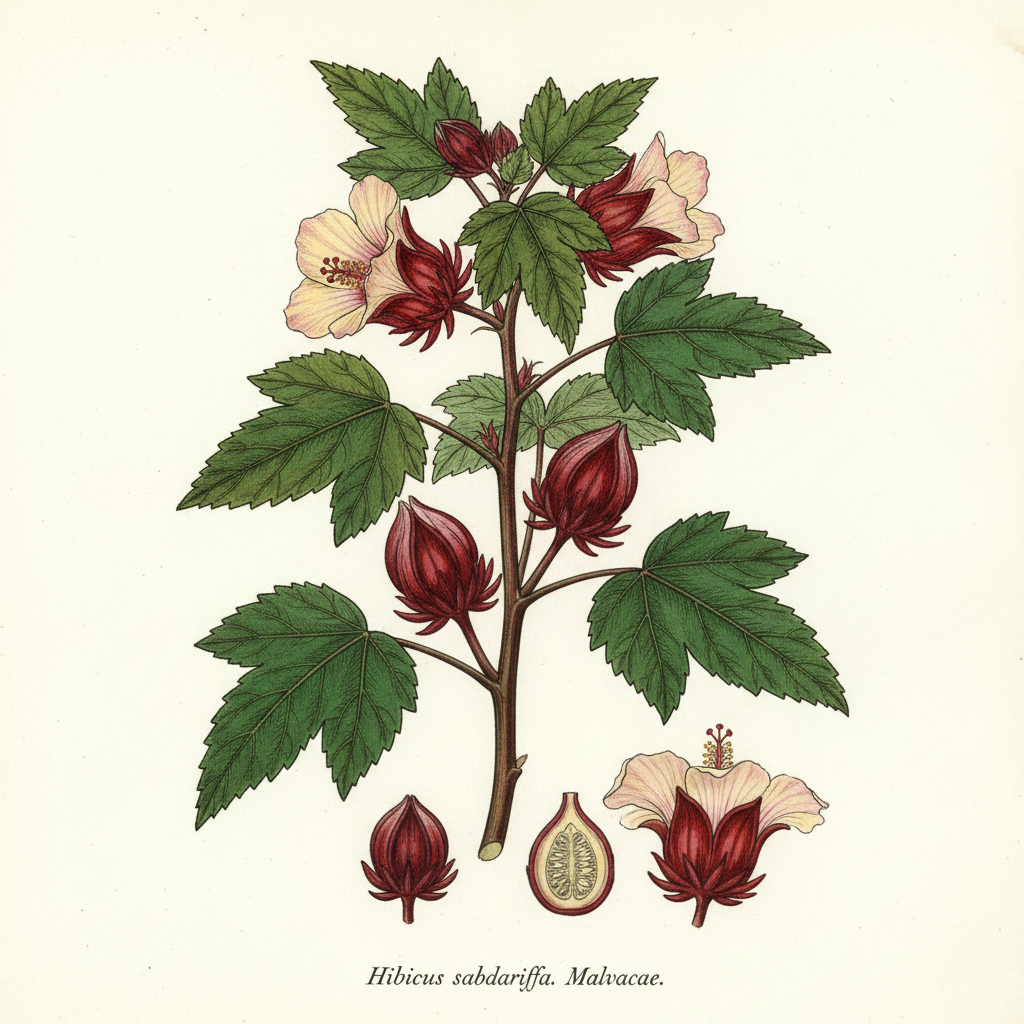
Hibiscus

Hibiscus

Hibiscus sabdariffa

Nutritional Support
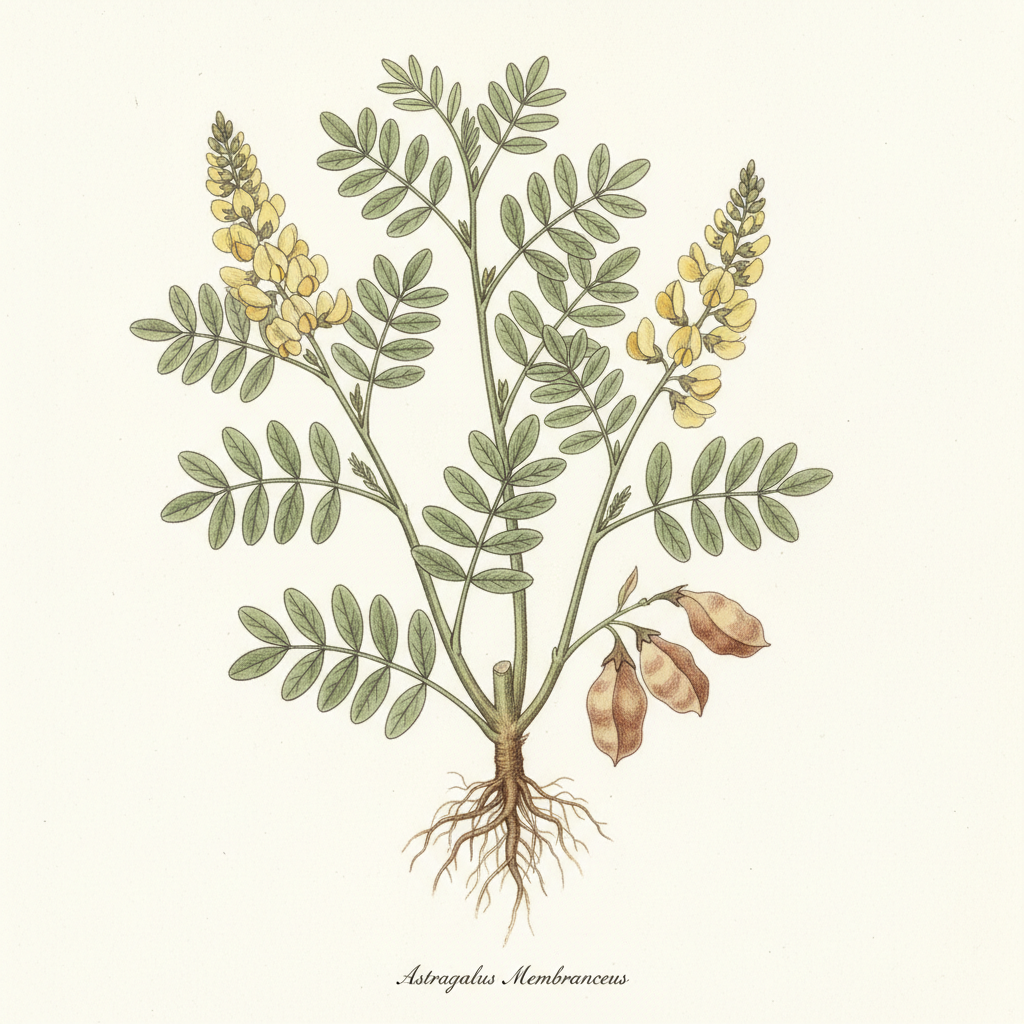
Huang qi

Huang qi

Astragalus membranaceus

Immune Support
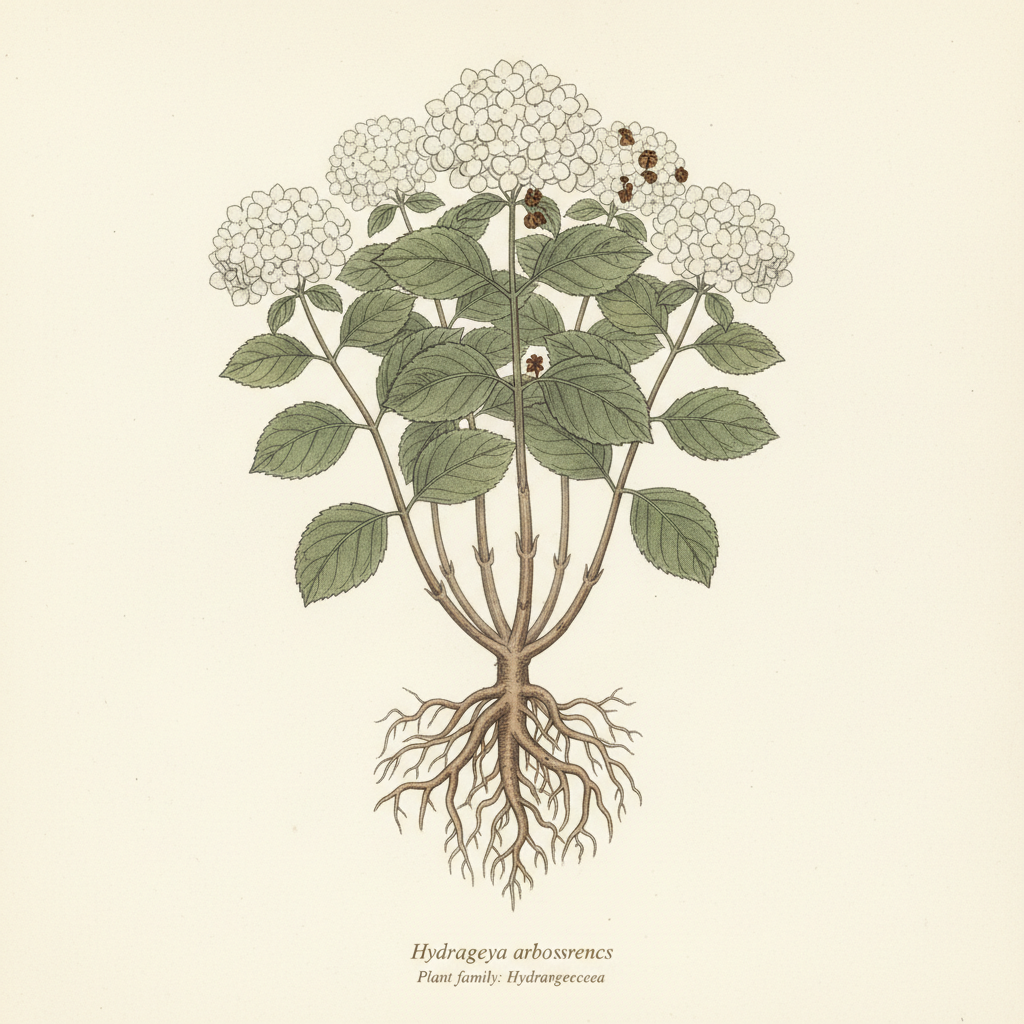
Hydrangea

Hydrangea

Hydrangea arborescens

Adrenal Tonic
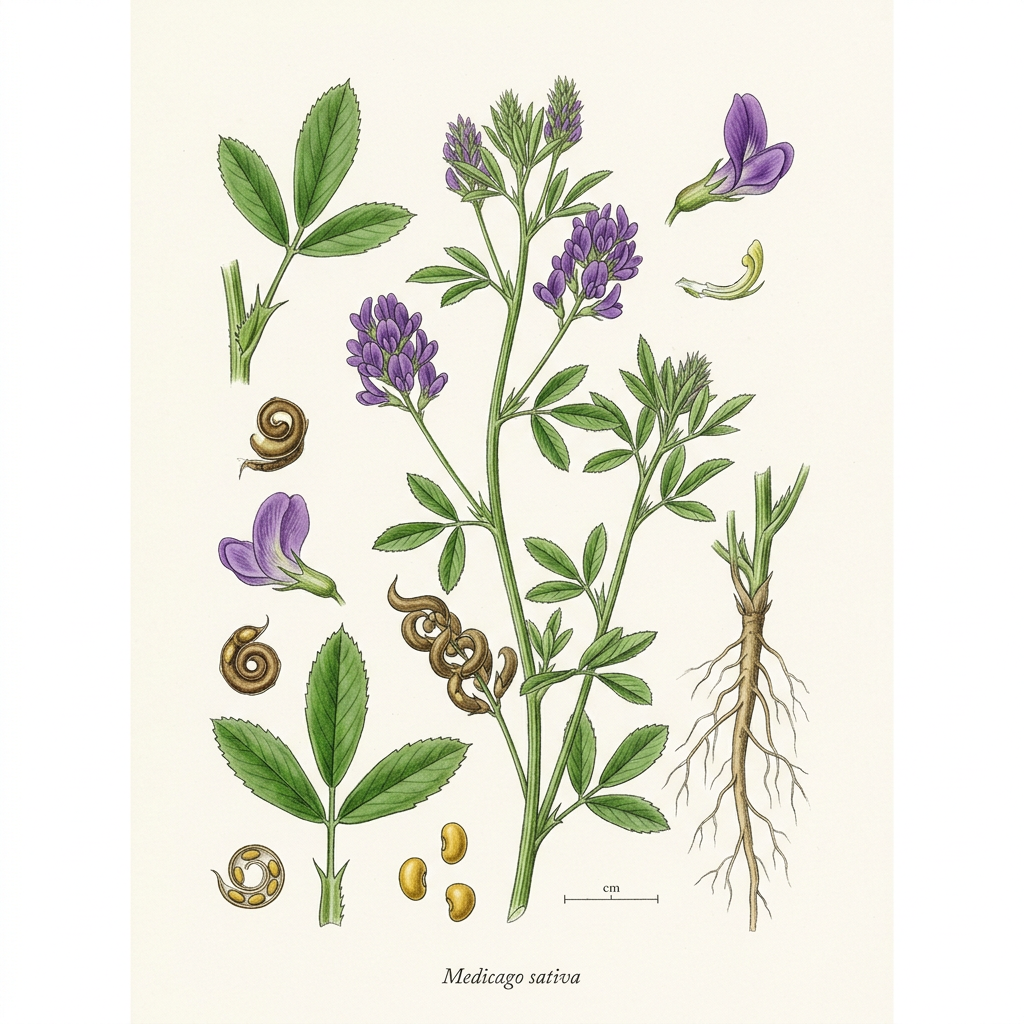
Alfalfa

Alfalfa

Medicago sativa

Nutritional Support