The Wild Sage logo
The Wild Sage Logo

Herbal Medicine at your fingertips

Comprehensive database of herbal remedies with detailed safety information and traditional uses

New to herbal terms? Read the glossary →
ADHD
Abcess
Acid Reflux Relief
Acinetobacter
Acne
Acne Vulgaris
Addisons
Adenomyosis
Adenovirus
Adrenal fatigue
Aging
Aids
Alcaligenes faecalis
Alcoholism
Allergic Rhinitis
Allergies
Allergy
Alopoecia
Alopoecia nervosa
Alzheimer's, Dementia & Cognitive Decline
420 herbs found
Important: This information is for educational purposes only. Always consult with qualified healthcare professionals before using herbal remedies, especially if you have existing health conditions or take medications.
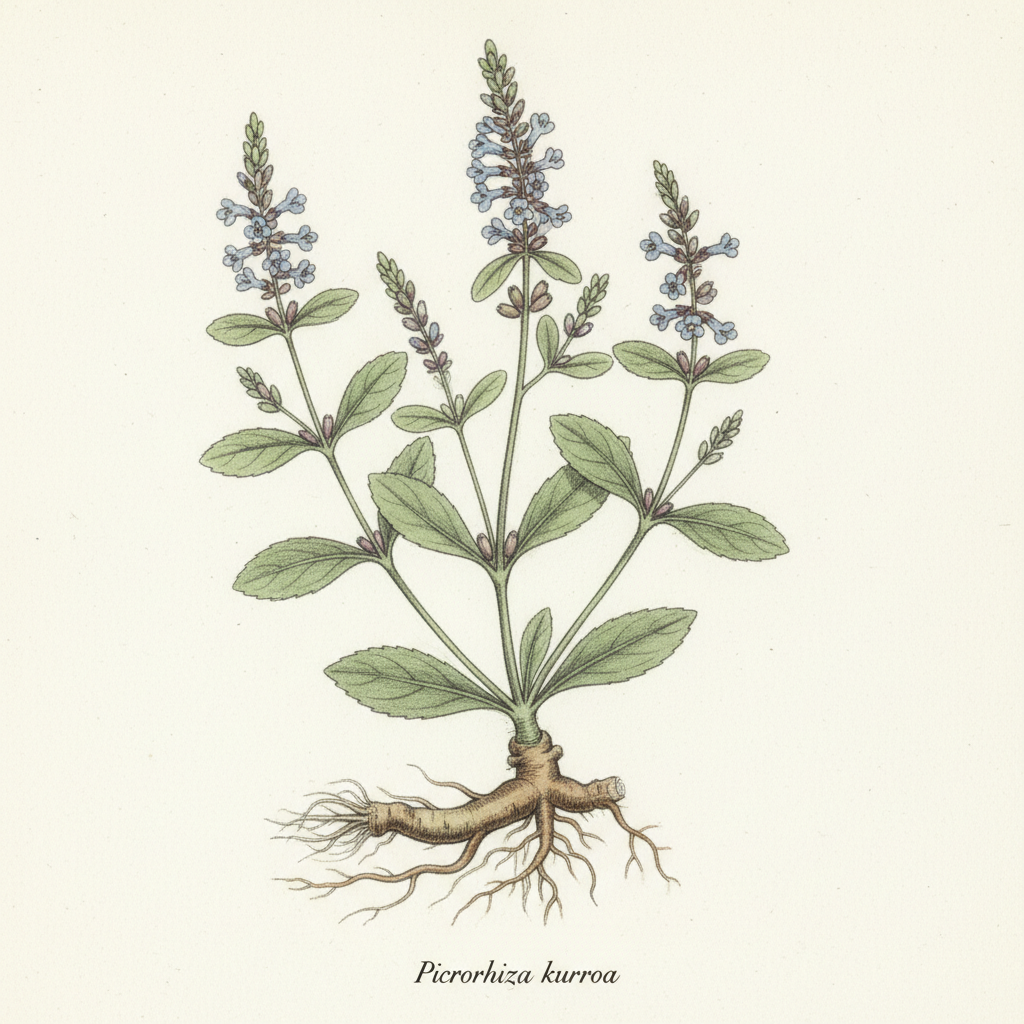
Kutki

Kutki

Picrorhiza kurroa

low risk Risk
Scrophulariaceae
<p>Picrorhiza kurroa, commonly known as Kutki or Katuki, is a perennial herb native to the high altitudes of the Himalayan region, primarily found in India, Nepal, and Tibet. Traditionally, this herb has been revered in Ayurvedic medicine for centuries owing to its myriad of therapeutic benefits, especially for liver and digestive health. It is often utilized in traditional remedies to combat conditions associated with liver dysfunction, such as jaundice and hepatitis. The roots of Picrorhiza kurroa, typically harvested in the spring, are the most valued part of the plant and have been used in various folk medicines across South Asia for promoting overall vitality and resilience against stressors. Picrorhiza kurroa is endowed with robust pharmacological properties, chiefly attributed to its active compounds, including kutkin and other iridoid glycosides. Known for its hepatoprotective, anti-inflammatory, and antioxidant actions, this herb plays a crucial role in detoxifying the liver, enhancing digestive health, and promoting bile production. Furthermore, studies have indicated its potential efficacy in alleviating symptoms of respiratory ailments, making it a compound of interest in the realm of herbal respiratory therapies. The herb is also recognized for its adaptogenic qualities, which help the body adapt to stress and maintain homeostasis, thus fostering overall well-being. Mechanistically, the therapeutic effects of Picrorhiza kurroa can be attributed to its impact on various physiological pathways. The herb enhances the activity of liver enzymes, facilitating detoxification and metabolic processes. Its anti-inflammatory constituents help to mitigate oxidative stress, thereby protecting liver cells from damage and supporting regeneration. Additionally, the herb’s impact on the gastrointestinal system aids in the alleviation of dyspepsia and bloating, fostering a healthy digestive environment. Overall, Picrorhiza kurroa exemplifies a potent herbal ally, blending traditional wisdom with modern scientific insights to support health and vitality.</p>

Uses & Conditions

Detoxification
Digestive health
Adaptogenic qualities
Health resilience
Bile production
Liver dysfunction
Jaundice
Hepatitis
Dyspepsia
Bloating
Respiratory ailments

Actions

Anti-inflammatory
Antioxidant
Adaptogen
Laxative

Parts Used

Dried rhizome
Root

Native Countries

India
Nepal
Bhutan
Tibet
China

USDA Hardiness Zones

5
6
7
8

Contraindications

  • Pregnancy
  • Breastfeeding
  • Known autoimmune conditions
  • Surgery
  • Acute biliary obstruction

Potential Side Effects

  • Gastrointestinal discomfort such as nausea or abdominal cramping
  • Loose stools or diarrhoea
  • Allergic skin reactions

Interactions

  • Immunosuppressants
  • Antidiabetic medications
  • Anticoagulant or antiplatelet drugs
  • Hepatotoxic drugs

Dosages, tincture ratios & research — members only

Unlock Garreth's dosing guidance, tincture ratios, the dosage calculator and the research studies for Kutki.

Your assessment and results stay saved — upgrading only unlocks more of them.

See membership plans

Community Photos

No community photos yet. Sign in to upload photos.

Reviews & Ratings

Sign in to leave a review.

No reviews yet. Be the first!

GF

Garreth Falls — B.Th., Dip. H.M., MNIMH

Content curated and reviewed by Garreth Falls, Consultant Medical Herbalist · The Wild Sage

Medical Disclaimer: This information is for educational purposes only and is not intended as medical advice. Always consult with qualified healthcare professionals before starting any herbal treatment.
Ayurvedic tradition
Chinese tradition

Sustainability & quality

At risk

Heavily overharvested in the wild; always specify cultivated product to support sustainability.

Key constituents

Picroside I, Picroside II, Kutkin, Alkaloids, Triterpenoids

References

  1. Bensky "Chinese Herbal Medicine: Materia Medica" 3rd ed. 2004
  2. Pole "Ayurvedic Medicine" 2006
  3. Herbal Reality. Herb monographs. herbalreality.com

Reviewed by Garreth, Medical Herbalist (MNIMH) · November 2026

Related conditions

Explore conditions where Kutki is traditionally used.

Related Herbs
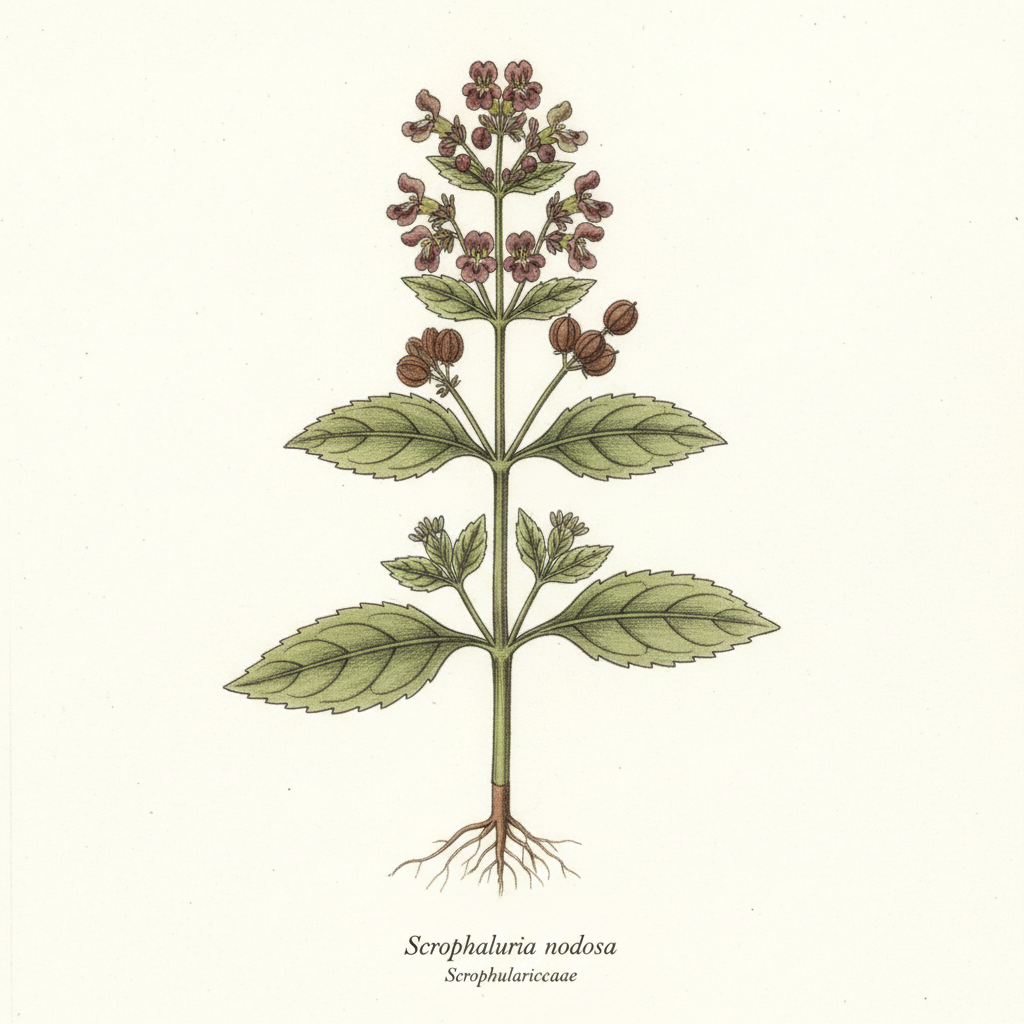
Figwort

Figwort

Scrophularia nodosa

Lymphatic Health
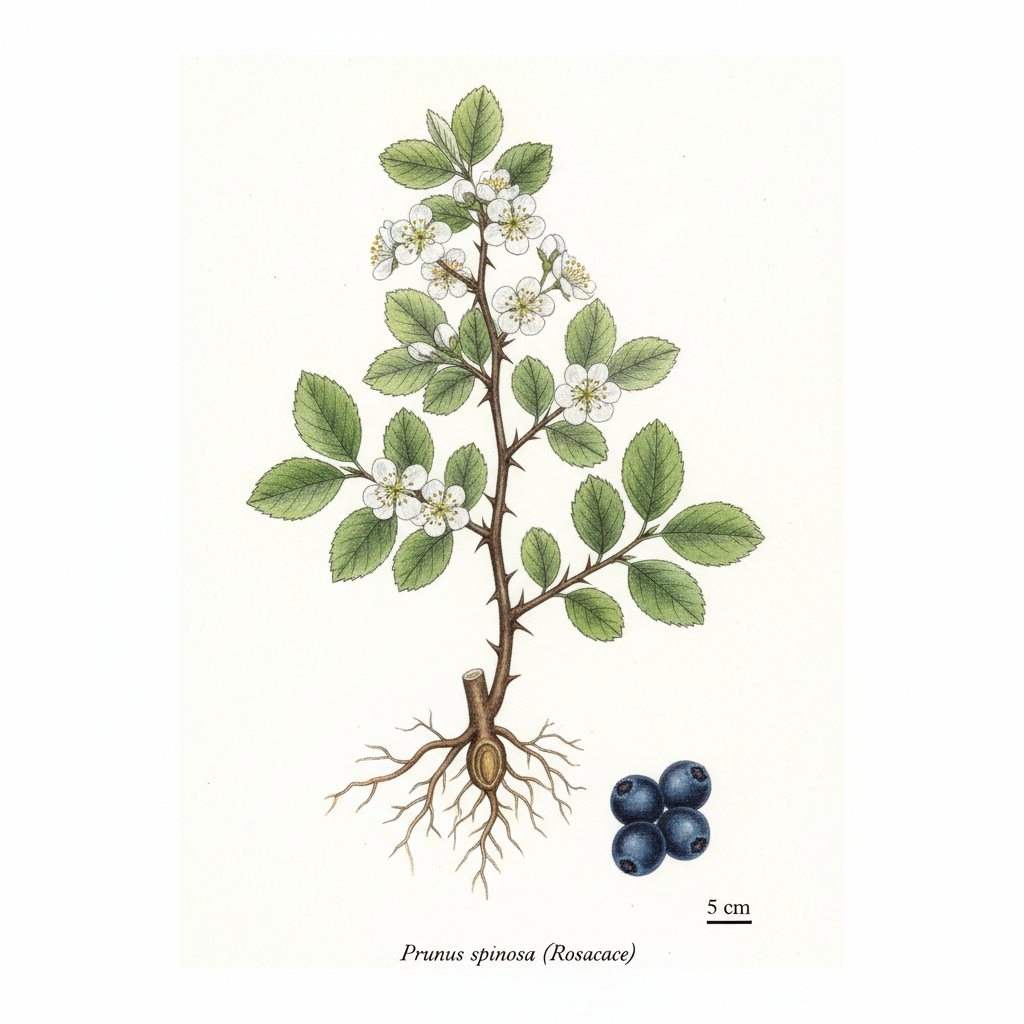
Blackthorn

Blackthorn

Prunus spinosa

Digestive health
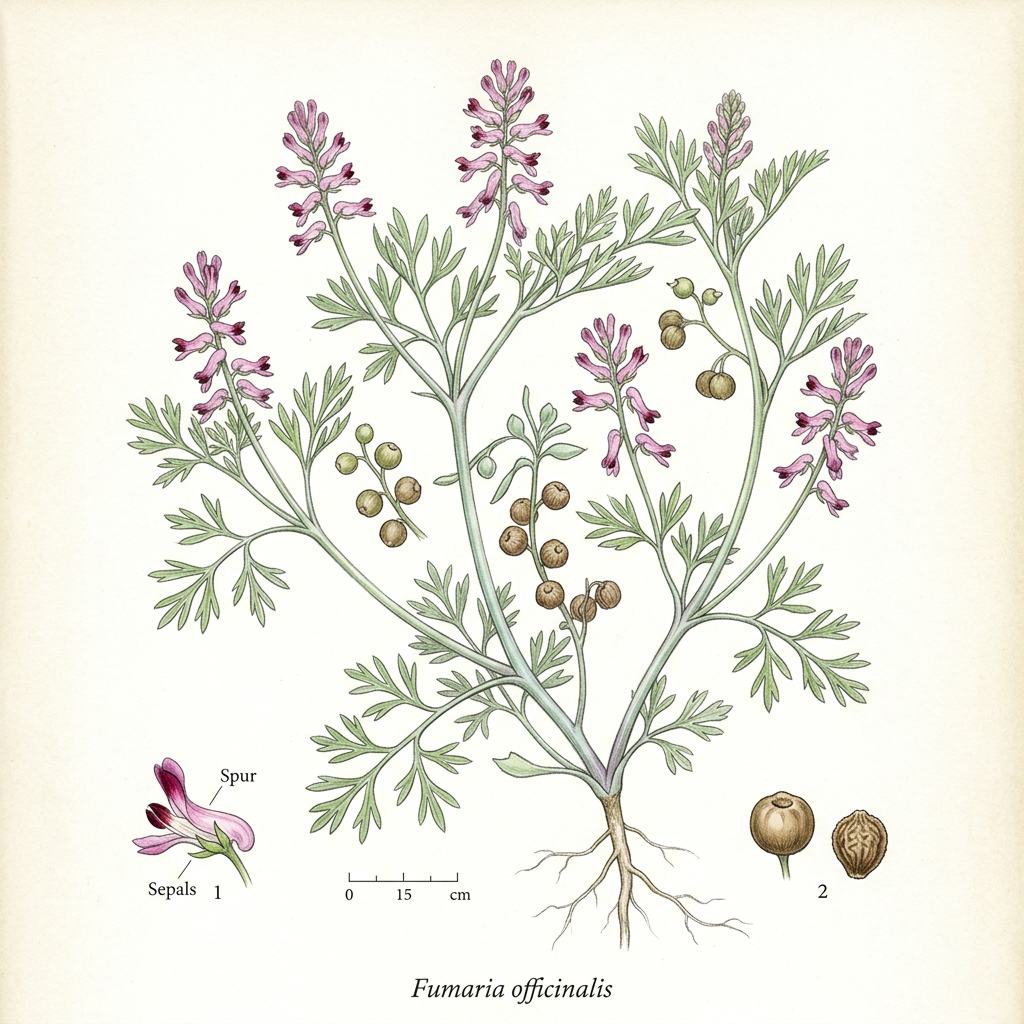
Fumary

Fumary

Fumaria officinalis

Detoxification
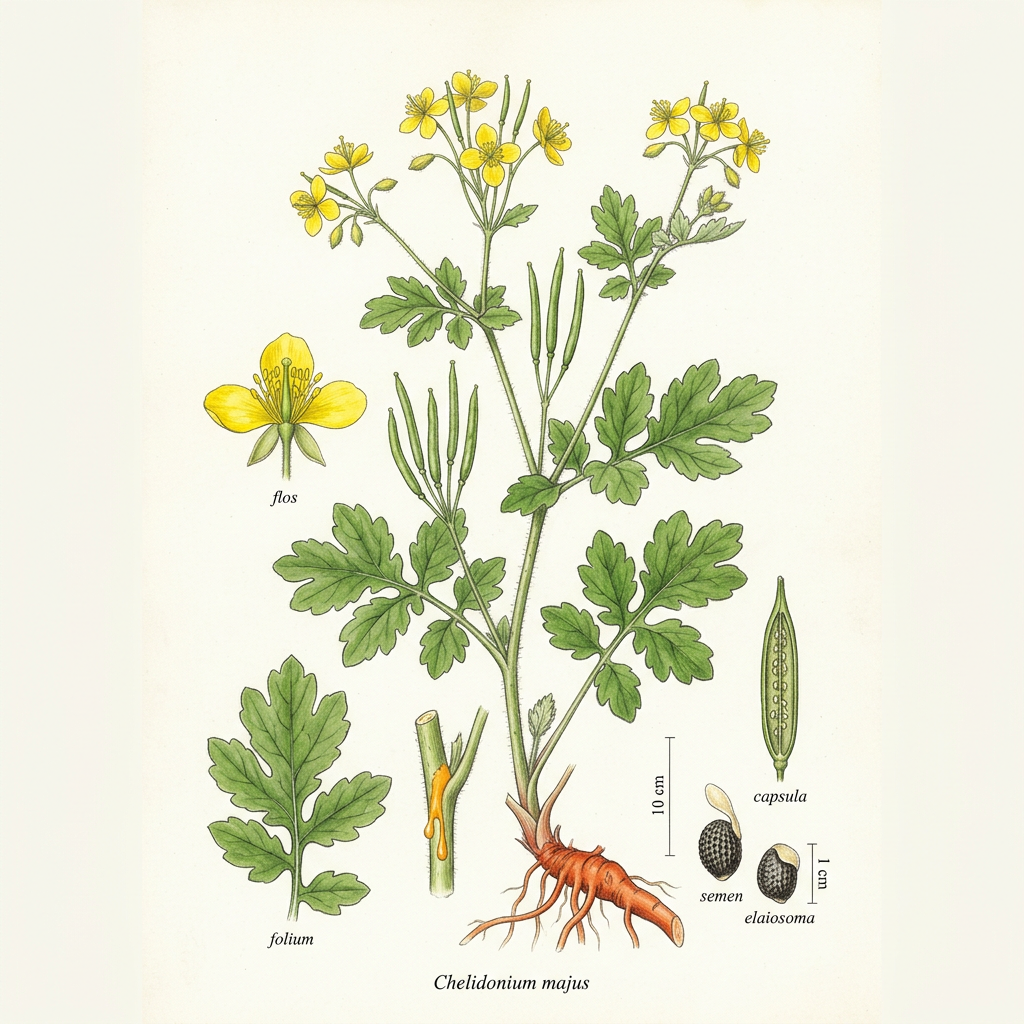
Greater Celandine

Greater Celandine

Chelidonium majus

Liver Support