The Wild Sage logo
The Wild Sage Logo

Herbal Medicine at your fingertips

Comprehensive database of herbal remedies with detailed safety information and traditional uses

New to herbal terms? Read the glossary →
ADHD
Abcess
Acid Reflux Relief
Acinetobacter
Acne
Acne Vulgaris
Addisons
Adenomyosis
Adenovirus
Adrenal fatigue
Aging
Aids
Alcaligenes faecalis
Alcoholism
Allergic Rhinitis
Allergies
Allergy
Alopoecia
Alopoecia nervosa
Alzheimer's, Dementia & Cognitive Decline
420 herbs found
Important: This information is for educational purposes only. Always consult with qualified healthcare professionals before using herbal remedies, especially if you have existing health conditions or take medications.

Lavandin

Lavandula x intermedia

low risk Risk
Lamiaceae
<p>Lavandula x intermedia, commonly known as Lavandin, is a vigorous sterile hybrid resulting from the cross-pollination of Lavandula angustifolia and Lavandula latifolia. Botanically distinct from true lavender, it is typically larger in stature with more robust flower spikes that yield a significantly higher volume of essential oil. Its aroma is notably more camphoraceous and pungent than its parent species, reflecting its higher concentration of volatile oils.</p><p>Historically, while true lavender has been prized for centuries for its delicate fragrance and medicinal applications, Lavandin was primarily developed for the industrial scent industry due to its superior essential oil yield. However, it has been traditionally used in herbal practice for its aromatic and topical properties, particularly where a stronger, more penetrating effect is desired for muscular discomfort or to promote a calm atmosphere in the home.</p><p>Modern research into Lavandin focuses largely on its essential oil, which demonstrates antimicrobial and antioxidant properties in vitro, though clinical trials specifically on the hybrid are less abundant than on true lavender. Pharmacologically, it is considered an antispasmodic and nervine, with its camphor content providing a distinct stimulatory and warming effect on the skin and senses. It is generally used in clinical practice as an aromatic support for mild anxiety and to soothe muscular tension.</p><p>In practice, it is rarely taken internally due to the potential for irritation from its higher camphor content. Instead, it is highly valued in external preparations for musculoskeletal conditions and as an aromatic intervention to aid relaxation. Its potency necessitates cautious dilution for topical application to avoid skin sensitivity.</p>

Uses & Conditions

Relaxation Support
Stress
Headache
Nervous Tension
Tense Or Aching Muscles

Actions

Anxiolytic
Sedative
Anti-inflammatory
Antispasmodic

Synonyms

Lavandin
Lavandula intermedia

Parts Used

Flower
Essential oil

USDA Hardiness Zones

5
6
7
8
9

Contraindications

  • Not recommended during pregnancy and lactation
  • Avoid in individuals with known allergies to the Lamiaceae family
  • Discontinue use at least two weeks before scheduled elective surgery
  • Avoid undiluted topical application on sensitive or broken skin

Potential Side Effects

  • Contact dermatitis or skin irritation if applied undiluted
  • Dizziness or headache if inhaled in high concentrations
  • Mild gastrointestinal upset if ingested in large quantities

Interactions

  • Sedative medications: may potentiate the effects of barbiturates, benzodiazepines, and other CNS depressants
  • Anaesthetic agents: use caution due to potential additive sedative effects prior to surgical procedures
  • Antihypertensive drugs: potential for blood pressure lowering effects to be compounded

Dosages, tincture ratios & research — members only

Unlock Garreth's dosing guidance, tincture ratios, the dosage calculator and the research studies for Lavandin.

Your assessment and results stay saved — upgrading only unlocks more of them.

See membership plans

Community Photos

No community photos yet. Sign in to upload photos.

Reviews & Ratings

Sign in to leave a review.

No reviews yet. Be the first!

GF

Garreth Falls — B.Th., Dip. H.M., MNIMH

Content curated and reviewed by Garreth Falls, Consultant Medical Herbalist · The Wild Sage

Medical Disclaimer: This information is for educational purposes only and is not intended as medical advice. Always consult with qualified healthcare professionals before starting any herbal treatment.
Western tradition

Sustainability & quality

Abundant

Sterile hybrid cultivated at scale; ensure purity as lavender oil is a common adulterant.

Key constituents

Linalool, Linalyl acetate, Camphor, 1, 8-Cineole, Borneol, Beta-caryophyllene

References

  1. Herbal Reality. Herb monographs. herbalreality.com

Reviewed by Garreth, Medical Herbalist (MNIMH) · November 2026

Related conditions

Explore conditions where Lavandin is traditionally used.

Related Herbs
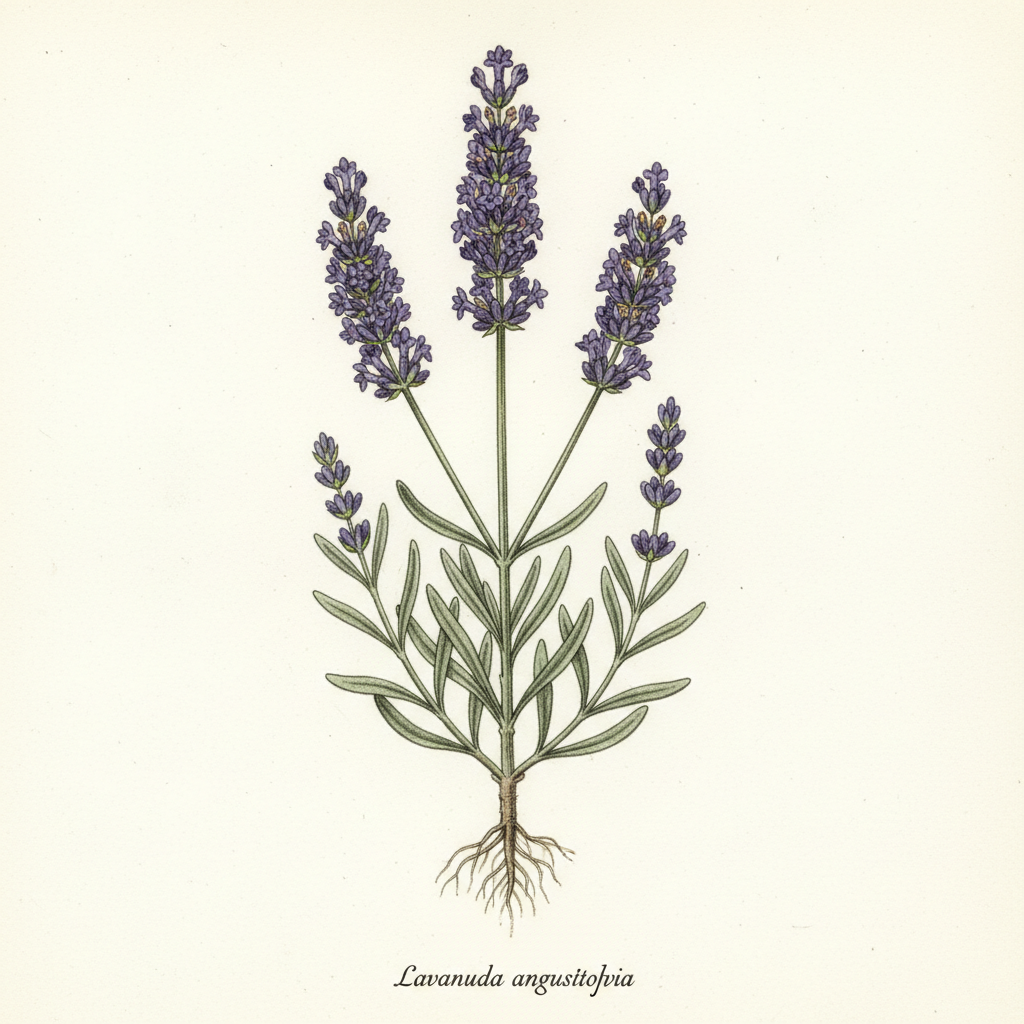
Lavender

Lavender

Lavandula angustifolia

Sleep Aid
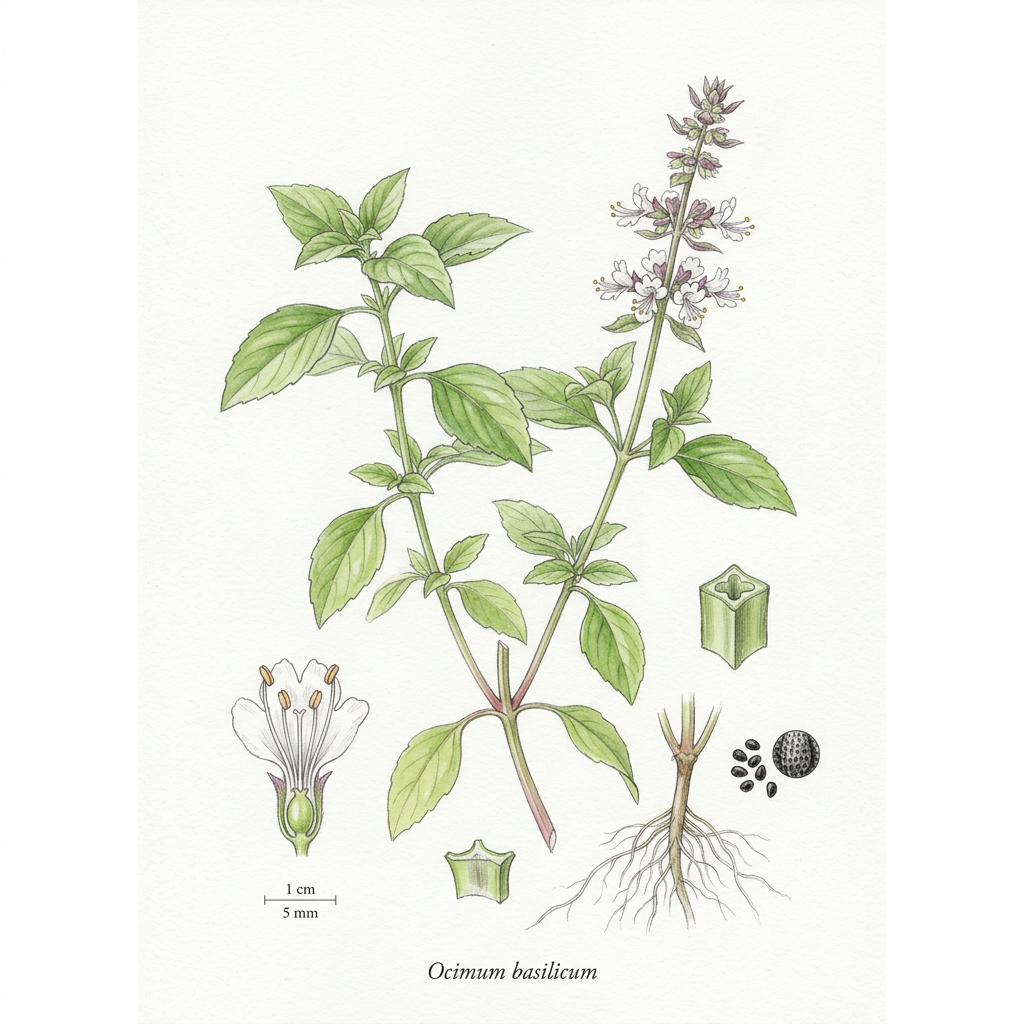
Basil

Basil

Ocimum basilicum

Convalescence
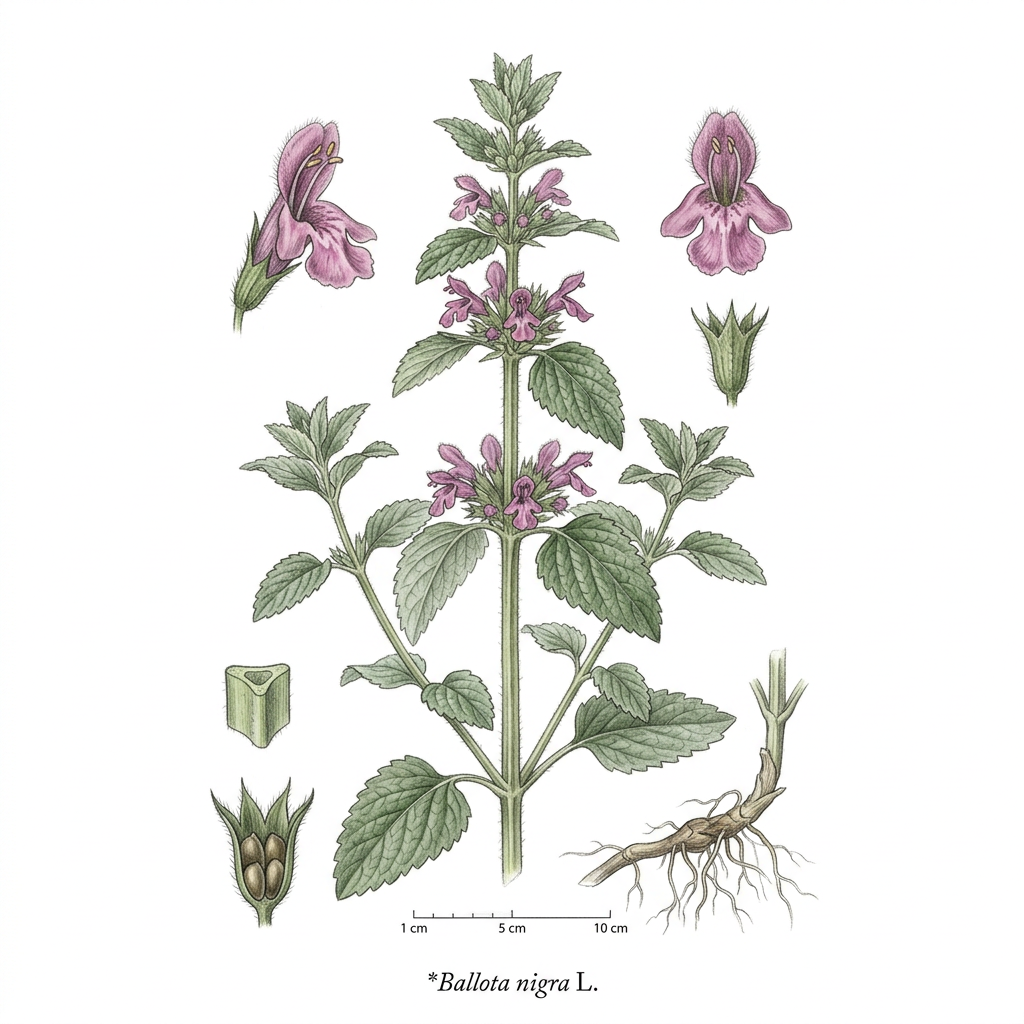
Black Horehound

Black Horehound

Ballota nigra

Digestive Aid
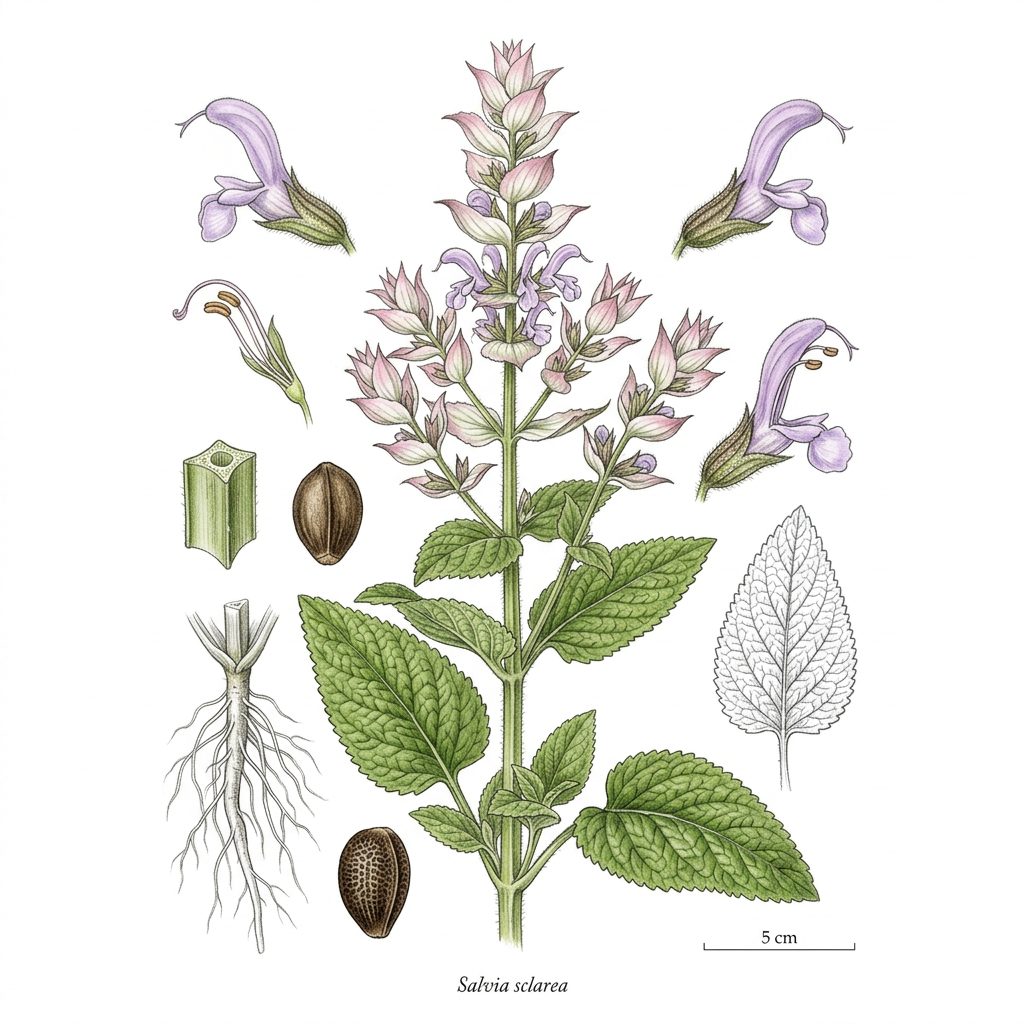
Clary sage

Clary sage

Salvia sclarea

Aromatherapy