The Wild Sage logo
The Wild Sage Logo

Herbal Medicine at your fingertips

Comprehensive database of herbal remedies with detailed safety information and traditional uses

New to herbal terms? Read the glossary →
ADHD
Abcess
Acid Reflux Relief
Acinetobacter
Acne
Acne Vulgaris
Addisons
Adenomyosis
Adenovirus
Adrenal fatigue
Aging
Aids
Alcaligenes faecalis
Alcoholism
Allergic Rhinitis
Allergies
Allergy
Alopoecia
Alopoecia nervosa
Alzheimer's, Dementia & Cognitive Decline
420 herbs found
Important: This information is for educational purposes only. Always consult with qualified healthcare professionals before using herbal remedies, especially if you have existing health conditions or take medications.
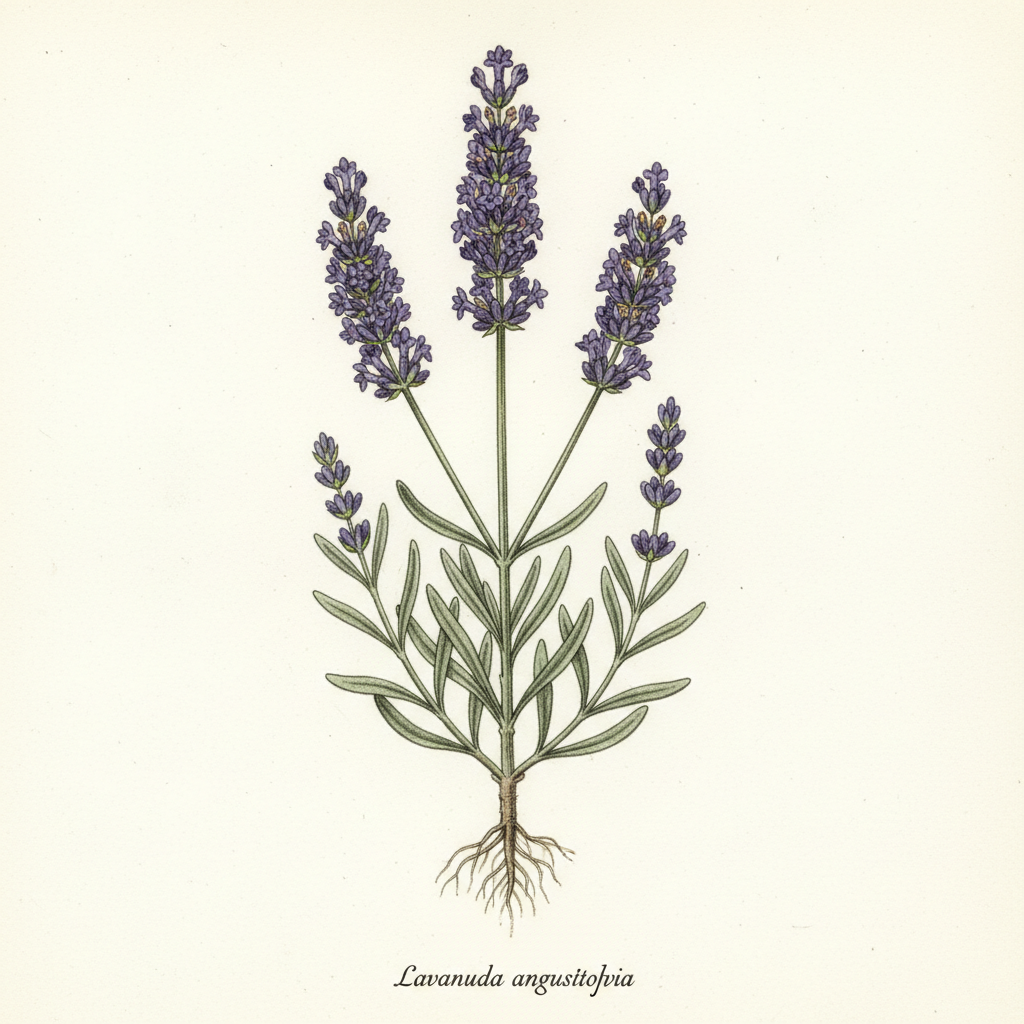
Lavender

Lavender

Lavandula angustifolia

low risk Risk
Lamiaceae
Calming, Balancing, Soothing for the mind and body, Promotes relaxation and emotional healing.
<p>Lavandula angustifolia, belonging to the Lamiaceae family, is a fragrant, perennial evergreen shrub native to the Mediterranean region. It is characterised by its narrow, linear grey-green foliage and iconic terminal spikes of aromatic, violet-blue flowers. The plant thrives in well-drained, alkaline soils and full sun, and its therapeutic potential is primarily concentrated in the volatile oils stored within the flower glands. Traditionally, Lavender has been used in European folk medicine as a nervine, carminative, and mild antispasmodic. Historically, it was highly valued not only for its perfume but as a domestic remedy for ‘nervous’ headaches, fainting, and digestive distress. The scent was frequently utilised in sachets to freshen linens and deter insects, whilst its essential oil served as a staple for managing minor burns and skin irritations. Modern research has provided some support for its use as a calming agent, with clinical studies suggesting that Linalool and Linalyl acetate may influence the central nervous system to reduce perceived stress and improve sleep quality. While it is commonly used to support emotional wellbeing and physical tension, further high-quality trials are required to fully elucidate its pharmacological pathways and standardise clinical outcomes. In contemporary herbal practice, Lavender is employed as an elegant, multi-purpose herb. It is frequently prescribed as part of a wider nervine tonic to support those suffering from anxiety-induced insomnia or tension-related digestive complaints. Externally, it remains a gold-standard preparation for soothing erythema, promoting healthy skin tissue repair, and providing a gentle, grounding sensory experience for patients navigating daily stressors.</p>

Uses & Conditions

Sleep Aid
Anxiety
Burns
Colic
Depression
H. Pylori
Headache
Insomnia
Microbial Infection
Premature Ejaculation
Sinusitis
Stress

Actions

Anxiolytic
Antimicrobial
Antispasmodic
Carminative
Nervine
Sedative

Synonyms

Lavender

Parts Used

Flowers
Leaves
Whole plant

Native Countries

Europe
Mediterranean

USDA Hardiness Zones

USDA 5-10

Contraindications

  • Pregnancy: avoid high therapeutic doses due to potential emmenagogue effects
  • Breastfeeding: use with caution and only under professional guidance
  • Known allergy to Lamiaceae family members: discontinue use if hypersensitivity occurs
  • Gallbladder disease: use with care as essential oils may stimulate bile flow
  • Surgery: discontinue oral or topical use at least two weeks before scheduled surgical interventions

Potential Side Effects

  • Skin irritation from undiluted essential oil

Interactions

  • Sedative medications: may potentiate the effects of benzodiazepines, barbiturates, or other CNS depressants
  • Anaesthetics: potential additive effects during surgery
  • Antihypertensive drugs: potential synergistic effect necessitating blood pressure monitoring
  • Chloral hydrate: potential for increased sedation

Dosages, tincture ratios & research — members only

Unlock Garreth's dosing guidance, tincture ratios, the dosage calculator and the research studies for Lavender.

Your assessment and results stay saved — upgrading only unlocks more of them.

See membership plans

Community Photos

No community photos yet. Sign in to upload photos.

Reviews & Ratings

Sign in to leave a review.

No reviews yet. Be the first!

GF

Garreth Falls — B.Th., Dip. H.M., MNIMH

Content curated and reviewed by Garreth Falls, Consultant Medical Herbalist · The Wild Sage

Medical Disclaimer: This information is for educational purposes only and is not intended as medical advice. Always consult with qualified healthcare professionals before starting any herbal treatment.
Western tradition

Sustainability & quality

Cultivated

Extensively farmed; essential to use verified Lavandula angustifolia and not cheaper hybrids like Lavandin.

Key constituents

Anti-inflammatory, calming compounds, Essential oil, Sesquiterpine lactones, linanlyl acetate, Monoterpenes

References

  1. ESCOP Monographs 2nd ed. 2003
  2. EMA/HMPC Community Herbal Monograph
  3. British Herbal Pharmacopoeia 1983
  4. Herbal Reality. Herb monographs. herbalreality.com

Reviewed by Garreth, Medical Herbalist (MNIMH) · November 2026

Related conditions

Explore conditions where Lavender is traditionally used.

Related Herbs
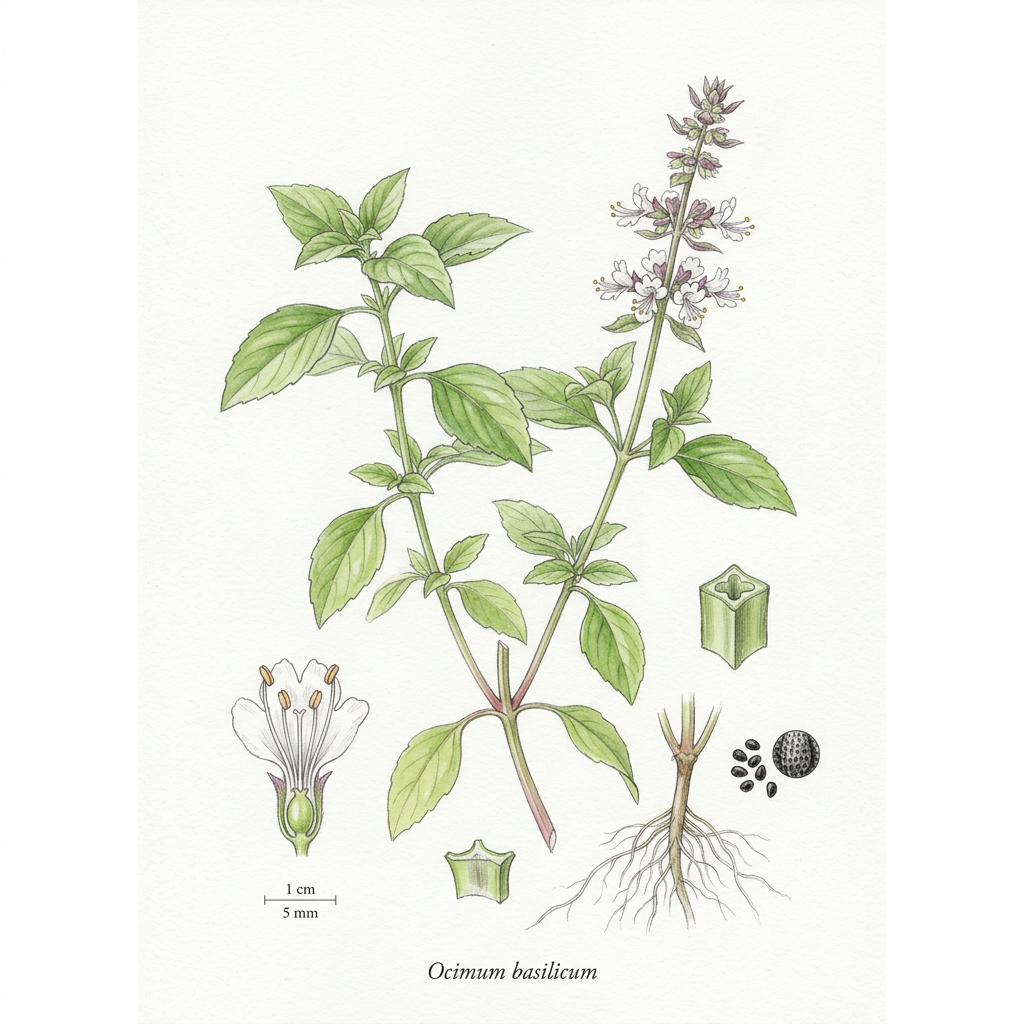
Basil

Basil

Ocimum basilicum

Convalescence
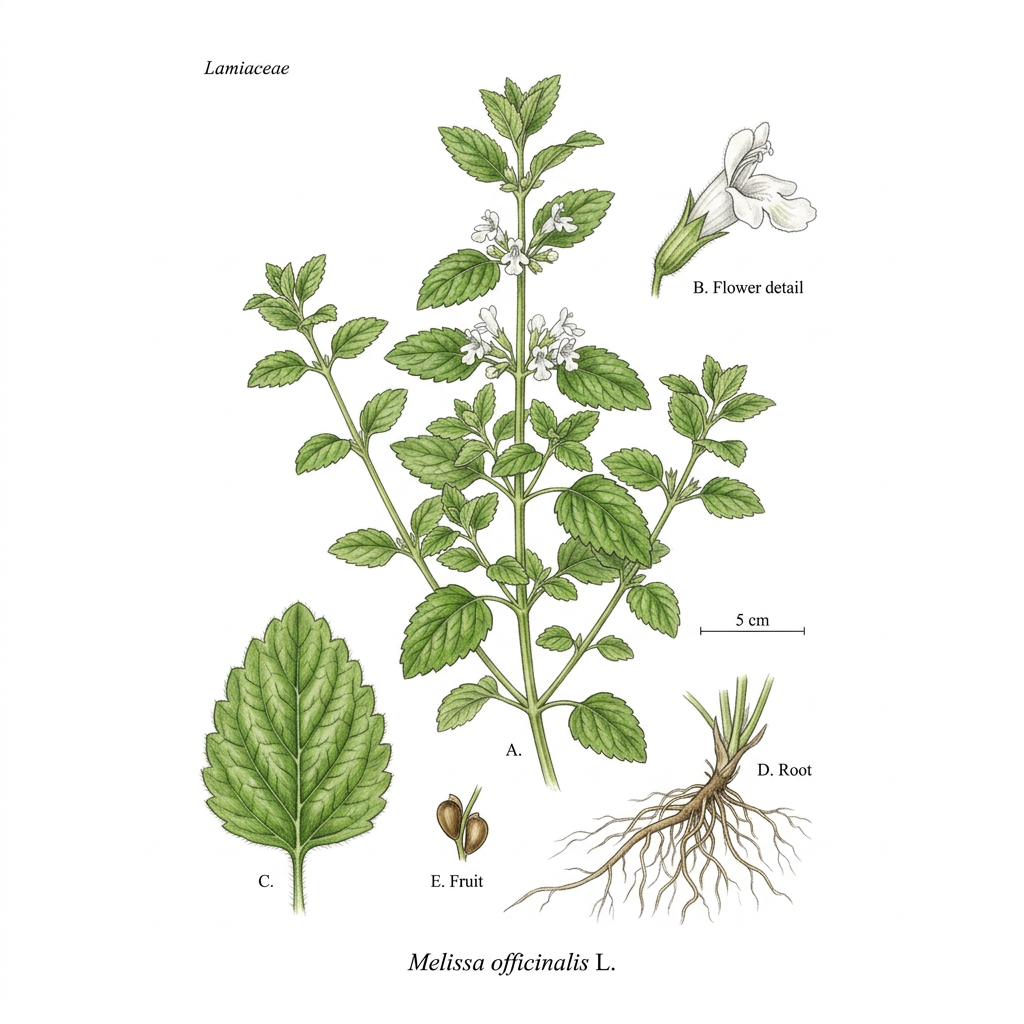
Lemon Balm

Lemon Balm

Melissa officinalis

Mood Improvement
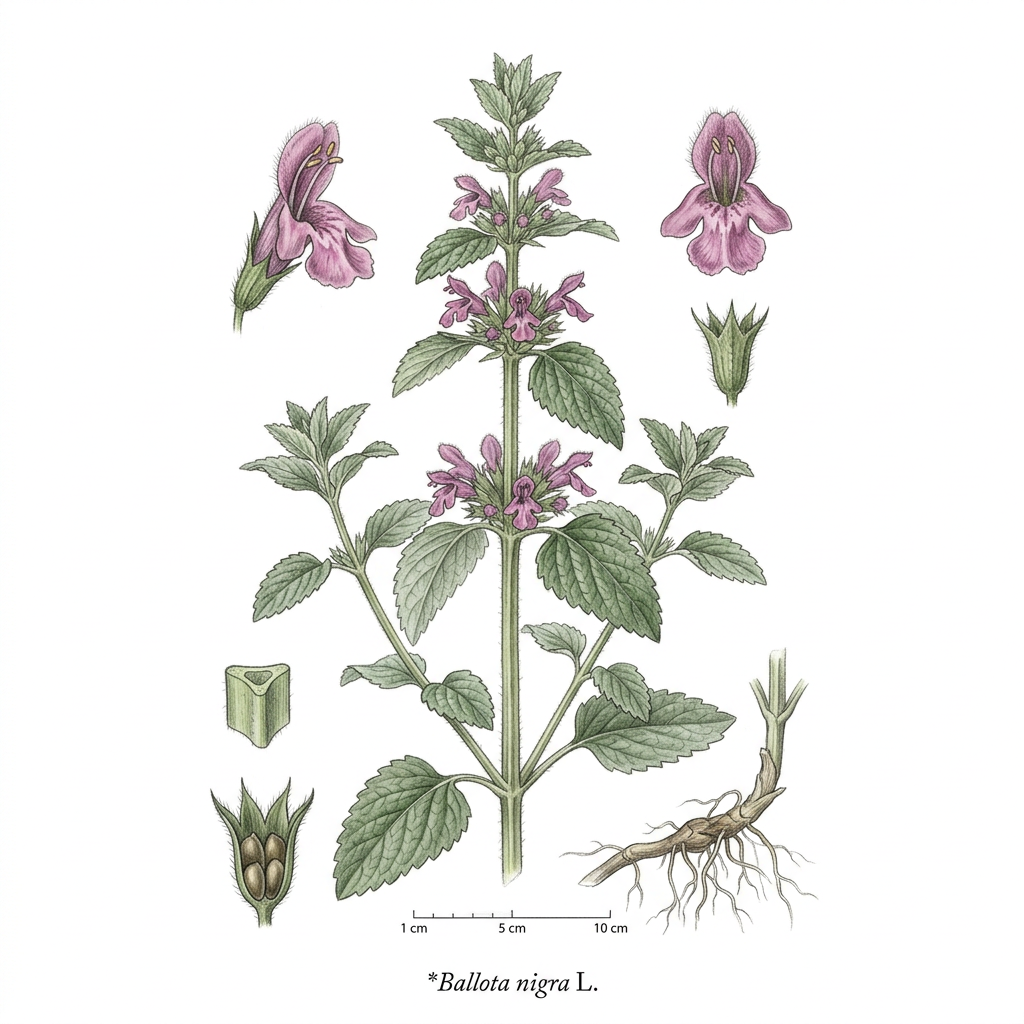
Black Horehound

Black Horehound

Ballota nigra

Digestive Aid
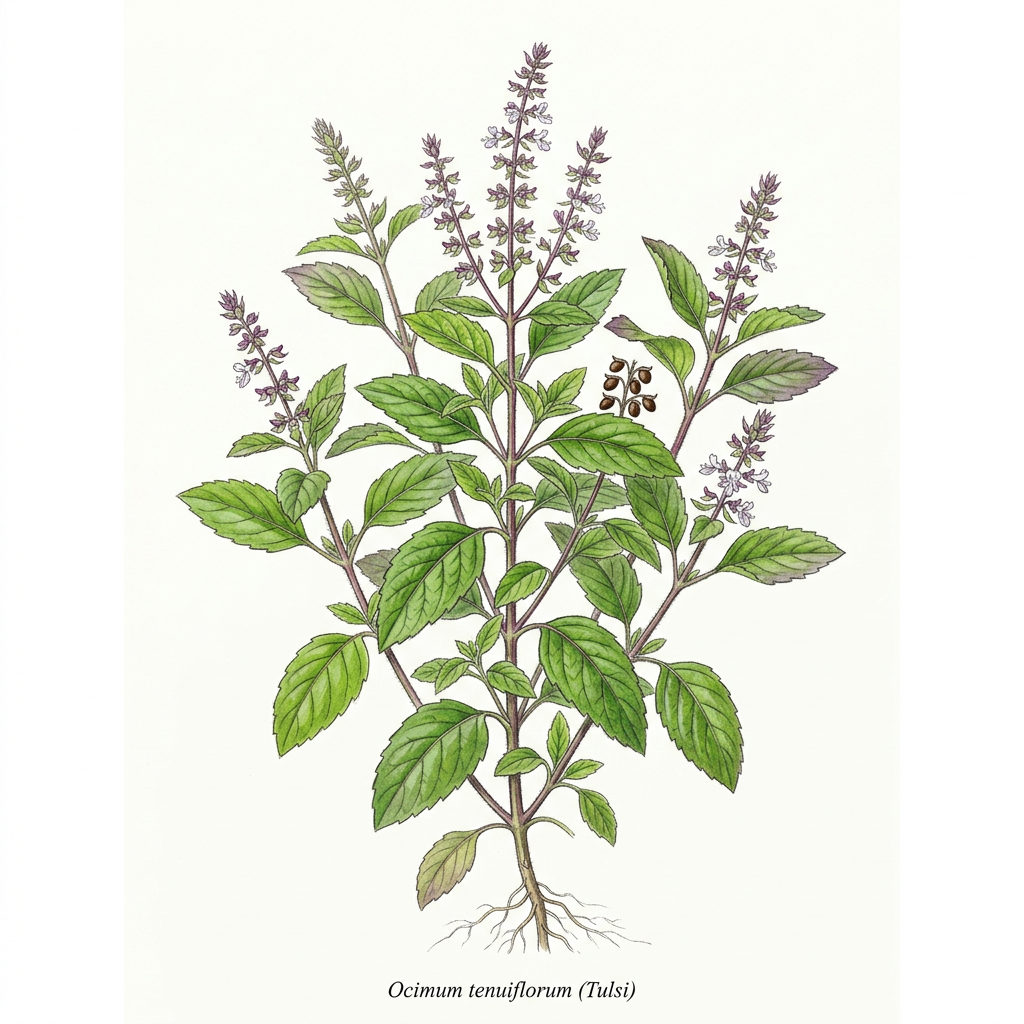
Holy Basil (Tulsi)

Holy Basil (Tulsi)

Ocimum tenuiflorum

Adaptogen