The Wild Sage logo
The Wild Sage Logo

Herbal Medicine at your fingertips

Comprehensive database of herbal remedies with detailed safety information and traditional uses

New to herbal terms? Read the glossary →
ADHD
Abcess
Acid Reflux Relief
Acinetobacter
Acne
Acne Vulgaris
Addisons
Adenomyosis
Adenovirus
Adrenal fatigue
Aging
Aids
Alcaligenes faecalis
Alcoholism
Allergic Rhinitis
Allergies
Allergy
Alopoecia
Alopoecia nervosa
Alzheimer's, Dementia & Cognitive Decline
420 herbs found
Important: This information is for educational purposes only. Always consult with qualified healthcare professionals before using herbal remedies, especially if you have existing health conditions or take medications.
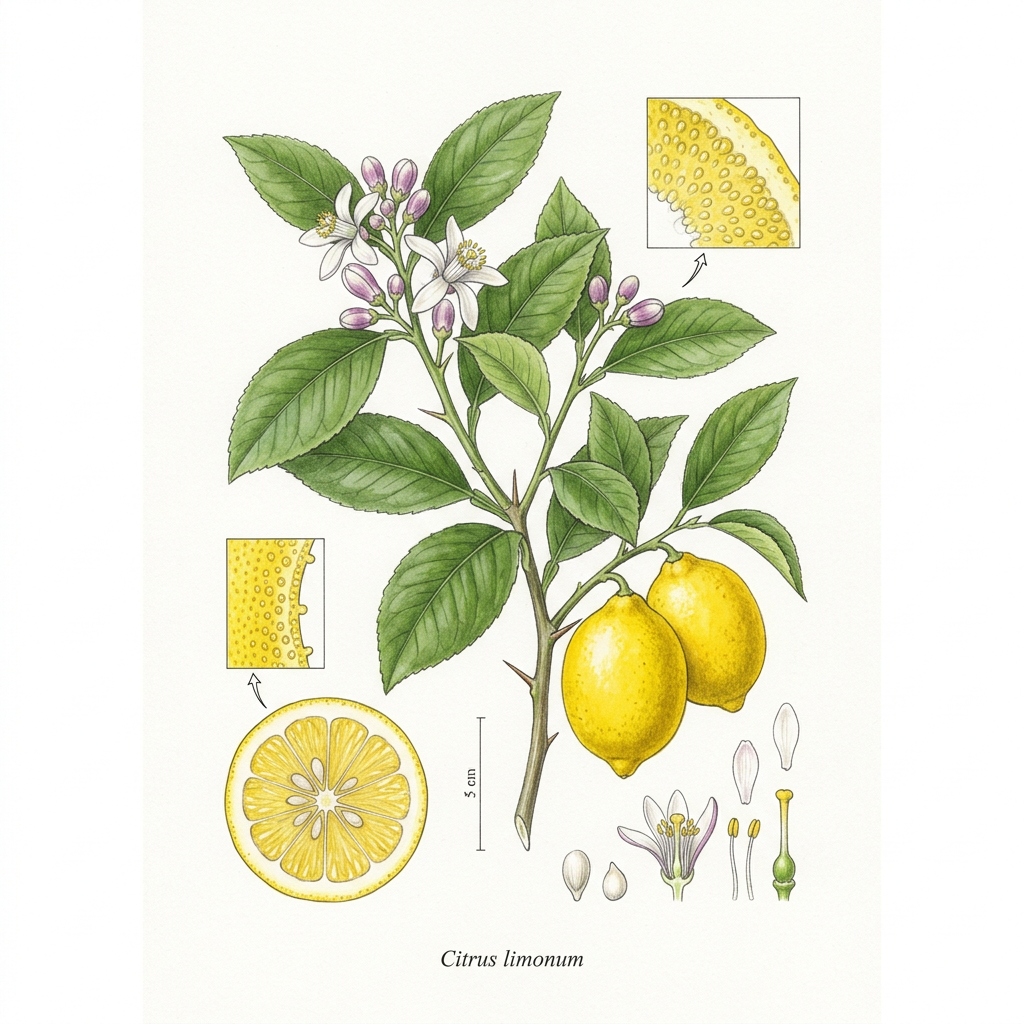
Lemon

Lemon

Citrus limonum

moderate risk Risk
Rutaceae
cooling, bitter and sour
<p>Lemon, scientifically known as Citrus limonum, is a vibrant citrus fruit derived from the evergreen tree native to South Asia and the Mediterranean region. Historically, lemons have been esteemed not only for their zesty flavor but also for their therapeutic properties rooted in traditional herbal medicine. Ancient cultures, particularly in Ayurvedic practices, utilized lemons for their invigorating qualities and health benefits, employing them in detoxifying concoctions and as remedies for digestive ailments. The fruit has traveled through time, becoming a staple in the kitchens and natural apothecaries across the globe, beloved for its versatility and restorative capabilities. The key therapeutic properties of lemon are multifaceted, with significant ramifications for overall health. Renowned for its powerful antioxidant properties, lemon is rich in vitamin C, which plays a critical role in bolstering the immune system, neutralizing free radicals, and promoting skin health. Additionally, lemon has been recognized for its cognitive support, aiding in mental clarity and function, potentially attributable to its capacity to enhance mood and combat fatigue. As a digestive aid, lemon stimulates the production of digestive acids, promoting nutrient absorption and alleviating issues such as indigestion and bloating. The natural acidity of lemon is also believed to support liver function, facilitating detoxification processes and balancing pH levels in the body. The therapeutic benefits of lemon arise from its complex biochemical profile, which includes flavonoids, essential oils, and various phytonutrients. These components contribute to its antioxidant, anti-inflammatory, and antimicrobial actions. When consumed, lemon interacts with enzymatic pathways, enhancing liver detoxification and promoting better digestive health by increasing bile production. Furthermore, the inherent alkalizing effect of lemon juice, despite its acidity, assists in maintaining optimal pH levels within the body, fostering a conducive environment for overall wellbeing. This unique combination of qualities makes lemon a remarkable herb in both culinary and medicinal contexts, helping individuals harness its health benefits effectively and deliciously.</p>

Uses & Conditions

Detoxification
Mood Enhancement
Convalescence
Digestive Disorders
Cognitive Impairment
Gallbladder Disorders
Skin Irritation
Fever
Urinary Health

Actions

Antioxidant
Cognitive Support
Digestive Aid
Cytokine Modulator
Choleretic

Parts Used

Flesh and essential oil

Native Countries

Mediterranean
Asia
Southern Europe.

USDA Hardiness Zones

USDA 9-11

Contraindications

  • Known allergy to citrus fruits or Rutaceae family
  • Avoid applying undiluted essential oil to skin exposed to direct sunlight or UV radiation
  • History of gastro-oesophageal reflux disease (GORD) or gastric ulcers
  • Sensitive tooth enamel

Potential Side Effects

  • Dermatitis following topical use of essential oil
  • Increased sensitivity to sunburn
  • Gastrointestinal discomfort or heartburn

Interactions

  • Photosensitising agents: lemon peel oil may increase sensitivity to sunlight when used topically
  • Anticoagulants and antiplatelets: theoretical risk of increased bleeding due to high vitamin C content
  • CYP3A4 metabolised medications: theoretical interaction with concentrated peel essential oils

Dosages, tincture ratios & research — members only

Unlock Garreth's dosing guidance, tincture ratios, the dosage calculator and the research studies for Lemon.

Your assessment and results stay saved — upgrading only unlocks more of them.

See membership plans

Community Photos

No community photos yet. Sign in to upload photos.

Reviews & Ratings

Sign in to leave a review.

No reviews yet. Be the first!

GF

Garreth Falls — B.Th., Dip. H.M., MNIMH

Content curated and reviewed by Garreth Falls, Consultant Medical Herbalist · The Wild Sage

Medical Disclaimer: This information is for educational purposes only and is not intended as medical advice. Always consult with qualified healthcare professionals before starting any herbal treatment.
Western tradition
Ayurvedic tradition

Sustainability & quality

Cultivated

Extensive commercial production; ensure sources are organic to avoid residual pesticides on the peel.

Key constituents

limonene, citric acid, citrus compounds, Phellandrene, Terpenes, Bergamotine, Cadinene

References

  1. EMA/HMPC Community Herbal Monograph
  2. Herbal Reality. Herb monographs. herbalreality.com

Reviewed by Garreth, Medical Herbalist (MNIMH) · November 2026

Related conditions

Explore conditions where Lemon is traditionally used.

Related Herbs
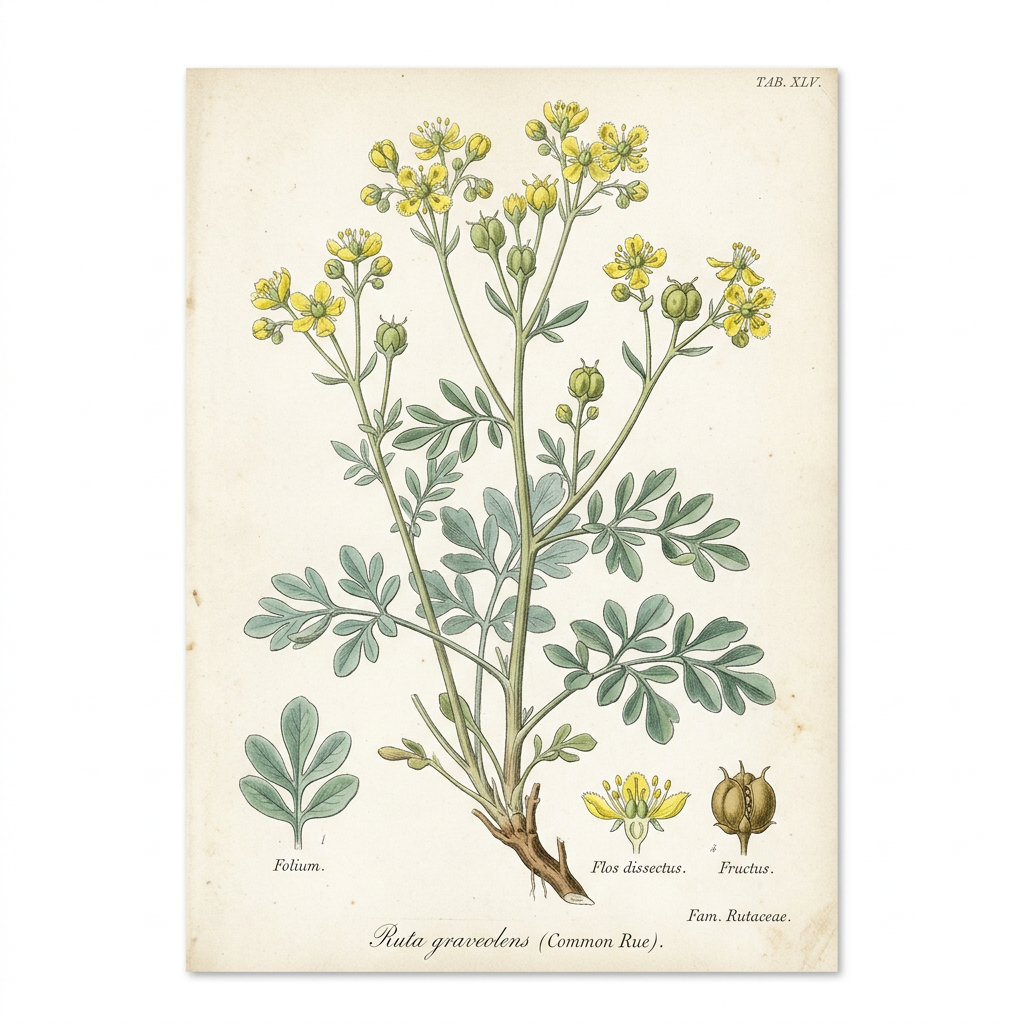
Rue

Rue

Ruta graveolens

Mood Enhancement
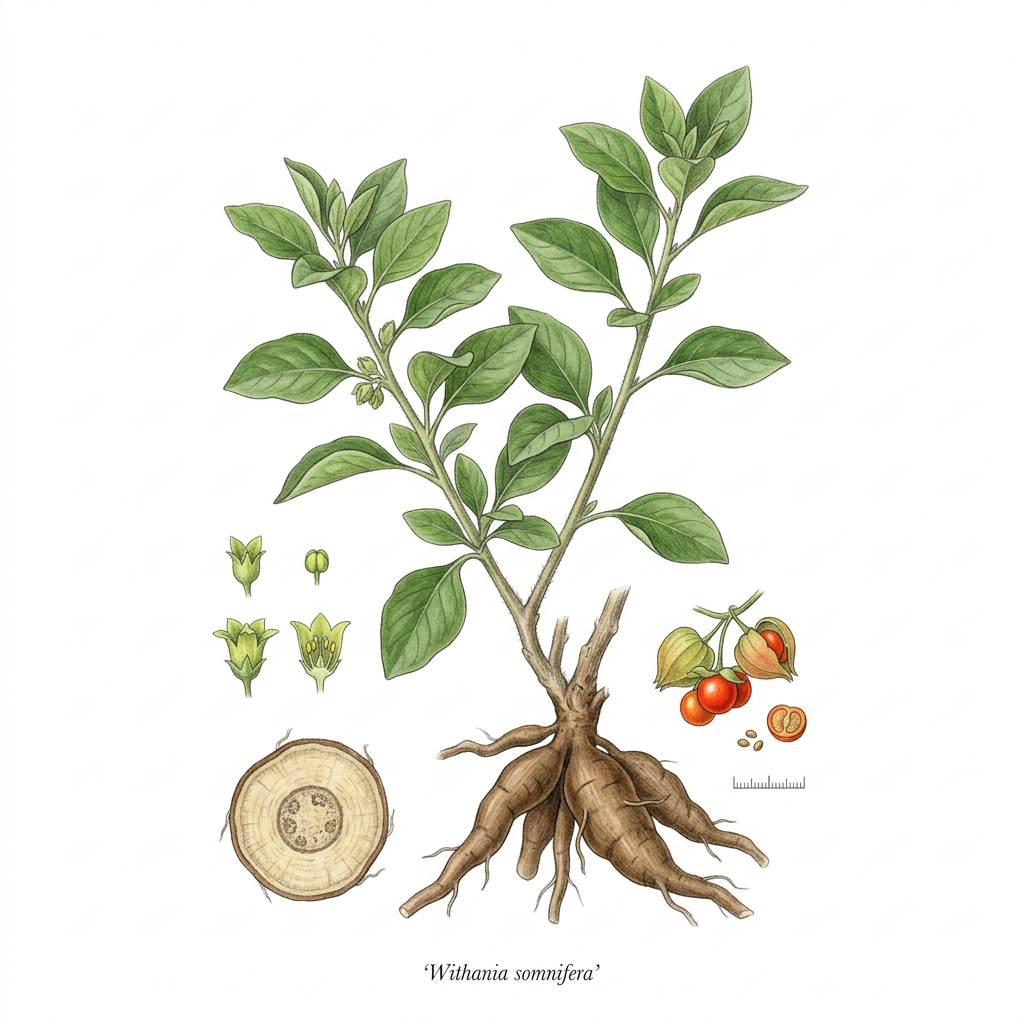
Ashwagandha

Ashwagandha

Withania somnifera

Immune Support
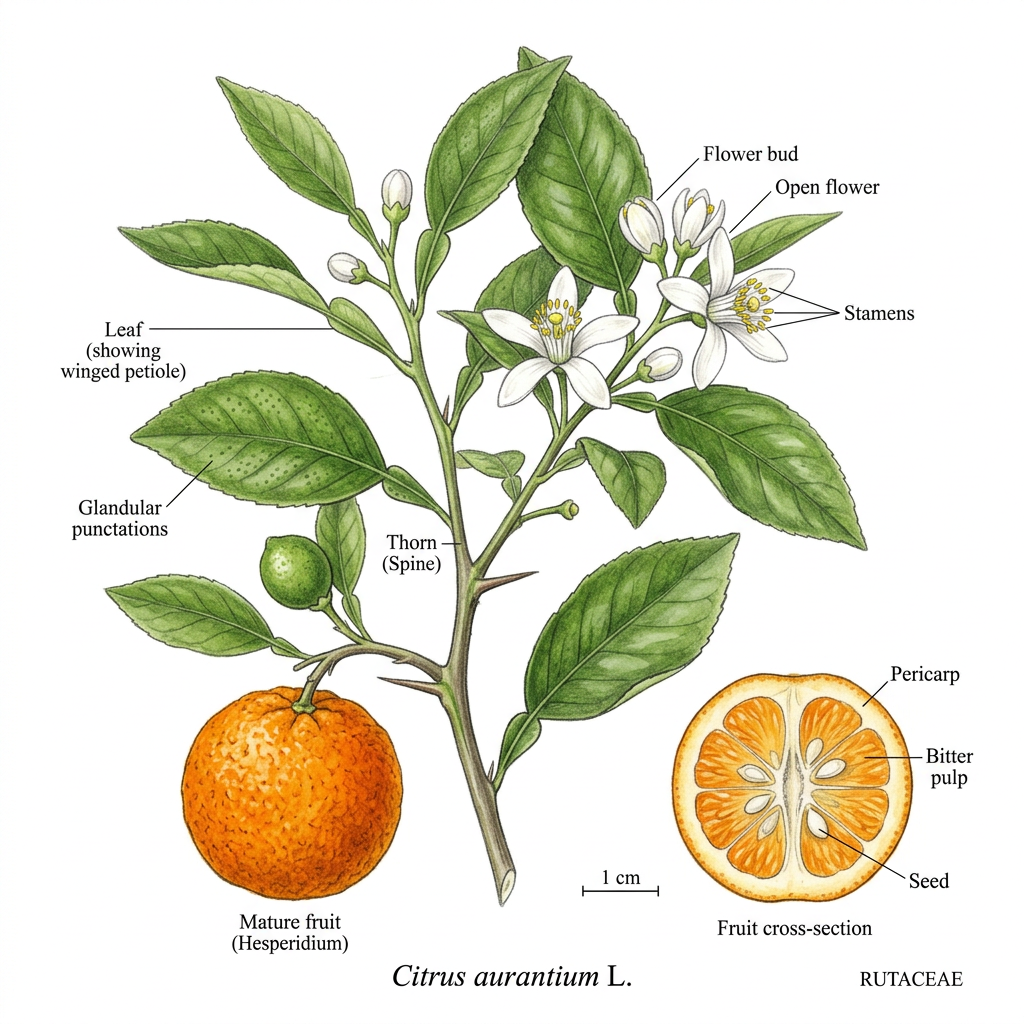
Bitter Orange

Bitter Orange

Citrus aurantium

Digestive Health
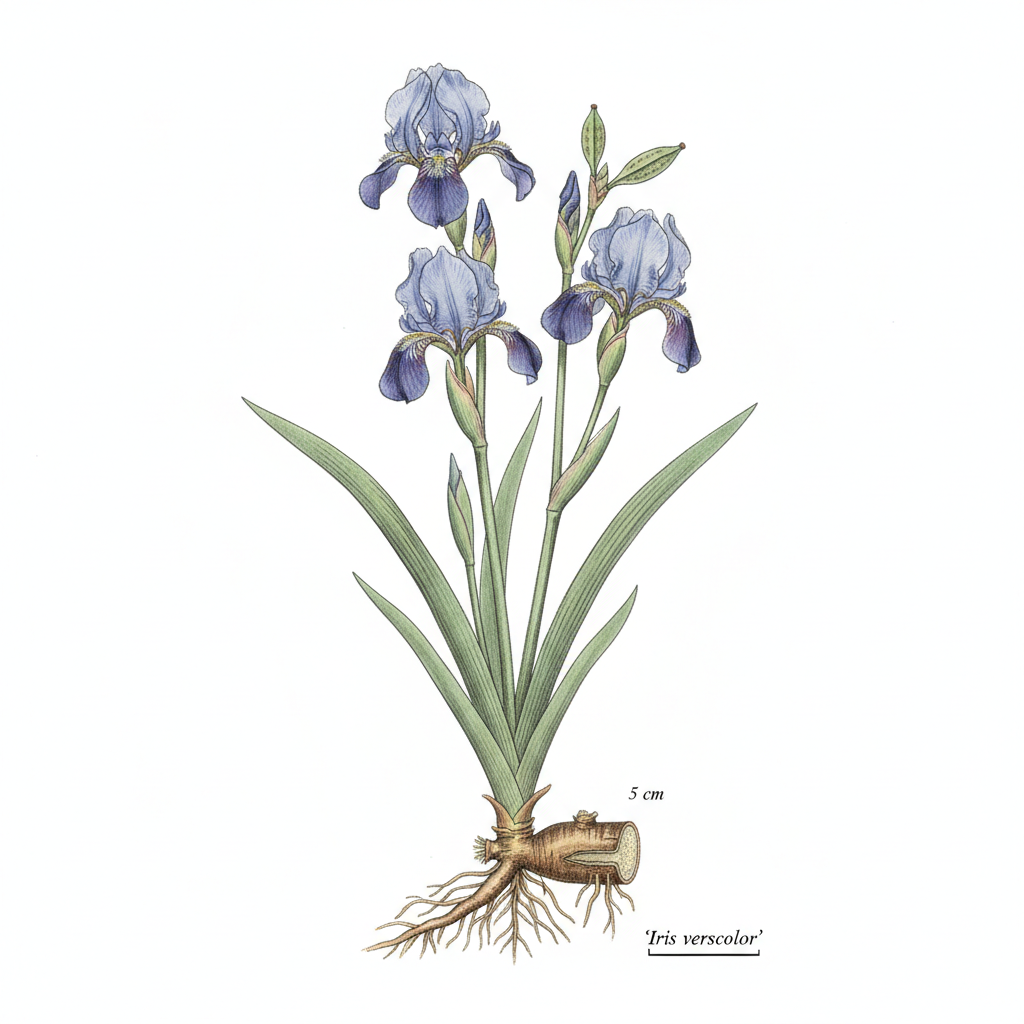
Blue flag

Blue flag

Iris versicolor

Detoxification