

Herbal Medicine at your fingertips
Comprehensive database of herbal remedies with detailed safety information and traditional uses
New to herbal terms? Read the glossary →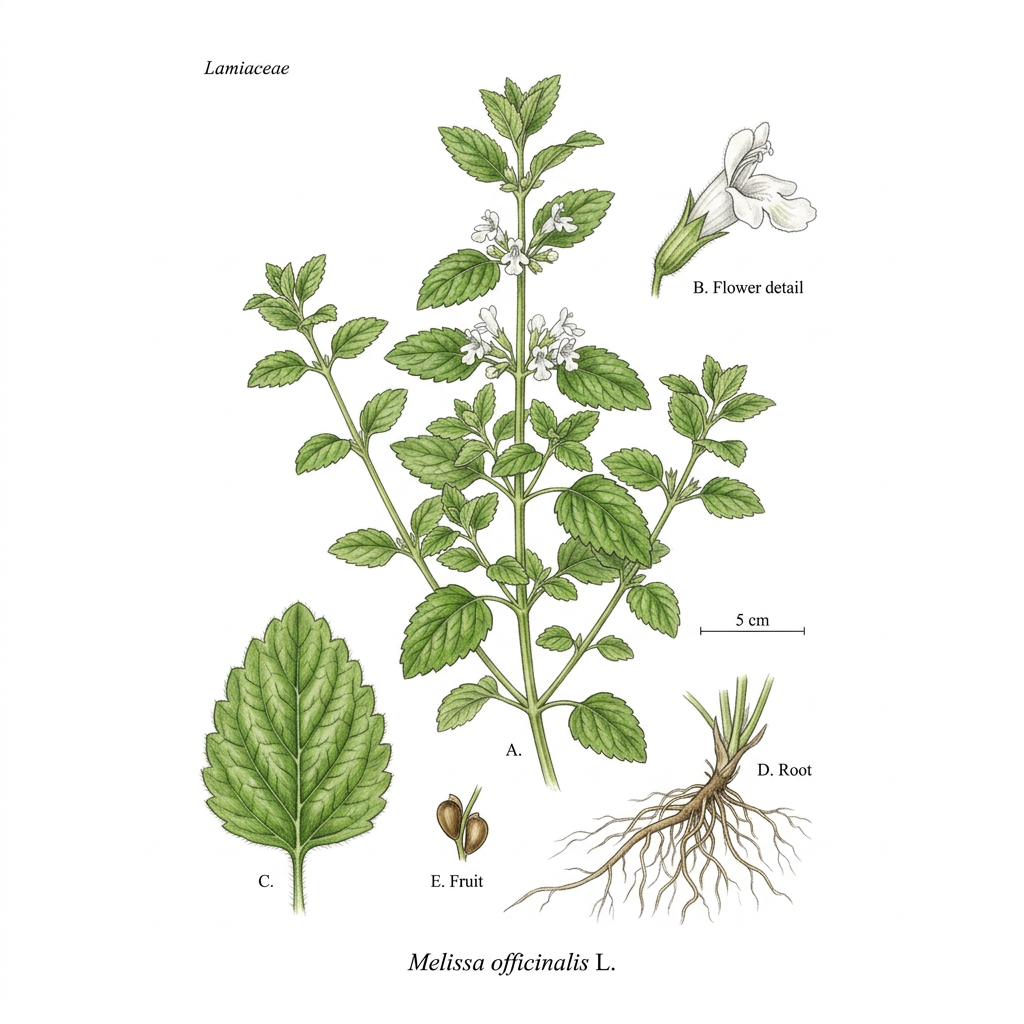
Lemon Balm
Melissa officinalis
Uses & Conditions
Actions
Synonyms
Parts Used
Native Countries
USDA Hardiness Zones
Preparations & Dosage
- Infusion: 1.5-6 g of dried herb in 150ml of boiling water, steeped for 5-15 minutes, taken up to four times daily
- Tincture: 1:5 ratio in 40-45% ethanol, 2-6 ml taken up to three times daily
- Fluid extract: 1:1 ratio in 45% ethanol, 2-4 ml taken up to three times daily
- Capsules: 300-500 mg of dried herb, three times daily
- Topical: cream containing 1% standardised extract applied to affected area up to three times daily
Maximum weekly dose: 100ml of 1:5 tincture
Contraindications
- Hypothyroidism
- Pregnancy and breastfeeding
- Prior to surgery
- Known hypersensitivity to Lamiaceae family plants
Potential Side Effects
- Mild gastrointestinal upset
- Drowsiness or lethargy at high doses
- Skin irritation when applied topically
Interactions
- Thyroid medications
- Sedatives and anxiolytics
- CNS depressants
Dosage Calculator
Community Photos
No community photos yet. Sign in to upload photos.
Scientific Studies & Sources
The effects of lemon balm (Melissa officinalis L.) on depression and anxiety in clinical trials: A systematic review and meta-analysis
Attenuation of laboratory-induced stress in humans after acute administration of Melissa officinalis (Lemon Balm)
Balm mint extract (Lo-701) for topical treatment of recurring herpes labialis
Reviews & Ratings
Sign in to leave a review.
No reviews yet. Be the first!
Garreth Falls — B.Th., Dip. H.M., MNIMH
Content curated and reviewed by Garreth Falls, Consultant Medical Herbalist · The Wild Sage
Sustainability & quality
CultivatedEasily grown in gardens. Potency declines significantly when dried, so fresh material or high-quality extracts are preferred.
Key constituents
Rosmarinic acid, Hydroxycinnamic acid derivatives, Volatile oils (including citronellal and citral), Flavonoids, Triterpenes, Phenolic acids, Polyphenolic compounds
References
- ESCOP Monographs 2nd ed. 2003
- EMA/HMPC Community Herbal Monograph
- British Herbal Pharmacopoeia 1983
- Herbal Reality. Herb monographs. herbalreality.com
Reviewed by Garreth, Medical Herbalist (MNIMH) · November 2026
Related conditions
Explore conditions where Lemon Balm is traditionally used.
Related Herbs
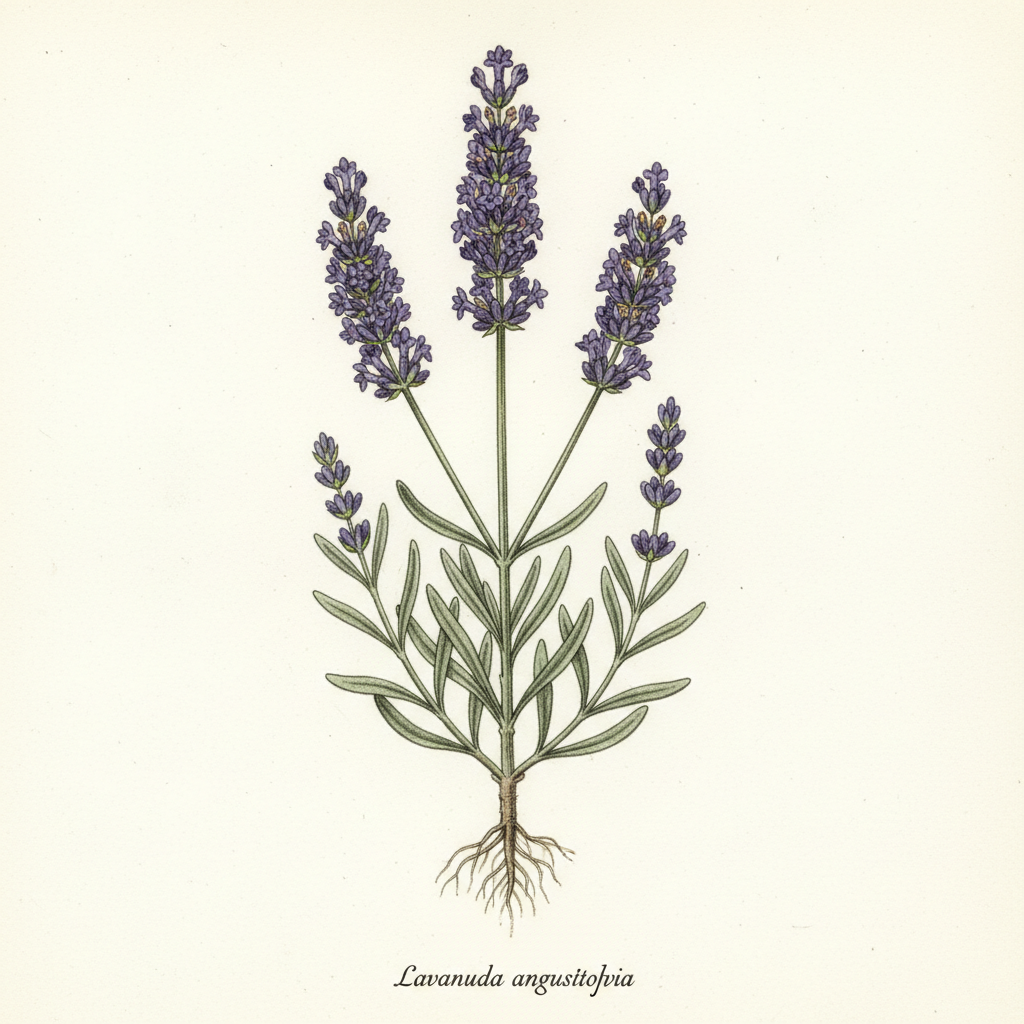
Lavender
Lavandula angustifolia
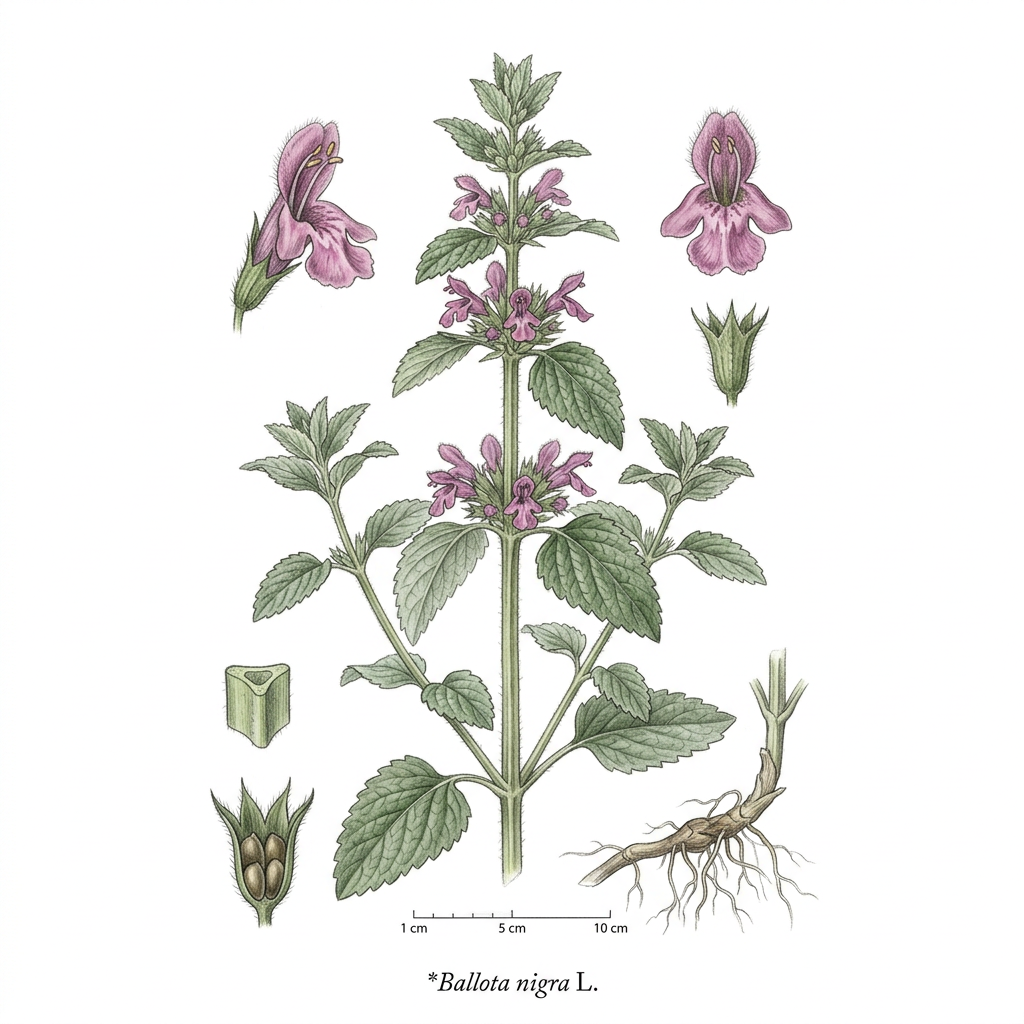
Black Horehound
Ballota nigra
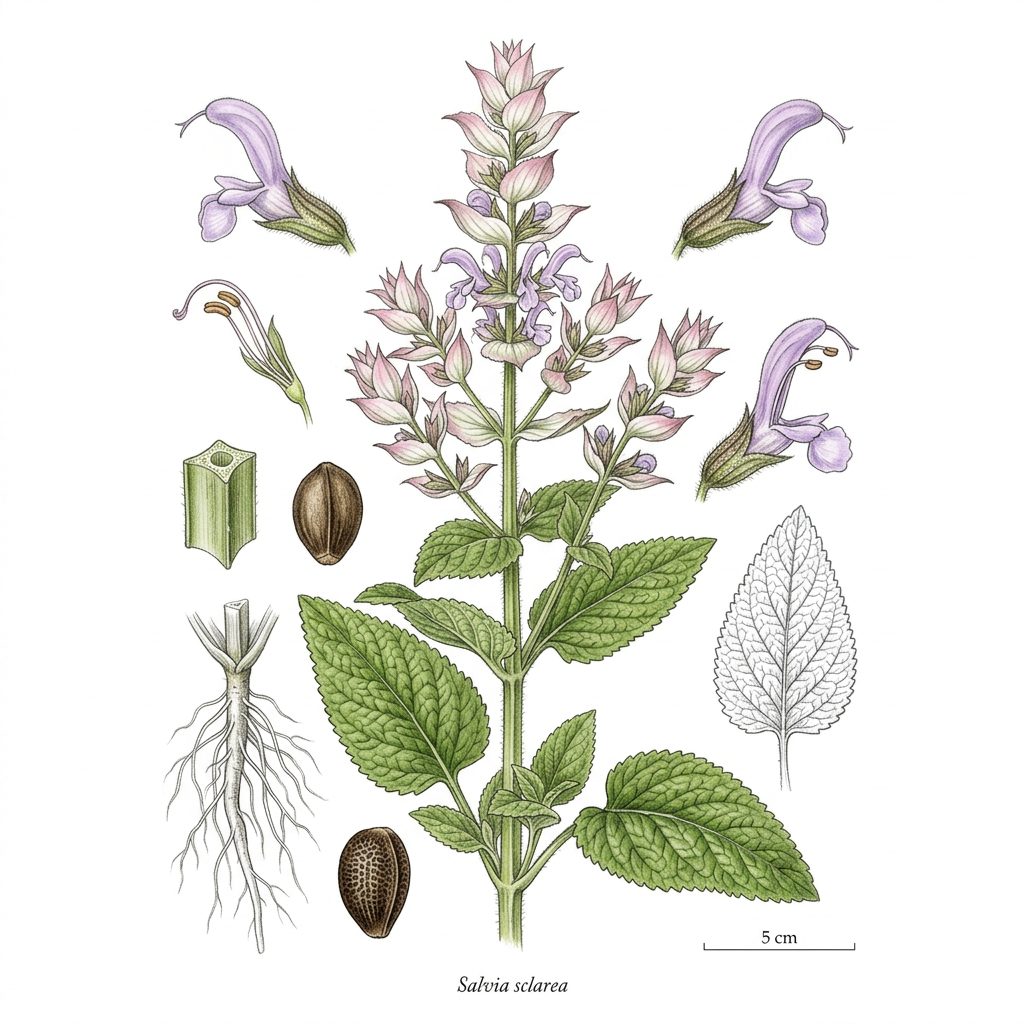
Clary sage
Salvia sclarea
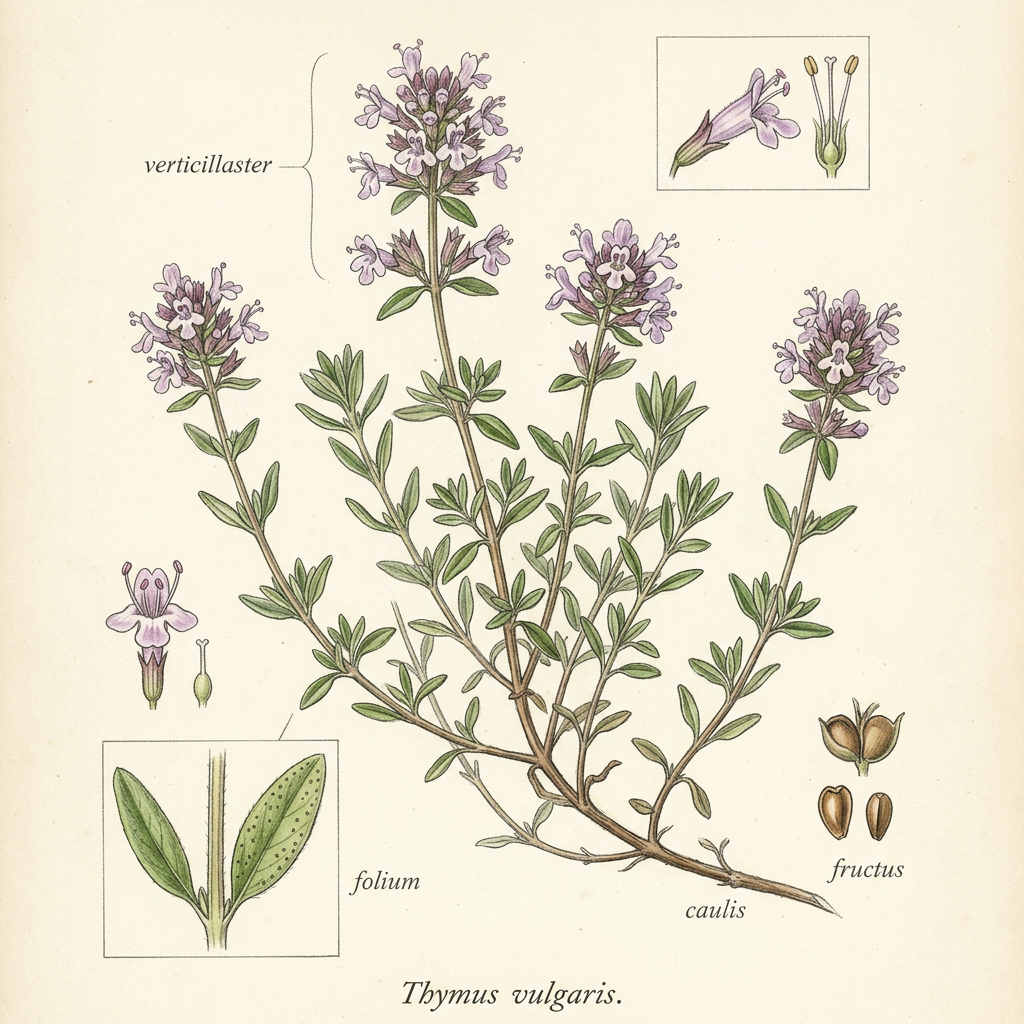
Thyme
Thymus vulgaris