The Wild Sage logo
The Wild Sage Logo

Herbal Medicine at your fingertips

Comprehensive database of herbal remedies with detailed safety information and traditional uses

New to herbal terms? Read the glossary →
ADHD
Abcess
Acid Reflux Relief
Acinetobacter
Acne
Acne Vulgaris
Addisons
Adenomyosis
Adenovirus
Adrenal fatigue
Aging
Aids
Alcaligenes faecalis
Alcoholism
Allergic Rhinitis
Allergies
Allergy
Alopoecia
Alopoecia nervosa
Alzheimer's, Dementia & Cognitive Decline
420 herbs found
Important: This information is for educational purposes only. Always consult with qualified healthcare professionals before using herbal remedies, especially if you have existing health conditions or take medications.
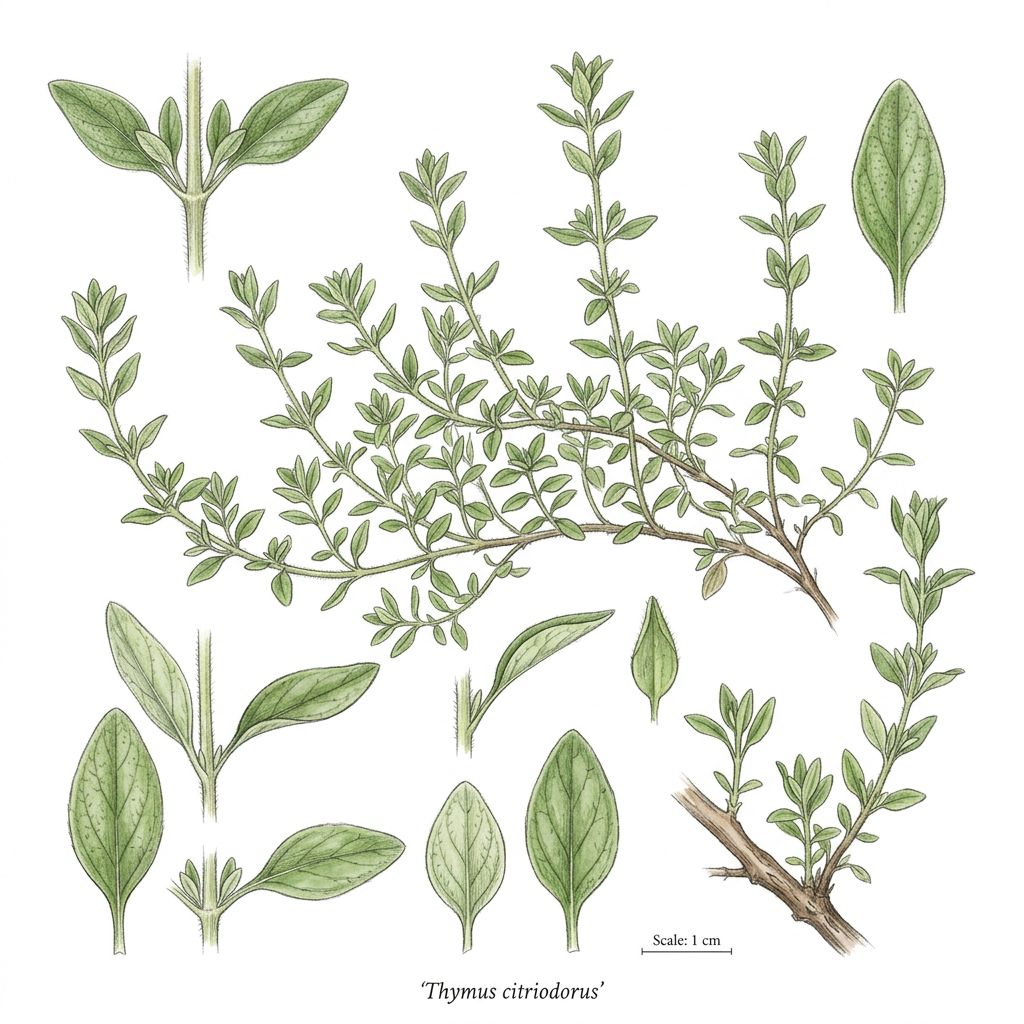
Lemon thyme

Lemon thyme

Thymus citriodorus

low risk Risk
Lamiaceae
Moist, sweet & cooling.
<p>Lemon thyme, scientifically known as Thymus citriodorus, is an aromatic perennial herb belonging to the Lamiaceae family. Characterized by its vibrant green leaves and a delightful citrus fragrance, this herb has been a cherished component of herbal medicine and culinary practices across various cultures for centuries. Historically, lemon thyme has been utilized not only for its flavor but also for its medicinal properties, dating back to ancient Egyptian times where it was valued for its preservative qualities and potential health benefits. In culinary traditions, it enhances a variety of dishes, particularly those involving chicken, fish, and vegetables, making it a staple in Mediterranean cuisine. The therapeutic profile of lemon thyme is robust and diverse, with notable actions that include antimicrobial, relaxant, and digestive aid properties. This herb is rich in essential oils, particularly thymol and carvacrol, which are known for their potent antimicrobial effects, effectively combating harmful bacteria and supporting immune function. Additionally, lemon thyme is celebrated for its calming properties, helping to alleviate stress and promote relaxation. It also aids digestive health by stimulating appetite and relieving mild gastrointestinal discomfort, making it a valuable ally for maintaining overall well-being. When incorporated into one's routine, lemon thyme works synergistically within the body to enhance various physiological functions. Its antimicrobial compounds interact with bacterial membranes, compromising their integrity and preventing the growth of pathogens. The relaxant properties of the herb support the nervous system by modulating neurotransmitter activity, promoting a sense of calm during times of anxiety or stress. Furthermore, its essential oils aid digestion by stimulating digestive enzymes and supporting the proper functioning of the gastrointestinal tract. Whether consumed as a tea, included in culinary dishes, or used in herbal preparations, lemon thyme stands out not only for its delightful flavor but also for its wide-ranging health benefits, making it a valuable herb for both culinary and therapeutic applications.</p>

Uses & Conditions

Appetite stimulant
Gastrointestinal support
Digestive disorders
Dyspepsia
Respiratory infections
Upper respiratory infections
Stress-related disorders
Anxiety disorders
Inflammatory disorders
Muscular congestion

Actions

Antimicrobial
Digestive aid
Relaxant
Anti-inflammatory
Carminative

Parts Used

Aerial parts

Native Countries

Mediterranean

USDA Hardiness Zones

USDA 8-10

Preparations & Dosage

  • Infusion: Steep 1-2 teaspoons of dried herb in 150ml of hot water for 10-15 minutes; consume up to three times daily
  • Tincture: 1:5 ratio in 40% ethanol; 2-6ml taken three times daily
  • Topical oil: Diluted essential oil or infused oil applied to affected area
  • Steam inhalation: Add 1-2 teaspoons of dried herb to a bowl of steaming water; cover head with a towel and inhale vapour for 5-10 minutes

Contraindications

  • Pregnancy: avoid therapeutic doses due to lack of safety data and potential for uterine stimulation
  • Breastfeeding: avoid excessive consumption as safety has not been established
  • Known hypersensitivity to Lamiaceae family plants
  • Significant gastrointestinal inflammation or peptic ulcers
  • Surgical procedures: discontinue use at least two weeks prior to elective surgery due to potential coagulation effects

Potential Side Effects

  • Occasional mild gastrointestinal upset or gastric irritation
  • Topical contact dermatitis in sensitive individuals
  • Allergic reactions including skin rashes or respiratory distress

Interactions

  • Anticoagulant and antiplatelet medications: potential for increased bleeding risk
  • Sedative medications: may have an additive effect when combined with CNS depressants
  • Iron supplements: high tannin content may reduce bioavailability if taken concurrently

Dosage Calculator

Community Photos

No community photos yet. Sign in to upload photos.

Reviews & Ratings

Sign in to leave a review.

No reviews yet. Be the first!

GF

Garreth Falls — B.Th., Dip. H.M., MNIMH

Content curated and reviewed by Garreth Falls, Consultant Medical Herbalist · The Wild Sage

Medical Disclaimer: This information is for educational purposes only and is not intended as medical advice. Always consult with qualified healthcare professionals before starting any herbal treatment.
Western tradition

Sustainability & quality

Abundant

Easily grown in garden settings; ensure correct cultivar for potency.

Key constituents

Thymol, Carvacrol, Geraniol, Linalool, Limonene, Flavonoids, Rosmarinic acid, Tannins

References

  1. Herbal Reality. Herb monographs. herbalreality.com

Reviewed by Garreth, Medical Herbalist (MNIMH) · November 2026

Related conditions

Explore conditions where Lemon thyme is traditionally used.

Related Herbs
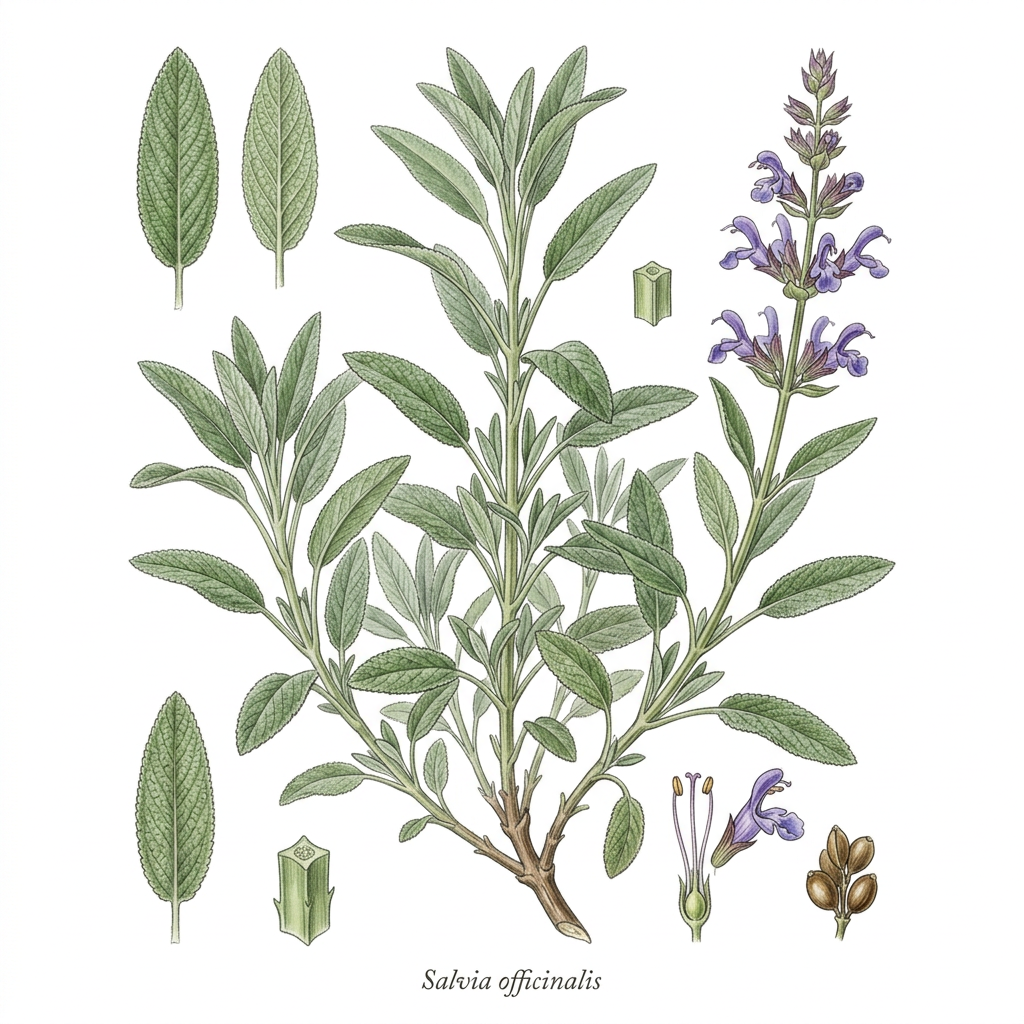
Sage

Sage

Salvia officinalis

Antioxidant Support
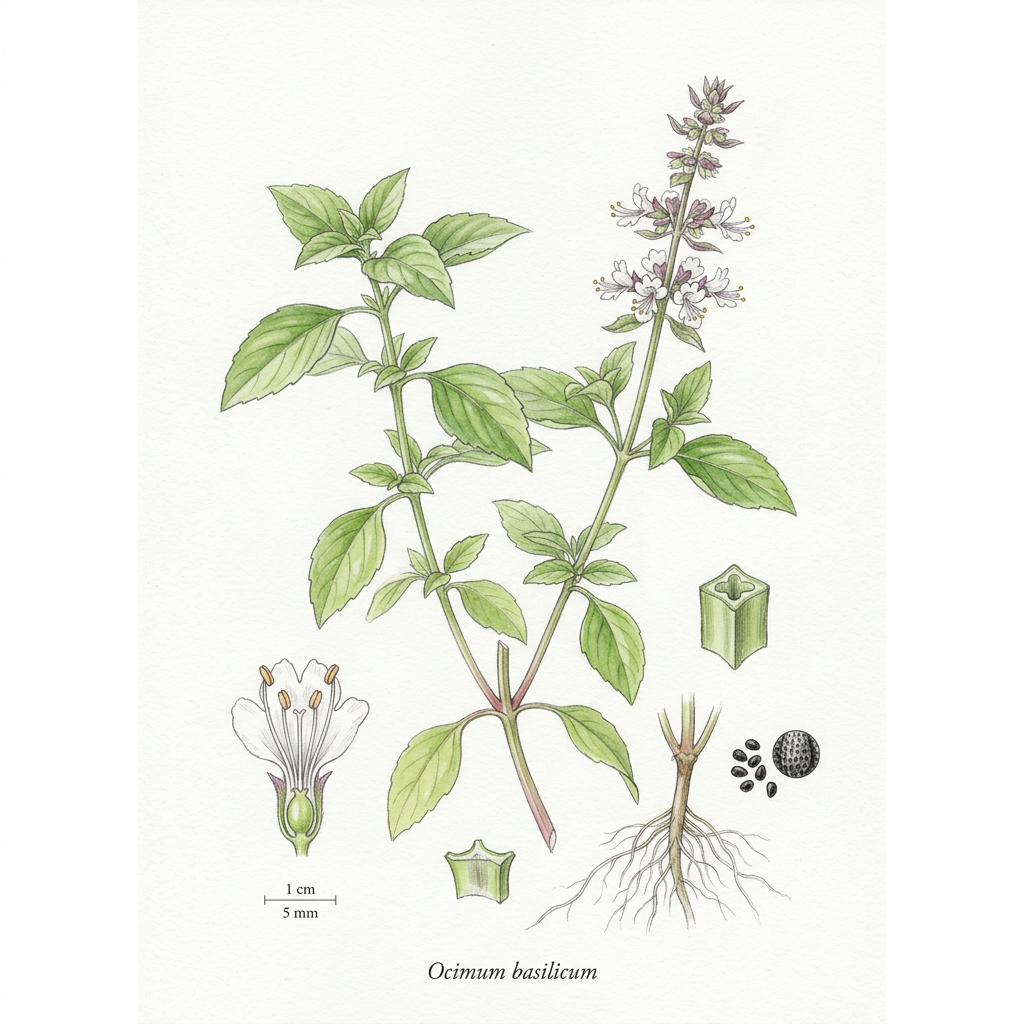
Basil

Basil

Ocimum basilicum

Convalescence
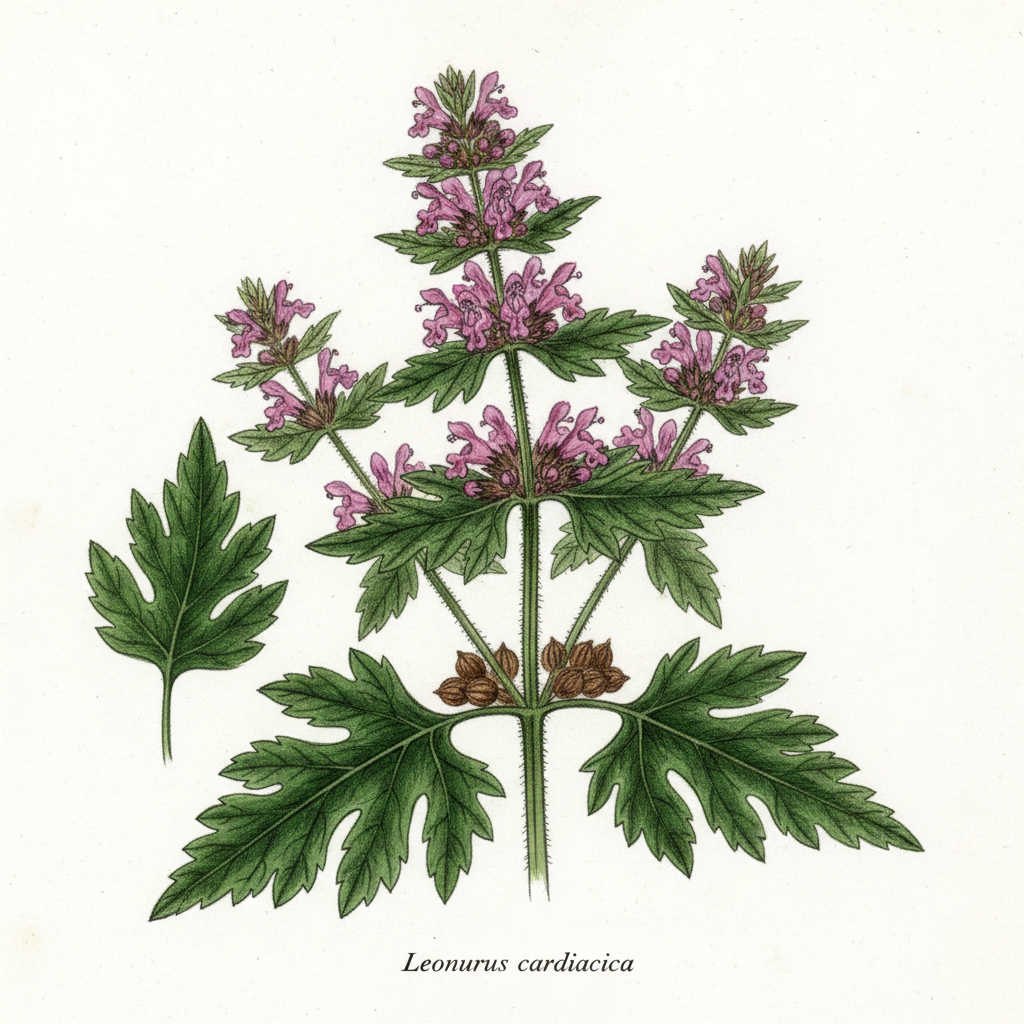
Motherwort

Motherwort

Leonurus cardiaca

Emotional Balance
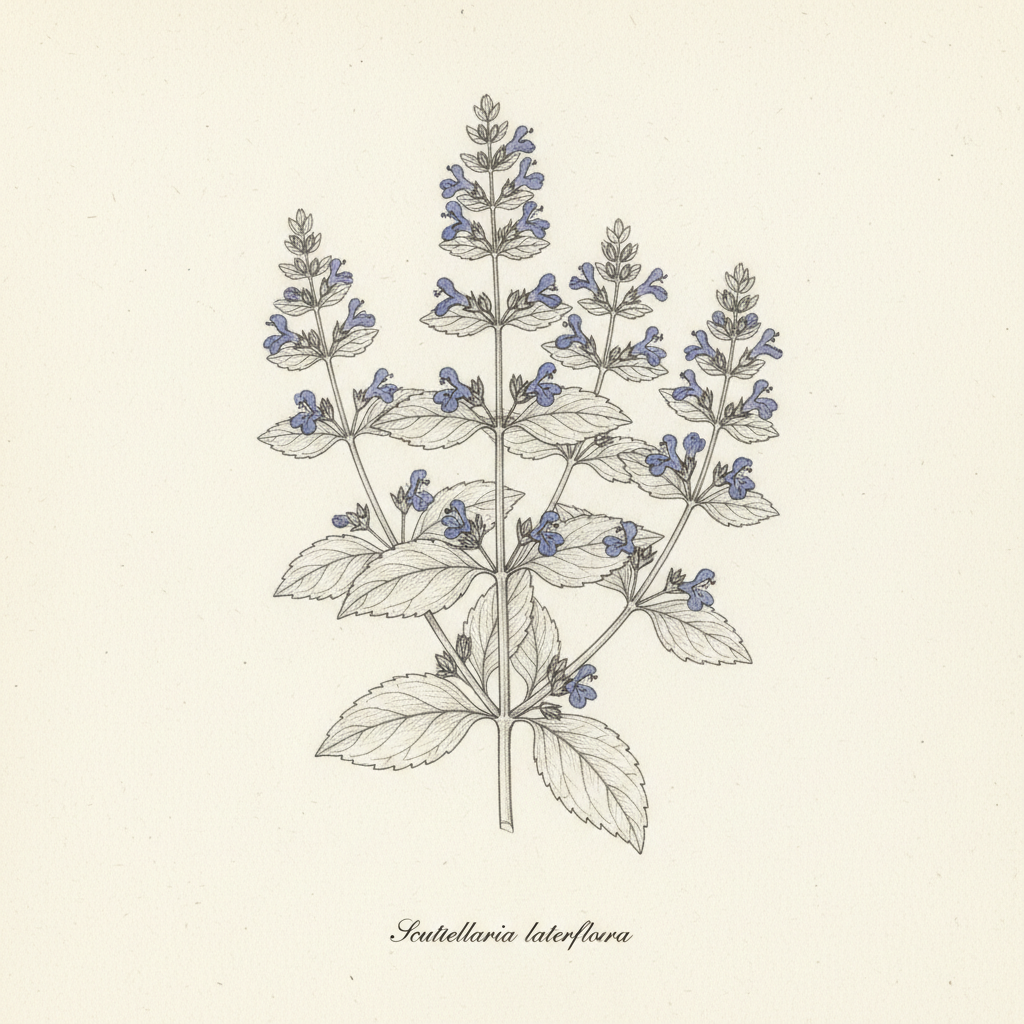
Skullcap

Skullcap

Scutellaria lateriflora

Nervous System Support