The Wild Sage logo
The Wild Sage Logo

Herbal Medicine at your fingertips

Comprehensive database of herbal remedies with detailed safety information and traditional uses

New to herbal terms? Read the glossary →
ADHD
Abcess
Acid Reflux Relief
Acinetobacter
Acne
Acne Vulgaris
Addisons
Adenomyosis
Adenovirus
Adrenal fatigue
Aging
Aids
Alcaligenes faecalis
Alcoholism
Allergic Rhinitis
Allergies
Allergy
Alopoecia
Alopoecia nervosa
Alzheimer's, Dementia & Cognitive Decline
420 herbs found
Important: This information is for educational purposes only. Always consult with qualified healthcare professionals before using herbal remedies, especially if you have existing health conditions or take medications.
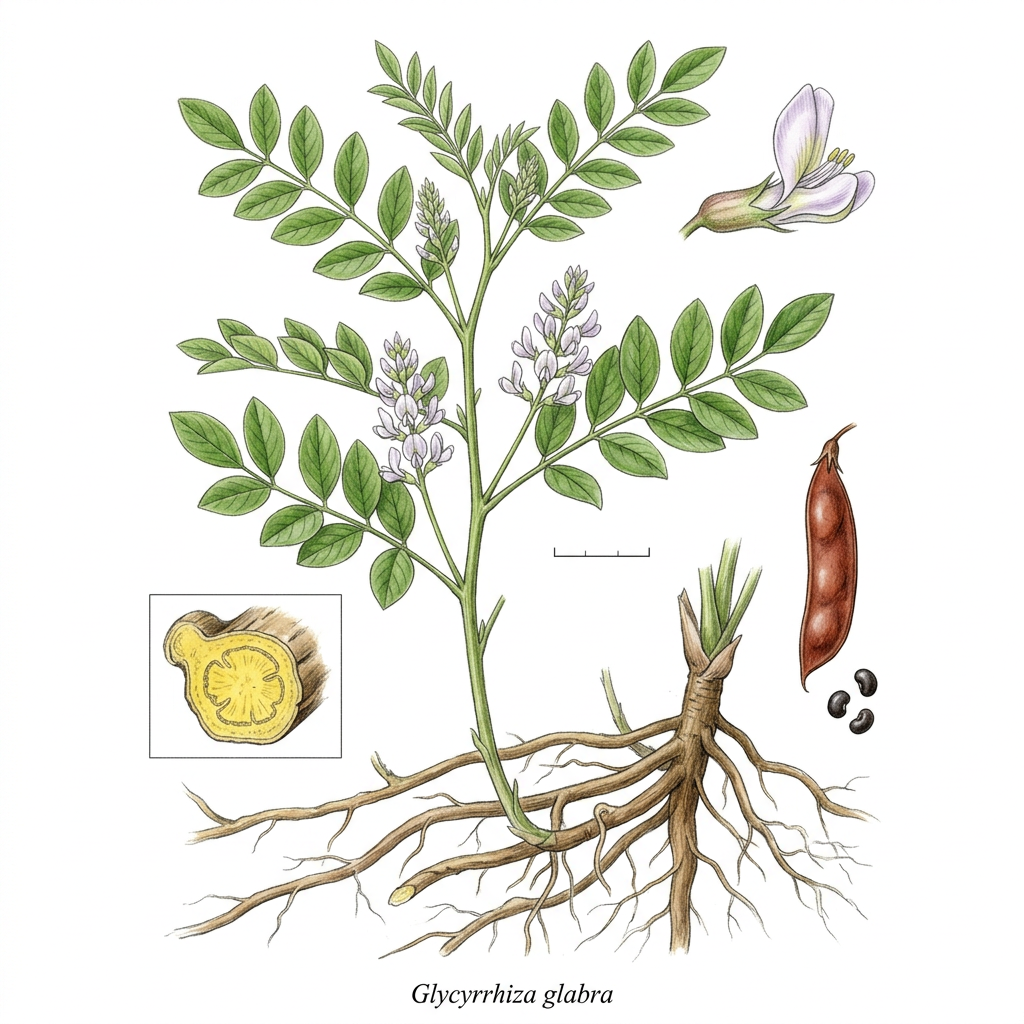
Licorice

Licorice

Glycyrrhiza glabra

moderate risk Risk
Fabaceae
Known for its harmonizing and soothing qualities, it is often associated with calming the mind and supporting emotional well-being.
<p>Licorice, scientifically known as Glycyrrhiza glabra, is a perennial herb native to Europe and Asia, well-regarded for its sweet-tasting root that has played a significant role in traditional medicine for centuries. Historically, licorice has been utilized in various cultures, from ancient Egypt, where it was used to flavor drinks and for its medicinal properties, to traditional Chinese medicine, where it is prized for its ability to harmonize other herbs in formulas. Its name is derived from the Greek word "glycyrrhiza," which translates to "sweet root," highlighting its characteristic sweetness. Beyond its culinary contributions, licorice has been an essential component in herbal remedies aimed at alleviating respiratory and digestive ailments, showcasing its versatility and enduring relevance in herbal practice. Licorice is celebrated for its array of therapeutic properties, functioning as an adaptogen, anti-inflammatory agent, and soothing demulcent. The root contains glycyrrhizin, a compound known for its potential to support adrenal function and promote balance within the body’s stress response system. This adaptogenic quality enhances the body’s resilience to stressors, making it a valuable ally in modern life. Additionally, licorice’s anti-inflammatory and demulcent properties make it an effective remedy for digestive healing and respiratory support, often employed to soothe coughs and ease sore throats by creating a protective coating on mucous membranes. Its versatility extends into gastrointestinal health, where it may assist in alleviating symptoms of gastritis and peptic ulcers. The therapeutic actions of licorice are primarily attributed to its bioactive constituents. Glycyrrhizin has been shown to inhibit the enzyme 11β-hydroxysteroid dehydrogenase type 2, which plays a role in cortisol metabolism, thereby promoting increased cortisol availability in the body. This mechanism supports adrenal function, particularly in individuals facing chronic stress. Additionally, licorice exerts an anti-inflammatory effect by modulating the immune response, making it beneficial for conditions characterized by inflammation. Its demulcent action is derived from the mucilage content, which coats and soothes irritated tissues in the gut and respiratory tract, facilitating comfort and healing. Overall, licorice stands out as a powerful herbal ally, blending history, flavor, and therapeutic potential into a single, remarkably versatile root.</p>

Uses & Conditions

Adrenal support
Digestive healing
Respiratory support
Hormonal balancing
Convalescence
Addison's disease
Adrenal fatigue
Androgen excess
Asthma
Bronchitis
Candida
Chronic fatigue
Cirrhosis
Cough
Cystitis
Dermatitis
Digestive issues
Dizziness
Endometriosis
Eosinophilic Oesophagitis
Gastroparesis
Herpes Simplex Virus
Hormone imbalance
Human Papillomavirus
Hypotension
Hypothyroidism
Interstitial cystitis
Leaky gut
PCOS
Stomach ulcers
Stress
Tendinitis and Bursitis

Actions

Hypertensive
Hormonal balancing
Phytosterolic

Synonyms

Liquorice
Licorice

Parts Used

Roots

Native Countries

Asia
Europe
Mediterranean

USDA Hardiness Zones

USDA 3-9

Contraindications

  • High blood pressure
  • Pregnancy
  • Oedema
  • Fluid retention
  • Spironolactone use
  • Amiloride use
  • MAOI medication use
  • Cardiac glycoside use
  • Loop diuretic use
  • Thiazide diuretic use

Potential Side Effects

  • Pseudohyperaldosteronism
  • Hypertension
  • Secondary hypokalaemia
  • Muscle weakness
  • Cardiac arrhythmias

Interactions

  • Diuretics: potential for enhanced potassium depletion
  • Corticosteroids: may potentiate glucocorticoid effects
  • Antihypertensive medication: may antagonise blood pressure lowering effects
  • Digoxin: increased risk of cardiac glycoside toxicity
  • Oral contraceptives: may exacerbate blood pressure elevation

Dosages, tincture ratios & research — members only

Unlock Garreth's dosing guidance, tincture ratios, the dosage calculator and the research studies for Licorice.

Your assessment and results stay saved — upgrading only unlocks more of them.

See membership plans

Community Photos

No community photos yet. Sign in to upload photos.

Reviews & Ratings

Sign in to leave a review.

No reviews yet. Be the first!

GF

Garreth Falls — B.Th., Dip. H.M., MNIMH

Content curated and reviewed by Garreth Falls, Consultant Medical Herbalist · The Wild Sage

Medical Disclaimer: This information is for educational purposes only and is not intended as medical advice. Always consult with qualified healthcare professionals before starting any herbal treatment.
Western tradition
Chinese tradition
Ayurvedic tradition

Sustainability & quality

Cultivated

Widely cultivated across Europe and Asia. Ensure ethical sourcing to avoid concerns regarding child labour or poor working conditions in some supply chains.

Key constituents

Glycyrrhizin, flavonoids, amino acids, Starch, Sugar, Acetylenic compounds, Triterpenes, Volatile Oils, linnalool, Fenchone, fufuryl, Benzaldehyde, Coumarin, Glycyrrizin

References

  1. Bone & Mills "Principles and Practice of Phytotherapy" 2nd ed. 2013
  2. Bensky "Chinese Herbal Medicine: Materia Medica" 3rd ed. 2004
  3. Pole "Ayurvedic Medicine" 2006
  4. Herbal Reality. Herb monographs. herbalreality.com

Reviewed by Garreth, Medical Herbalist (MNIMH) · November 2026

Related conditions

Explore conditions where Licorice is traditionally used.

Related Herbs
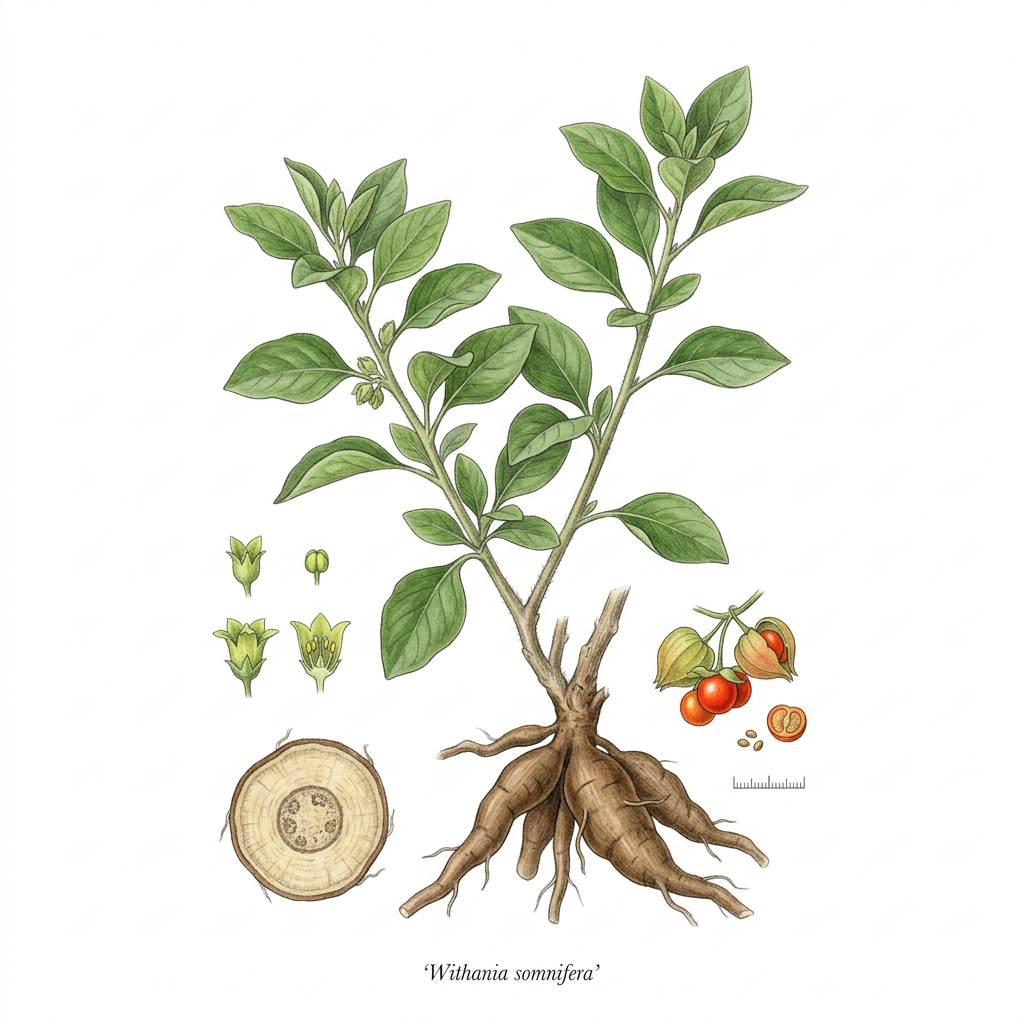
Ashwagandha

Ashwagandha

Withania somnifera

Immune Support
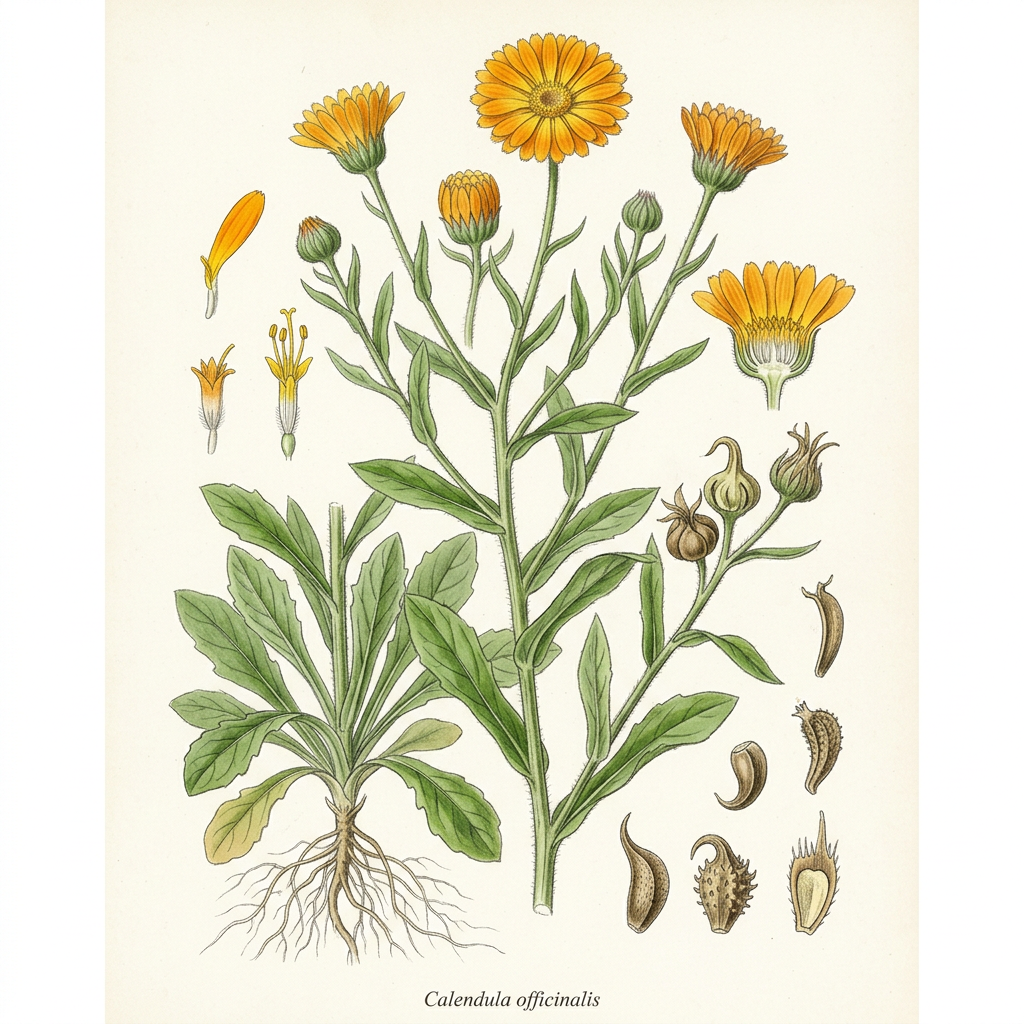
Marigold

Marigold

Calendula officinalis

Lymphatic Support
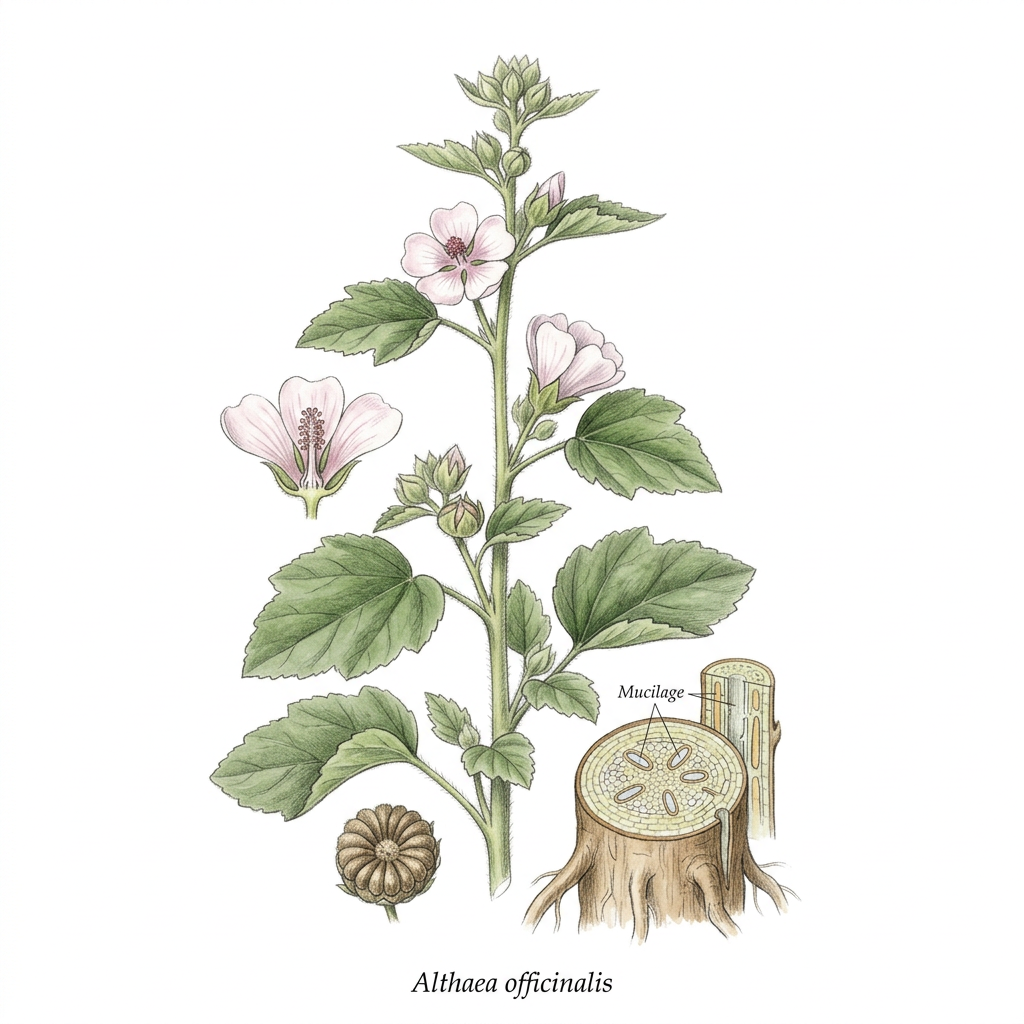
Marshmallow

Marshmallow

Althaea officinalis

Digestive Aid
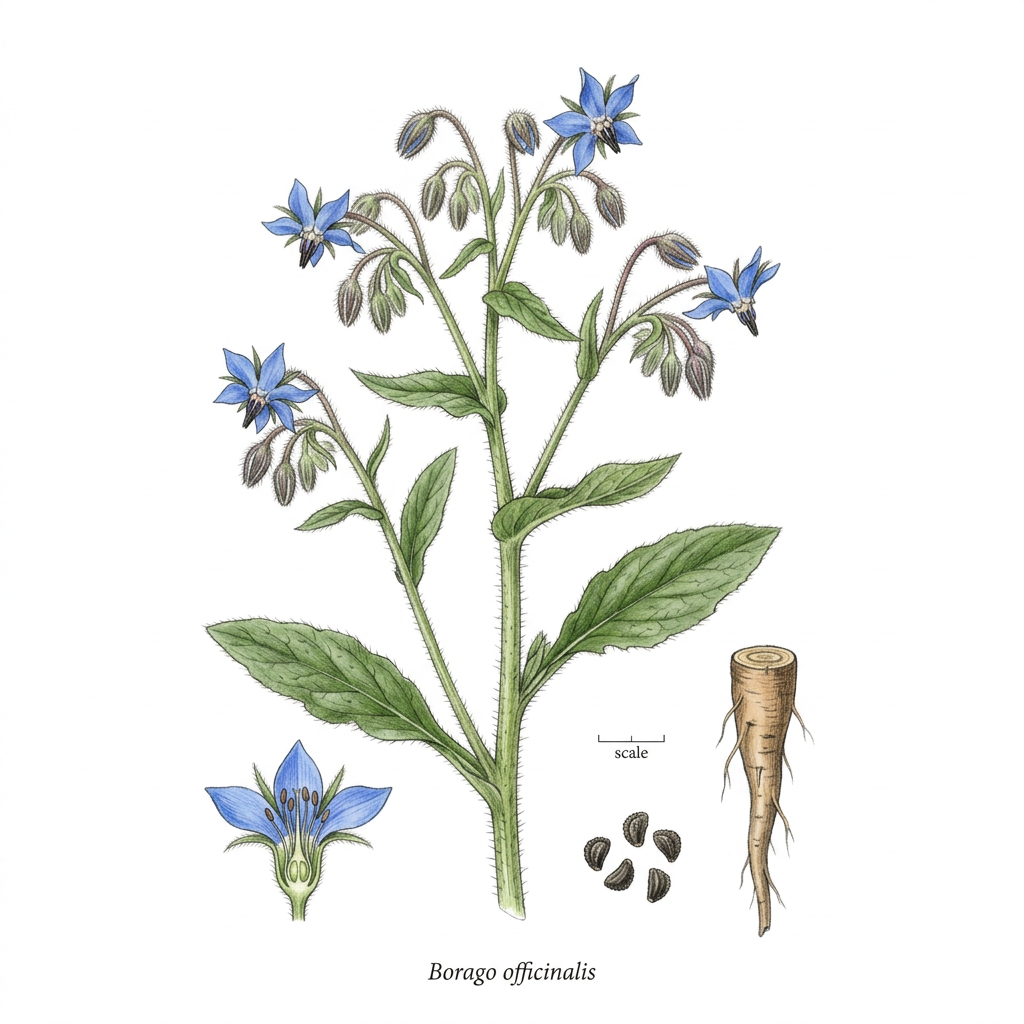
Borage

Borage

Borago officinalis

Emotional Resilience