The Wild Sage logo
The Wild Sage Logo

Herbal Medicine at your fingertips

Comprehensive database of herbal remedies with detailed safety information and traditional uses

New to herbal terms? Read the glossary →
ADHD
Abcess
Acid Reflux Relief
Acinetobacter
Acne
Acne Vulgaris
Addisons
Adenomyosis
Adenovirus
Adrenal fatigue
Aging
Aids
Alcaligenes faecalis
Alcoholism
Allergic Rhinitis
Allergies
Allergy
Alopoecia
Alopoecia nervosa
Alzheimer's, Dementia & Cognitive Decline
420 herbs found
Important: This information is for educational purposes only. Always consult with qualified healthcare professionals before using herbal remedies, especially if you have existing health conditions or take medications.
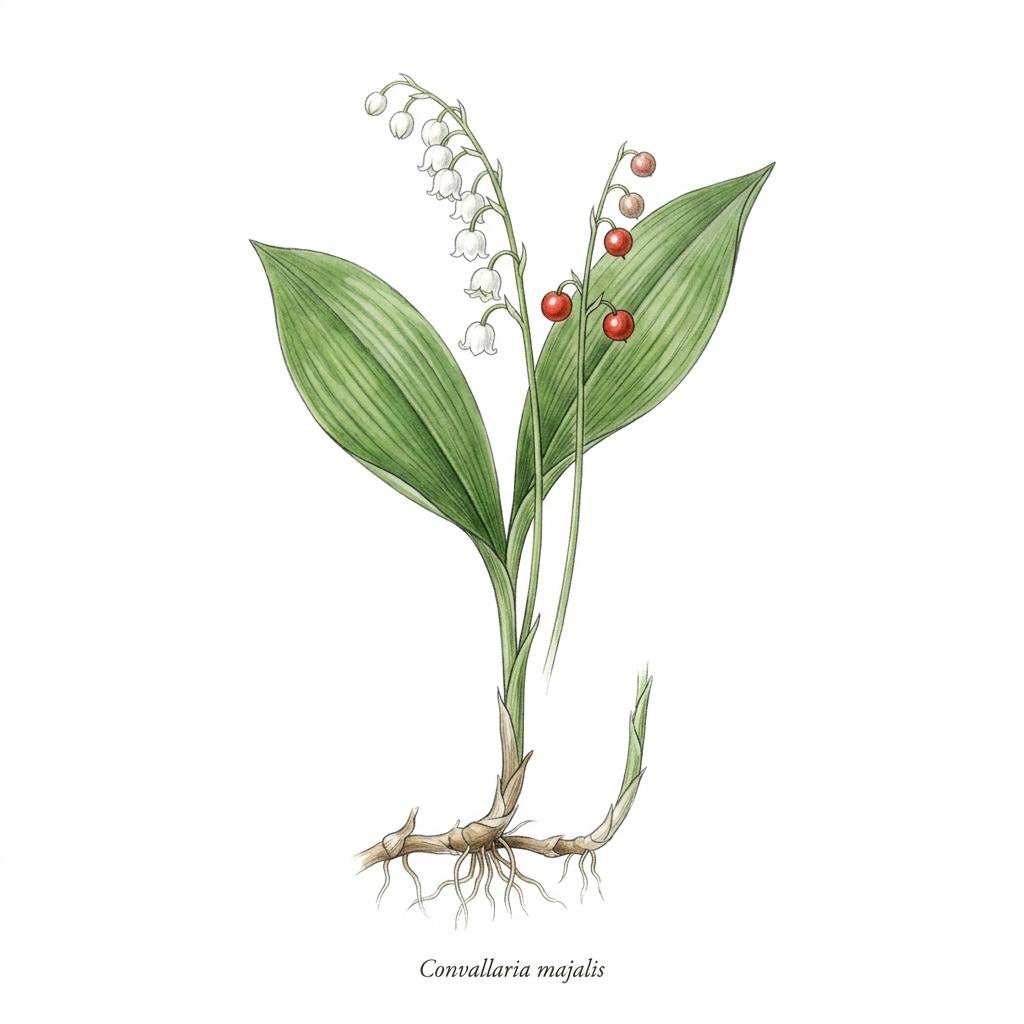
Lily of the Valley

Lily of the Valley

Convallaria majalis

high risk Risk
Liliaceae
Known for its calming and soothing effects, often associated with promoting emotional balance and tranquility.
<p>Lily of the Valley, scientifically known as Convallaria majalis, is a perennial herbaceous plant renowned for its delicate, bell-shaped white flowers and sweet fragrance. Historically, this captivating flower has been cherished not only for its aesthetic appeal but also for its medicinal properties. Traditionally, it has been used in various folk remedies across Europe, with its heart-related benefits noted as far back as the 16th century. Herbalists have relied on this herb as a potent cardiotonic, leveraging its ability to support heart function and treat various cardiovascular conditions. Its association with love and purity similarly marks it as a culturally significant plant throughout history. The therapeutic benefits of Convallaria majalis are primarily linked to its active compounds, particularly cardiac glycosides such as convallatoxin. These compounds exert a profound impact on cardiac health, improving the efficiency of heart contractions and aiding in the management of heart failure. As a cardiotonic, Lily of the Valley enhances myocardial contractility, thereby increasing cardiac output and promoting better circulation. Moreover, it has a diuretic effect, which assists in reducing fluid retention commonly associated with heart ailments. However, due to its potency and toxicity, it is crucial that this herb is used exclusively under the supervision of qualified healthcare professionals. Mechanistically, Lily of the Valley operates by inhibiting the Na+/K+ ATPase enzyme, leading to an increase in intracellular sodium levels. This change, in turn, fosters the entry of calcium into cardiac muscle cells, bolstering myocardial contractility. Additionally, its effects on heart rhythm can help stabilize the cardiac cycle in certain arrhythmias. While the herb’s benefits are profound, the strict regulation of dosages and a deep understanding of its pharmacological properties are paramount for those seeking therapeutic effects, ensuring safety and efficacy in its use.</p>

Uses & Conditions

Cardiac health support
Improved circulation
Enhanced cardiac output
Angina
Arrhythmia
Atrial fibrillation
Bradycardia
Capillary fragility
Cardiac insufficiency
Cardiac failure
Endocarditis
Fluid retention
Renal weakness

Actions

Cardiotonic
Vasotonic
Anti-arrhythmic
Cardio-sedative
Positively inotropic
Negatively chronotropic
Diuretic

Parts Used

Whole plant

Native Countries

Europe

USDA Hardiness Zones

USDA 3-11

Contraindications

  • Poisonous
  • Hypokalaemia
  • Known hypersensitivity
  • May cause dermatitis

Potential Side Effects

  • Severe gastrointestinal distress including nausea
  • vomiting
  • and diarrhoea
  • Cardiac arrhythmias and bradycardia resulting from toxic accumulation
  • Visual disturbances including xanthopsia and blurred sight
  • Neurological symptoms including confusion
  • headache
  • and fatigue

Interactions

  • Digoxin and other cardiac glycosides: synergistic effect significantly increases risk of severe digitalis toxicity
  • Diuretics: may lead to hypokalaemia, enhancing the sensitivity of the heart to cardiac glycosides
  • Antiarrhythmic drugs such as amiodarone and quinidine: may alter cardiac conduction and exacerbate toxic effects
  • Corticosteroids: may cause potassium depletion, increasing cardiac glycoside potency
  • Calcium salts: intravenous administration can induce fatal arrhythmias when combined with cardiac glycosides
  • Activated charcoal: reduces uptake, take 2 hours apart
  • Potassium-depleting agents including laxatives and various pharmaceuticals: increase potential toxicity

Dosages, tincture ratios & research — members only

Unlock Garreth's dosing guidance, tincture ratios, the dosage calculator and the research studies for Lily of the Valley.

Your assessment and results stay saved — upgrading only unlocks more of them.

See membership plans

Community Photos

No community photos yet. Sign in to upload photos.

Reviews & Ratings

Sign in to leave a review.

No reviews yet. Be the first!

GF

Garreth Falls — B.Th., Dip. H.M., MNIMH

Content curated and reviewed by Garreth Falls, Consultant Medical Herbalist · The Wild Sage

Medical Disclaimer: This information is for educational purposes only and is not intended as medical advice. Always consult with qualified healthcare professionals before starting any herbal treatment.
Western tradition

Sustainability & quality

Cultivated

Due to extreme toxicity, only use standardized pharmaceutical-grade preparations; avoid wild-crafted material.

Key constituents

Cardiac glycosides (convallatoxin), Convalloside, Convallarin, Flavonoids, Saponins, Azetidine-2-carboxylic acid

References

  1. British Herbal Pharmacopoeia 1983
  2. Herbal Reality. Herb monographs. herbalreality.com

Reviewed by Garreth, Medical Herbalist (MNIMH) · November 2026

Related conditions

Explore conditions where Lily of the Valley is traditionally used.

Related Herbs
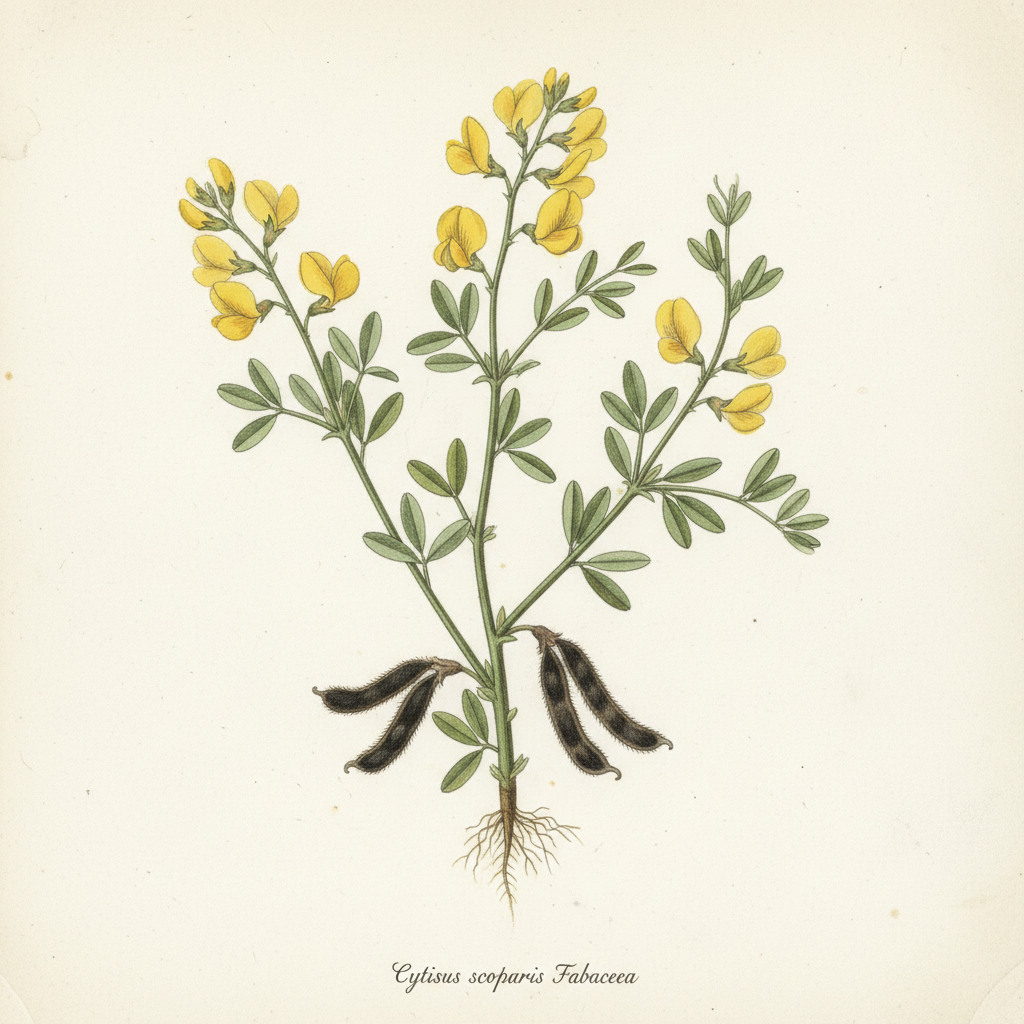
Scotch Broom

Scotch Broom

Cytisus scoparius

Cardio-tonic
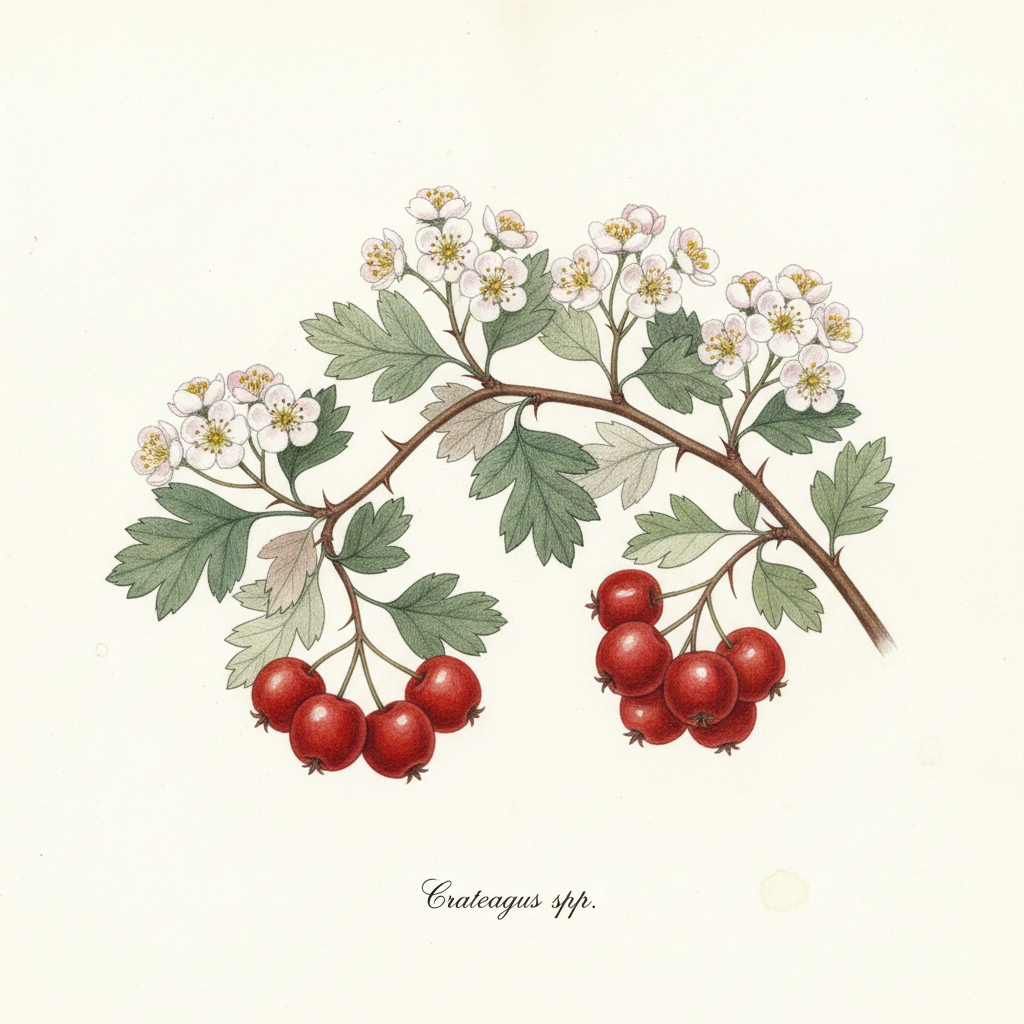
Hawthorn

Hawthorn

Crataegus spp

Cardiovascular Health
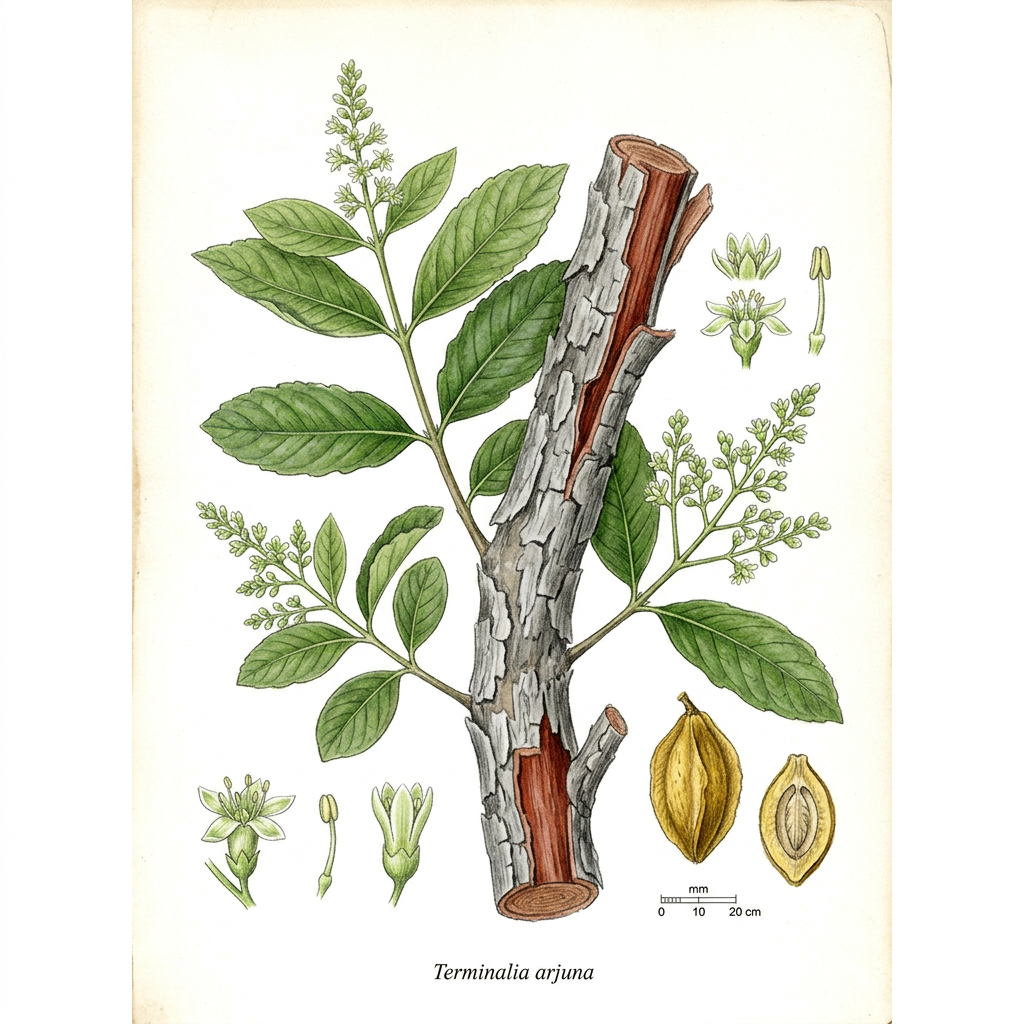
Arjuna

Arjuna

Terminalia arjuna

Cardiovascular Health
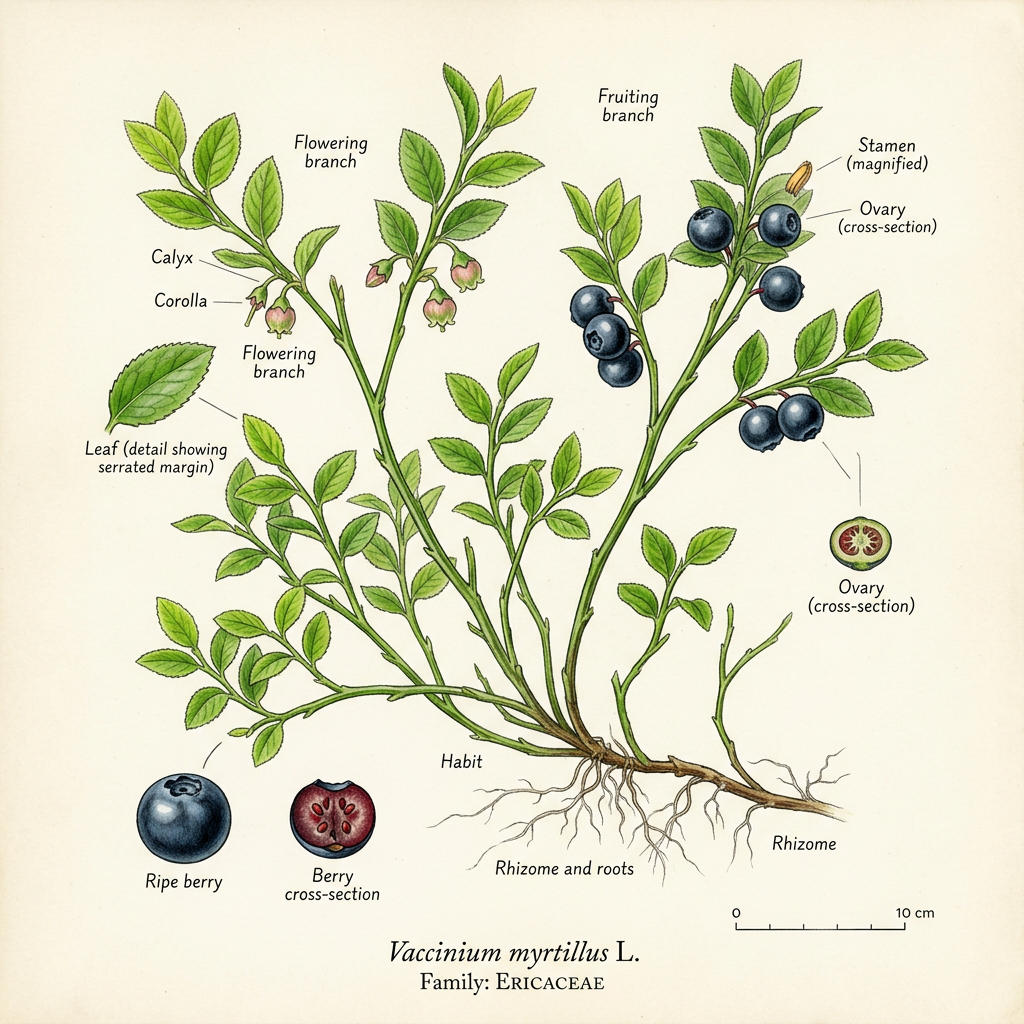
Bilberry

Bilberry

Vaccinium myrtillus

Ocular Health