The Wild Sage logo
The Wild Sage Logo

Herbal Medicine at your fingertips

Comprehensive database of herbal remedies with detailed safety information and traditional uses

New to herbal terms? Read the glossary →
ADHD
Abcess
Acid Reflux Relief
Acinetobacter
Acne
Acne Vulgaris
Addisons
Adenomyosis
Adenovirus
Adrenal fatigue
Aging
Aids
Alcaligenes faecalis
Alcoholism
Allergic Rhinitis
Allergies
Allergy
Alopoecia
Alopoecia nervosa
Alzheimer's, Dementia & Cognitive Decline
420 herbs found
Important: This information is for educational purposes only. Always consult with qualified healthcare professionals before using herbal remedies, especially if you have existing health conditions or take medications.
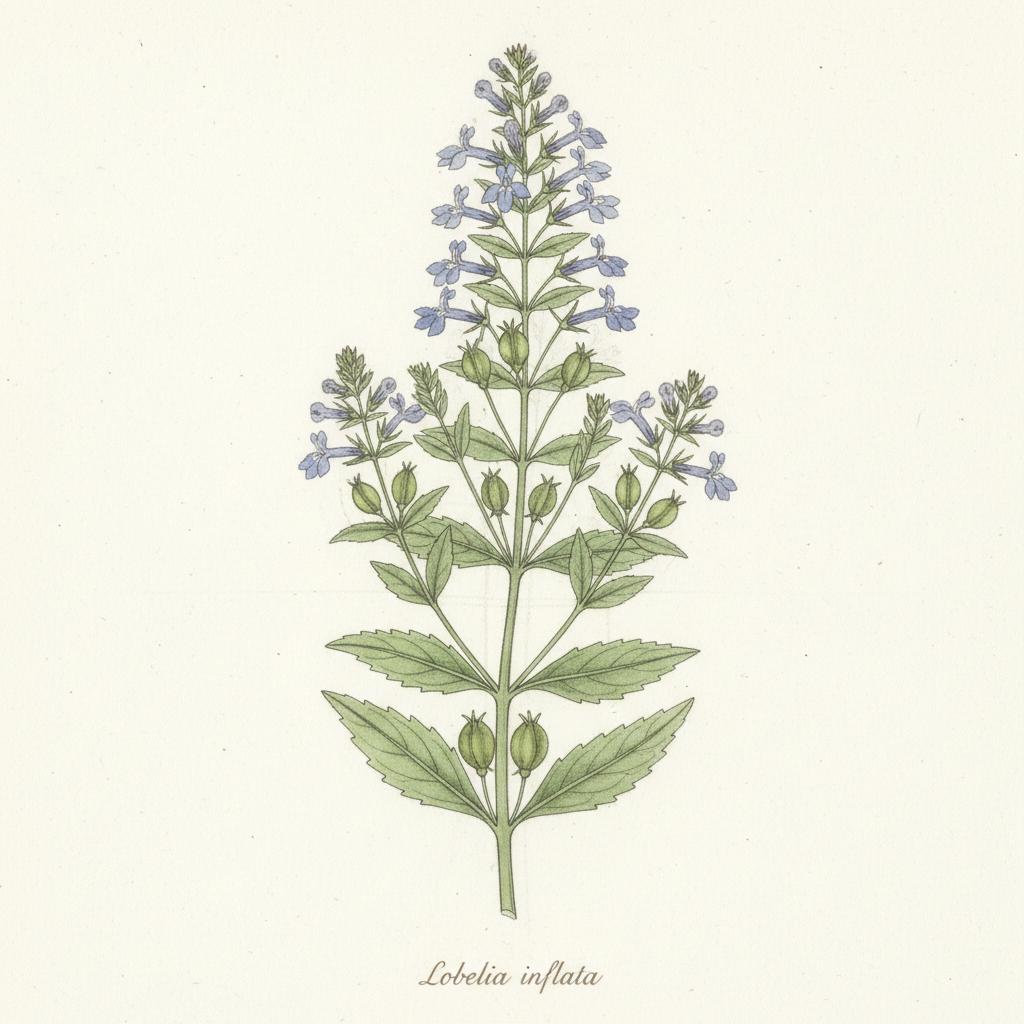
Lobelia

Lobelia

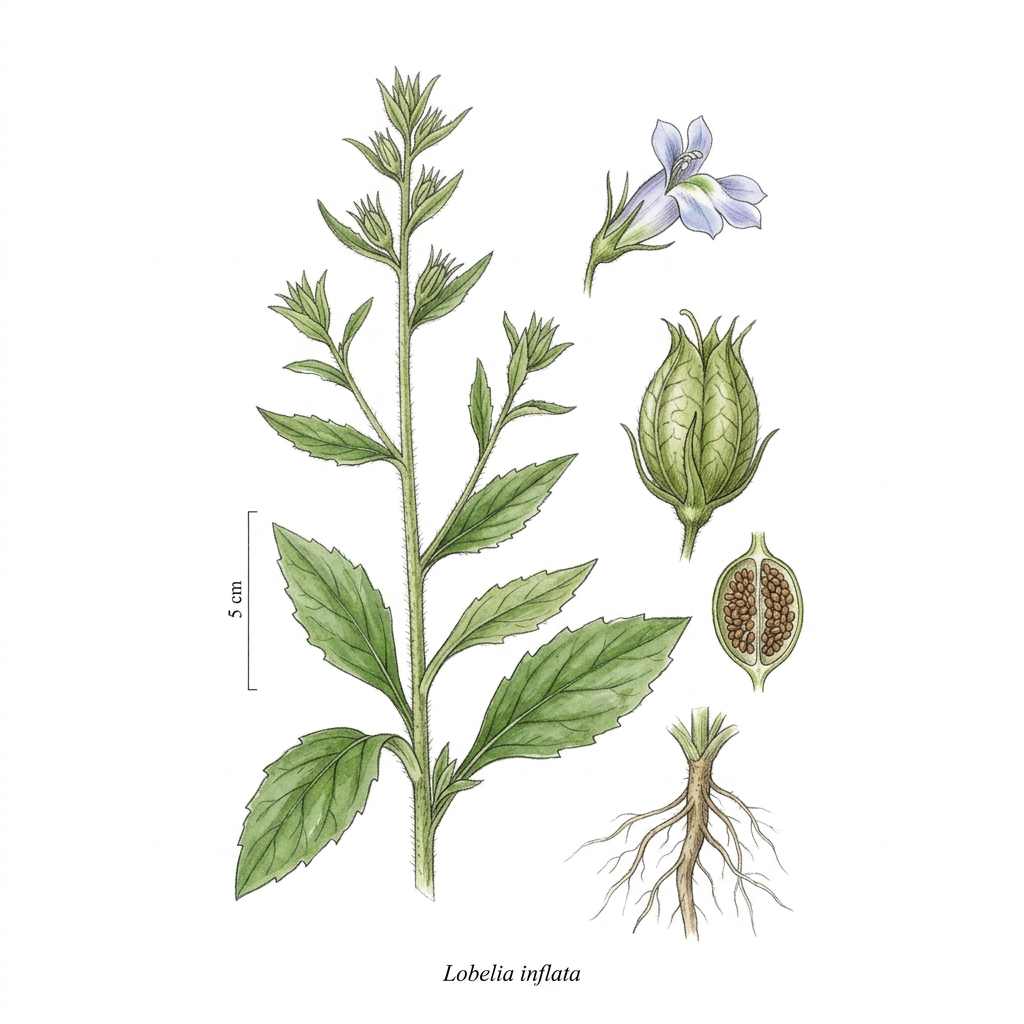
Lobelia inflata

high risk Risk
Campanulaceae
bitter pungent and sweet
<p>Lobelia inflata, commonly known as Indian tobacco or gulping root, is a perennial herb native to North America, revered for its historical significance in both traditional medicine and indigenous practices. Native American tribes utilized Lobelia for its respiratory benefits, harnessing its potency to treat a variety of ailments, particularly those associated with the respiratory system. The plant’s distinctive, tubular blue flowers and inflated seed pods have long caught the attention of herbalists and botanists alike. As the herb transitioned into Western herbal medicine, it gained recognition as a significant respiratory antispasmodic and relaxant, making it a valuable addition to the apothecary for managing conditions like asthma and severe coughing fits. Lobelia is noted for its unique therapeutic properties, primarily acting as an antispasmodic, expectorant, and relaxant. Its active constituents, such as lobeline, provide a multifaceted approach to respiratory health by relaxing bronchial muscles, promoting expectoration, and alleviating spasmodic coughs. This makes it particularly useful for individuals experiencing tightness in the chest or acute coughing episodes. Additionally, Lobelia has been traditionally regarded for its potential to ease symptoms of nicotine withdrawal, making it a popular choice for those seeking to quit smoking. The herb is typically administered in low doses due to its potency, which also highlights the importance of professional guidance when integrating it into a health regimen. The therapeutic actions of Lobelia are attributed to its interaction with the body’s nervous system, particularly the cholinergic receptors. By mimicking the action of nicotine, lobeline can stimulate the respiratory center in the brain, facilitating deeper, more effective breathing. Simultaneously, its relaxant properties help to reduce excessive muscle tension in the airways, thereby alleviating spastic coughs and enhancing overall respiratory function. In this manner, Lobelia inflata serves as an effective ally in promoting respiratory wellness, helping to restore balance and ease discomfort for those suffering from chronic respiratory conditions.</p>

Uses & Conditions

Nicotine withdrawal
Respiratory function enhancement
Asthma
Bronchitis
Bronchial spasm
Croup
Coughing fits
Shortness of Breath
Chest tightness
Muscle tension
Epilepsy
Bladder inflammation

Actions

Anti-convulsant
Expectorant
Anti-asthmatic
Spasmolytic
Bitter
Respiratory stimulant
CNS sedative

Synonyms

Indian Tobacco
vomitwood
asthma weed
gagroot

Parts Used

Aerial parts

Native Countries

India

USDA Hardiness Zones

USDA 3-9

Contraindications

  • Toxic in high doses
  • Pregnancy
  • Lactation
  • Epilepsy
  • Conditions resulting in respiratory paralysis

Potential Side Effects

  • Nausea
  • Vomiting
  • Dizziness
  • Light-headedness
  • Diaphoresis
  • Increased heart rate
  • Salivation
  • Paresis
  • Tachycardia
  • Hypotension
  • Diarrhoea
  • Disturbed hearing
  • Mental confusion
  • Marked weakness

Interactions

  • Nicotine replacement therapies: may cause additive effects or toxicity
  • CNS depressants: potential for synergistic effects leading to excessive sedation
  • Antihypertensive medication: potential for transient changes in blood pressure
  • Anticholinergic drugs: potential for antagonistic effects on respiratory pathways
  • Diclofenac: decreased efficacy

Dosages, tincture ratios & research — members only

Unlock Garreth's dosing guidance, tincture ratios, the dosage calculator and the research studies for Lobelia.

Your assessment and results stay saved — upgrading only unlocks more of them.

See membership plans

Community Photos

No community photos yet. Sign in to upload photos.

Reviews & Ratings

Sign in to leave a review.

No reviews yet. Be the first!

GF

Garreth Falls — B.Th., Dip. H.M., MNIMH

Content curated and reviewed by Garreth Falls, Consultant Medical Herbalist · The Wild Sage

Medical Disclaimer: This information is for educational purposes only and is not intended as medical advice. Always consult with qualified healthcare professionals before starting any herbal treatment.
Western tradition

Sustainability & quality

At risk

Native to North America, collection should be managed carefully. Purchase from reputable growers rather than wild-collecting unless permission is held.

Key constituents

Lobeline, Alkaloids, Chelidonic acid, Gums, Resins, Lobelanidine, Piperine

References

  1. British Herbal Pharmacopoeia 1983
  2. Herbal Reality. Herb monographs. herbalreality.com

Reviewed by Garreth, Medical Herbalist (MNIMH) · November 2026

Related conditions

Explore conditions where Lobelia is traditionally used.

Related Herbs
Indian tobacco

Indian tobacco

Lobelia inflata

Nicotine Withdrawal
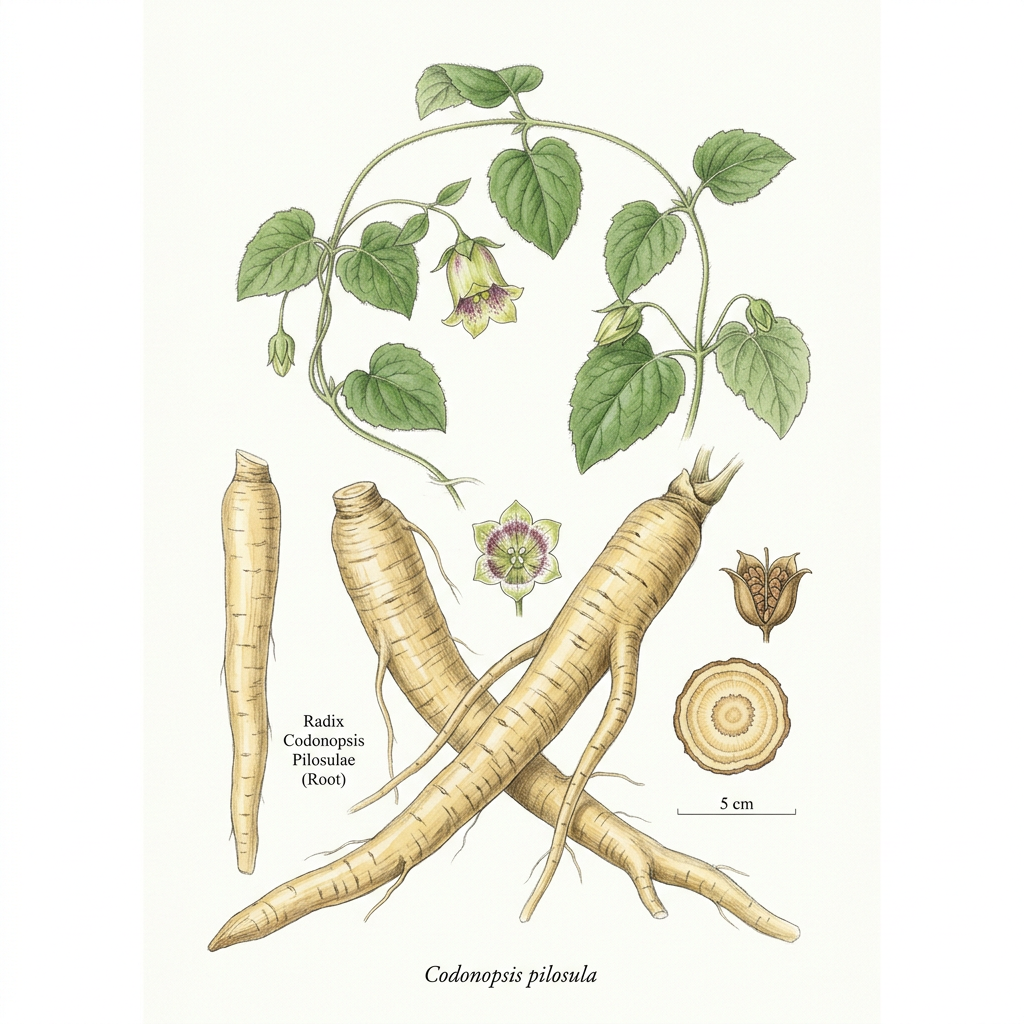
Codonopsis

Codonopsis

Codonopsis pilosula

Adaptogen
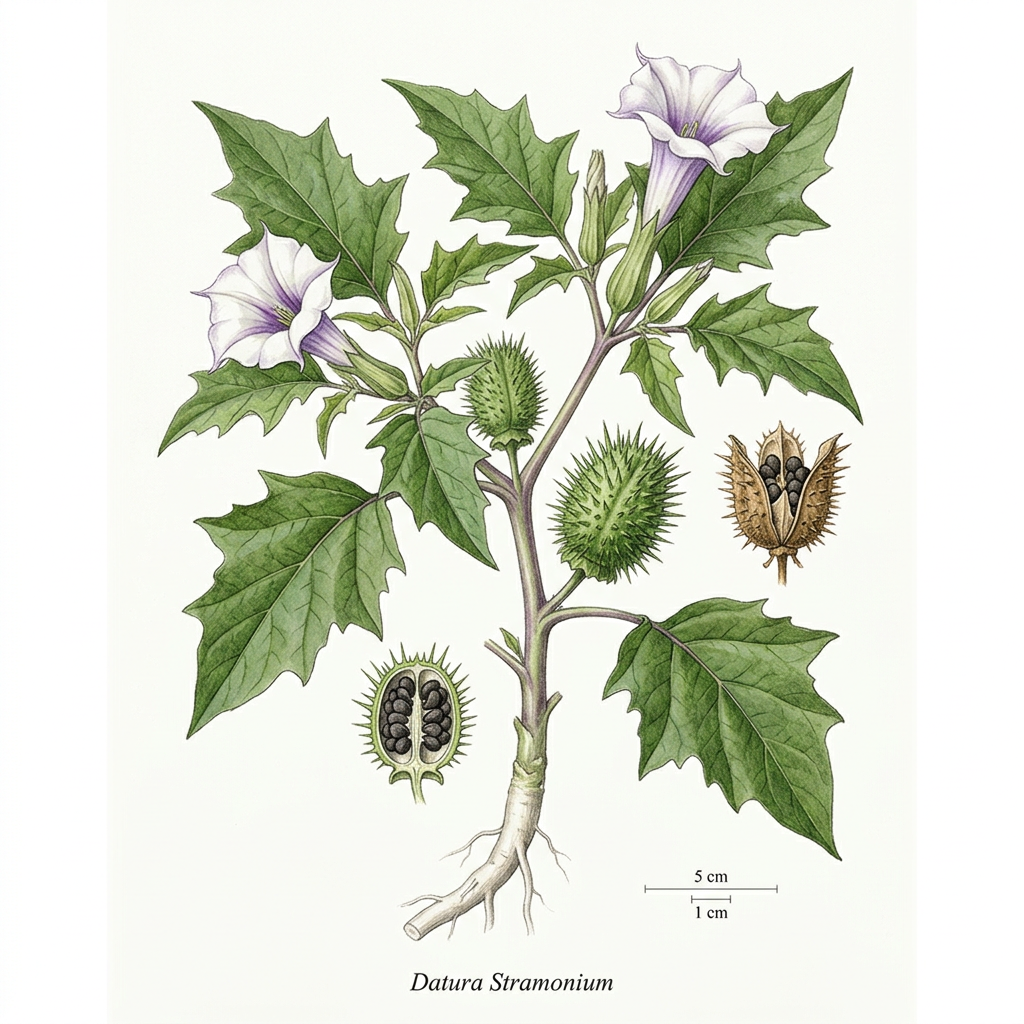
Jimson weed

Jimson weed

Datura stramonium

Dream Work
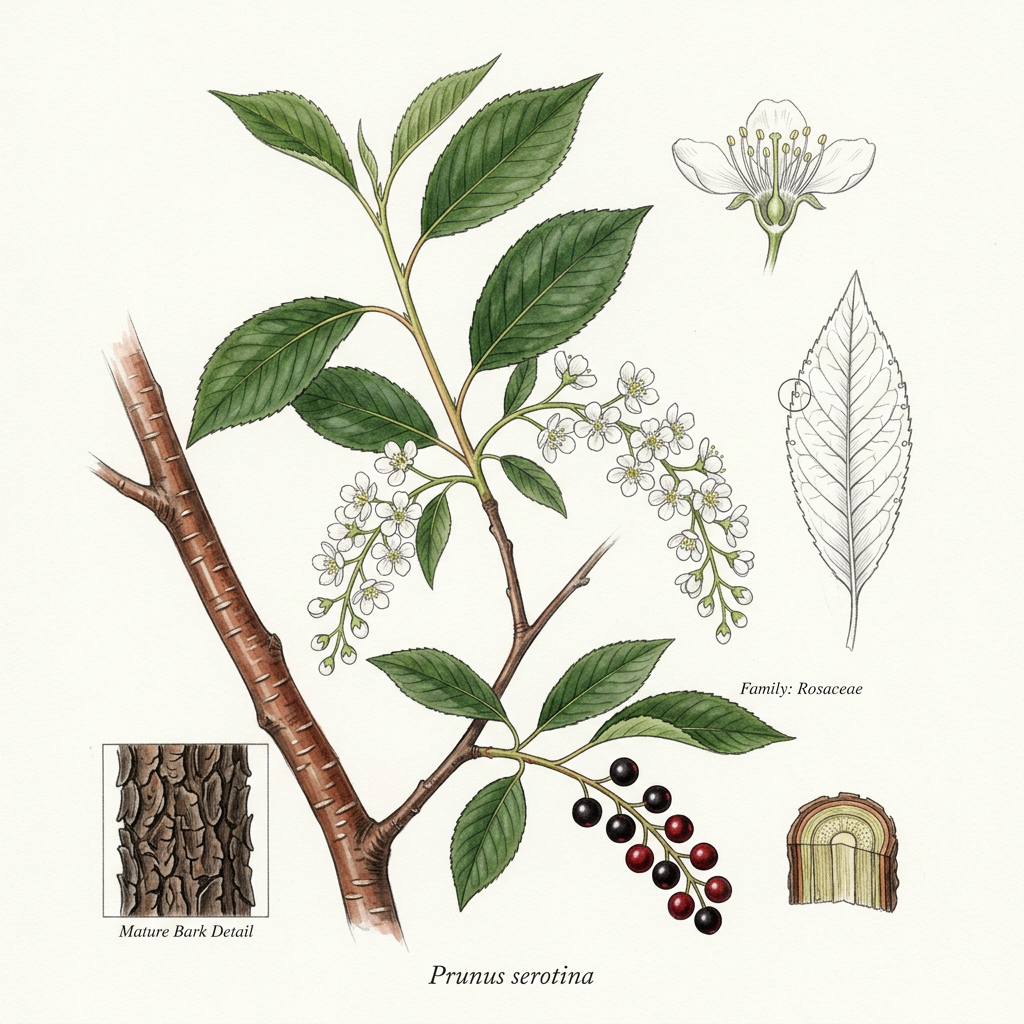
Wild Cherry bark

Wild Cherry bark

Prunus serotina

Sedative