The Wild Sage logo
The Wild Sage Logo

Herbal Medicine at your fingertips

Comprehensive database of herbal remedies with detailed safety information and traditional uses

New to herbal terms? Read the glossary →
ADHD
Abcess
Acid Reflux Relief
Acinetobacter
Acne
Acne Vulgaris
Addisons
Adenomyosis
Adenovirus
Adrenal fatigue
Aging
Aids
Alcaligenes faecalis
Alcoholism
Allergic Rhinitis
Allergies
Allergy
Alopoecia
Alopoecia nervosa
Alzheimer's, Dementia & Cognitive Decline
420 herbs found
Important: This information is for educational purposes only. Always consult with qualified healthcare professionals before using herbal remedies, especially if you have existing health conditions or take medications.
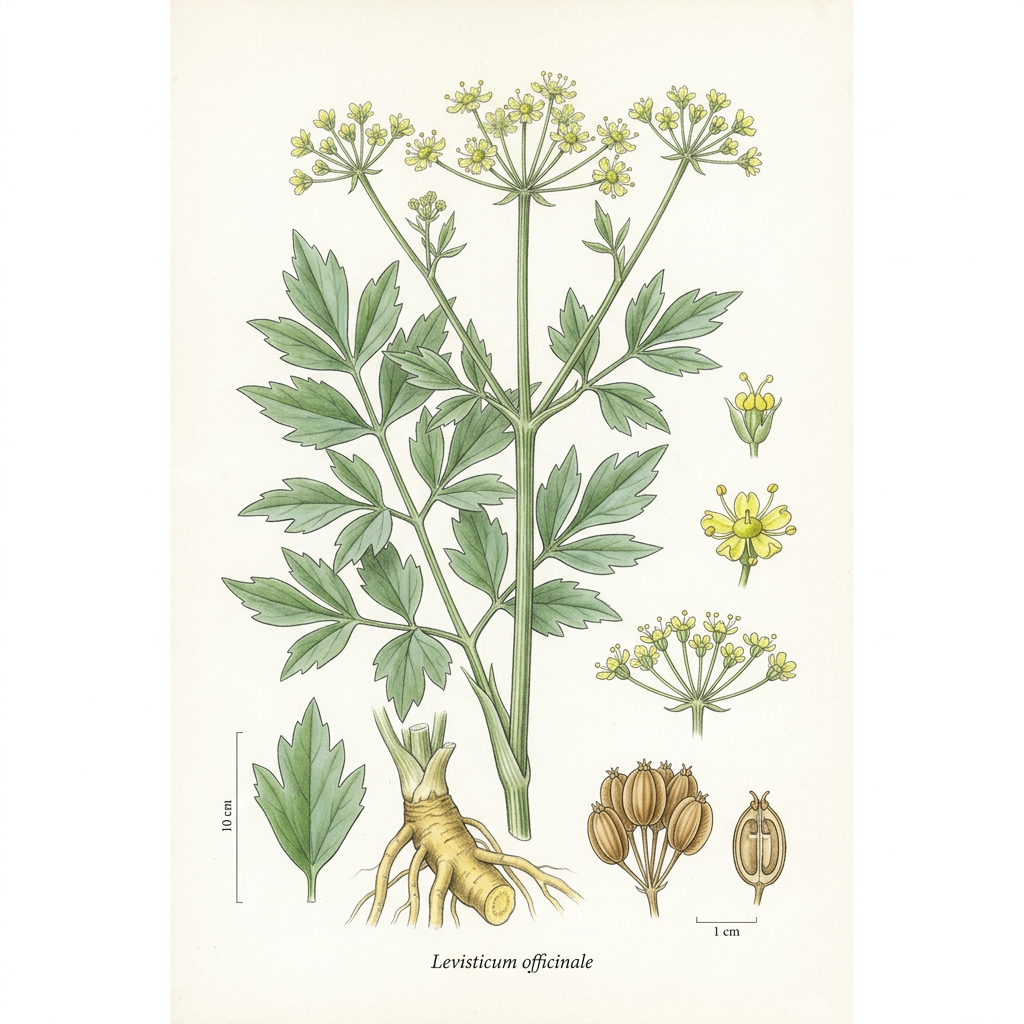
Lovage

Lovage

Levisticum officinale

low risk Risk
Apiaceae
cool, moist, aromatic
<p>Levisticum officinale, commonly known as lovage, is a perennial herb belonging to the Apiaceae family, native to the Mediterranean region. Historically, lovage has been utilized since antiquity for both culinary and medicinal purposes. The ancient Romans valued it not only for its aromatic qualities but also for its purported health benefits, using it as a digestive aid and as a flavoring agent in soups and sauces. The medieval herbalists regarded lovage as a powerful tonic, often recommending it to support various bodily functions. In traditional medicine, different parts of the plant, including the leaves, roots, and seeds, have been employed to alleviate ailments such as indigestion, respiratory issues, and rheumatic conditions. Lovage is celebrated for its myriad therapeutic properties, primarily attributed to its high content of essential oils, flavonoids, and organic acids. Its most notable actions include its role as a digestive aid, enhancing digestion by stimulating gastric secretions and promoting appetite. The herb has also been recognized for its potential diuretic effects, helping to flush out excess fluid from the body and supporting kidney function. Additionally, lovage exhibits anti-inflammatory properties that may provide relief from conditions characterized by joint pain and swelling. The herb is also rich in antioxidants, which can help combat oxidative stress and support overall health. In terms of how lovage works within the body, its active constituents are thought to interact synergistically to promote digestive health. Compounds such as apigenin and luteolin are believed to help reduce gastrointestinal discomfort by relaxing the smooth muscles of the digestive tract. The diuretic effects can be attributed to the presence of compounds like asparagine, which encourages renal function and may help regulate blood pressure. Furthermore, lovage’s antioxidants help combat free radicals, contributing to a robust immune response and overall vitality. When incorporated into a balanced diet or herbal regimen, lovage can be a flavorful and therapeutic ally, bridging the gap between traditional wisdom and modern herbal practices.</p>

Uses & Conditions

Digestive Aid
Appetite Stimulation
Hypertension
Dyspepsia
Urinary Tract Infections
Kidney Stones
Gastroesophageal Reflux Disease
Respiratory Issues
Joint Pain
Oedema
Renal Congestion
Graves Disease

Actions

Diuretic
Anti-spasmodic
Calcium Channel Blocker
Circulation Improvement

Synonyms

Ligusticum striatum

Parts Used

Whole plant

Native Countries

Europe

USDA Hardiness Zones

USDA 3-9

Contraindications

  • Pregnancy due to potential emmenagogue effects
  • Breastfeeding due to lack of safety data
  • Severe kidney inflammation or acute kidney infection
  • Oedema due to impaired heart or kidney function requires professional supervision
  • Severe photosensitivity

Potential Side Effects

  • Gastrointestinal irritation or nausea at high doses
  • Increased skin sensitivity to sunlight
  • Contact dermatitis

Interactions

  • Diuretics may cause additive effects and electrolyte imbalance
  • Anticoagulants and antiplatelet drugs may increase bleeding risk
  • Lithium clearance may be reduced
  • Antihypertensive medication may show additive blood pressure reduction

Dosages, tincture ratios & research — members only

Unlock Garreth's dosing guidance, tincture ratios, the dosage calculator and the research studies for Lovage.

Your assessment and results stay saved — upgrading only unlocks more of them.

See membership plans

Community Photos

No community photos yet. Sign in to upload photos.

Reviews & Ratings

Sign in to leave a review.

No reviews yet. Be the first!

GF

Garreth Falls — B.Th., Dip. H.M., MNIMH

Content curated and reviewed by Garreth Falls, Consultant Medical Herbalist · The Wild Sage

Medical Disclaimer: This information is for educational purposes only and is not intended as medical advice. Always consult with qualified healthcare professionals before starting any herbal treatment.
Western tradition

Sustainability & quality

Cultivated

Easily grown in the UK climate; cultivation is preferred to ensure proper identification, preventing confusion with toxic Umbellifers.

Key constituents

Phthalides (e.g., ligustilide and butylidenephthalide), Essential oils (terpenes such as alpha-terpineol), Coumarins (including bergapten and umbelliferone), Flavonoids (quercetin and kaempferol derivatives), Organic acids (angelic acid and valeric acid), Resins and tannins

References

  1. British Herbal Pharmacopoeia 1983
  2. Herbal Reality. Herb monographs. herbalreality.com

Reviewed by Garreth, Medical Herbalist (MNIMH) · November 2026

Related conditions

Explore conditions where Lovage is traditionally used.

Related Herbs
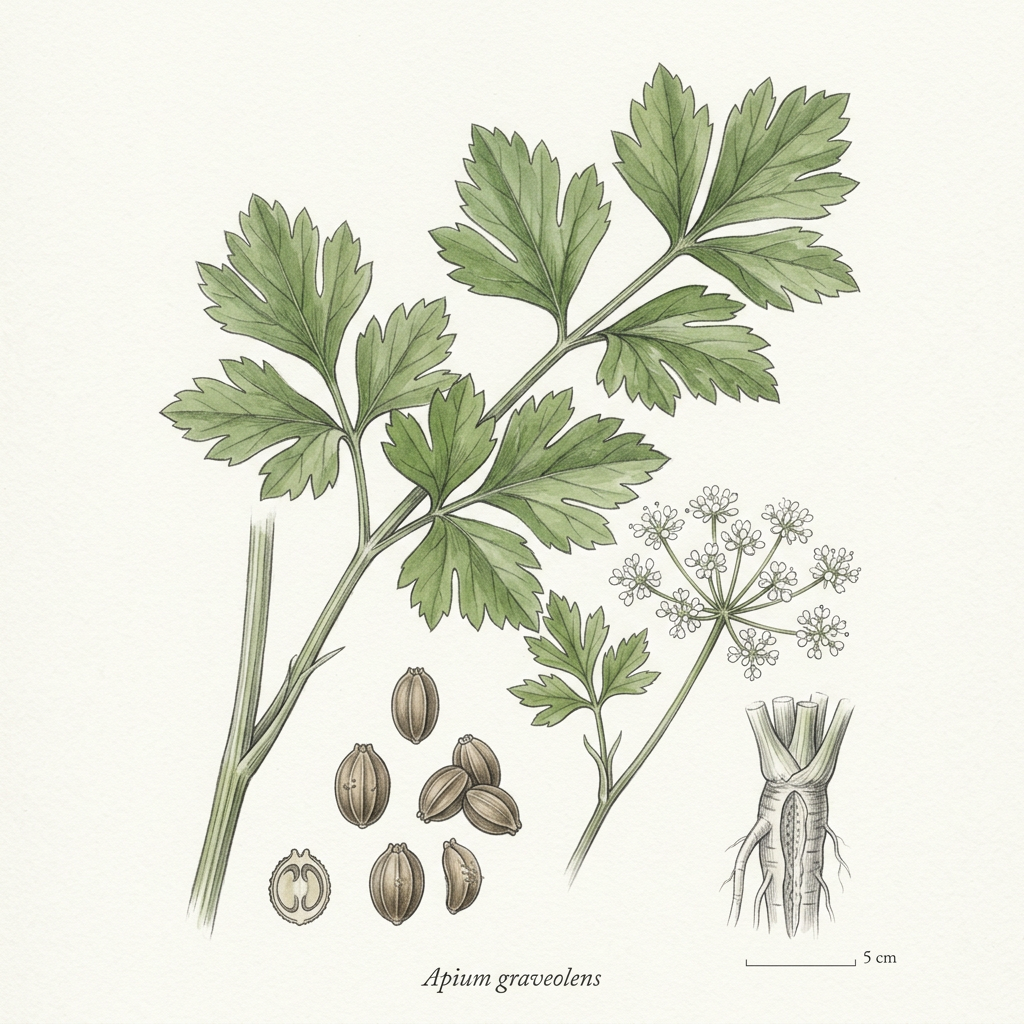
Celery Seed

Celery Seed

Apium graveolens

Digestive Aid
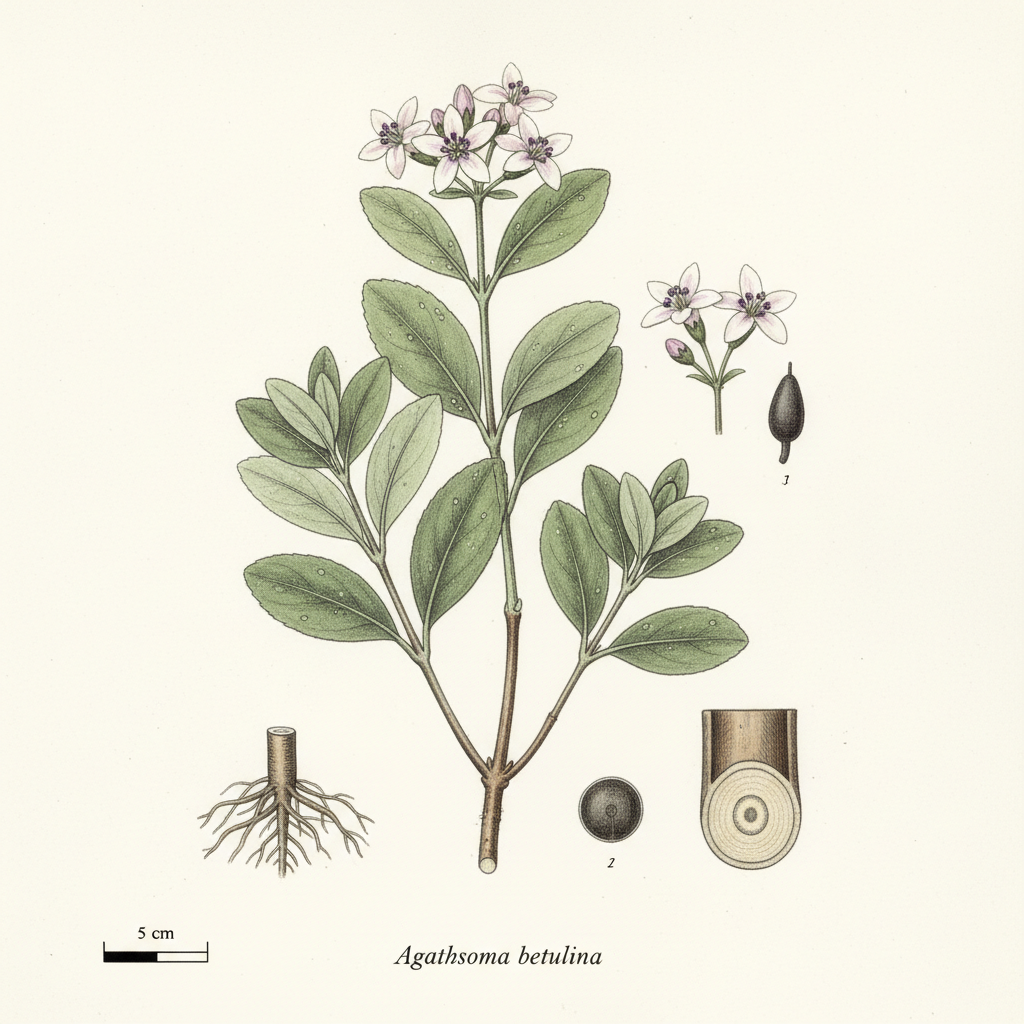
Buchu

Buchu

Agathosma betulina

Urinary Health Support
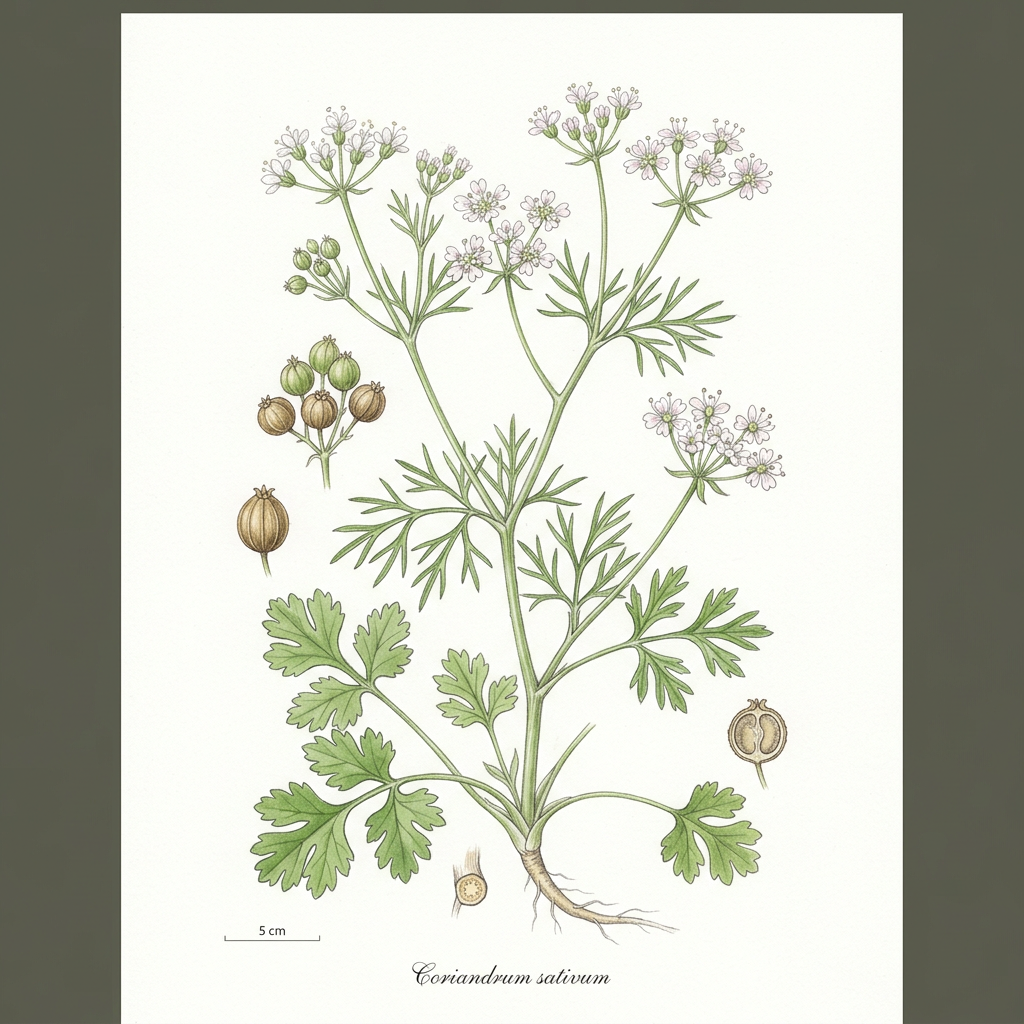
Coriander

Coriander

Coriandrum sativum

Digestive Aid
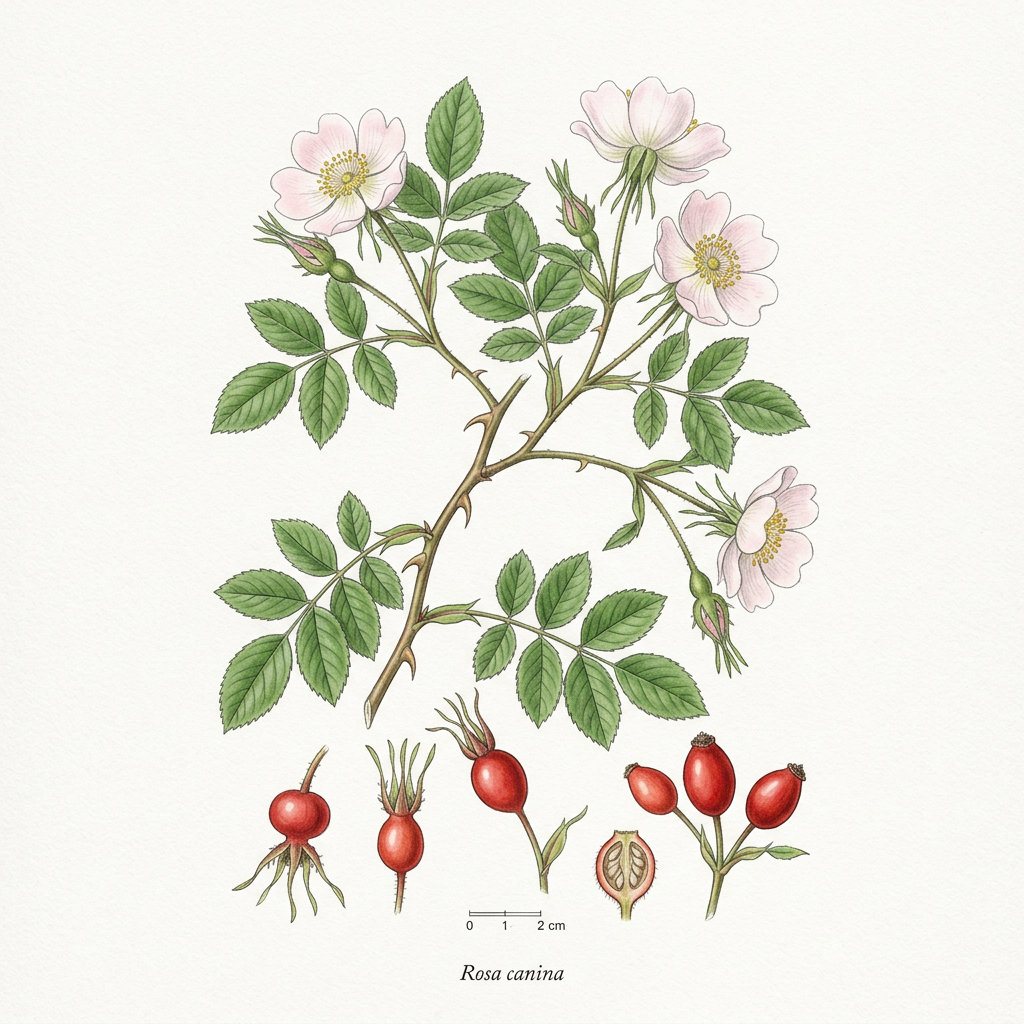
Dog rose

Dog rose

Rosa canina

Immune Support