The Wild Sage logo
The Wild Sage Logo

Herbal Medicine at your fingertips

Comprehensive database of herbal remedies with detailed safety information and traditional uses

New to herbal terms? Read the glossary →
ADHD
Abcess
Acid Reflux Relief
Acinetobacter
Acne
Acne Vulgaris
Addisons
Adenomyosis
Adenovirus
Adrenal fatigue
Aging
Aids
Alcaligenes faecalis
Alcoholism
Allergic Rhinitis
Allergies
Allergy
Alopoecia
Alopoecia nervosa
Alzheimer's, Dementia & Cognitive Decline
420 herbs found
Important: This information is for educational purposes only. Always consult with qualified healthcare professionals before using herbal remedies, especially if you have existing health conditions or take medications.
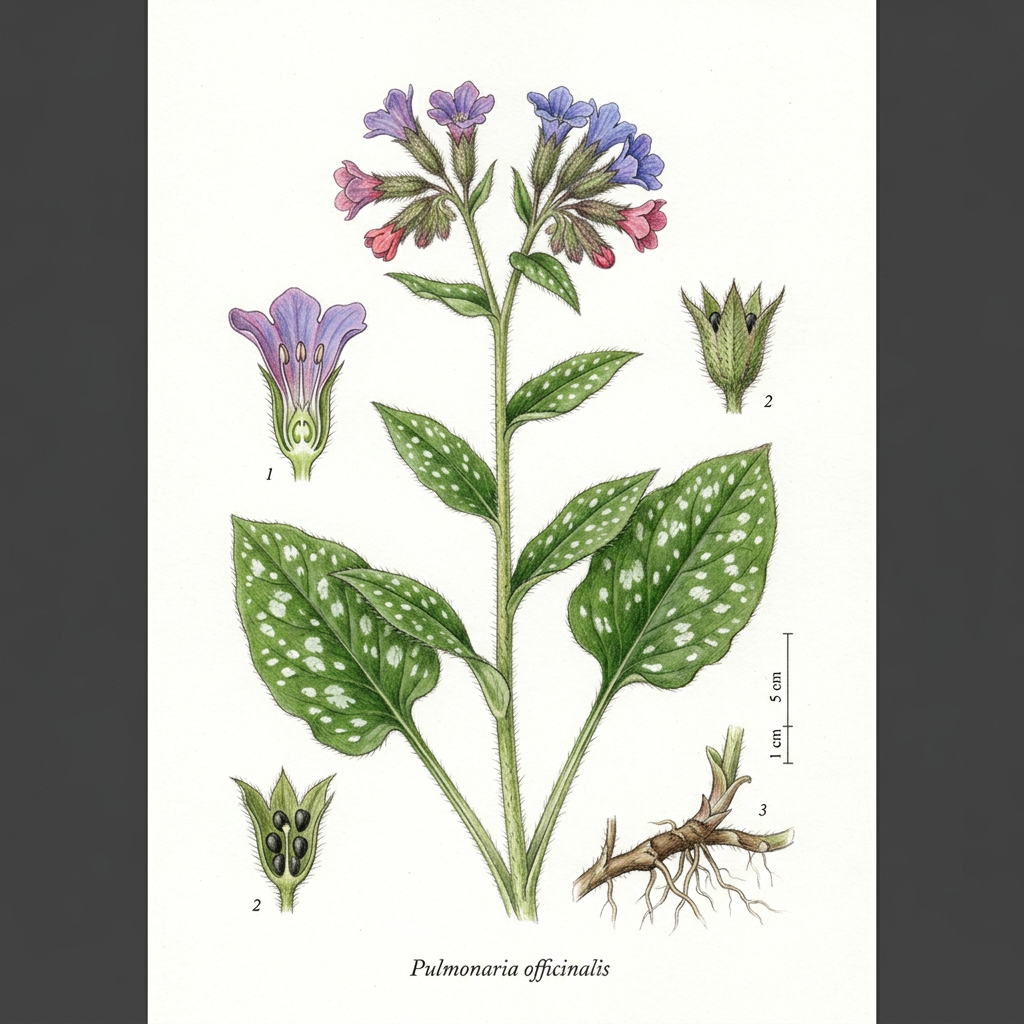
Lungwort

Lungwort

Pulmonaria officinalis

low risk Risk
Boraginaceae
cool, moist, astringent
<p>**Lungwort (Pulmonaria officinalis)** is a perennial herb belonging to the Boraginaceae family, characterized by its distinctive spotted leaves and bell-shaped flowers that bloom in spring, typically showcasing hues ranging from pink to blue. Historically, Lungwort has been revered in traditional herbal medicine, with its usage tracing back to the Middle Ages. Its name reflects its historical association with lung ailments; herbalists of antiquity believed that the herb's leaf pattern resembled the lungs, adhering to the Doctrine of Signatures, where plants were thought to hold clues about their uses based on their physical appearance. It was commonly employed to soothe respiratory disorders, including coughs, bronchitis, and other inflammatory conditions of the respiratory tract. Lungwort is primarily recognized for its impressive anti-inflammatory properties and respiratory-stimulant actions. The herb contains a wealth of beneficial compounds, including flavonoids and mucilage, which contribute to its soothing effects on mucous membranes. Traditionally, Lungwort has been used to alleviate symptoms associated with respiratory conditions by promoting expectoration and easing coughs. Its secretory properties help to thin and expel mucus, while its anti-inflammatory effects reduce swelling in the respiratory tract, making it particularly useful for those suffering from asthma, chronic bronchitis, and other pulmonary disorders. Furthermore, the herb has been noted for its potential antioxidant properties, which suggest additional protective benefits against cellular damage. In the body, Lungwort works through a combination of mechanisms that target respiratory health. The flavonoids present in the plant exhibit significant anti-inflammatory effects, acting on immune cells to mitigate inflammation in the lungs and airways. This reduction in inflammation not only aids in relieving chronic coughs but also facilitates easier breathing. The mucilaginous content of Lungwort coats the irritated mucous membranes of the respiratory tract, providing a soothing barrier that helps minimize irritation from coughing and environmental irritants. As a result, Lungwort is not only a gentle remedy for acute respiratory conditions but also serves as a supportive herb for maintaining respiratory health in chronic cases, exemplifying its valuable role in the arsenal of herbal medicine.</p>

Uses & Conditions

Traditional Well-being
Cellular Protection
Asthma
Bronchitis
Pulmonary Disorders
Chronic Cough
Allergic Inflammation

Actions

Respiratory Stimulant
Anti-inflammatory
NFkB Inhibitor
TNF-a Reduction

Parts Used

Aerial parts (leaves and flowers)

Native Countries

Europe

USDA Hardiness Zones

USDA 3-10

Contraindications

  • Pregnancy and breastfeeding
  • History of liver disease or impaired liver function
  • Known allergy to plants in the Boraginaceae family
  • Avoid long-term or excessive daily usage

Potential Side Effects

  • Mild gastrointestinal upset
  • Potential for cumulative hepatotoxicity if used in very high doses over prolonged periods

Interactions

  • Hepatotoxic agents
  • Diuretics
  • Anticoagulants
  • Regular prescription medicines

Dosages, tincture ratios & research — members only

Unlock Garreth's dosing guidance, tincture ratios, the dosage calculator and the research studies for Lungwort.

Your assessment and results stay saved — upgrading only unlocks more of them.

See membership plans

Community Photos

No community photos yet. Sign in to upload photos.

Reviews & Ratings

Sign in to leave a review.

No reviews yet. Be the first!

GF

Garreth Falls — B.Th., Dip. H.M., MNIMH

Content curated and reviewed by Garreth Falls, Consultant Medical Herbalist · The Wild Sage

Medical Disclaimer: This information is for educational purposes only and is not intended as medical advice. Always consult with qualified healthcare professionals before starting any herbal treatment.
Western tradition

Sustainability & quality

Abundant

Common in woodlands; ensure sustainable harvest if gathering wild.

Key constituents

Allantoin, flavonoids, Quercetin, Kaempferol, Tannins, Mucilage, Saponins

References

  1. British Herbal Pharmacopoeia 1983
  2. Herbal Reality. Herb monographs. herbalreality.com

Reviewed by Garreth, Medical Herbalist (MNIMH) · November 2026

Related conditions

Explore conditions where Lungwort is traditionally used.

Related Herbs
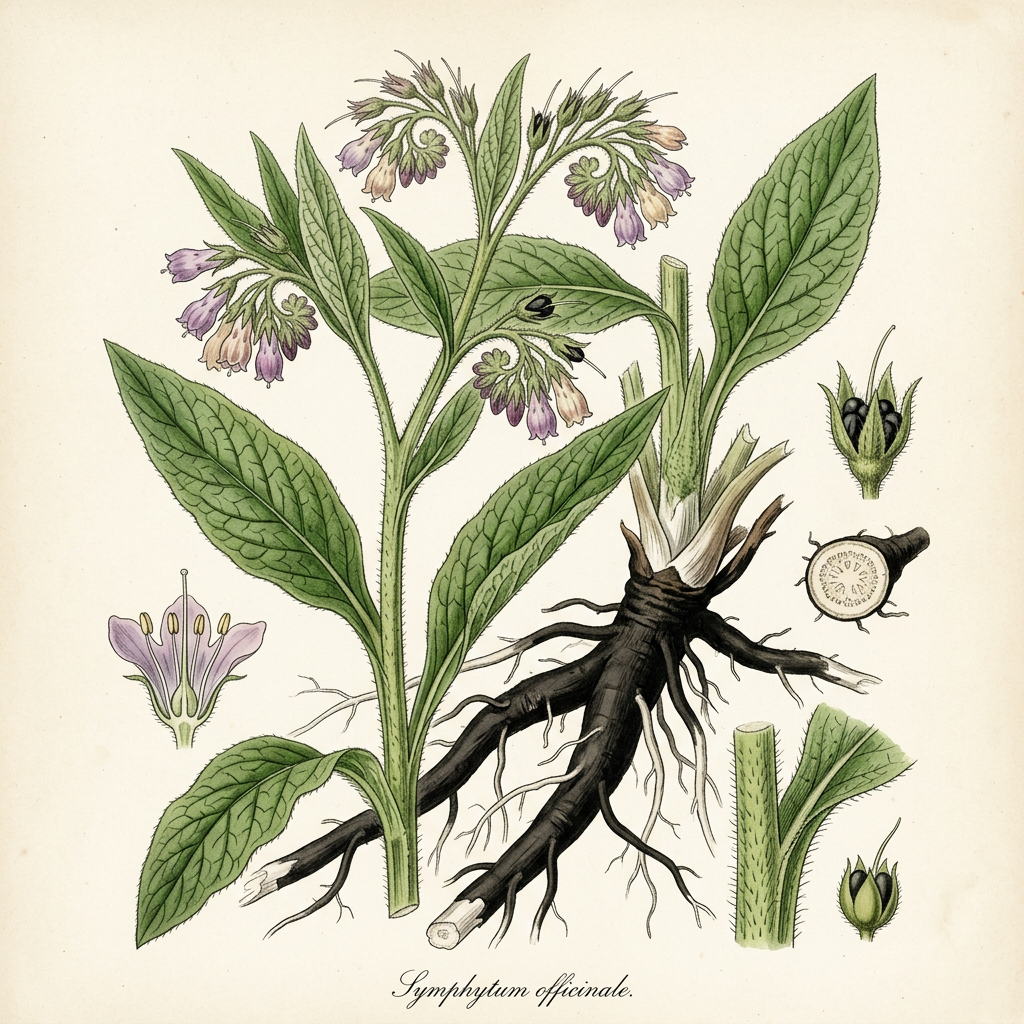
Comfrey

Comfrey

Symphytum officinale

Tissue Regeneration
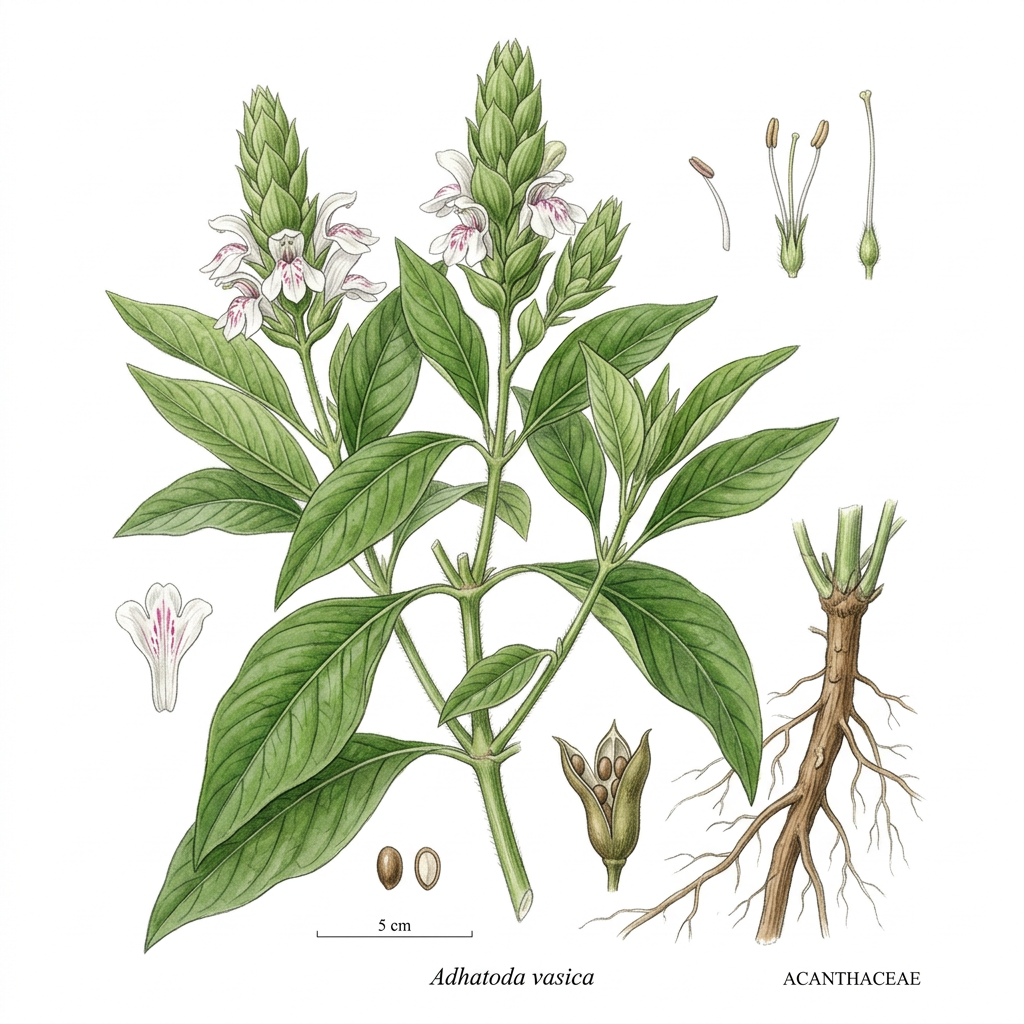
Adhatoda vasia

Adhatoda vasia

Adhatoda vasia

Diabetes
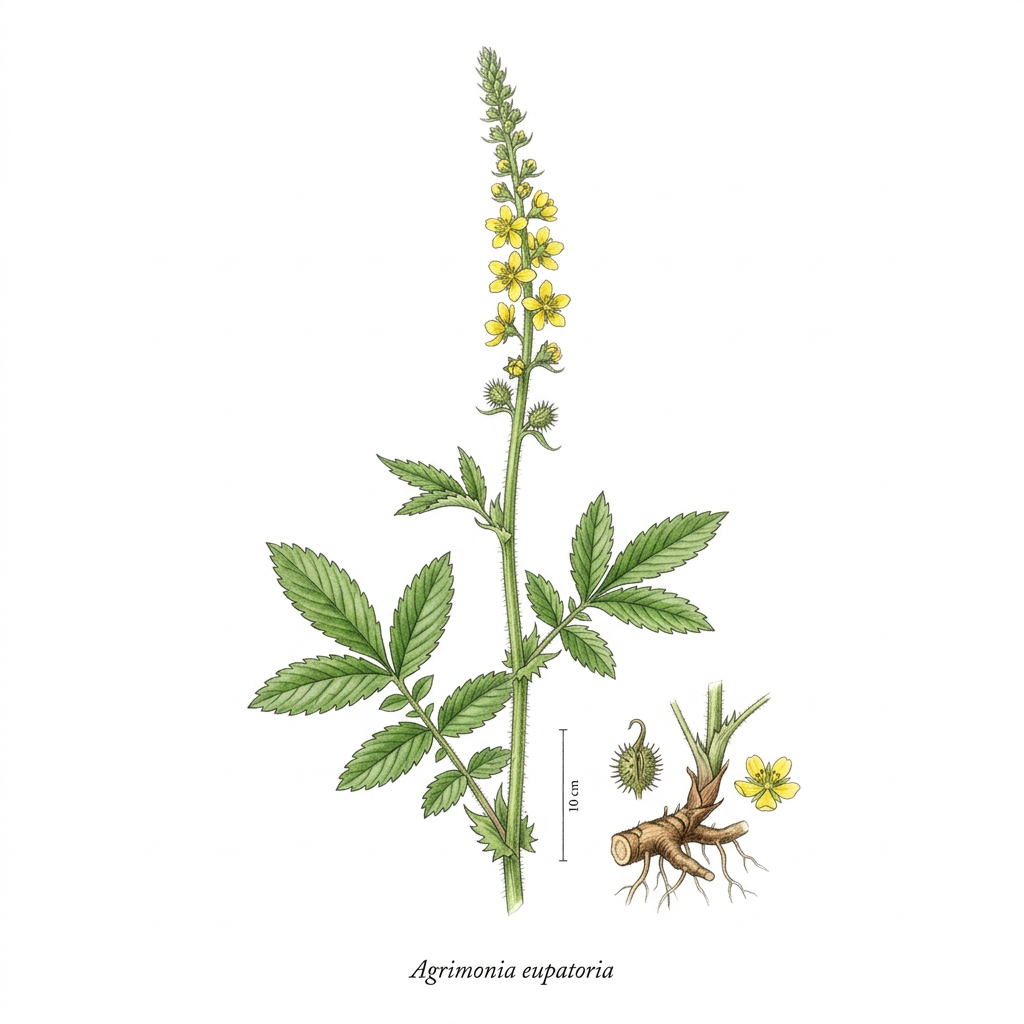
Agrimony

Agrimony

Agrimonia eupatoria

Digestive Aid
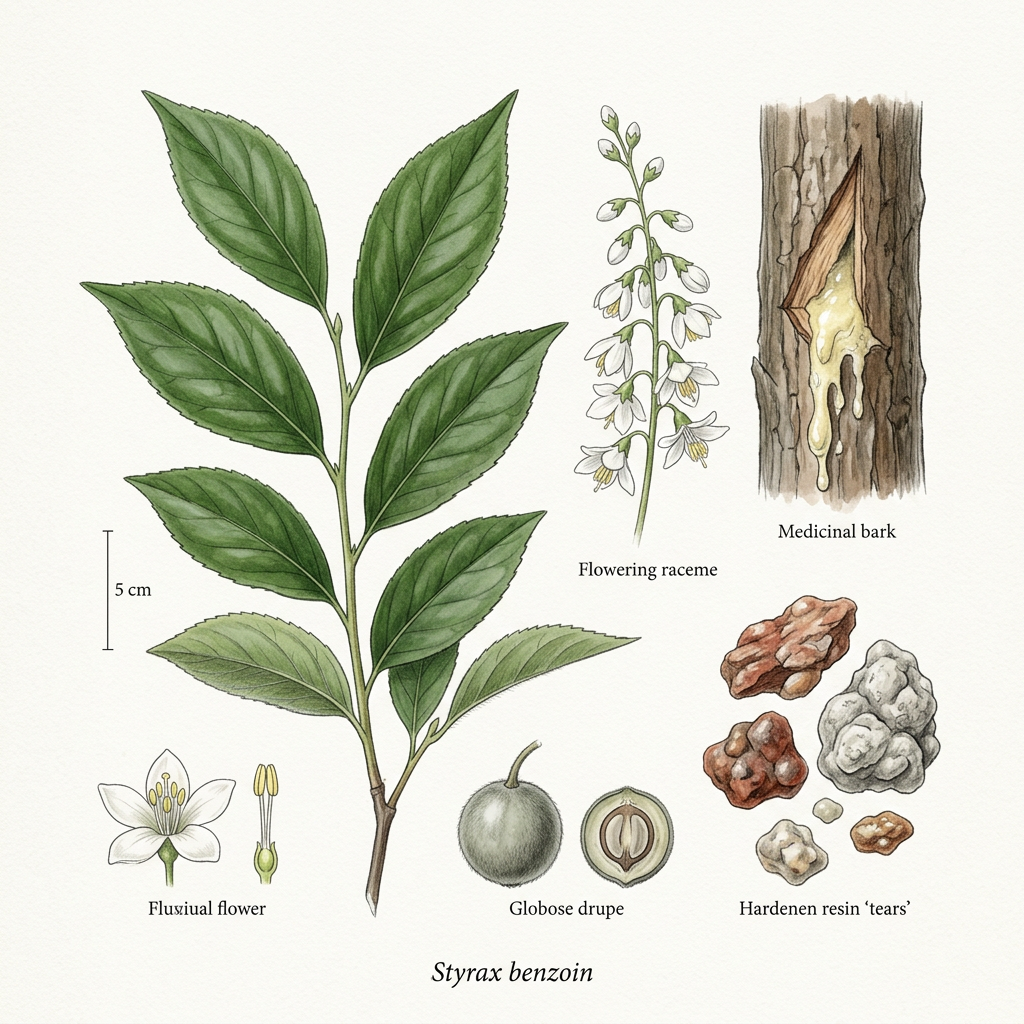
Benzoin

Benzoin

Styrax benzoin

Emotional distress