The Wild Sage logo
The Wild Sage Logo

Herbal Medicine at your fingertips

Comprehensive database of herbal remedies with detailed safety information and traditional uses

New to herbal terms? Read the glossary →
ADHD
Abcess
Acid Reflux Relief
Acinetobacter
Acne
Acne Vulgaris
Addisons
Adenomyosis
Adenovirus
Adrenal fatigue
Aging
Aids
Alcaligenes faecalis
Alcoholism
Allergic Rhinitis
Allergies
Allergy
Alopoecia
Alopoecia nervosa
Alzheimer's, Dementia & Cognitive Decline
420 herbs found
Important: This information is for educational purposes only. Always consult with qualified healthcare professionals before using herbal remedies, especially if you have existing health conditions or take medications.
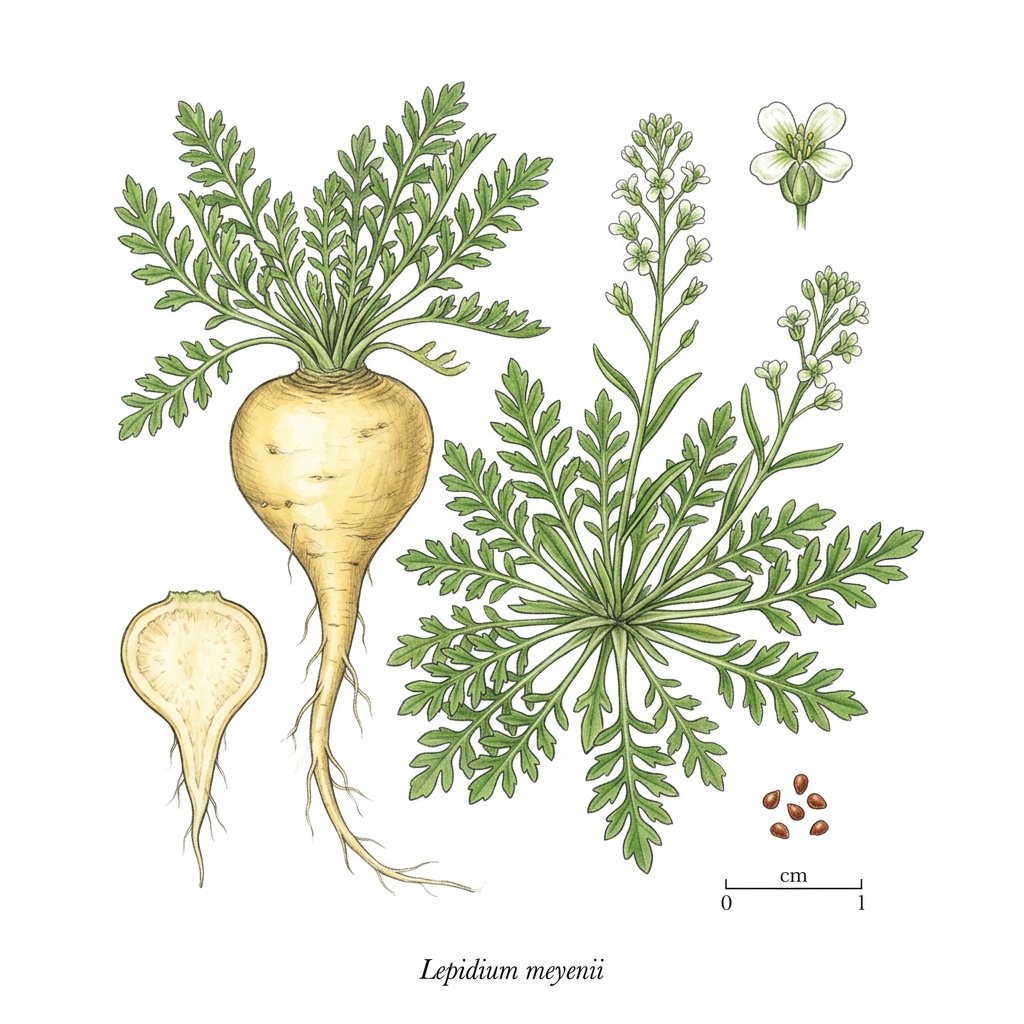
Maca

Maca

Lepidium meyenii

low risk Risk
Brassicaceae
warm, sweet, bitter
<p>Maca, scientifically known as Lepidium meyenii, is a cruciferous plant native to the high Andes of Peru. Renowned for its resilience, it has been cultivated for over 2,000 years, traditionally revered by indigenous cultures for its nutritional value and perceived medicinal properties. Historically, Maca was utilized not only as a staple food source but also as an aphrodisiac and a natural remedy for various ailments, including hormonal imbalances and fertility issues. Its tuber, often likened to a radish or turnip, is rich in essential vitamins, minerals, and bioactive compounds, making it a prominent feature in both traditional and contemporary herbal medicine. The therapeutic properties of Maca are increasingly recognized and supported by emerging scientific research. It is particularly noted for its adaptogenic qualities, which help the body manage stress and promote homeostasis. Maca has been shown to enhance energy levels, improve mood, and support cognitive function, making it popular among athletes and those seeking a natural boost. Furthermore, studies suggest that Maca may have positive effects on reproductive health by regulating hormone levels and improving libido, particularly in both men and women. Its rich profile of nutrients, including amino acids, fatty acids, and antioxidants, contributes to its general health benefits, promoting vitality and overall well-being. The mechanisms through which Maca exerts its effects are multifaceted. It is believed to work by regulating the hypothalamus and pituitary gland, thereby balancing the endocrine system and influencing hormone production. The presence of glucosinolates and other phytonutrients enhances its ability to combat oxidative stress and inflammation, contributing to improved metabolic function. Additionally, by fostering a stable hormonal environment, Maca may alleviate symptoms associated with menopause and support reproductive health. Overall, Maca stands out as a versatile herb, combining traditional wisdom with scientific inquiry to offer potential health benefits that continue to intrigue herbalists and health enthusiasts alike.</p>

Uses & Conditions

Energy Booster
Muscle Growth
Fatigue
Low Libido
Premature Ejaculation
Erectile Dysfunction
Perimenopause
Diabetes
Cardiovascular Health
Deep Vein Thrombosis

Actions

Aphrodisiac
Blood Sugar Modulator
Anti-fatigue
Hepatoprotective
Immunomodulator
Anti-allergenic
Hypotensive
Cardio-protective
Anti-tumor
Anabolic
Photoprotective

Parts Used

Root

Native Countries

Chile and Peru

USDA Hardiness Zones

5
6
7
8

Contraindications

  • Pregnancy and breastfeeding due to insufficient clinical safety data.
  • Hormone-sensitive cancers such as breast
  • uterine
  • or ovarian cancer.
  • Thyroid disorders such as hypothyroidism or goitre.
  • Underlying endocrine dysregulation.

Potential Side Effects

  • Mild gastrointestinal discomfort or bloating.
  • Insomnia or over-stimulation if taken in the late evening.
  • Headaches.

Interactions

  • Hormone-sensitive medications.
  • Thyroid medications.
  • Antihypertensive drugs.
  • Chronic prescription medication regimes.

Dosages, tincture ratios & research — members only

Unlock Garreth's dosing guidance, tincture ratios, the dosage calculator and the research studies for Maca.

Your assessment and results stay saved — upgrading only unlocks more of them.

See membership plans

Community Photos

No community photos yet. Sign in to upload photos.

Reviews & Ratings

Sign in to leave a review.

No reviews yet. Be the first!

GF

Garreth Falls — B.Th., Dip. H.M., MNIMH

Content curated and reviewed by Garreth Falls, Consultant Medical Herbalist · The Wild Sage

Medical Disclaimer: This information is for educational purposes only and is not intended as medical advice. Always consult with qualified healthcare professionals before starting any herbal treatment.
Western tradition

Sustainability & quality

Cultivated

Indigenous to the Andes; now widely cultivated globally. Choose suppliers that engage in ethical, fair-trade practices within the Andean region.

Key constituents

Macamides, Macaenes, Glucosinolates, Alkaloids (Macaridine), Sterols (Beta-sitosterol), Flavonoids, Essential Amino Acids, Fatty Acids

References

  1. Bone & Mills "Principles and Practice of Phytotherapy" 2nd ed. 2013
  2. Herbal Reality. Herb monographs. herbalreality.com

Reviewed by Garreth, Medical Herbalist (MNIMH) · November 2026

Related conditions

Explore conditions where Maca is traditionally used.

Related Herbs
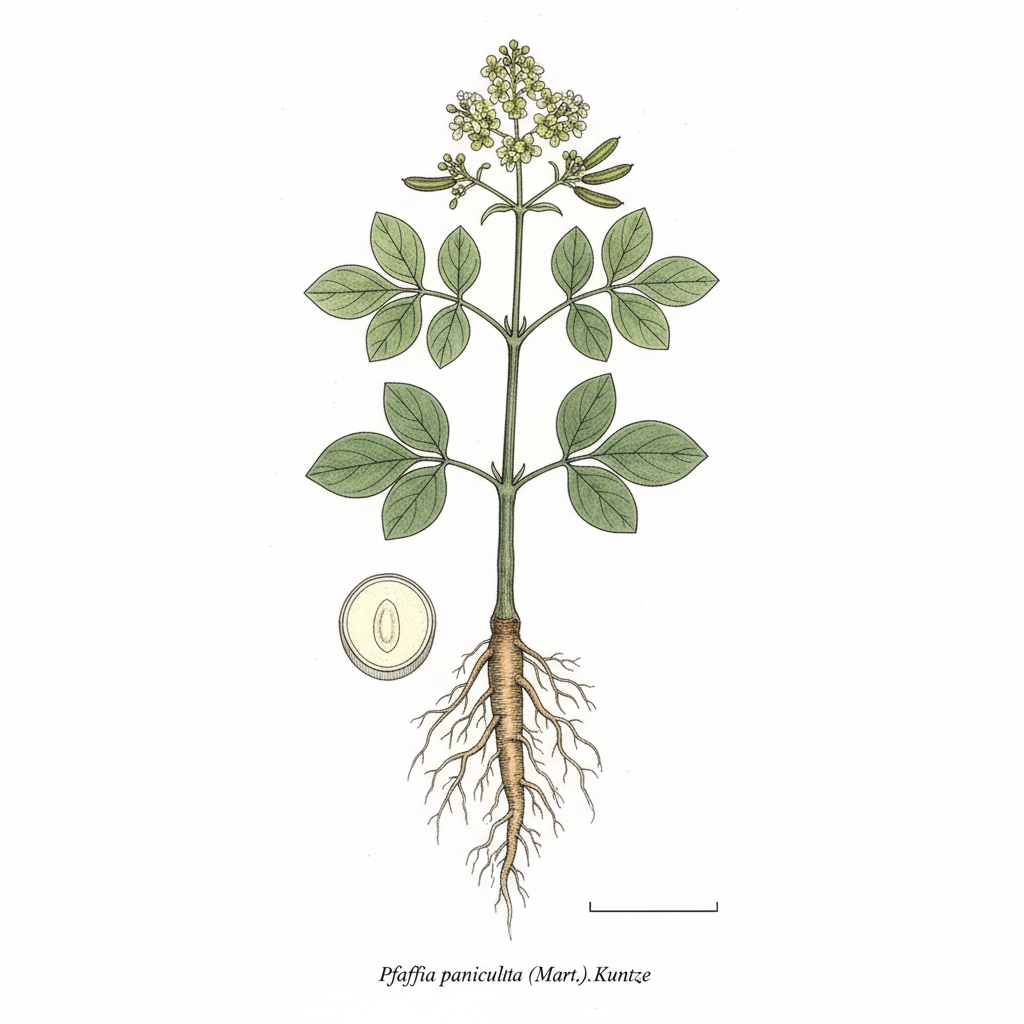
Brazillian ginseng

Brazillian ginseng

Pfaffia paniculata
Adaptation to Stress
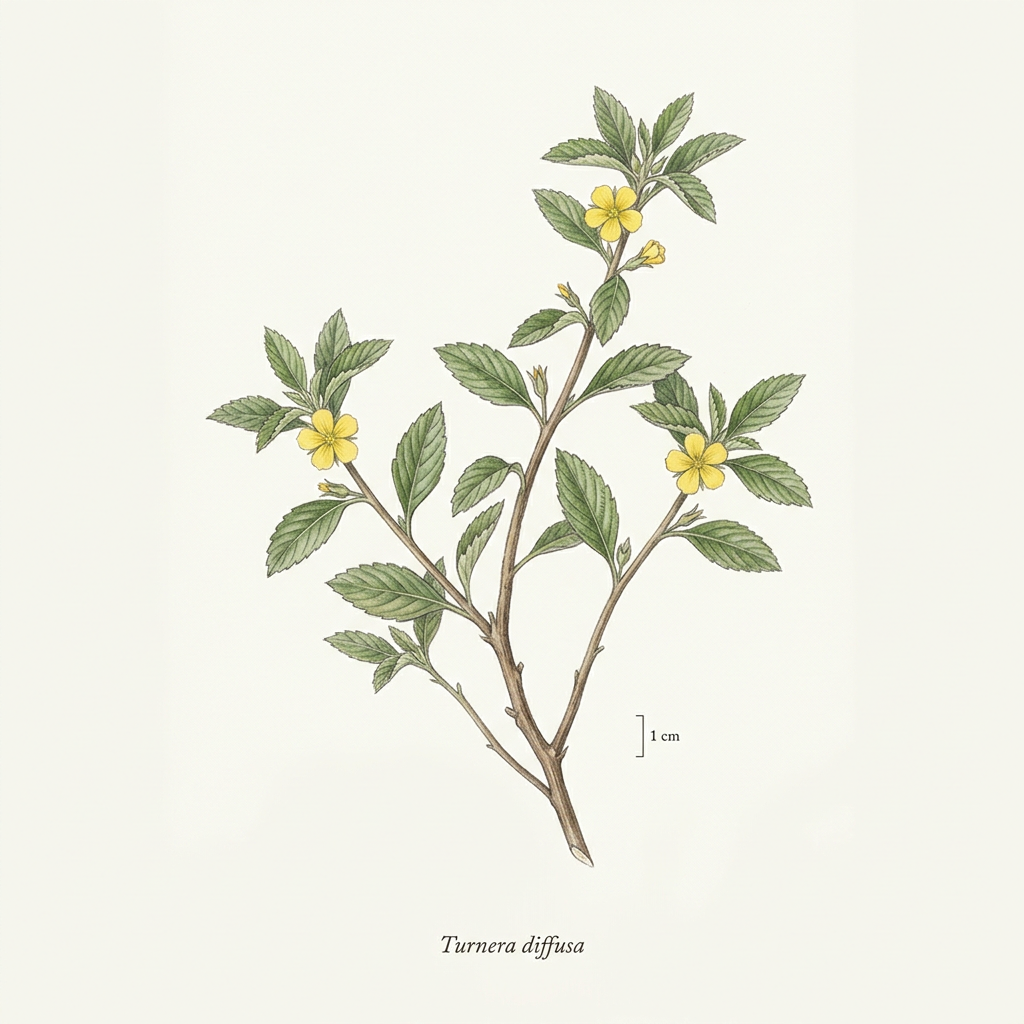
Damiana

Damiana

Turnera diffusa

Aphrodisiac Effect
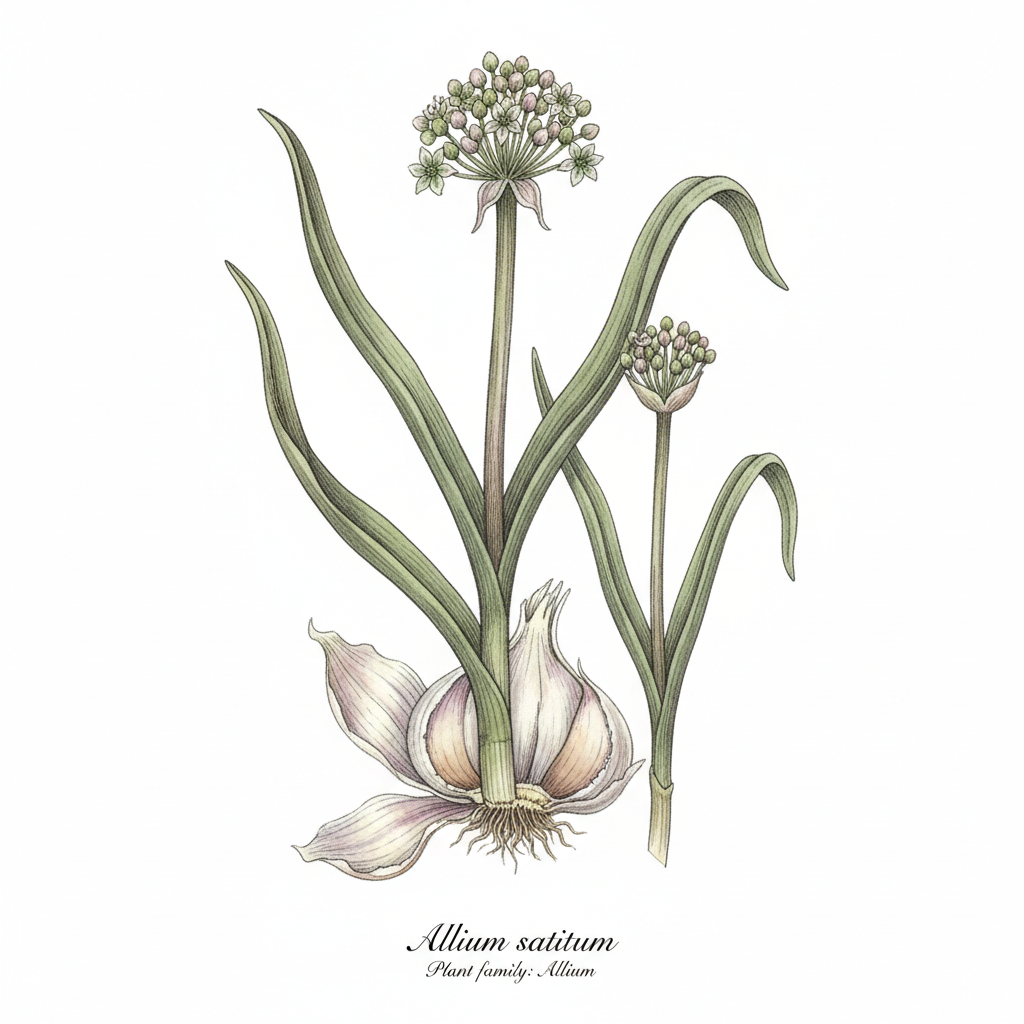
Garlic

Garlic

Allium sativum

Immune Support
Ginseng

Ginseng

Panax ginseng

Energy Booster