The Wild Sage logo
The Wild Sage Logo

Herbal Medicine at your fingertips

Comprehensive database of herbal remedies with detailed safety information and traditional uses

New to herbal terms? Read the glossary →
ADHD
Abcess
Acid Reflux Relief
Acinetobacter
Acne
Acne Vulgaris
Addisons
Adenomyosis
Adenovirus
Adrenal fatigue
Aging
Aids
Alcaligenes faecalis
Alcoholism
Allergic Rhinitis
Allergies
Allergy
Alopoecia
Alopoecia nervosa
Alzheimer's, Dementia & Cognitive Decline
420 herbs found
Important: This information is for educational purposes only. Always consult with qualified healthcare professionals before using herbal remedies, especially if you have existing health conditions or take medications.
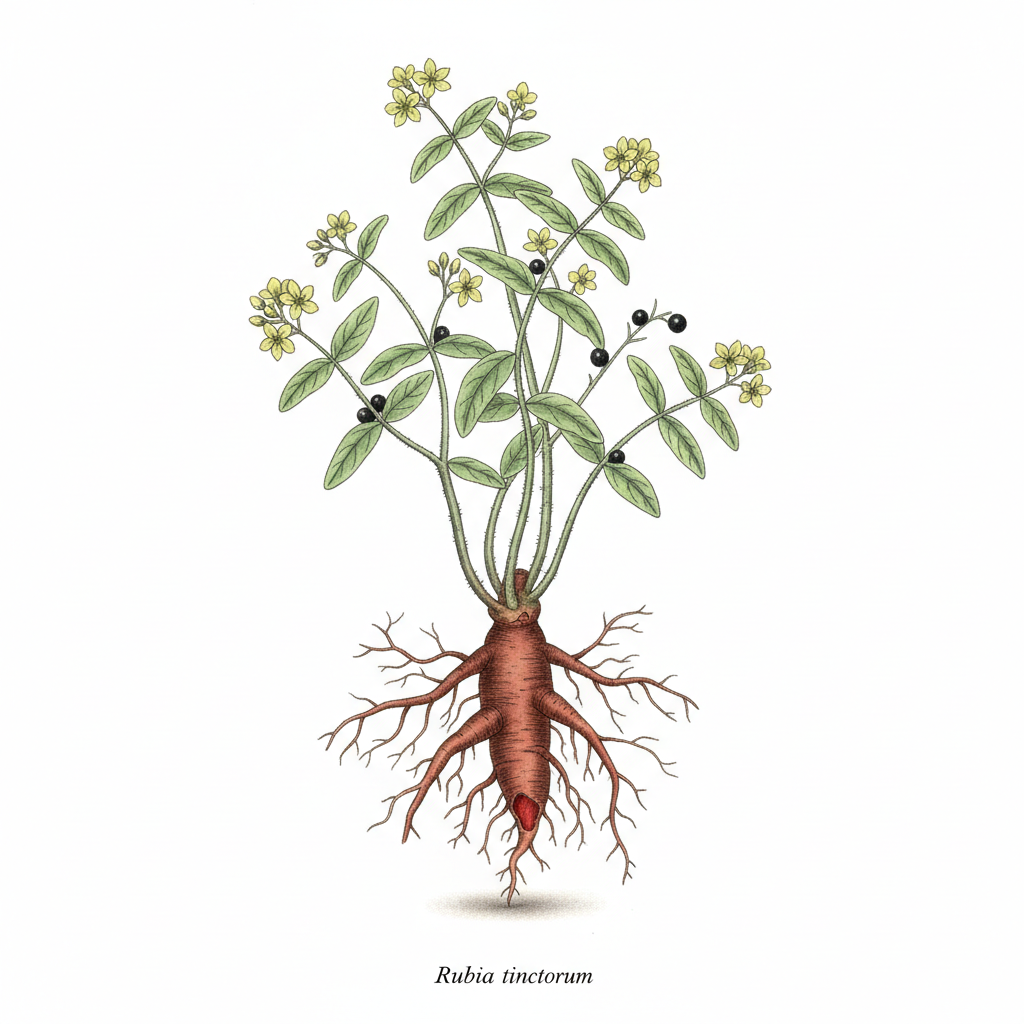
Madder root

Madder root

Rubia tinctorum

moderate risk Risk
Rubiaceae
<p>Madder root, known scientifically as Rubia tinctorum, is a perennial herb that belongs to the Rubiaceae family. Native to Europe and parts of Asia, this vibrant plant has been utilized since antiquity, not just for its striking red dye, but also for its myriad medicinal properties. Historically, madder root has been employed in traditional herbal medicine across various cultures. It was esteemed in ancient Egypt, where it was used for its dyeing capabilities, while in the Middle Ages, it gained popularity in European herbalism for its therapeutic applications, including promoting digestive health and acting as a blood purifier. The therapeutic efficacy of madder root is largely attributed to its diverse phytochemical constituents, including anthraquinones, flavonoids, and tannins. Renowned for its anti-inflammatory properties, madder root is often utilized to support skin health, particularly in the management of conditions such as eczema and psoriasis. Its ability to stimulate circulation is thought to enhance nutrient delivery to the skin, promoting a clearer and more radiant complexion. Furthermore, madder root has diuretic properties that can support kidney function and aid in the elimination of toxins from the body, contributing to overall wellness. When consumed, the active compounds in madder root interact with various physiological pathways. The anthraquinones, notable for their powerful anti-inflammatory actions, inhibit the synthesis of pro-inflammatory mediators, thereby reducing redness and swelling associated with inflammatory skin conditions. Additionally, the diuretic effect is facilitated through increased renal blood flow, promoting urine production and the excretion of waste materials. This synergistic action not only promotes skin health but also enhances detoxification processes within the body, making madder root a valuable addition to holistic health regimens. With its rich history and multiple health benefits, madder root stands as a testament to the time-honored practices of herbal medicine, bridging the gap between tradition and contemporary wellness.</p>

Uses & Conditions

Detoxification
Kidney Function Support
Blood Purification
Urinary Gravel
Renal Calculus
Psoriasis
Eczema
Amenorrhoea

Actions

Diuretic
Anti-inflammatory
COX 2 Inhibitor
NFkB Inhibitor
TNF-a Inhibitor

Parts Used

Root

Native Countries

Southern Europe
North Africa
Western Asia

USDA Hardiness Zones

5
6
7

Contraindications

  • Pregnancy and breastfeeding due to potential emmenagogue effects
  • Chronic renal failure or severe kidney disease
  • Diagnosed liver disease or impaired hepatic function
  • Discontinue at least two weeks prior to any elective surgery
  • Avoid long-term continuous use due to potential accumulation of active constituents

Potential Side Effects

  • Temporary red discolouration of urine
  • sweat
  • and saliva
  • Gastrointestinal upset including nausea or mild abdominal cramping
  • Potential for mild skin irritation when applied topically to sensitive areas

Interactions

  • Diuretics: potential for synergistic effects requiring blood pressure and electrolyte monitoring
  • Warfarin and antiplatelet drugs: caution advised due to potential presence of coumarin-like compounds
  • Hepatotoxic agents: increased risk of cumulative liver burden
  • Renal-cleared medication: potential alteration of excretion rates due to mild diuretic activity

Dosages, tincture ratios & research — members only

Unlock Garreth's dosing guidance, tincture ratios, the dosage calculator and the research studies for Madder root.

Your assessment and results stay saved — upgrading only unlocks more of them.

See membership plans

Community Photos

No community photos yet. Sign in to upload photos.

Reviews & Ratings

Sign in to leave a review.

No reviews yet. Be the first!

GF

Garreth Falls — B.Th., Dip. H.M., MNIMH

Content curated and reviewed by Garreth Falls, Consultant Medical Herbalist · The Wild Sage

Medical Disclaimer: This information is for educational purposes only and is not intended as medical advice. Always consult with qualified healthcare professionals before starting any herbal treatment.
Western tradition

Sustainability & quality

Cultivated

Historically a crop; ensure the root is correctly processed and identified.

Key constituents

Alizarin, Purpurin, Lucidin, Anthraquinone glycosides, Ruberythric acid, Flavonoids, Tannins

References

  1. British Herbal Pharmacopoeia 1983
  2. Herbal Reality. Herb monographs. herbalreality.com

Reviewed by Garreth, Medical Herbalist (MNIMH) · November 2026

Related conditions

Explore conditions where Madder root is traditionally used.

Related Herbs
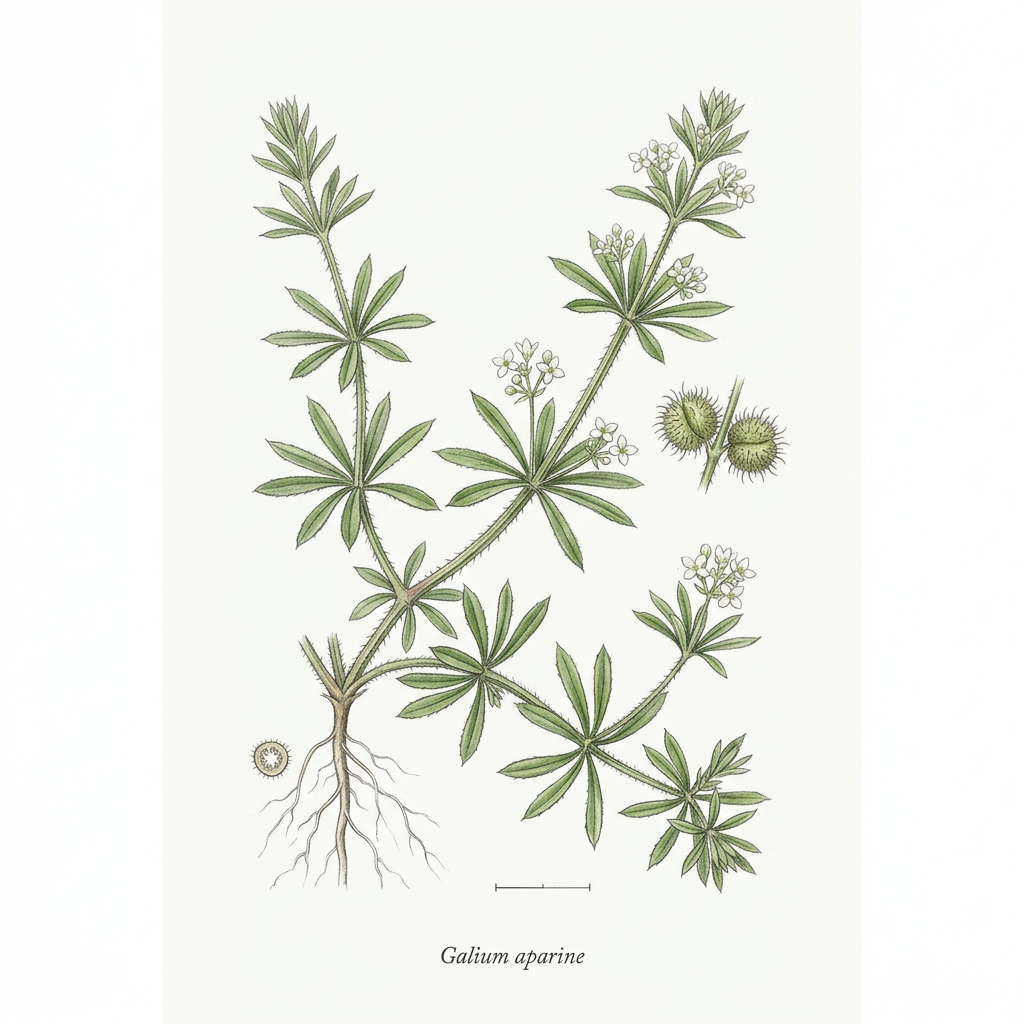
Cleavers

Cleavers

Galium aparine

Detoxification
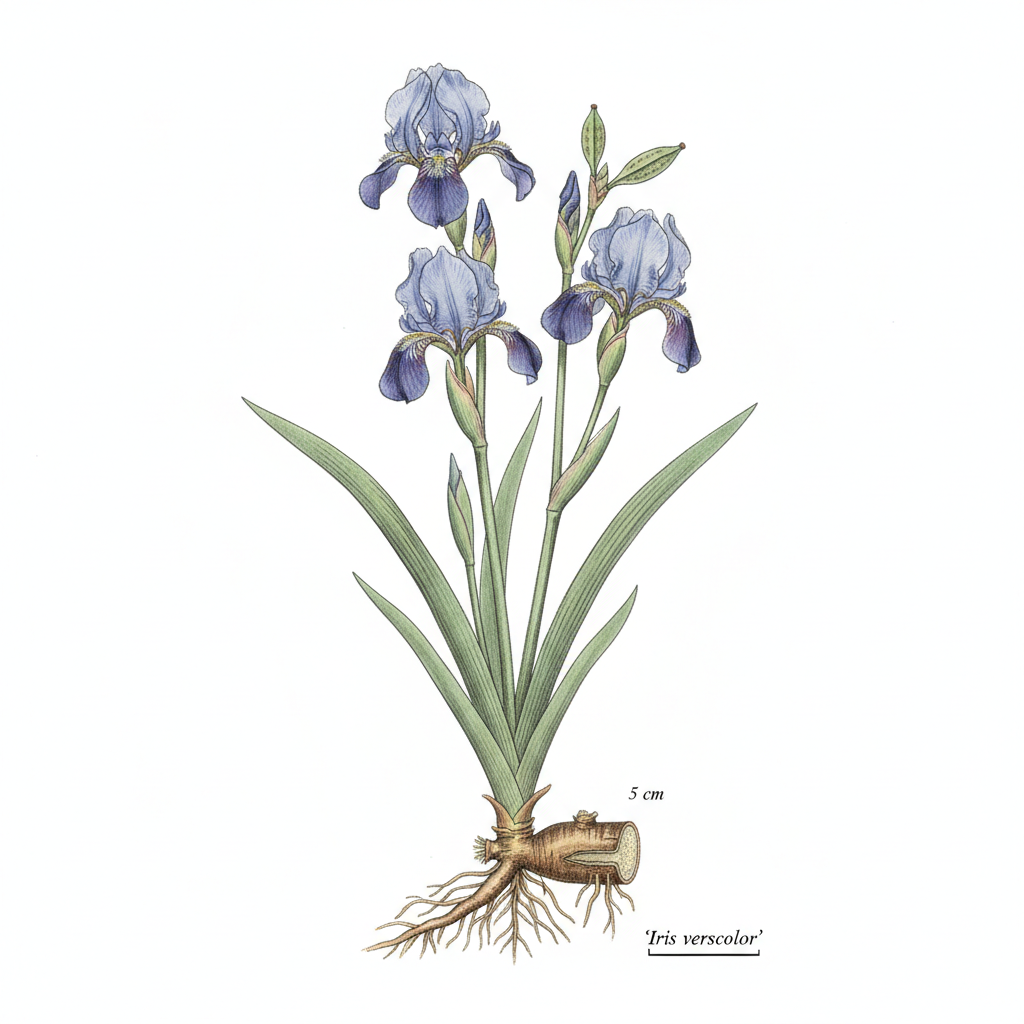
Blue flag

Blue flag

Iris versicolor

Detoxification
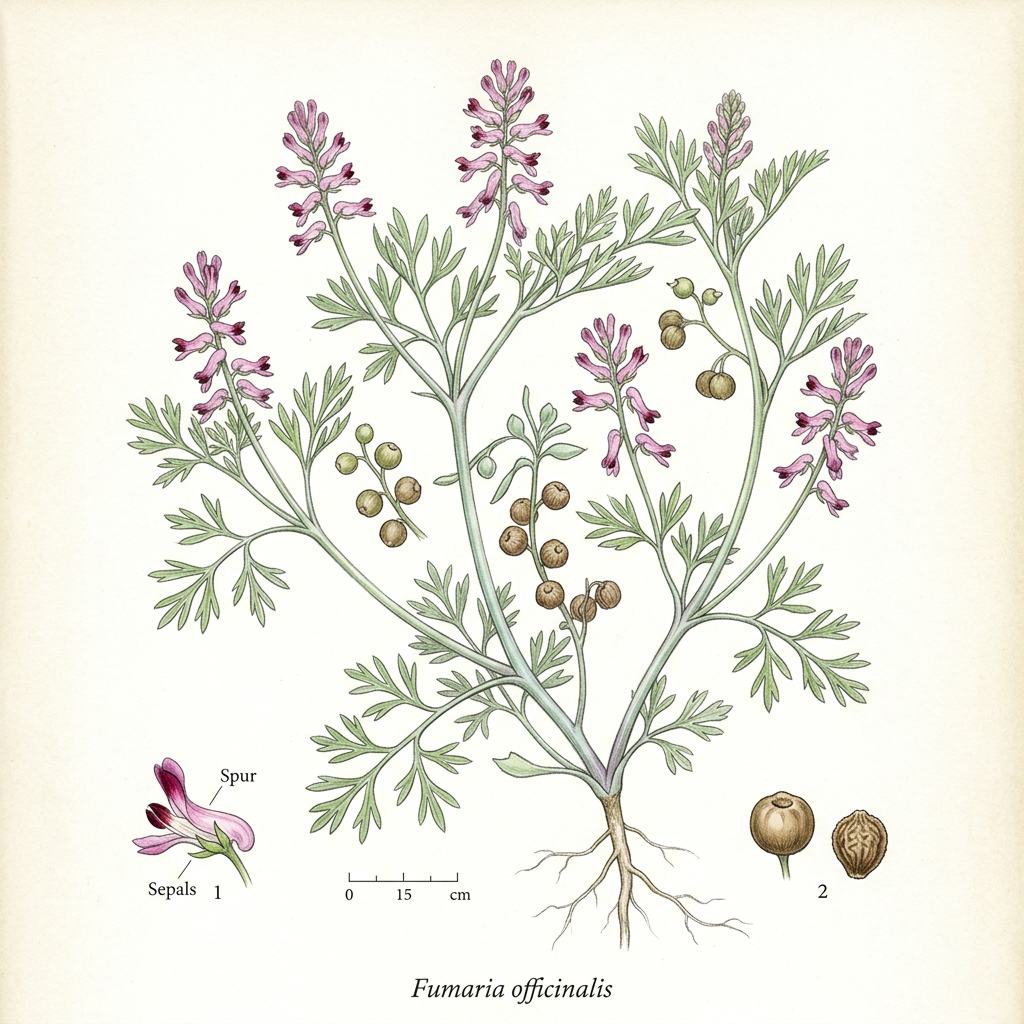
Fumary

Fumary

Fumaria officinalis

Detoxification
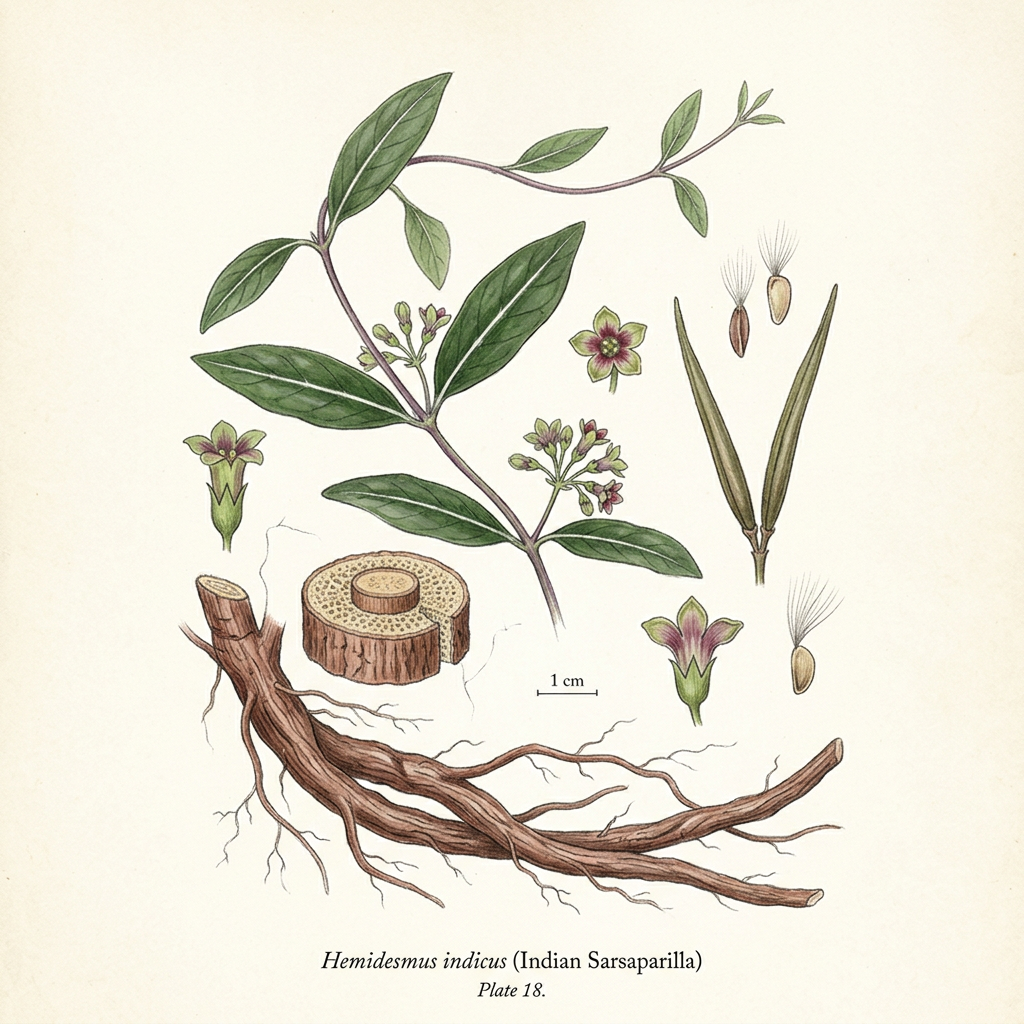
Indian sarsparilla

Indian sarsparilla

Hemidesmus

Detoxification