The Wild Sage logo
The Wild Sage Logo

Herbal Medicine at your fingertips

Comprehensive database of herbal remedies with detailed safety information and traditional uses

New to herbal terms? Read the glossary →
ADHD
Abcess
Acid Reflux Relief
Acinetobacter
Acne
Acne Vulgaris
Addisons
Adenomyosis
Adenovirus
Adrenal fatigue
Aging
Aids
Alcaligenes faecalis
Alcoholism
Allergic Rhinitis
Allergies
Allergy
Alopoecia
Alopoecia nervosa
Alzheimer's, Dementia & Cognitive Decline
420 herbs found
Important: This information is for educational purposes only. Always consult with qualified healthcare professionals before using herbal remedies, especially if you have existing health conditions or take medications.
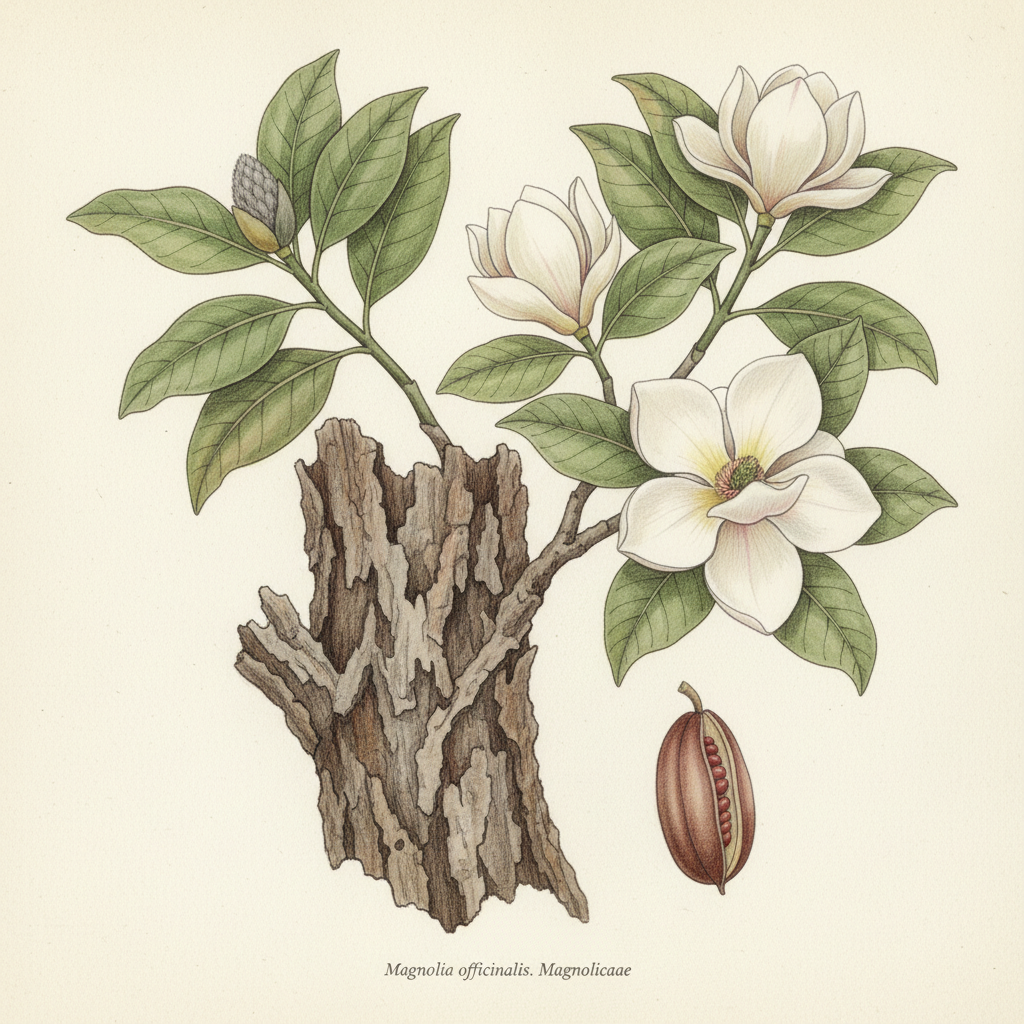
Magnolia

Magnolia

Magnolia officinalis

moderate risk Risk
Magnoliaceae
Calming, grounding, soothing for the mind and spirit.
<p>Magnolia, particularly Magnolia officinalis, is a revered herb in traditional herbal medicine, particularly within the systems of Chinese and Japanese herbal practices. Historically, the bark of the magnolia tree has been utilized for centuries as a remedy for a variety of ailments, ranging from digestive issues to respiratory problems. In traditional Chinese medicine, the dried bark (known as houpu) has been employed not only for its aromatic qualities but also for its ability to soothe stress and anxiety. The herb's historical significance reflects its integral role in the balance of human health and nature, symbolizing the deep-rooted connections between the environment and holistic healing. **Key Therapeutic Properties and Benefits:** Magnolia is best known for its potent anti-anxiety and sleep-supportive properties, making it a sought-after remedy for those dealing with everyday stress and sleep disturbances. The primary active compounds, magnolol and honokiol, possess anxiolytic and sedative effects that contribute to mood enhancement and relaxation. Users often report improved sleep quality and increased feelings of calm and emotional stability, allowing for better coping mechanisms in stressful situations. Additionally, magnolia is acknowledged for its potential antioxidant and anti-inflammatory properties, which may aid in overall well-being by reducing the physiological impacts of stress on the body. **Mechanism of Action:** The way magnolia works in the body primarily involves its influence on neurotransmitters related to mood and anxiety. The active compounds magnolol and honokiol interact with various receptors in the brain, including GABA (gamma-aminobutyric acid) receptors, which play a critical role in promoting relaxation and reducing neurochemical excitement. By modulating GABAergic activity, magnolia aids in calming the nervous system, leading to reduced anxiety and improved sleep quality. Furthermore, these compounds may also influence serotonin pathways, enhancing mood stability and overall emotional balance. As more individuals seek natural alternatives for mental wellness, the historical and therapeutic significance of magnolia continues to gain appreciation in contemporary herbalism, offering a reassuring bridge between traditional wisdom and modern holistic practices.</p>

Uses & Conditions

Stress Relief
Emotional Stability
Sleep Quality
Antioxidant Support
Anxiety Disorders
Insomnia
Chronic Inflammation
Obesity
Cancer
Digestive Disorders
Asthma
Bronchial Spasm
Catarrhal States
Inflammatory Bowel Disease
Arthritis
Autoimmune Disorders
Dysphagia
Tremor
Low Mood

Actions

Anxiolytic
Sedative
Anti-inflammatory
NFkB Inhibitor
TNF-a Inhibitor

Parts Used

bark

Native Countries

Asia

USDA Hardiness Zones

USDA 5-9

Contraindications

  • Pregnancy: Contra-indicated due to potential uterine stimulant activity in high doses.
  • Breastfeeding: Insufficient safety data is available.
  • Surgery: Discontinue at least two weeks before elective surgery due to potential sedative and anticoagulant effects.
  • Gastrointestinal obstruction: Not suitable in cases of physical obstruction.

Potential Side Effects

  • Mild gastrointestinal upset or nausea.
  • Excessive drowsiness or lethargy in sensitive individuals.
  • Rare reports of contact dermatitis from topical application.

Interactions

  • Benzodiazepines: Potential additive sedative effects.
  • Barbiturates: May potentiate central nervous system depressant effects.
  • Anticoagulants or antiplatelet medications: May theoretically increase bleeding risk.
  • Alcohol: Combined use may enhance drowsiness and sedation.

Dosages, tincture ratios & research — members only

Unlock Garreth's dosing guidance, tincture ratios, the dosage calculator and the research studies for Magnolia.

Your assessment and results stay saved — upgrading only unlocks more of them.

See membership plans

Community Photos

No community photos yet. Sign in to upload photos.

Reviews & Ratings

Sign in to leave a review.

No reviews yet. Be the first!

GF

Garreth Falls — B.Th., Dip. H.M., MNIMH

Content curated and reviewed by Garreth Falls, Consultant Medical Herbalist · The Wild Sage

Medical Disclaimer: This information is for educational purposes only and is not intended as medical advice. Always consult with qualified healthcare professionals before starting any herbal treatment.
Chinese tradition

Sustainability & quality

Cultivated

Extensively farmed in China. Ensure sourcing from reputable suppliers to confirm species identity and avoid misidentification with other Magnolia bark species.

Key constituents

Magnolol, Honokiol, Eudesmol, Obovaten, Essential oils, Alkaloids, Phenolic compounds

References

  1. Bensky "Chinese Herbal Medicine: Materia Medica" 3rd ed. 2004
  2. EMA/HMPC Community Herbal Monograph
  3. Herbal Reality. Herb monographs. herbalreality.com

Reviewed by Garreth, Medical Herbalist (MNIMH) · November 2026

Related conditions

Explore conditions where Magnolia is traditionally used.

Related Herbs
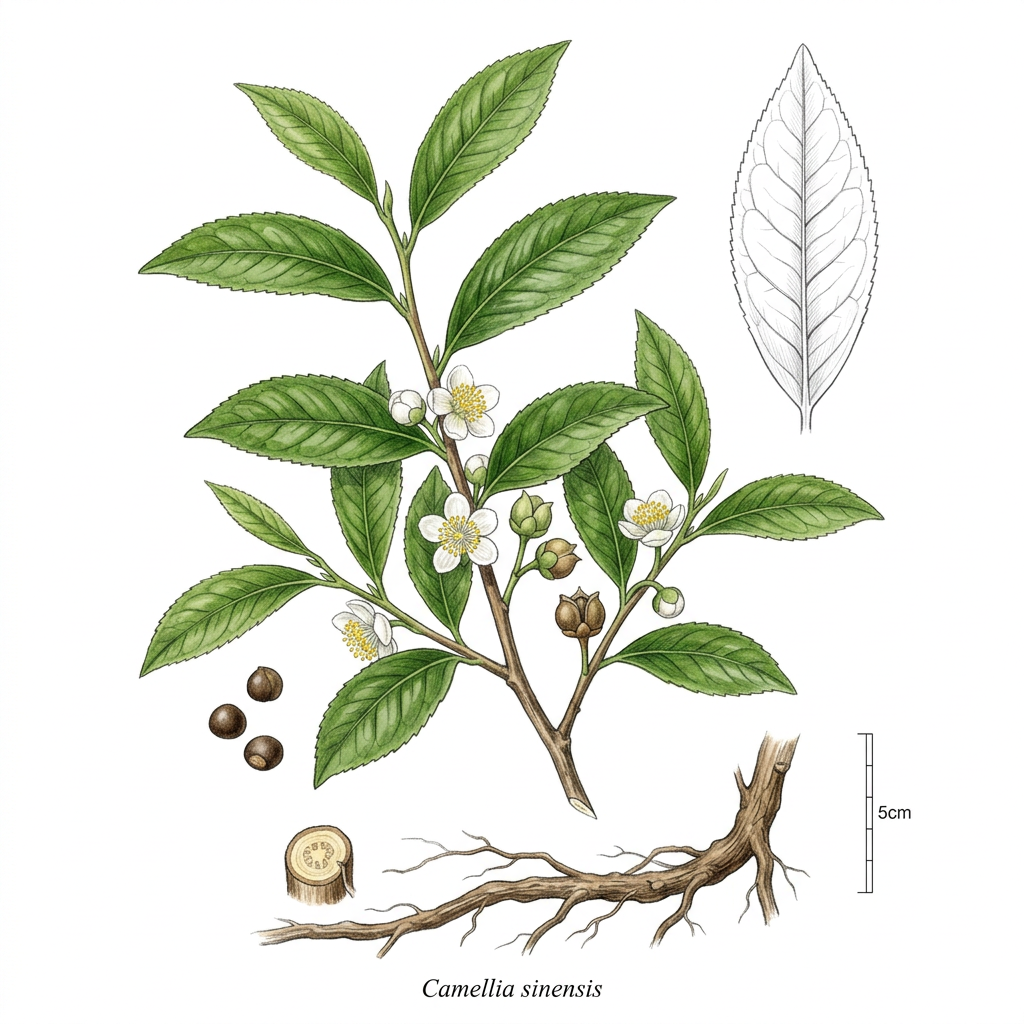
Green Tea

Green Tea

Camellia sinensis

Hypertension
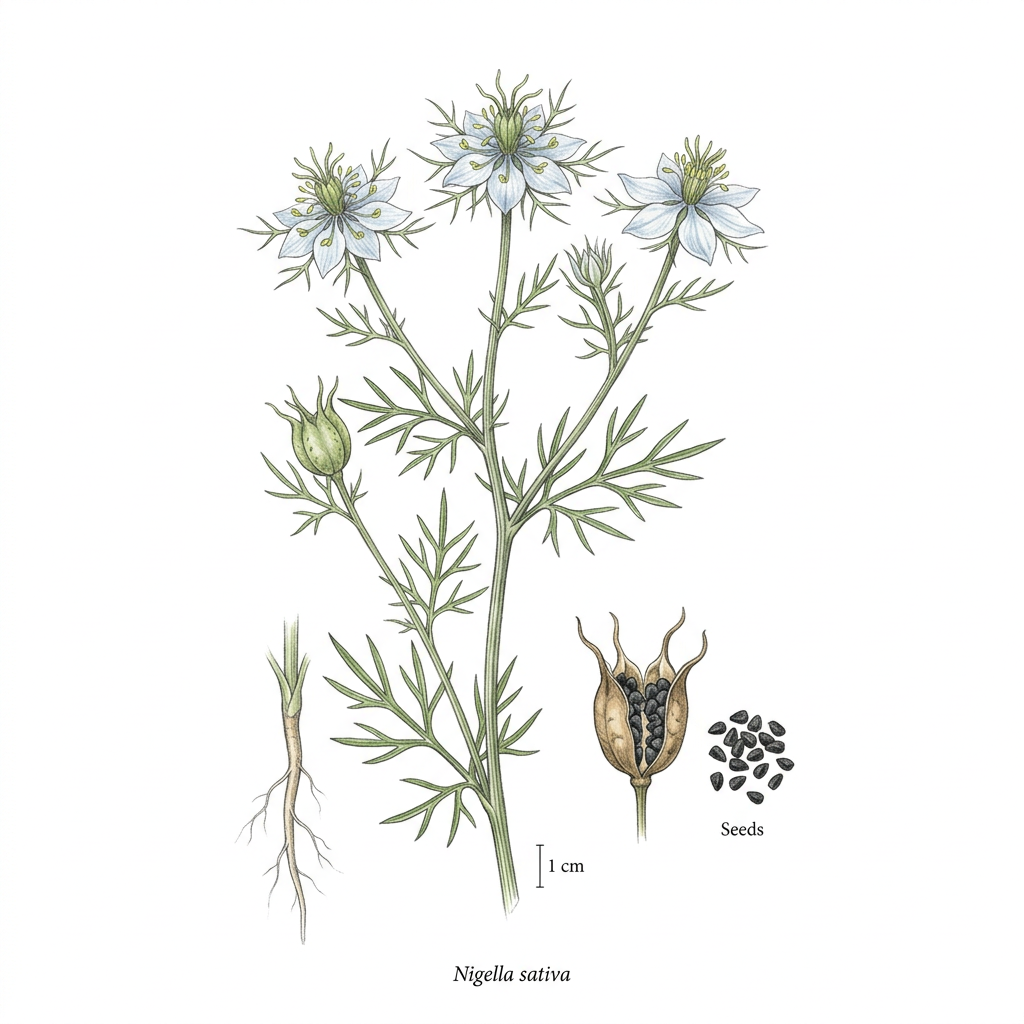
Black Cumin Seed

Black Cumin Seed

Nigella sativa

Antioxidant Support
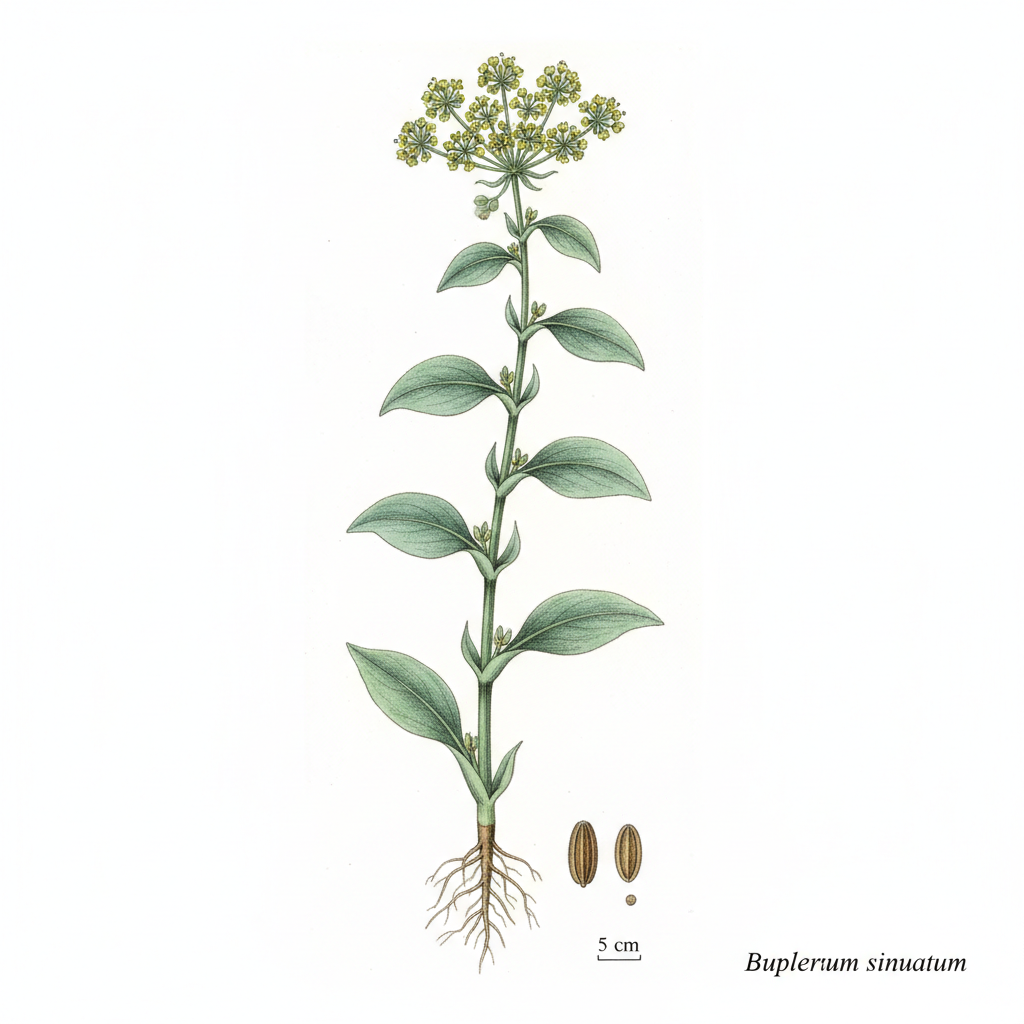
Bupleurum

Bupleurum

Bupleurum

Detoxification
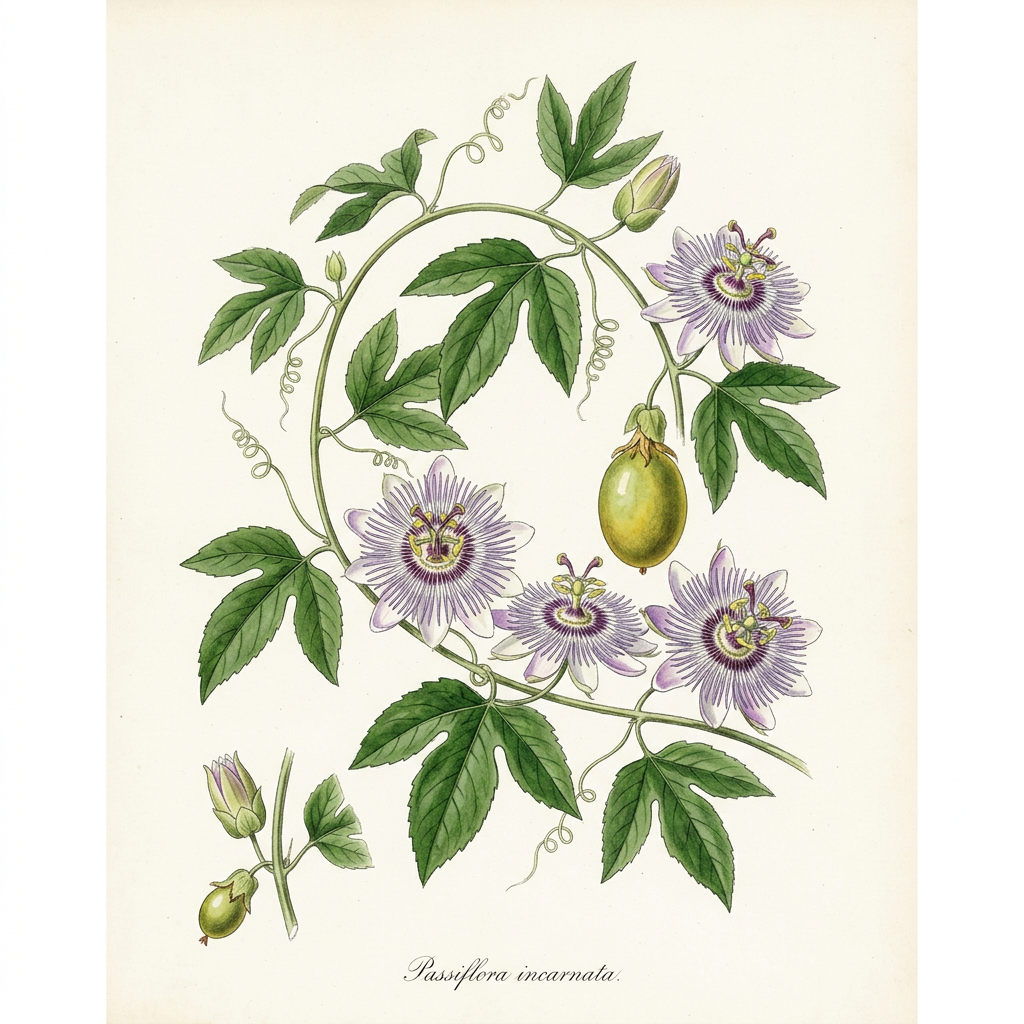
Passionflower

Passionflower

Passiflora incarnata

Calming Effects