The Wild Sage logo
The Wild Sage Logo

Herbal Medicine at your fingertips

Comprehensive database of herbal remedies with detailed safety information and traditional uses

New to herbal terms? Read the glossary →
ADHD
Abcess
Acid Reflux Relief
Acinetobacter
Acne
Acne Vulgaris
Addisons
Adenomyosis
Adenovirus
Adrenal fatigue
Aging
Aids
Alcaligenes faecalis
Alcoholism
Allergic Rhinitis
Allergies
Allergy
Alopoecia
Alopoecia nervosa
Alzheimer's, Dementia & Cognitive Decline
420 herbs found
Important: This information is for educational purposes only. Always consult with qualified healthcare professionals before using herbal remedies, especially if you have existing health conditions or take medications.
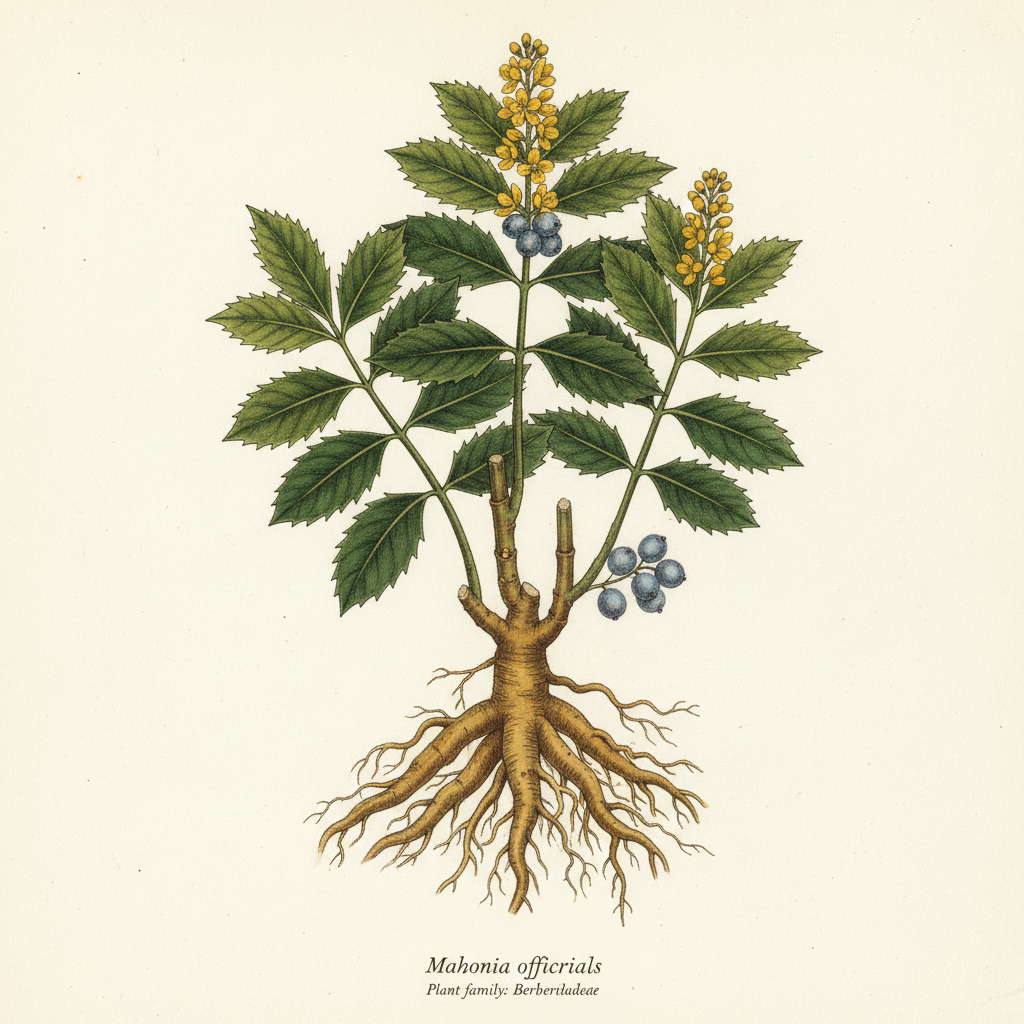
Mahonia

Mahonia

Mahonia aquifolium

moderate risk Risk
Berberidaceae
Bitter, warming
<p>Mahonia, commonly known as Oregon grape, is a perennial shrub native to the northwestern regions of North America and parts of Asia. Revered in traditional herbal medicine, Mahonia has a long-standing history of use among Indigenous peoples for its remarkable therapeutic properties. The plant's striking, holly-like leaves produce small clusters of yellow flowers, which subsequently yield dark blue berries. Traditionally, the root, bark, and berries of Mahonia have been employed for their medicinal qualities, often utilized in the treatment of various ailments, ranging from digestive disorders to skin conditions. Herbalists have historically valued Mahonia not only for its efficacy but also for its profound connection to the natural landscapes of its habitat, symbolizing resilience and healing. The therapeutic properties of Mahonia are multi-faceted, with its primary actions being antimicrobial, antioxidant, and digestive aiding. The root of Mahonia officinalis contains alkaloids—most notably berberine—which are known for their potent antibacterial and antifungal properties. This makes Mahonia an effective remedy for infections and inflammation. Furthermore, the herb exhibits significant antioxidant capabilities, helping to combat oxidative stress in the body and contributing to overall health. Its role as a digestive aid is highlighted by its ability to stimulate bile production, thus supporting liver function and promoting effective digestion. These combined actions make Mahonia a valuable addition to holistic health practices. In the body, Mahonia works primarily through its bioactive constituents, especially berberine, which engages with various biochemical pathways. Berberine has been shown to modulate the gut microbiome, enhancing the balance of beneficial bacteria while inhibiting pathogenic strains. Additionally, its antioxidant properties help scavenge free radicals, thereby protecting cells from damage and inflammation. By promoting bile production, Mahonia facilitates the emulsification of fats and enhances nutrient absorption in the gastrointestinal tract. This synergistic action not only aids in digestive health but also contributes to the herb’s overall efficacy in supporting immune function and maintaining systemic wellness. With ongoing research into its therapeutic potential, Mahonia remains a compelling herb for contemporary herbalists and those seeking natural remedies.</p>

Uses & Conditions

Digestive aid
Liver support
Energy improvement
Hepatitis
Dyspepsia
Irritable bowel syndrome
Chronic fatigue syndrome
Jaundice
Pyuria
Pyelonephritis
Peptic ulcer
H. pylori infection
Haematuria
Dermatitis
Acne
Microbial infection

Actions

Antimicrobial
Antioxidant
Hepatic
Cytoprotective

Parts Used

Roots

Native Countries

North America

USDA Hardiness Zones

USDA 5-9

Contraindications

  • Pregnancy due to potential uterine stimulant effects
  • Breastfeeding due to risk of kernicterus in neonates
  • Gallstones or bile duct obstruction
  • Jaundice or liver disease (use only under expert supervision)
  • Neonates and infants

Potential Side Effects

  • Gastrointestinal upset including diarrhoea
  • nausea
  • or abdominal cramping at high doses
  • Topical application may cause mild stinging or local irritation
  • Potential for minor reduction in blood glucose levels

Interactions

  • Ciclosporin: berberine may decrease metabolism, increasing blood levels
  • Metformin: may enhance hypoglycaemic effects
  • Antibiotics: potential for additive effects altering gut microbiome
  • Drugs metabolised by CYP3A4/2D6: berberine may alter pharmacokinetics

Dosages, tincture ratios & research — members only

Unlock Garreth's dosing guidance, tincture ratios, the dosage calculator and the research studies for Mahonia.

Your assessment and results stay saved — upgrading only unlocks more of them.

See membership plans

Community Photos

No community photos yet. Sign in to upload photos.

Reviews & Ratings

Sign in to leave a review.

No reviews yet. Be the first!

GF

Garreth Falls — B.Th., Dip. H.M., MNIMH

Content curated and reviewed by Garreth Falls, Consultant Medical Herbalist · The Wild Sage

Medical Disclaimer: This information is for educational purposes only and is not intended as medical advice. Always consult with qualified healthcare professionals before starting any herbal treatment.
Western tradition

Sustainability & quality

Abundant

Often found as an introduced or garden plant. It is considered an invasive species in some areas, making it widely available for ethical wild-harvesting.

Key constituents

Antioxidant, Antimicrobial, Digestive enzymes, Alkaloids, Berberine, Isoquinonline alkaloids, Hydrastine, Berbamine, Oxycanthine

References

  1. Bone & Mills "Principles and Practice of Phytotherapy" 2nd ed. 2013
  2. British Herbal Pharmacopoeia 1983
  3. Herbal Reality. Herb monographs. herbalreality.com

Reviewed by Garreth, Medical Herbalist (MNIMH) · November 2026

Related conditions

Explore conditions where Mahonia is traditionally used.

Related Herbs
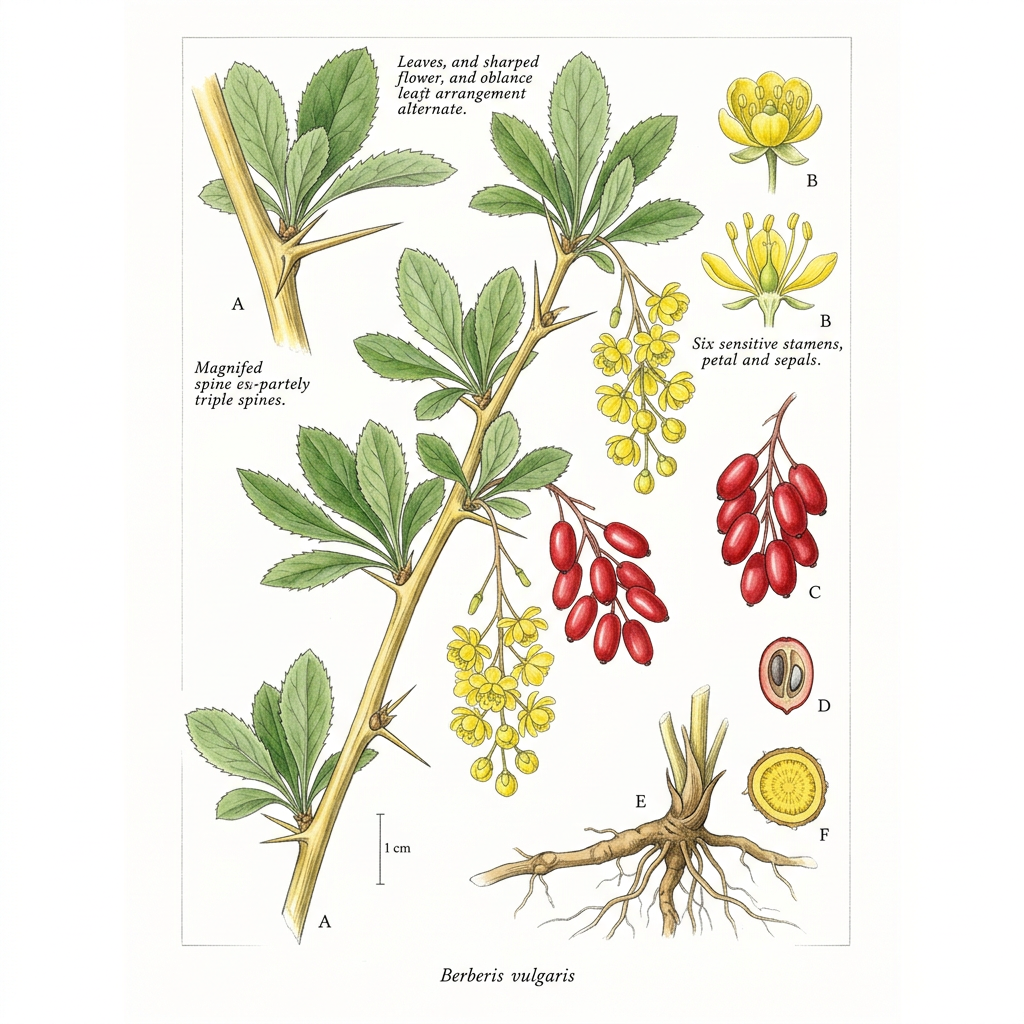
Barberry

Barberry

Berberis vulgaris

Digestive Aid
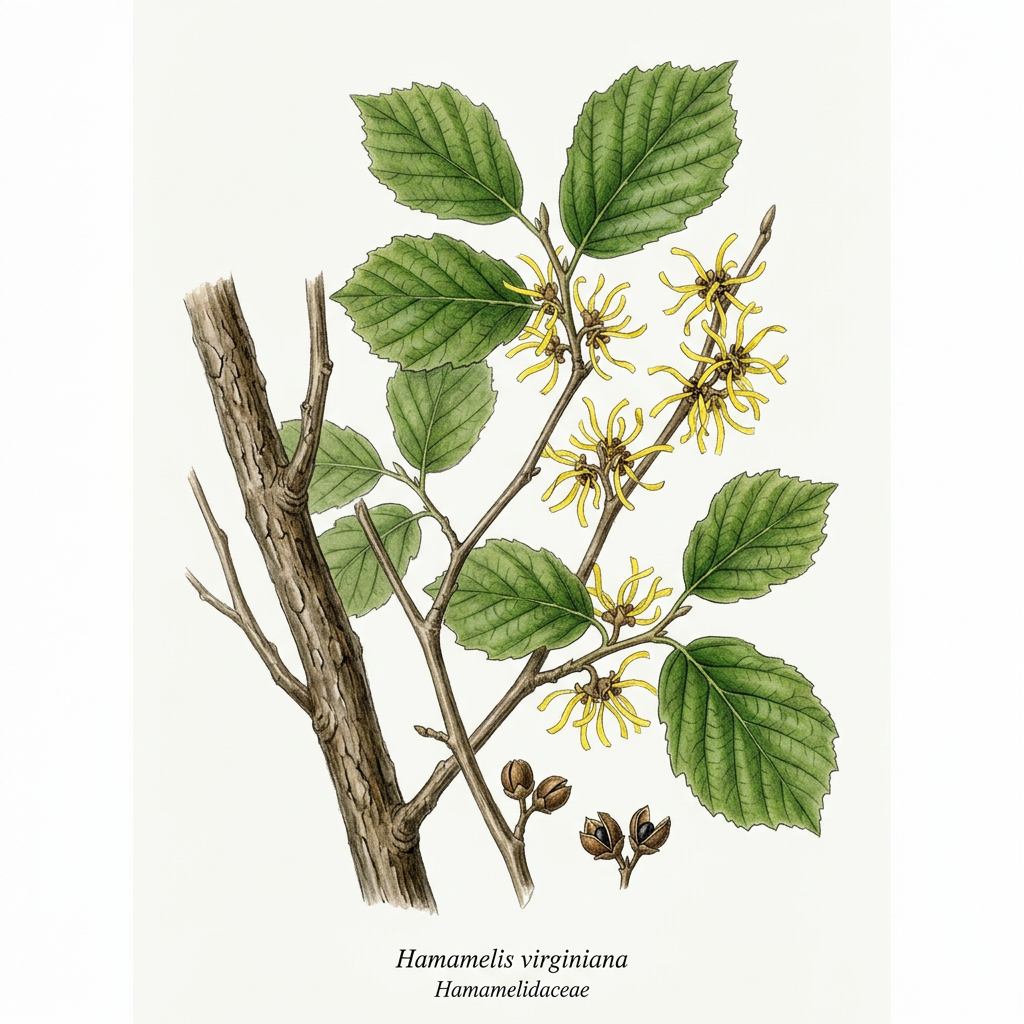
Witch Hazel

Witch Hazel

Hamamelis virginiana

Wound healing
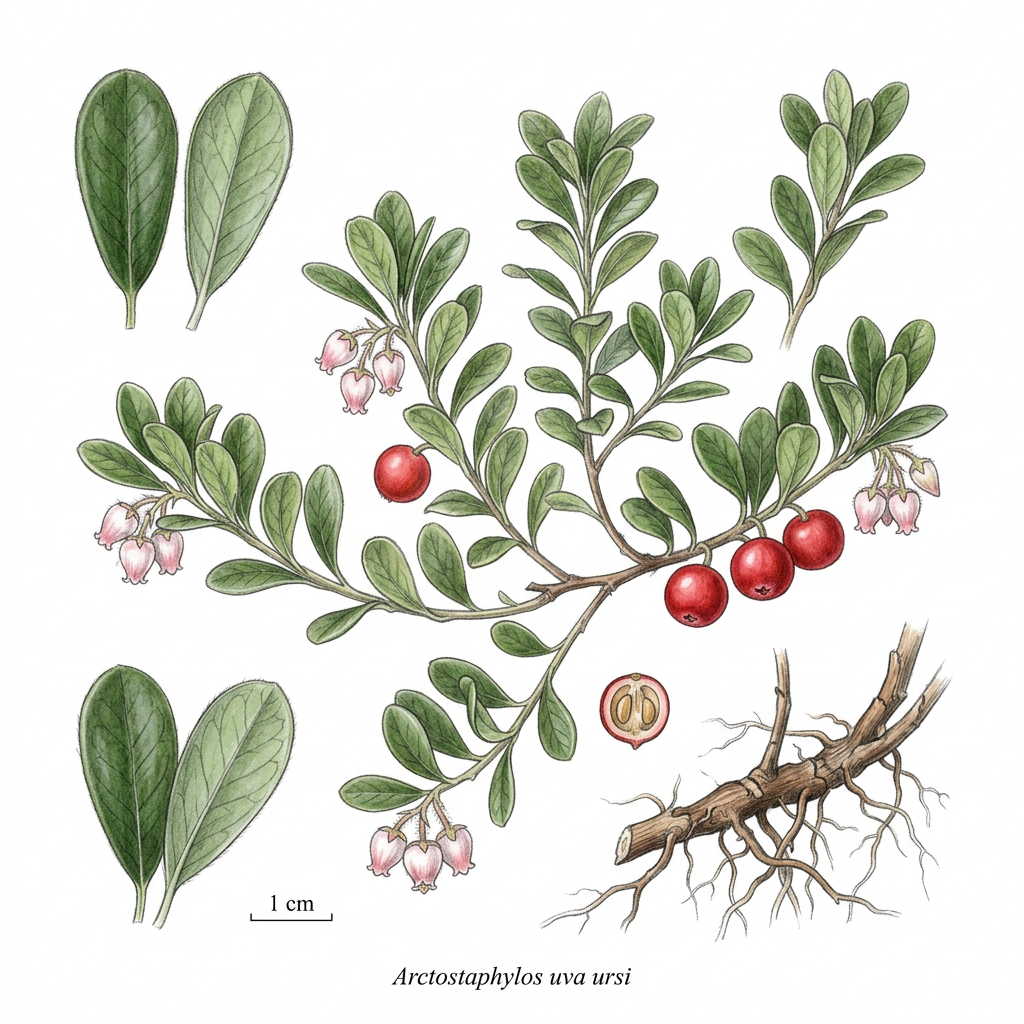
Bearberry

Bearberry

Arctostaphylos uva ursi

Urinary Health
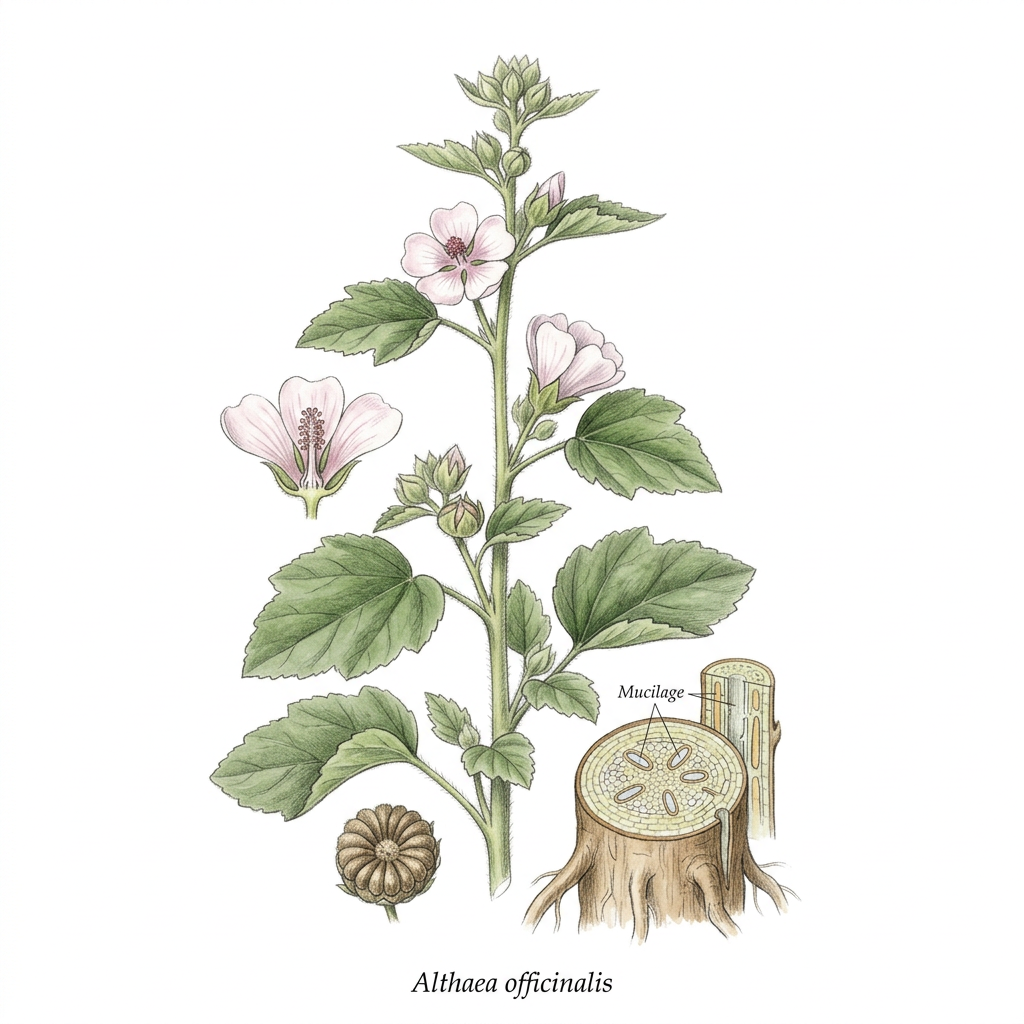
Marshmallow

Marshmallow

Althaea officinalis

Digestive Aid