The Wild Sage logo
The Wild Sage Logo

Herbal Medicine at your fingertips

Comprehensive database of herbal remedies with detailed safety information and traditional uses

New to herbal terms? Read the glossary →
ADHD
Abcess
Acid Reflux Relief
Acinetobacter
Acne
Acne Vulgaris
Addisons
Adenomyosis
Adenovirus
Adrenal fatigue
Aging
Aids
Alcaligenes faecalis
Alcoholism
Allergic Rhinitis
Allergies
Allergy
Alopoecia
Alopoecia nervosa
Alzheimer's, Dementia & Cognitive Decline
420 herbs found
Important: This information is for educational purposes only. Always consult with qualified healthcare professionals before using herbal remedies, especially if you have existing health conditions or take medications.
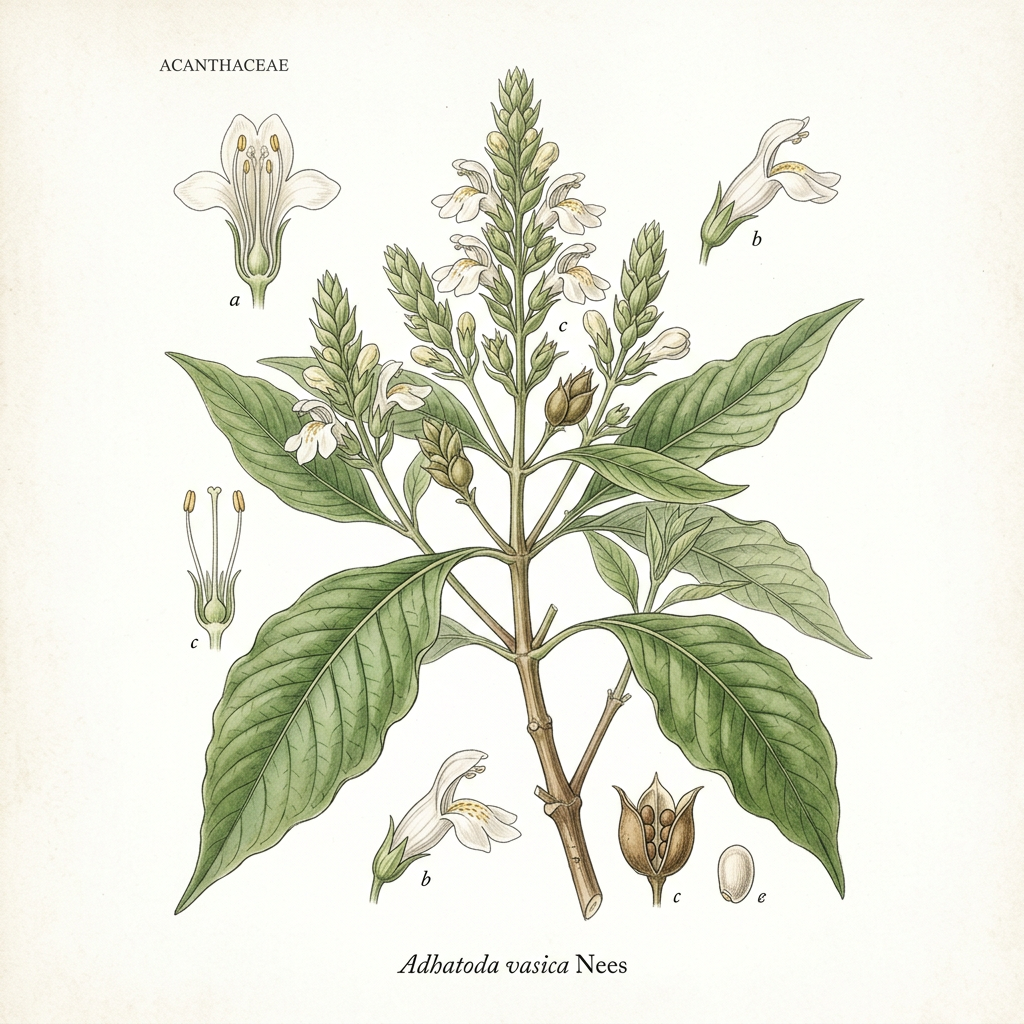
Malabar Nut

Malabar Nut

Adhatoda vasica

moderate risk Risk
Acanthaceae
bittter astringent, pungent and cold
<p>**Herb Name:** Malabar Nut **Scientific Name:** *Adhatoda vasica* Malabar Nut, scientifically known as *Adhatoda vasica*, is a perennial plant native to the Indian subcontinent but can be found in tropical areas across Asia and Africa. Traditionally revered in Ayurvedic medicine, this herb has been a cornerstone in the treatment of respiratory ailments for centuries. Often referred to as “Vasaka,” Malabar Nut has been used in various formulations, from syrups to decoctions, aimed at alleviating coughs and respiratory distress. Its historical prominence can be traced back to ancient texts that detail its usage in managing bronchitis, asthma, and even tuberculosis, highlighting its integral role in holistic approaches to respiratory health in traditional practices. The therapeutic properties of Malabar Nut are extensive, making it a valuable addition to herbal medicine. This herb is primarily recognized for its expectorant, antitussive, and bronchodilator effects, which make it particularly effective in the treatment of coughs and bronchitis. Additionally, its anti-inflammatory and antimicrobial properties contribute to its efficacy against various infections, soothing inflamed mucous membranes and promoting overall respiratory health. The presence of active compounds such as vasicine and vasicinone facilitates the relaxation of bronchial smooth muscle, thereby improving airflow and easing breathing difficulties associated with asthma. Clinical studies have also begun to highlight its potential in reducing mucus production, thus assisting in the clearance of respiratory passages. Within the body, Malabar Nut functions by modulating the bronchial response to inflammatory stimuli, largely due to its pharmacological constituents. When consumed, it acts on the respiratory tract, stimulating the secretion of mucus while also reducing the viscosity of sputum, which collectively aids in alleviating coughs. The antitussive action helps to suppress the cough reflex, providing relief to individuals suffering from persistent coughs. Furthermore, Malabar Nut has been shown to enhance respiratory function by dilating bronchial passages, making it an invaluable ally in the management of chronic respiratory conditions. The synergistic effects of its active compounds underscore Malabar Nut’s traditional standing as a powerful herb in promoting respiratory wellness and overall vitality.</p>

Uses & Conditions

Asthma
Bronchitis
Chronic Obstructive Pulmonary Disease
Respiratory infections
Cough
Gingivitis
Diarrhoea
Inflammatory conditions

Actions

Anti-asthmatic
Respiratory stimulant
Anti-inflammatory
Mucolytic
Abortifacient
NFkB inhibitor
TNF-a reduction
Bronchodilator
Antitussive
Antimicrobial
Cytoprotective

Parts Used

Leaves

Native Countries

Asia

USDA Hardiness Zones

USDA 10-11

Contraindications

  • Pregnancy: avoid due to potential uterine stimulant effects of vasicine
  • Breastfeeding: lack of safety data precludes recommendation
  • Hypotension: caution advised due to potential vasodilator properties
  • Severe liver or kidney impairment: monitor closely
  • Planned surgery: cease usage at least two weeks prior to procedures

Potential Side Effects

  • Gastrointestinal upset including nausea or abdominal cramping
  • Dizziness
  • Headache
  • Dermal irritation

Interactions

  • Anticoagulants and antiplatelet agents: potential additive effects may increase bleeding risk
  • Hypoglycaemic agents: may potentiate blood sugar lowering effects
  • Antihypertensive medications: possible additive effect due to potential vasodilation
  • Sedatives: potential influence on central nervous system activity

Dosages, tincture ratios & research — members only

Unlock Garreth's dosing guidance, tincture ratios, the dosage calculator and the research studies for Malabar Nut.

Your assessment and results stay saved — upgrading only unlocks more of them.

See membership plans

Community Photos

No community photos yet. Sign in to upload photos.

Reviews & Ratings

Sign in to leave a review.

No reviews yet. Be the first!

GF

Garreth Falls — B.Th., Dip. H.M., MNIMH

Content curated and reviewed by Garreth Falls, Consultant Medical Herbalist · The Wild Sage

Medical Disclaimer: This information is for educational purposes only and is not intended as medical advice. Always consult with qualified healthcare professionals before starting any herbal treatment.
Ayurvedic tradition

Sustainability & quality

Cultivated

Often wild-harvested but increasingly available from sustainable agricultural projects in India.

Key constituents

Vasicine, Vasicinone, Deoxyvasicine, Essential oils, Alkaloids, Flavonoids, Beta-sitosterol

References

  1. Bensky "Chinese Herbal Medicine: Materia Medica" 3rd ed. 2004
  2. Pole "Ayurvedic Medicine" 2006
  3. Herbal Reality. Herb monographs. herbalreality.com

Reviewed by Garreth, Medical Herbalist (MNIMH) · November 2026

Related conditions

Explore conditions where Malabar Nut is traditionally used.

Related Herbs
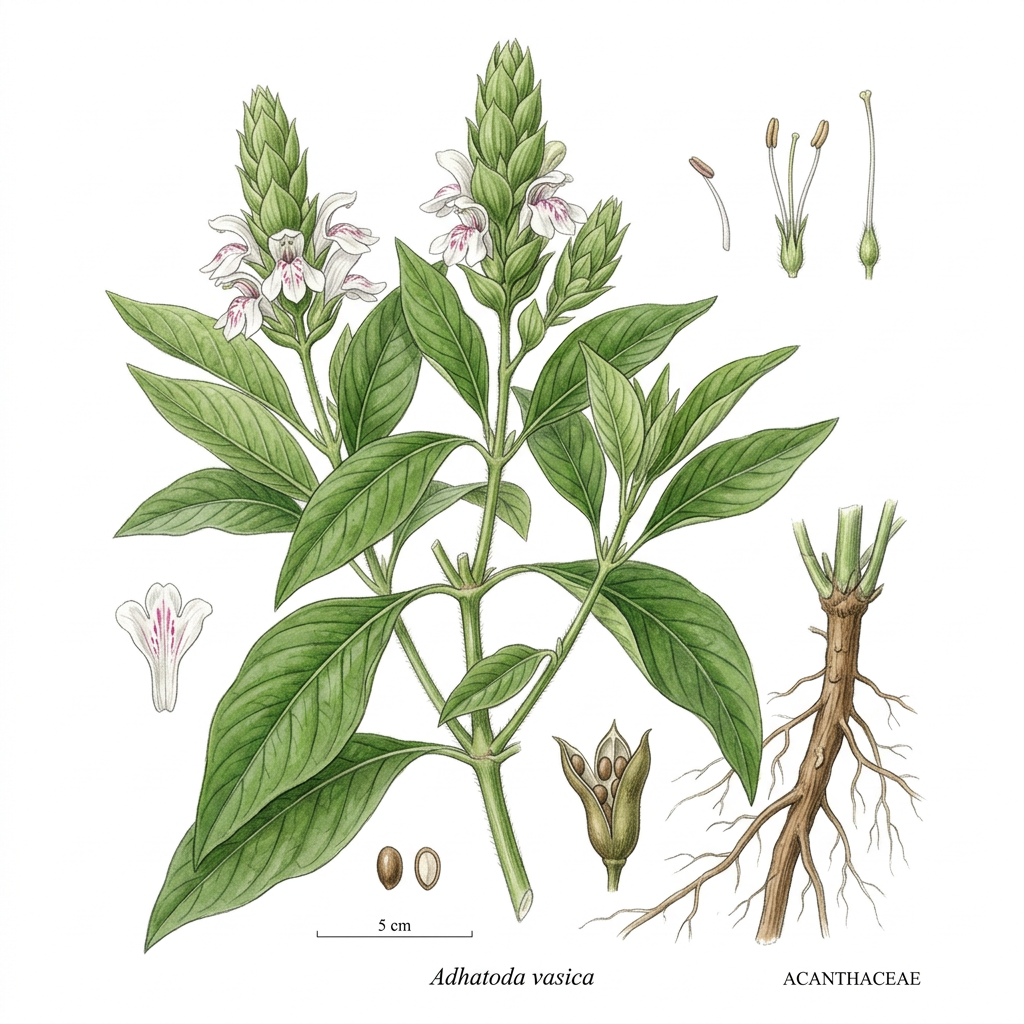
Adhatoda vasia

Adhatoda vasia
Adhatoda vasia

Diabetes
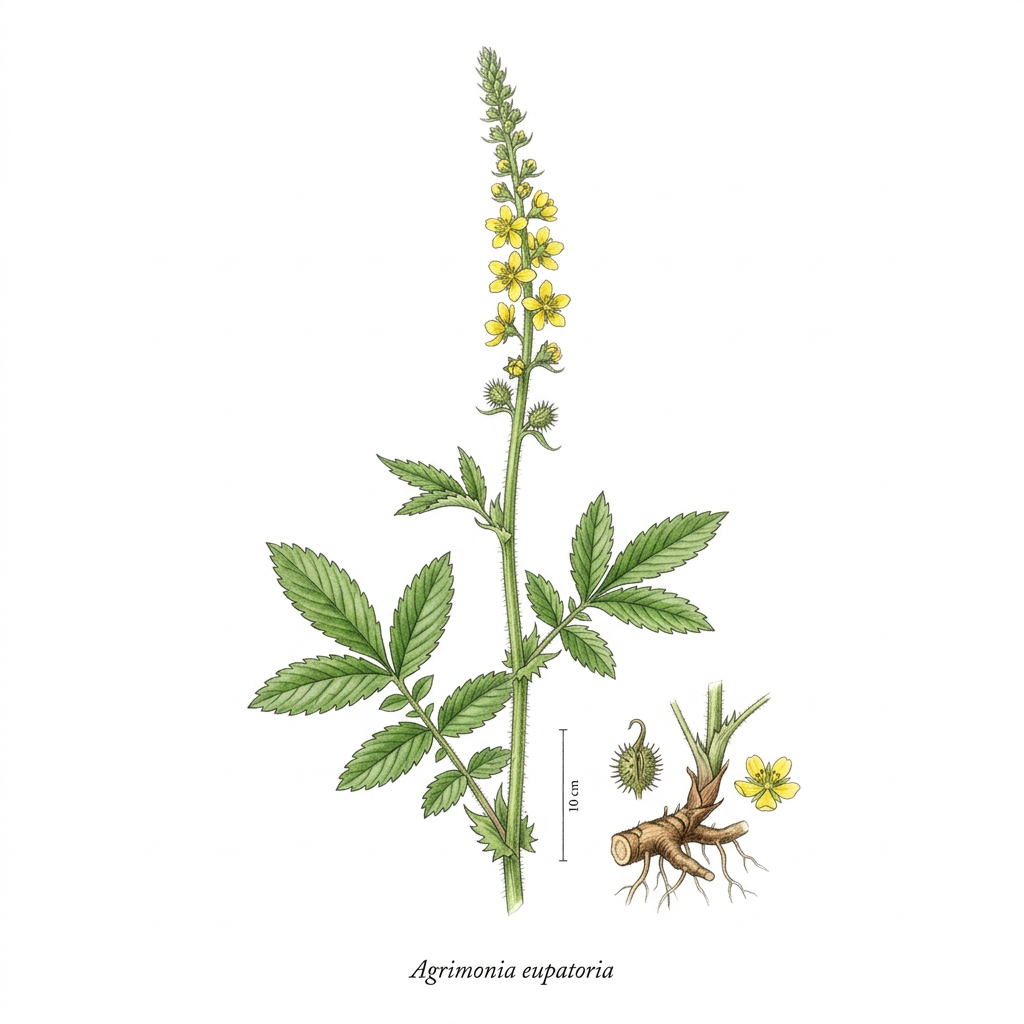
Agrimony

Agrimony

Agrimonia eupatoria

Digestive Aid
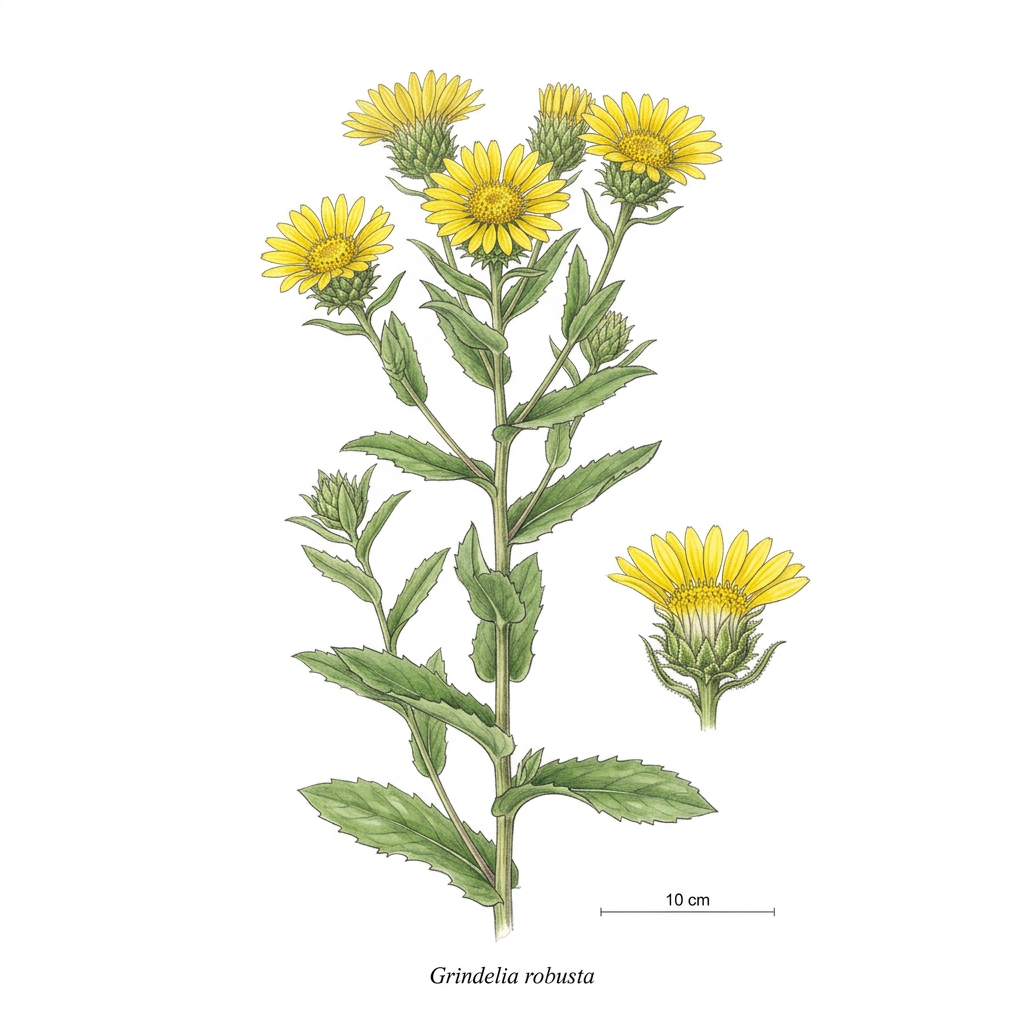
Grindelia

Grindelia

Grindelia robusta

Mucus clearance
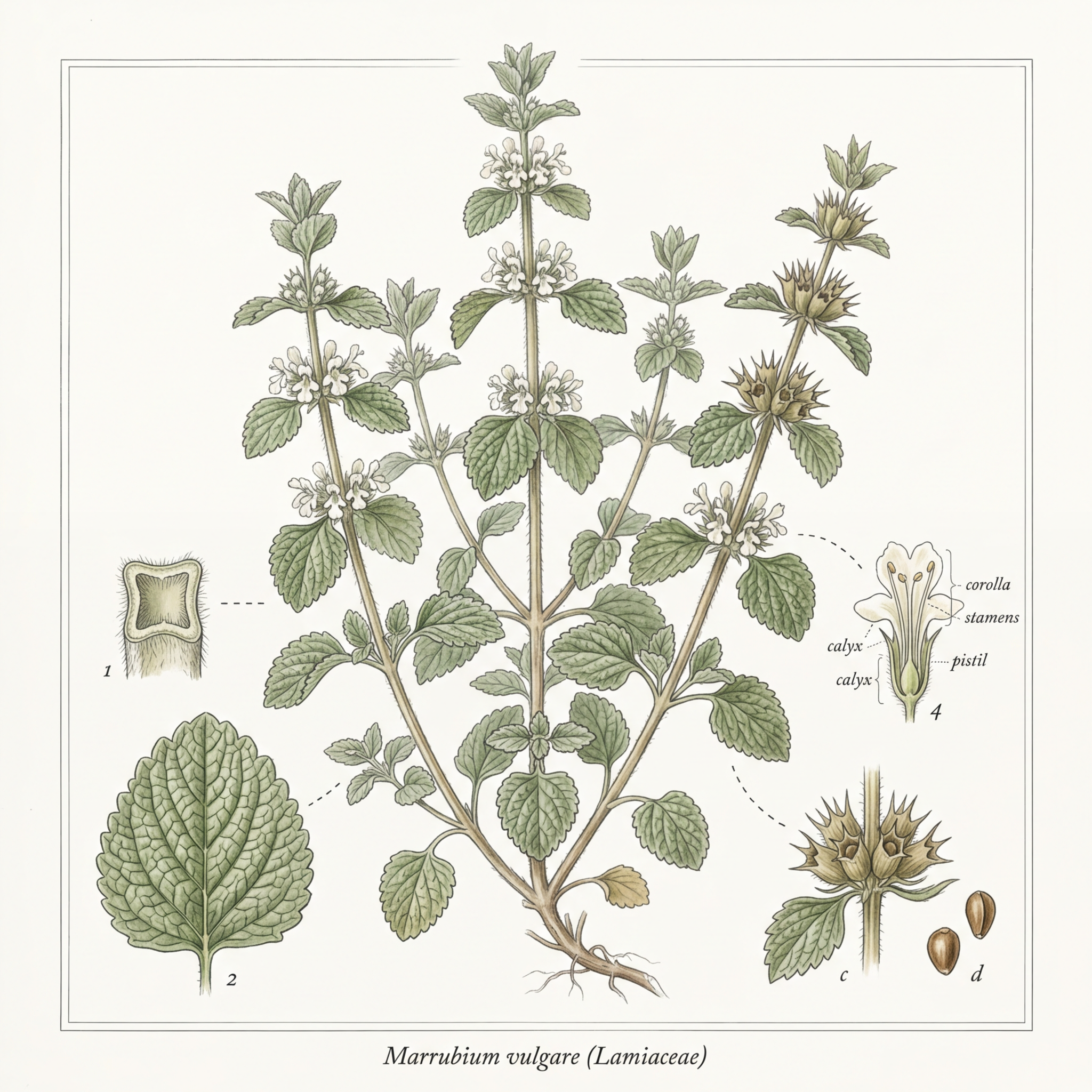
White Horehound

White Horehound

Marrubium vulgare

Digestive aid