The Wild Sage logo
The Wild Sage Logo

Herbal Medicine at your fingertips

Comprehensive database of herbal remedies with detailed safety information and traditional uses

New to herbal terms? Read the glossary →
ADHD
Abcess
Acid Reflux Relief
Acinetobacter
Acne
Acne Vulgaris
Addisons
Adenomyosis
Adenovirus
Adrenal fatigue
Aging
Aids
Alcaligenes faecalis
Alcoholism
Allergic Rhinitis
Allergies
Allergy
Alopoecia
Alopoecia nervosa
Alzheimer's, Dementia & Cognitive Decline
420 herbs found
Important: This information is for educational purposes only. Always consult with qualified healthcare professionals before using herbal remedies, especially if you have existing health conditions or take medications.
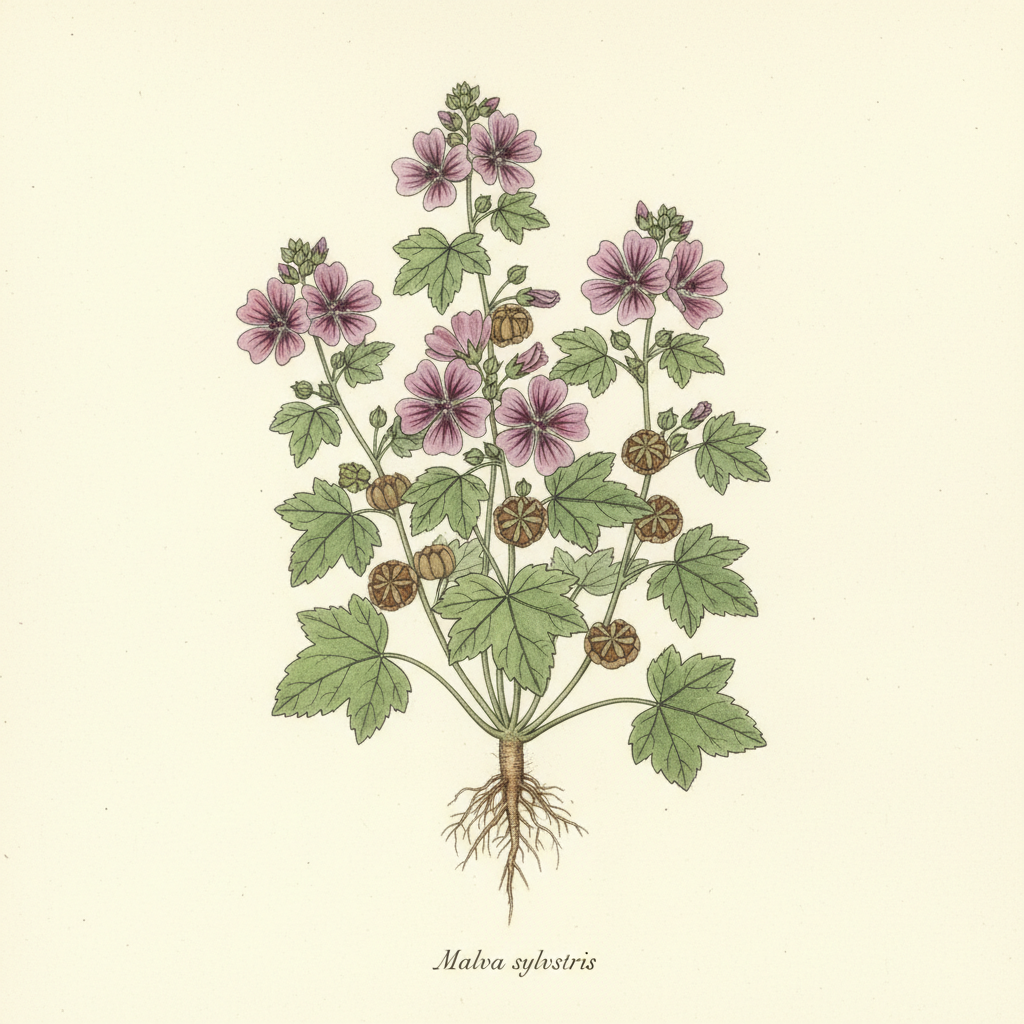
Malva sylvestris

Malva sylvestris

Malva sylvestris

low risk Risk
Malvaceae
Cooling, soothing, and calming; supports emotional balance and digestive health.
<p>Malva sylvestris, commonly known as Common Mallow, is a member of the Malvaceae family. It is a biennial or perennial herb with distinct palmate, five-to-seven lobed leaves and attractive, dark-veined, five-petalled purple-pink flowers. It grows readily in hedgerows, roadsides, and meadows throughout the British Isles and continental Europe, frequently identified by its characteristic 'cheeses'—the disc-shaped fruit pods that follow the flowers.</p><p>Traditionally used for centuries in Western herbal medicine, the plant has been prized primarily for its soothing, demulcent properties. Historical herbalists turned to mallow to provide relief for catarrh, sore throats, and digestive discomfort. It was frequently employed as an emollient in poultices to soften and soothe skin irritations, burns, and boils, often regarded as a gentle, safe 'kitchen garden' remedy suitable for all ages.</p><p>Modern research into Malva sylvestris highlights the presence of significant mucilaginous polysaccharides, which are responsible for its therapeutic actions on epithelial tissues. These compounds form a protective coating over inflamed membranes in the respiratory and gastrointestinal tracts. While clinical studies on humans are limited, preliminary laboratory evidence suggests antioxidant and anti-inflammatory properties, supporting its historical application as a supportive agent for inflammatory conditions.</p><p>In contemporary clinical practice, I utilise Malva sylvestris when a gentle demulcent is required to soothe dry, irritated tissues. It is particularly valuable in cases of non-productive coughs, irritable bowel syndrome with cramping, or mild urinary discomfort. Because of its mild profile, it is an excellent choice for children and the elderly, where it can be incorporated into teas or syrups to provide comfort without harsh physiological stimulation.</p>

Uses & Conditions

Respiratory support
Gastrointestinal health
Wound healing
Mucosal health
Gastro-oesophageal reflux disease
Irritable bowel syndrome
Urinary tract infection
Ulcerative colitis
Constipation
Crohn’s disease
Respiratory infections
Skin irritation

Actions

Anti-inflammatory
Digestive aid
TNF-a inhibitor
NFkB inhibitor

Parts Used

Dried flowers
Dried leaves

USDA Hardiness Zones

4
5
6
7
8

Contraindications

  • Known hypersensitivity to plants in the Malvaceae family
  • Pregnancy and breastfeeding: avoid high therapeutic doses due to insufficient safety data
  • Severe intestinal obstruction
  • Undiagnosed acute abdominal pain
  • Chronic malabsorption issues due to potential film-forming effects of mucilage

Potential Side Effects

  • Mild gastrointestinal upset
  • Allergic contact dermatitis in highly sensitive individuals

Interactions

  • Oral medications: high mucilage content may slow absorption; space doses by 2 hours
  • Antidiabetic medication: potential for additive hypoglycaemic effects; monitor blood glucose levels
  • Caution advised when used concurrently with prescription medicines

Dosages, tincture ratios & research — members only

Unlock Garreth's dosing guidance, tincture ratios, the dosage calculator and the research studies for Malva sylvestris.

Your assessment and results stay saved — upgrading only unlocks more of them.

See membership plans

Community Photos

No community photos yet. Sign in to upload photos.

Reviews & Ratings

Sign in to leave a review.

No reviews yet. Be the first!

GF

Garreth Falls — B.Th., Dip. H.M., MNIMH

Content curated and reviewed by Garreth Falls, Consultant Medical Herbalist · The Wild Sage

Medical Disclaimer: This information is for educational purposes only and is not intended as medical advice. Always consult with qualified healthcare professionals before starting any herbal treatment.
Western tradition

Sustainability & quality

Abundant

A common hedgerow plant in the UK. Harvest leaves and flowers from clean, non-polluted locations.

Key constituents

Mucilaginous polysaccharides, Flavonoids (including malvin and malvidin), Tannins, Vitamin A, Vitamin C, Vitamin E, Phenolic acids

References

  1. EMA/HMPC Community Herbal Monograph
  2. Herbal Reality. Herb monographs. herbalreality.com

Reviewed by Garreth, Medical Herbalist (MNIMH) · November 2026

Related conditions

Explore conditions where Malva sylvestris is traditionally used.

Related Herbs
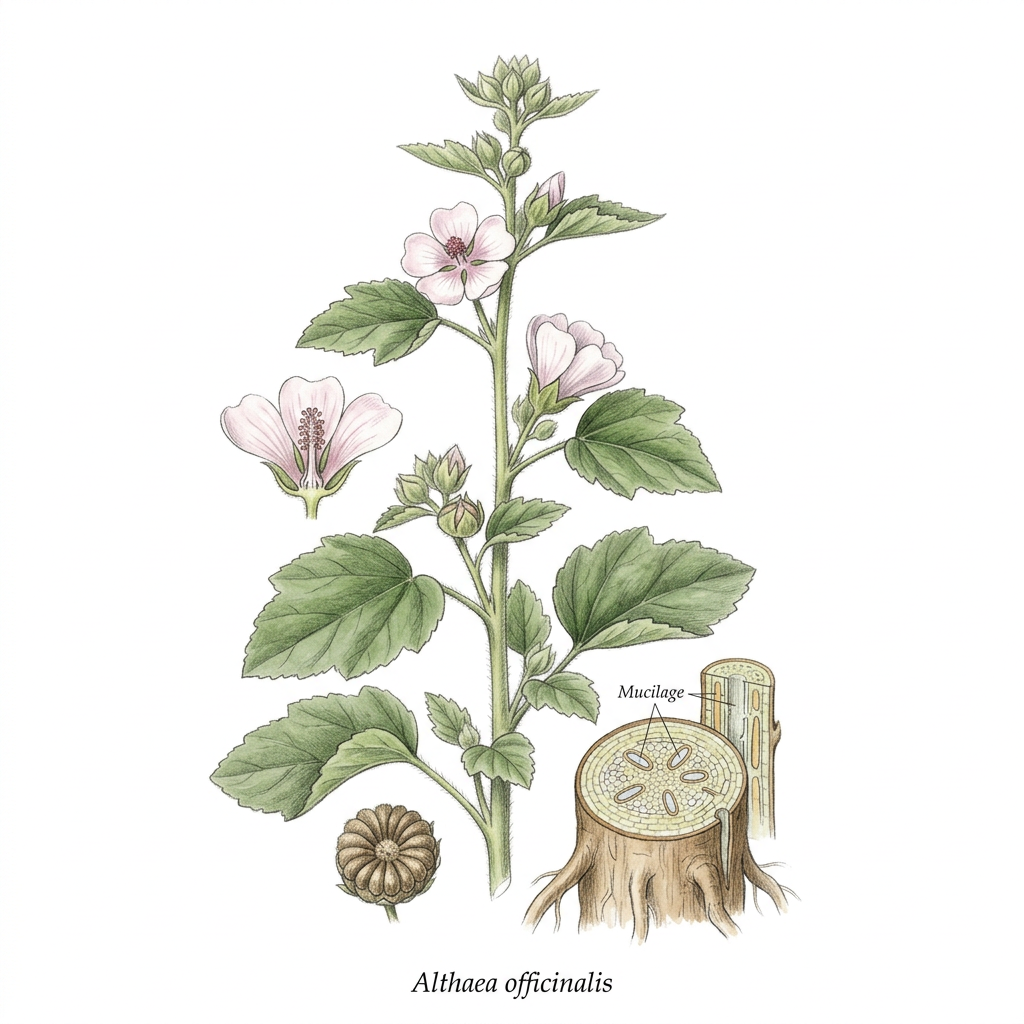
Marshmallow

Marshmallow

Althaea officinalis

Digestive Aid
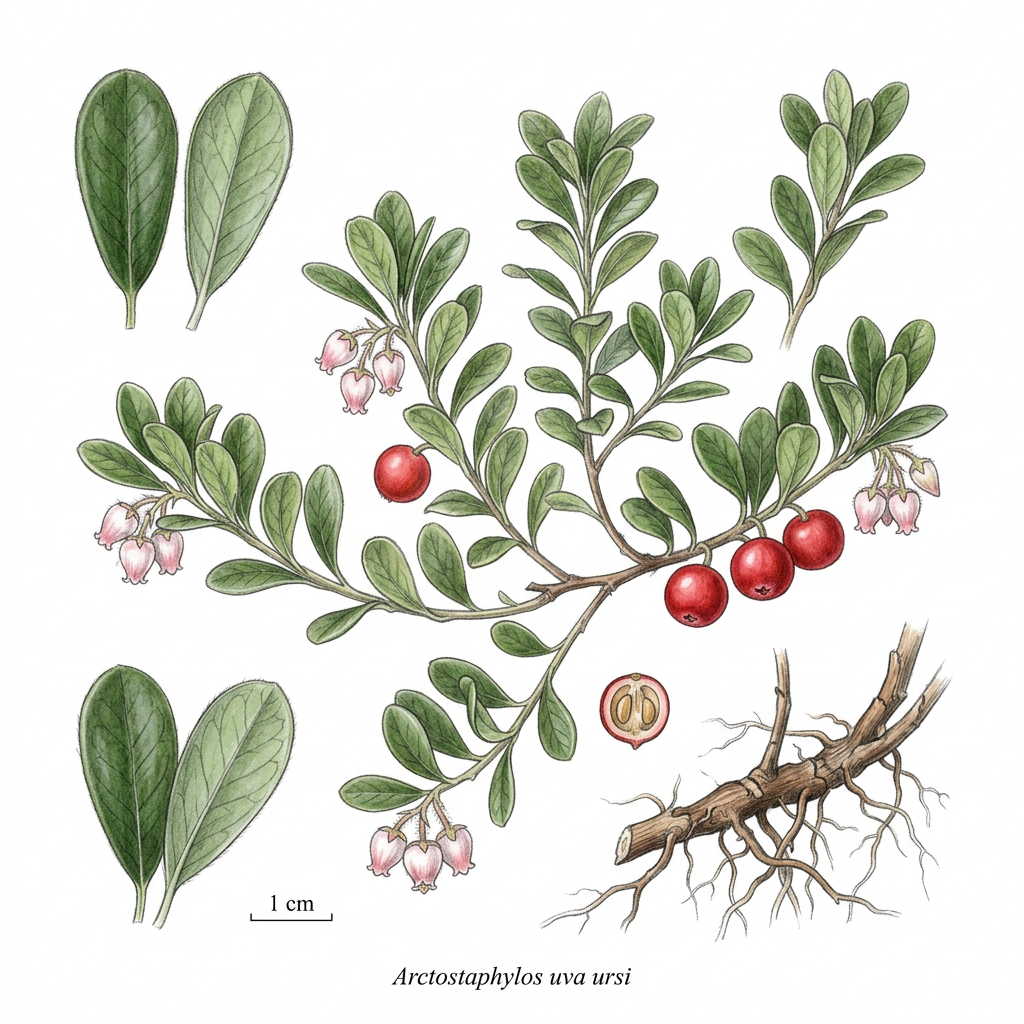
Bearberry

Bearberry

Arctostaphylos uva ursi

Urinary Health
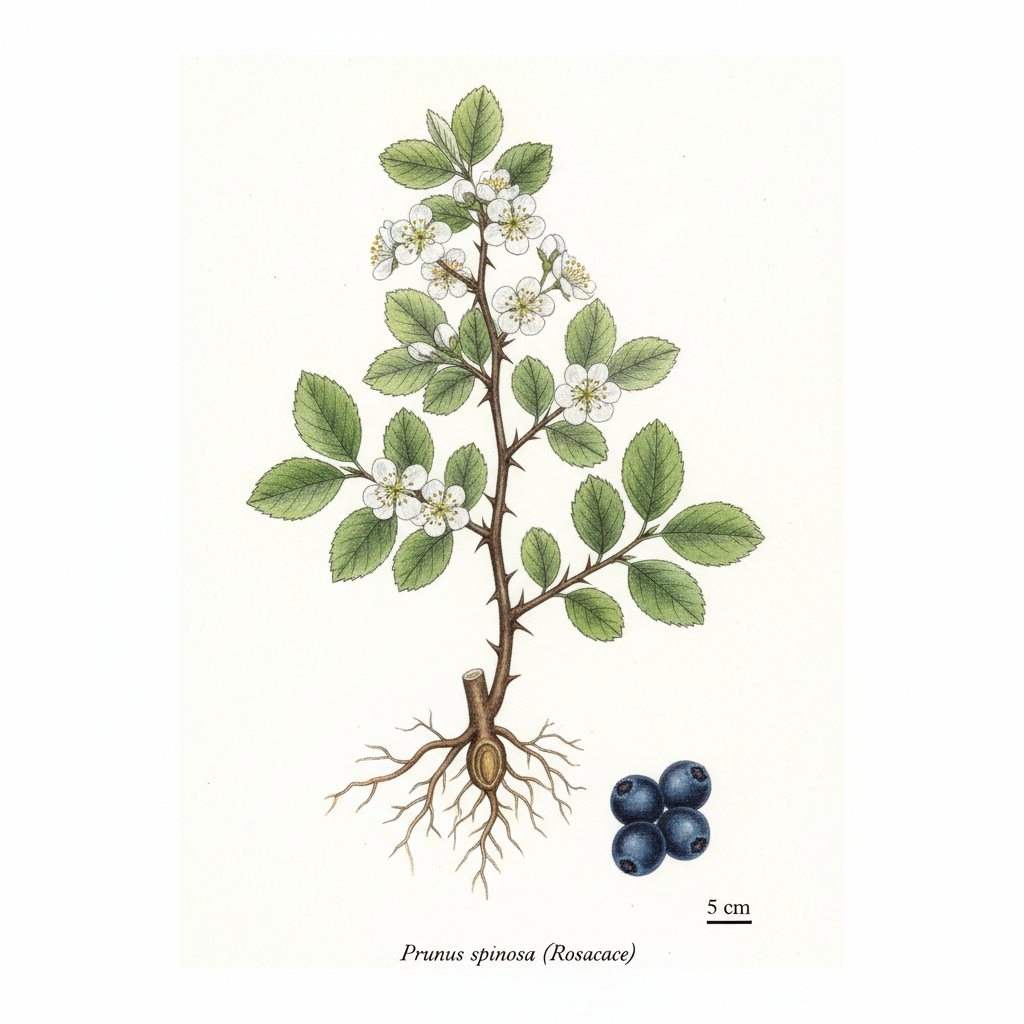
Blackthorn

Blackthorn

Prunus spinosa

Digestive health
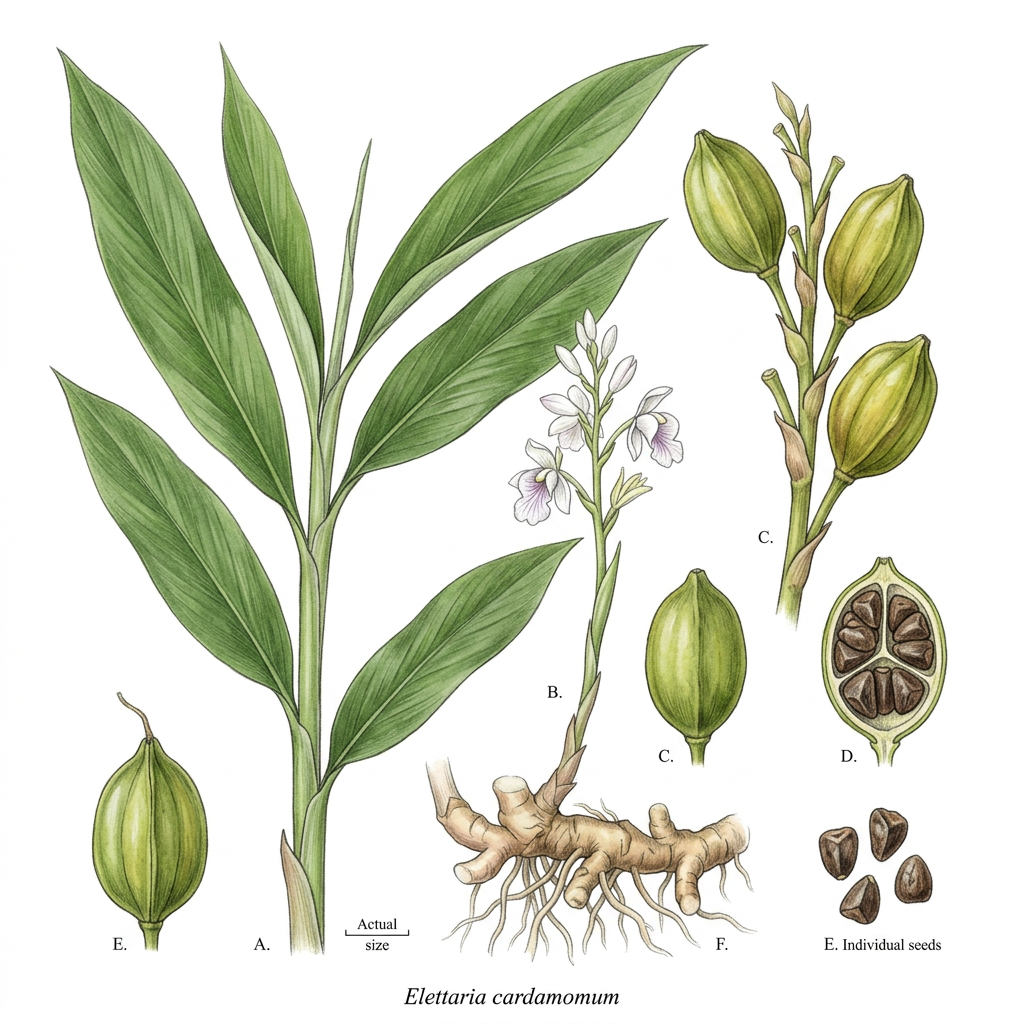
Cardamom

Cardamom

Elettaria cardamomum

Digestive Aid