The Wild Sage logo
The Wild Sage Logo

Herbal Medicine at your fingertips

Comprehensive database of herbal remedies with detailed safety information and traditional uses

New to herbal terms? Read the glossary →
ADHD
Abcess
Acid Reflux Relief
Acinetobacter
Acne
Acne Vulgaris
Addisons
Adenomyosis
Adenovirus
Adrenal fatigue
Aging
Aids
Alcaligenes faecalis
Alcoholism
Allergic Rhinitis
Allergies
Allergy
Alopoecia
Alopoecia nervosa
Alzheimer's, Dementia & Cognitive Decline
420 herbs found
Important: This information is for educational purposes only. Always consult with qualified healthcare professionals before using herbal remedies, especially if you have existing health conditions or take medications.
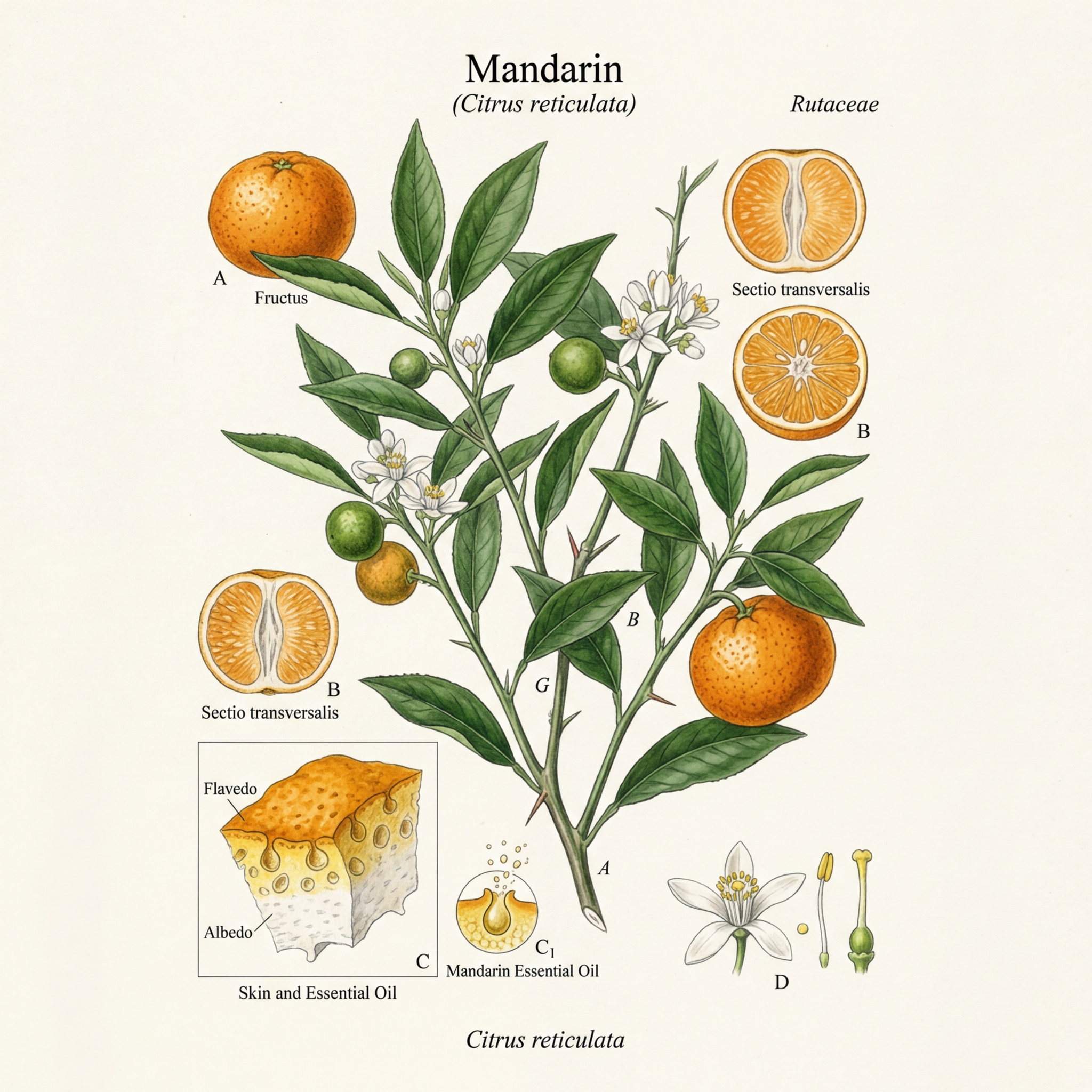
Mandarin

Mandarin

Citrus reticulata

low risk Risk
Rutaceae
cooling, moistening, citrusy
<p>Mandarin, scientifically known as Citrus reticulata, is a small citrus tree native to Southeast Asia, revered for both its flavorful fruit and extensive historical applications in traditional herbal medicine. Cultivated for centuries, mandarins have found a significant place in various cultural practices, particularly in Chinese medicine, where they symbolize prosperity and wellness. The fruit, characterized by its vibrant orange skin and sweet, juicy segments, has been used not only as a nourishing food source but also as a gentle remedy for various ailments. Its fragrant peels and essential oils have been employed in both aromatherapy and herbal preparations, reflecting its longstanding association with health and vitality. The therapeutic properties of mandarin encompass a range of benefits, notably its role in cognitive support, digestive health, and immune system enhancement. Rich in flavonoids, vitamin C, and essential oils, mandarin exerts antioxidant effects that help combat oxidative stress in the body. Its constituents, particularly in the peel, possess anti-inflammatory and antimicrobial properties that aid in bolstering the immune response, making it a valuable ally in maintaining health during cold and flu seasons. Furthermore, mandarin is known to stimulate the digestive system, promoting effective digestion and absorption of nutrients while alleviating common gastrointestinal discomforts such as bloating and indigestion. The mechanisms through which mandarin exerts its beneficial effects are multifaceted. The essential oils, particularly limonene, contribute to its cognitive-supporting qualities, enhancing mood and mental clarity by stimulating neurotransmitter activity. Additionally, the presence of digestives enzymes and flavonoids in the fruit helps regulate gut health, facilitating smoother digestive processes. The synergistic action of mandarin’s bioactive compounds also strengthens the immune system, supporting the body’s natural defenses against pathogens. Overall, the use of mandarin in herbal medicine reflects a blend of culinary enjoyment and wellness, showcasing how nature’s bounty can nurture both the body and the mind.</p>

Uses & Conditions

Cognitive Enhancement
Digestive Aid
Immune Support
Mental Clarity
Nutrient Absorption
Cognitive Disorders
Dyspepsia
Skin Conditions
Eczema
Cough
Oxidative Stress
Bloating
Gastrointestinal Discomfort
Anorexia

Actions

Anti-inflammatory
Antimicrobial
Anti-viral
Anxiolytic
Sedative
NFkB Inhibitor
TNF-a Reduction

Parts Used

Skin and essential oil

Native Countries

Asia

USDA Hardiness Zones

USDA 9-11

Contraindications

  • Known allergy to the Rutaceae family or citrus essential oils
  • Photosensitivity risk with topical application before sun exposure
  • Gallbladder disease
  • specifically bile duct obstruction or gallstones
  • Pregnancy and breastfeeding
  • Children under the age of 6

Potential Side Effects

  • Mild gastrointestinal irritation
  • Contact dermatitis
  • Skin redness
  • Phototoxic skin reactions

Interactions

  • CYP3A4 substrates: may alter the metabolism of medications such as statins or calcium channel blockers
  • Anticoagulant or antiplatelet drugs: potential synergistic effect on clotting times
  • Sedatives: may enhance the effects of benzodiazepines or other CNS depressants

Dosages, tincture ratios & research — members only

Unlock Garreth's dosing guidance, tincture ratios, the dosage calculator and the research studies for Mandarin.

Your assessment and results stay saved — upgrading only unlocks more of them.

See membership plans

Community Photos

No community photos yet. Sign in to upload photos.

Reviews & Ratings

Sign in to leave a review.

No reviews yet. Be the first!

GF

Garreth Falls — B.Th., Dip. H.M., MNIMH

Content curated and reviewed by Garreth Falls, Consultant Medical Herbalist · The Wild Sage

Medical Disclaimer: This information is for educational purposes only and is not intended as medical advice. Always consult with qualified healthcare professionals before starting any herbal treatment.
Chinese tradition
Western tradition

Sustainability & quality

Cultivated

Commercial cultivation is standard; choose organically certified fruits for use in traditional preparations.

References

  1. Bensky "Chinese Herbal Medicine: Materia Medica" 3rd ed. 2004
  2. Herbal Reality. Herb monographs. herbalreality.com

Reviewed by Garreth, Medical Herbalist (MNIMH) · November 2026

Related conditions

Explore conditions where Mandarin is traditionally used.

Related Herbs
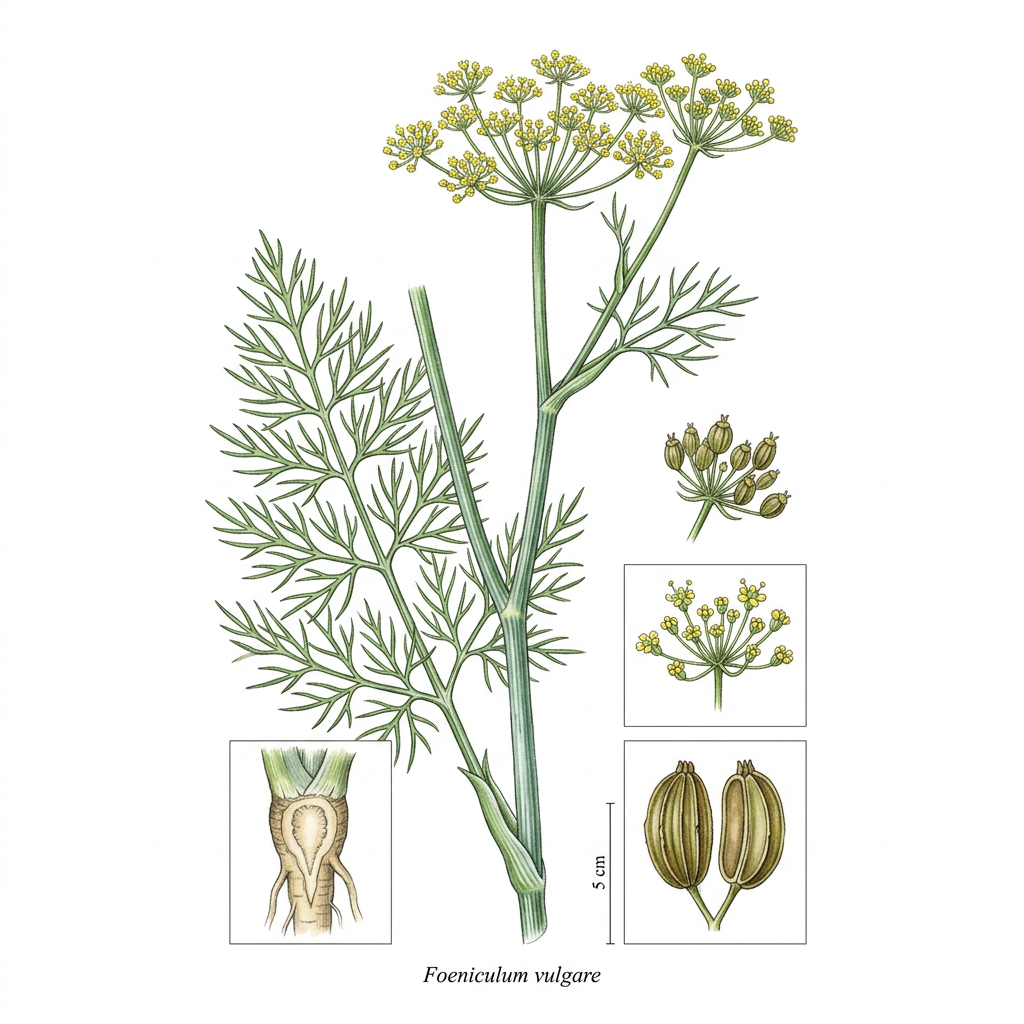
Fennel

Fennel

Foeniculum vulgare

Digestive Aid
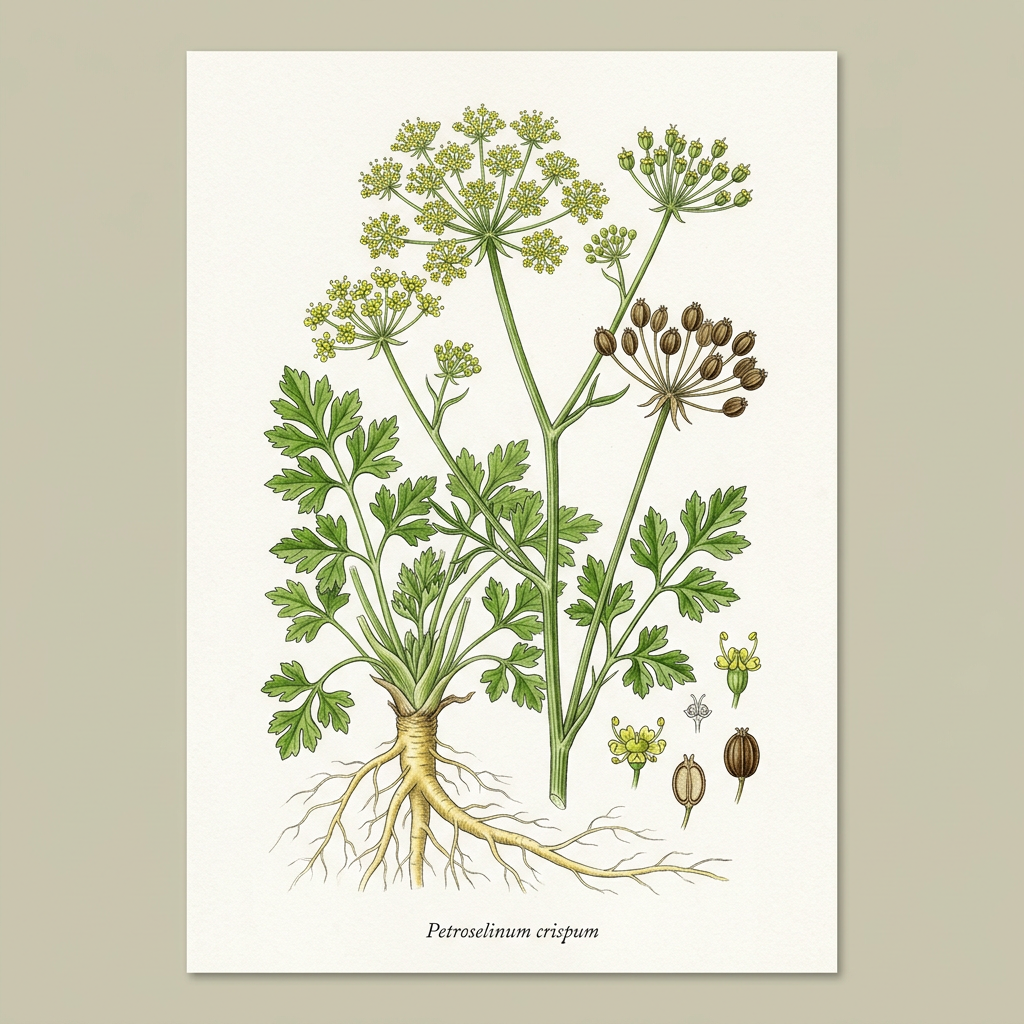
Parsley

Parsley

Petroselinum crispum

Digestive Aid
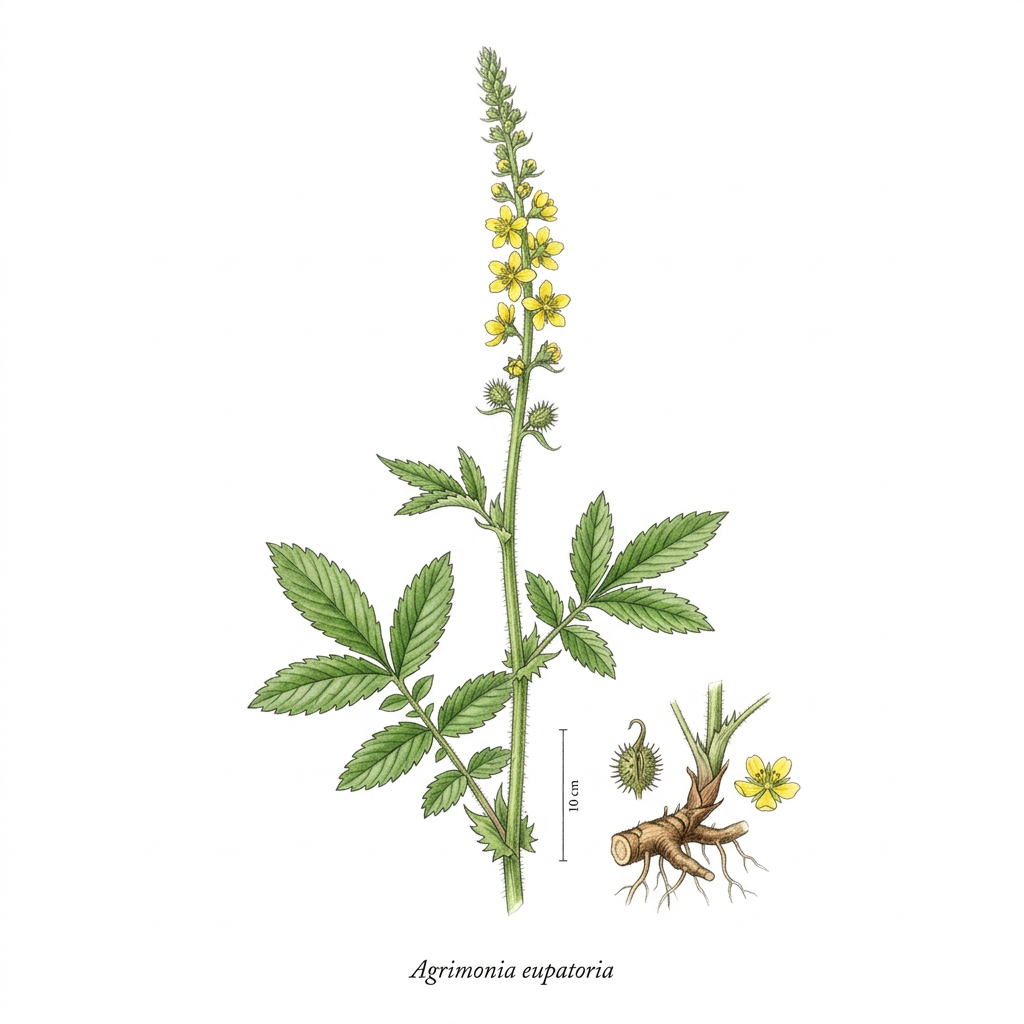
Agrimony

Agrimony

Agrimonia eupatoria

Digestive Aid
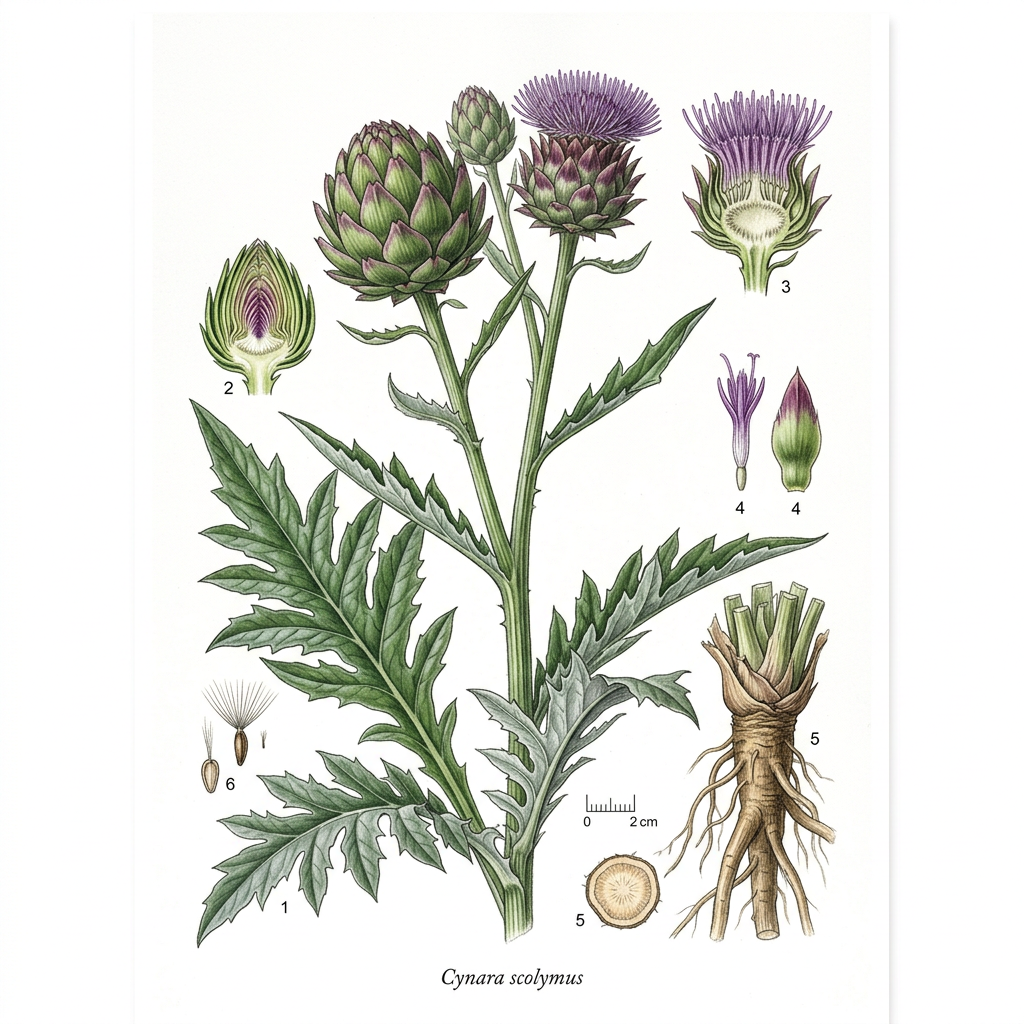
Artichoke

Artichoke

Cynara scolymus

Liver Support