The Wild Sage logo
The Wild Sage Logo

Herbal Medicine at your fingertips

Comprehensive database of herbal remedies with detailed safety information and traditional uses

New to herbal terms? Read the glossary →
ADHD
Abcess
Acid Reflux Relief
Acinetobacter
Acne
Acne Vulgaris
Addisons
Adenomyosis
Adenovirus
Adrenal fatigue
Aging
Aids
Alcaligenes faecalis
Alcoholism
Allergic Rhinitis
Allergies
Allergy
Alopoecia
Alopoecia nervosa
Alzheimer's, Dementia & Cognitive Decline
420 herbs found
Important: This information is for educational purposes only. Always consult with qualified healthcare professionals before using herbal remedies, especially if you have existing health conditions or take medications.
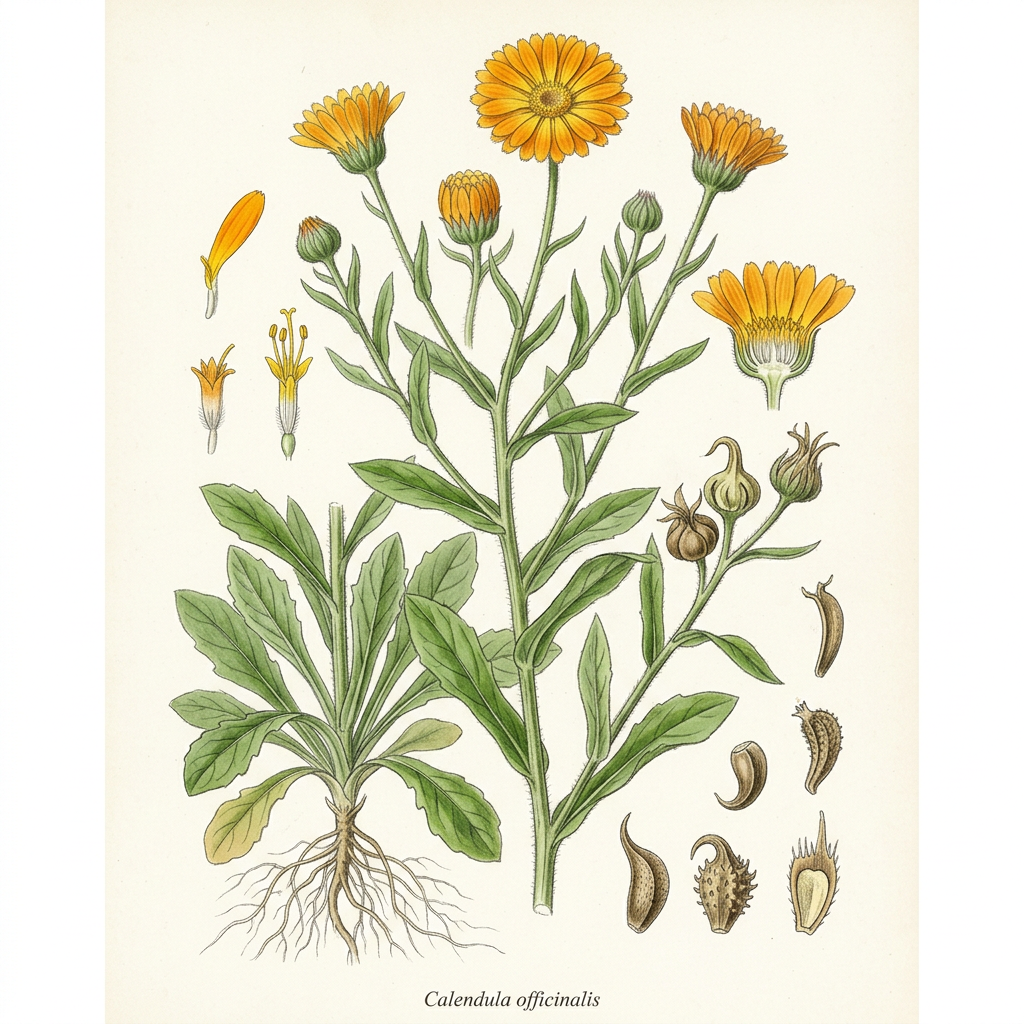
Marigold

Marigold

Calendula officinalis

low risk Risk
Asteraceae
Warming, soothing, and protective. Known to promote healing and enhance emotional well-being.
<p>Calendula officinalis, commonly known as pot marigold, is a hardy annual belonging to the Asteraceae family. It is easily identified by its bright orange or yellow composite flower heads and lanceolate, hairy leaves. It is a staple of the cottage garden, often cultivated for both its ornamental value and its reliable medicinal properties. The flower heads are harvested during peak bloom when the resins are most concentrated in the petal bases. Historically, marigold has been revered in traditional European herbalism, particularly for its affinity with the skin and the lymphatic system. It was frequently used as a vulnerary, applied to minor wounds, abrasions, and skin irritations to support the body's natural healing process. Its vibrant colour and soothing nature made it a common ingredient in domestic salves and ointments for generations. In contemporary herbal practice, Calendula is primarily valued for its anti-inflammatory, antimicrobial, and lymphagogue actions. While clinical evidence remains limited regarding internal use, it is widely favoured for supporting healthy skin integrity and local inflammatory responses. Research suggests that its flavonoid and triterpene content contributes to its soothing effect on mucous membranes and dermal tissues. As a practitioner, I frequently employ it as a gentle, safe tonic for systemic lymphatic congestion and as a primary ingredient for topical skin support. It is particularly useful for dry, irritated, or inflamed skin conditions, helping to maintain hydration and protect the epidermal barrier.</p>

Uses & Conditions

Lymphatic Support
Skin Health
Acne
Bed sores
Boils
Breast growths
Bruising
Burns
Cervical dysplasia
Chillblains
Colitis
Colon cancer
Conjunctivitis
Cough
Cuts
Cystic breasts
Cystitis
Dermatitis
Diverticulitis
Endometriosis
HPV
Inflammation
Interstitial cystitis
Leaky Gut
Mouth sores
Wound healing

Actions

Anti-bacterial
Anti-fungal
Anti-genotoxic
Anti-inflammatory
Anti-microbial
Anti-parasitic
Anti-phlogistic
Anti-viral
Antiseptic
Astringent
Bilirubin lowering
Catalase activator
Choleretic
Cholagogue
Circulatory stimulant
Cisplatin protects kidney
Cyclic AMP Breakdown reducer
Cytotoxic
Demulcent
Diaphoretic
Emmenagogue
Glutathione peroxide recycling promoter
Hepatoprotective
Lipid peroxidase inhibitor
Lymphatic
NFkB inhibitor
Phagocytosis of granuloma
REDOX Reaction Regulator
Renal protective
Spasmolytic
Styptic
TNF-a reduction
VEGF regulator
Vulnerary

Parts Used

Flower heads (petals)

Native Countries

Mediterranean
Southern Europe
North Africa
Western Asia

USDA Hardiness Zones

2
3
4
5
6
7
8
9

Contraindications

  • Allergy to Asteraceae family
  • Pregnancy

Potential Side Effects

  • Allergic contact dermatitis
  • Mild gastrointestinal upset

Interactions

  • Potentiation of sedatives such as barbiturates or benzodiazepines

Dosages, tincture ratios & research — members only

Unlock Garreth's dosing guidance, tincture ratios, the dosage calculator and the research studies for Marigold.

Your assessment and results stay saved — upgrading only unlocks more of them.

See membership plans

Community Photos

No community photos yet. Sign in to upload photos.

Reviews & Ratings

Sign in to leave a review.

No reviews yet. Be the first!

GF

Garreth Falls — B.Th., Dip. H.M., MNIMH

Content curated and reviewed by Garreth Falls, Consultant Medical Herbalist · The Wild Sage

Medical Disclaimer: This information is for educational purposes only and is not intended as medical advice. Always consult with qualified healthcare professionals before starting any herbal treatment.
Western tradition

Sustainability & quality

Abundant

Very easy to grow organically; high-quality material is often cultivated to ensure consistency of carotenoid content.

Key constituents

Anti-inflammatory, Digestive enzymes, Acetylenic compounds, flavonoids, Mucilage

References

  1. ESCOP Monographs 2nd ed. 2003
  2. EMA/HMPC Community Herbal Monograph
  3. British Herbal Pharmacopoeia 1983
  4. Herbal Reality. Herb monographs. herbalreality.com

Reviewed by Garreth, Medical Herbalist (MNIMH) · November 2026

Related conditions

Explore conditions where Marigold is traditionally used.

Related Herbs
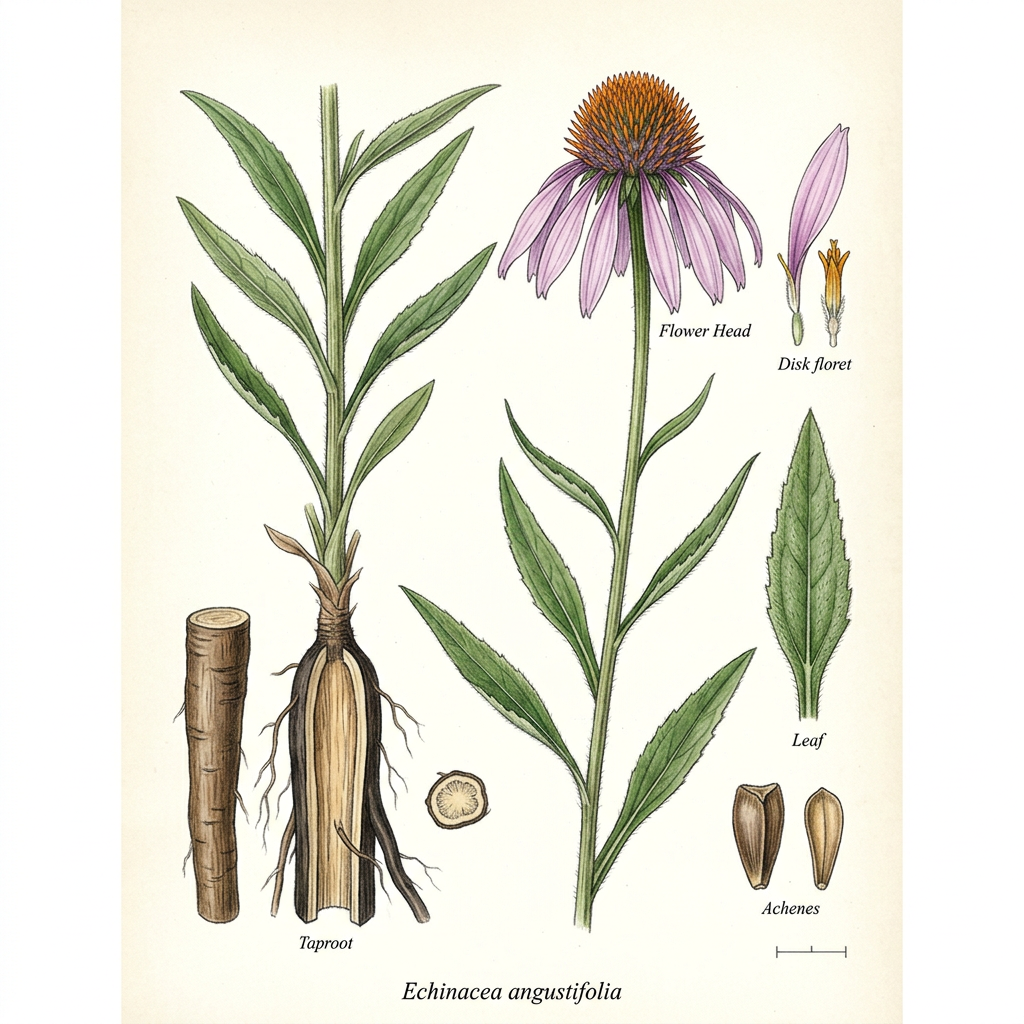
Echinacea angustifolia

Echinacea angustifolia

Echinacea angustifolia

Immune System Support
Calendula

Calendula

Calendula officinalis

Lymphatic Support
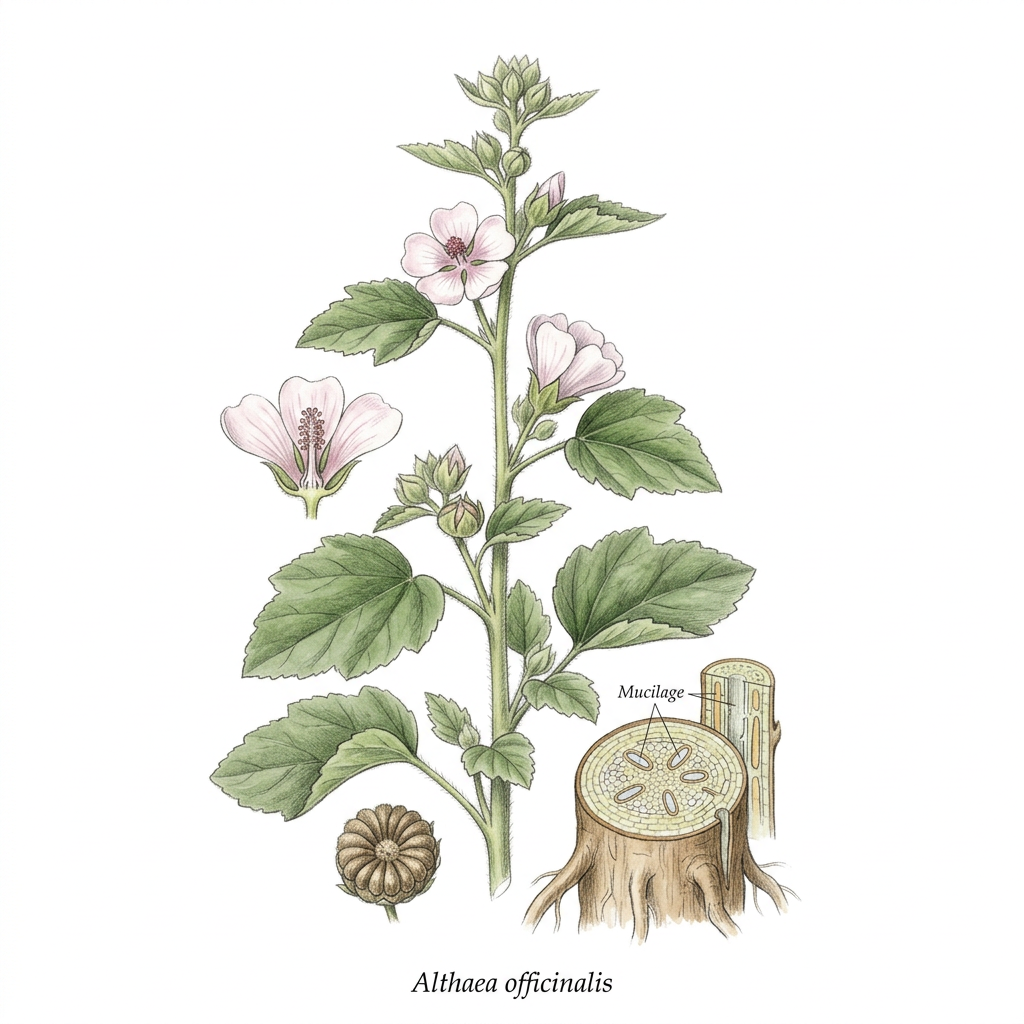
Marshmallow

Marshmallow

Althaea officinalis

Digestive Aid
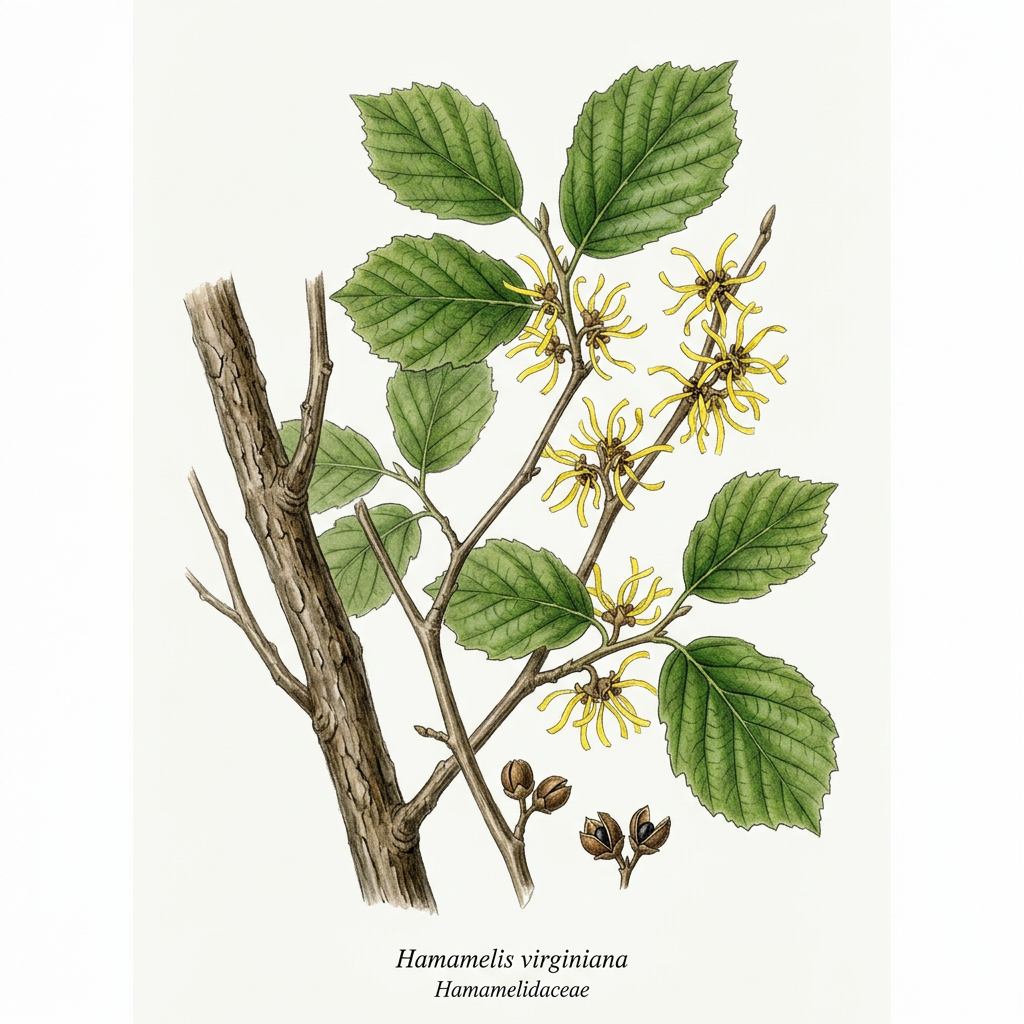
Witch Hazel

Witch Hazel

Hamamelis virginiana

Wound healing