The Wild Sage logo
The Wild Sage Logo

Herbal Medicine at your fingertips

Comprehensive database of herbal remedies with detailed safety information and traditional uses

New to herbal terms? Read the glossary →
ADHD
Abcess
Acid Reflux Relief
Acinetobacter
Acne
Acne Vulgaris
Addisons
Adenomyosis
Adenovirus
Adrenal fatigue
Aging
Aids
Alcaligenes faecalis
Alcoholism
Allergic Rhinitis
Allergies
Allergy
Alopoecia
Alopoecia nervosa
Alzheimer's, Dementia & Cognitive Decline
420 herbs found
Important: This information is for educational purposes only. Always consult with qualified healthcare professionals before using herbal remedies, especially if you have existing health conditions or take medications.
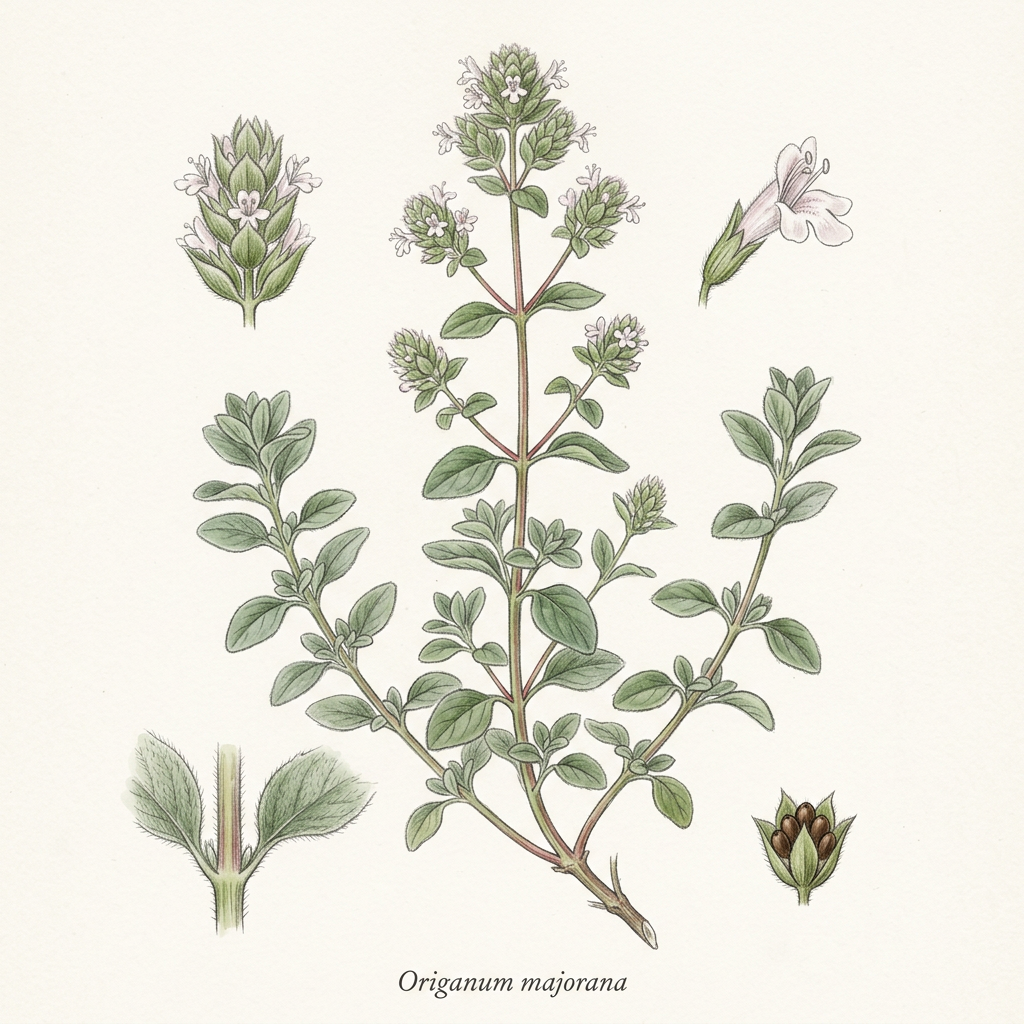
Marjoram

Marjoram

Origanum majorana

low risk Risk
Laminaceae
Calming, soothing, promotes relaxation and emotional balance.
<p>Origanum majorana, commonly known as sweet marjoram, is a tender perennial herb in the Lamiaceae family, frequently cultivated as an annual in the British climate. It is distinguished by its small, oval, grey-green pubescent leaves and its clusters of minute, white or pinkish-white flowers that emerge from knotted, bract-covered buds. Preferring sunny, sheltered positions and well-drained soil, the plant is highly aromatic, releasing a warm, sweet, and slightly woody scent when bruised.</p><p>Historically, marjoram has been deeply ingrained in European folklore and herbal medicine, often associated with promoting joy and longevity. It has traditionally been used for its warming and carminative properties, primarily to support digestive comfort and alleviate mild gastrointestinal spasms. The herb has a long-standing reputation as a nervine, traditionally used for easing tension-related headaches and promoting relaxation during times of mild situational stress or restlessness.</p><p>Modern research into the essential oil of Origanum majorana highlights the presence of terpenes and phenolic compounds which exhibit antioxidant and antimicrobial activity in laboratory settings. While clinical trials specifically focusing on the human therapeutic use of the herb are limited, it continues to be employed in contemporary clinical practice for its gentle antispasmodic and warming effects. It is often indicated for those experiencing 'cold' digestive patterns or nervous tension manifesting in the solar plexus.</p><p>In practice, it is often blended with other nervines and carminatives to create supportive infusions or tinctures. It is particularly favoured by herbalists for its mildness compared to its relative, oregano, making it suitable for gentle tonic use. Practitioners should always source high-quality, organic plant material to ensure the volatile oil content is preserved, as these constituents are central to its therapeutic application.</p>

Uses & Conditions

Aromatic
Digestive support
Respiratory health
Stress relief
Immune support
Antioxidant effects
SIBO
H. pylori
Skin infections
Cough
Cold symptoms
Muscle pain
Digestive inflammation

Actions

Anti-inflammatory
TNF-alpha reduction
Anti-bacterial
NFkB inhibitor
Anti-fungal
Anxiolytic

Parts Used

Aerial parts

USDA Hardiness Zones

9
10

Contraindications

  • Pregnancy: avoid pharmacological doses as it may stimulate uterine activity
  • Breastfeeding: lack of safety data suggests avoiding medicinal use
  • Known allergy to the Lamiaceae family
  • Major surgery: cease use at least two weeks prior to scheduled procedures

Potential Side Effects

  • Skin irritation or contact dermatitis if applied topically in high concentrations
  • Mild gastrointestinal upset if consumed in excessive quantities

Interactions

  • Anticoagulants and antiplatelet drugs: theoretical risk of increased bleeding
  • Hypoglycaemic agents: may theoretically enhance the effect of blood glucose-lowering medications
  • Sedatives: may possess mild additive effects when combined with CNS depressants

Dosages, tincture ratios & research — members only

Unlock Garreth's dosing guidance, tincture ratios, the dosage calculator and the research studies for Marjoram.

Your assessment and results stay saved — upgrading only unlocks more of them.

See membership plans

Community Photos

No community photos yet. Sign in to upload photos.

Reviews & Ratings

Sign in to leave a review.

No reviews yet. Be the first!

GF

Garreth Falls — B.Th., Dip. H.M., MNIMH

Content curated and reviewed by Garreth Falls, Consultant Medical Herbalist · The Wild Sage

Medical Disclaimer: This information is for educational purposes only and is not intended as medical advice. Always consult with qualified healthcare professionals before starting any herbal treatment.
Western tradition

Sustainability & quality

Cultivated

Widely cultivated as a culinary and medicinal herb. Sourcing from organic producers helps avoid pesticide residues.

Key constituents

Terpinen-4-ol, Sabinene hydrate, Linalool, Gamma-terpinene, Rosmarinic acid, Ursolic acid, Flavonoids

References

  1. ESCOP Monographs 2nd ed. 2003
  2. Herbal Reality. Herb monographs. herbalreality.com

Reviewed by Garreth, Medical Herbalist (MNIMH) · November 2026

Related conditions

Explore conditions where Marjoram is traditionally used.

Related Herbs
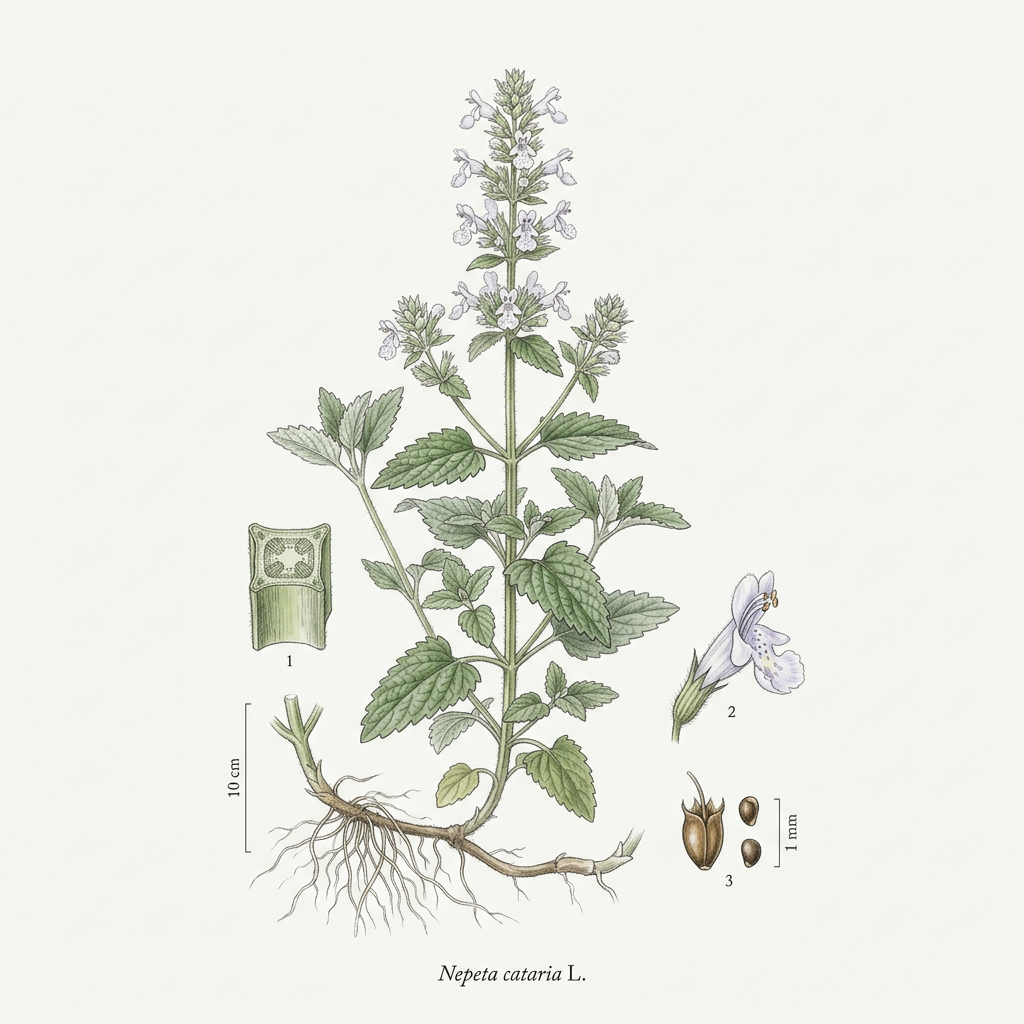
Catnip

Catnip

Nepeta cataria

Digestive support
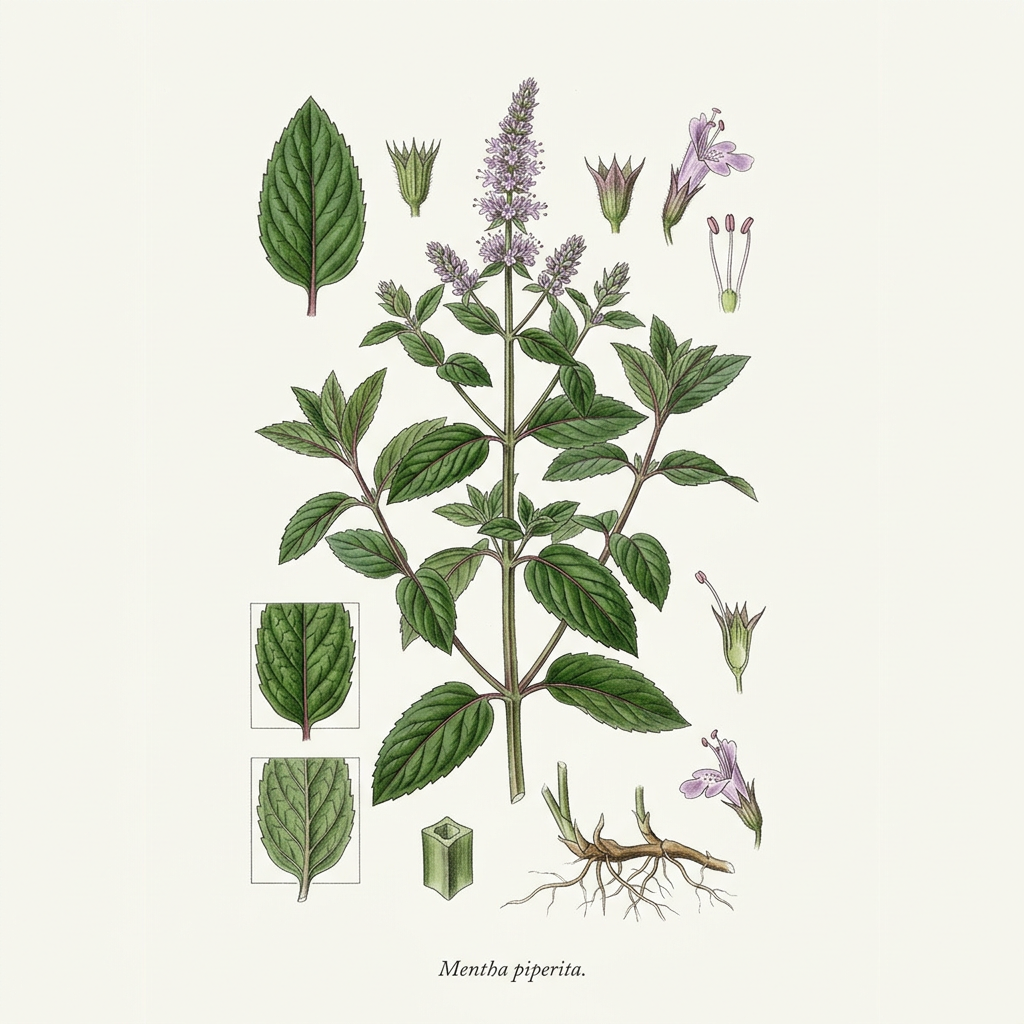
Mentha piperita

Mentha piperita

Mentha piperita

Digestive Aid
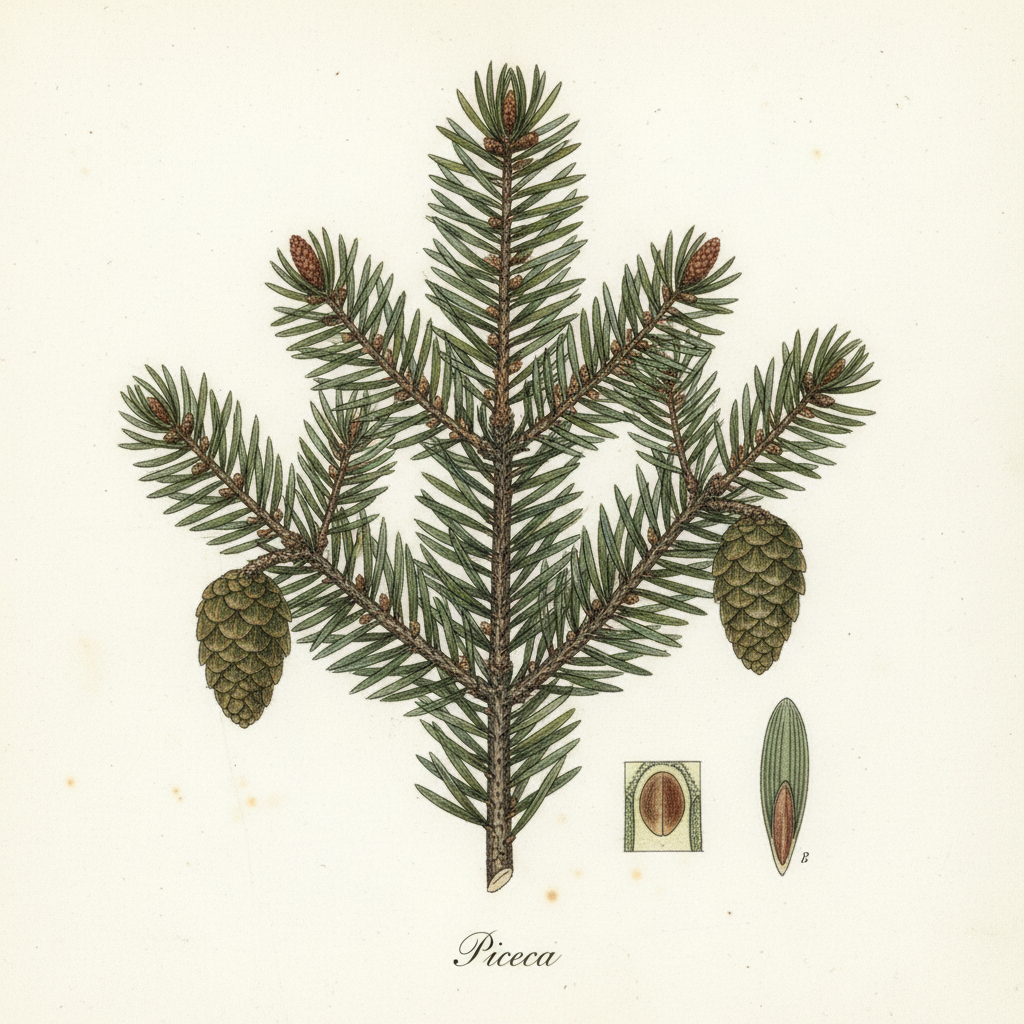
Spruce

Spruce

Spruce

Immune Support
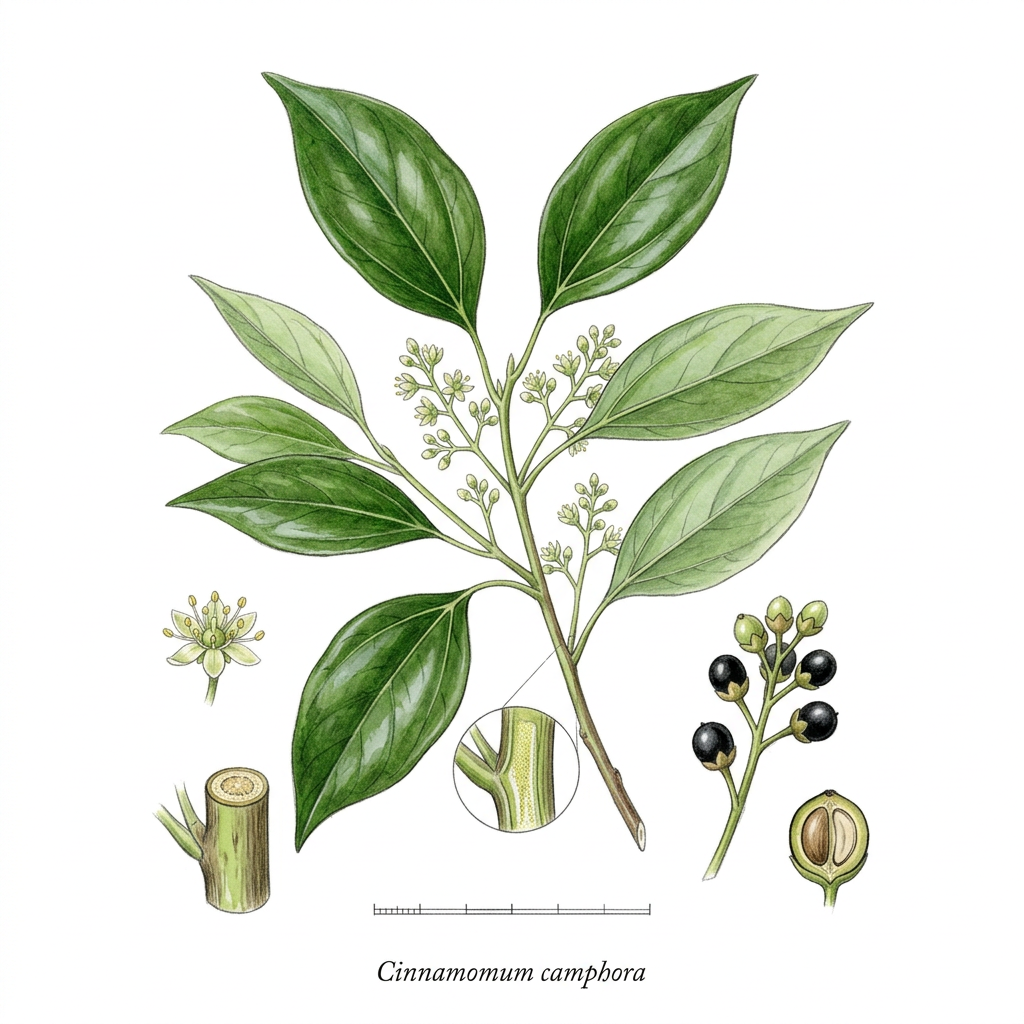
Camphor

Camphor

Cinnamomum camphora

Purification