The Wild Sage logo
The Wild Sage Logo

Herbal Medicine at your fingertips

Comprehensive database of herbal remedies with detailed safety information and traditional uses

New to herbal terms? Read the glossary →
ADHD
Abcess
Acid Reflux Relief
Acinetobacter
Acne
Acne Vulgaris
Addisons
Adenomyosis
Adenovirus
Adrenal fatigue
Aging
Aids
Alcaligenes faecalis
Alcoholism
Allergic Rhinitis
Allergies
Allergy
Alopoecia
Alopoecia nervosa
Alzheimer's, Dementia & Cognitive Decline
420 herbs found
Important: This information is for educational purposes only. Always consult with qualified healthcare professionals before using herbal remedies, especially if you have existing health conditions or take medications.
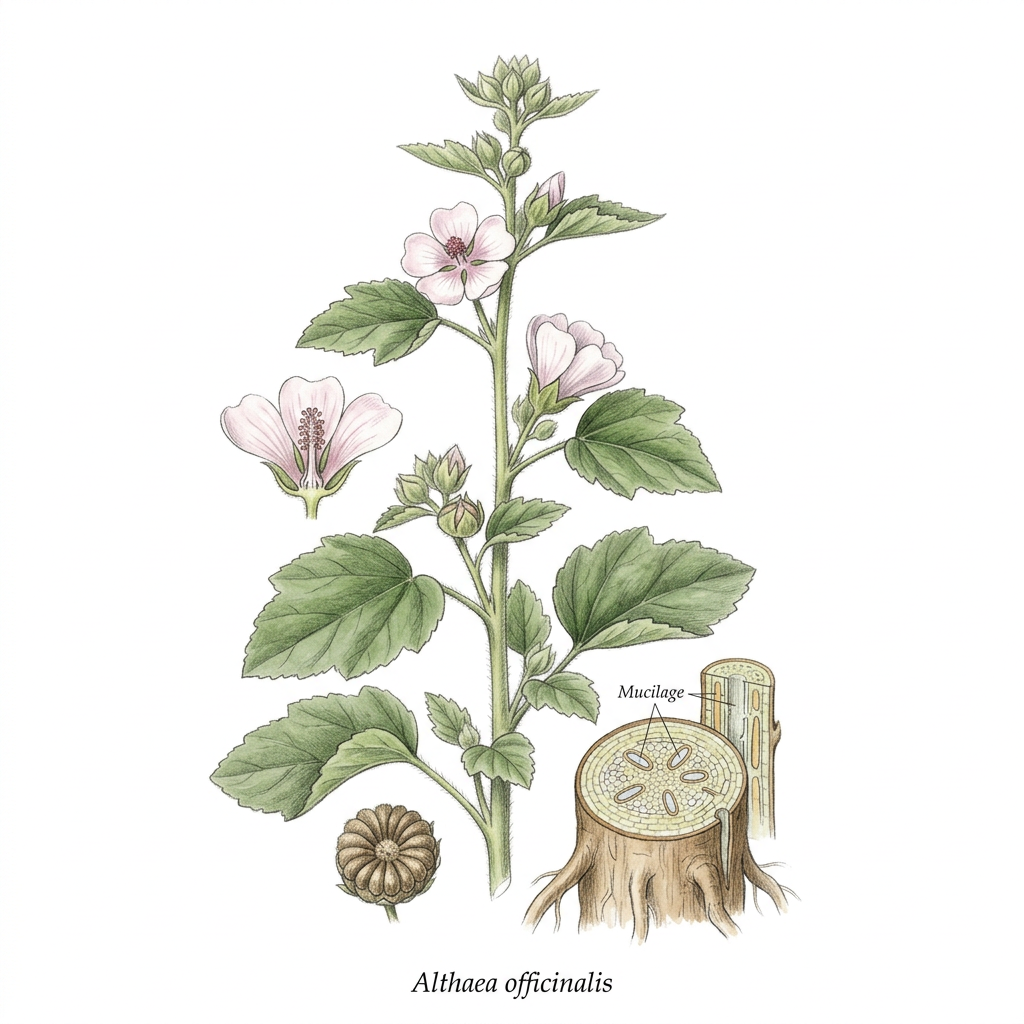
Marshmallow

Marshmallow

Althaea officinalis

low risk Risk
Malvaceae
Soothing, moistening, and demulcent properties that support respiratory and digestive health.
<p>Marshmallow, scientifically known as **Althea officinalis**, is a perennial herbaceous plant native to Europe, Western Asia, and North Africa. Historically revered for its therapeutic properties, marshmallow has been utilized since ancient times, with references dating back to the Egyptians, who valued it for both its culinary uses and medicinal implications. The mucilaginous roots and leaves of marshmallow have traditionally been employed as soothing agents, prepared as syrups, teas, or poultices. The name "marshmallow" even derives from its natural habitat—marshy areas—and its historical use in confectionery; however, the modern commercial marshmallow is a far cry from the original herbal formulation. The primary therapeutic properties of marshmallow are attributed to its high mucilage content, which imparts demulcent, emollient, and expectorant actions. These properties make marshmallow an invaluable ally for soothing sore throats and alleviating digestive irritations, as well as serving as a protective agent against irritation in the urinary and respiratory tracts. Its anti-inflammatory and immunomodulatory actions contribute to the herb's ability to support overall health, promoting healing and protecting mucosal membranes. Additionally, marshmallow can serve as a prebiotic, fostering beneficial gut flora and thereby enhancing digestive health, while its vulnerary properties help expedite wound healing both internally and externally. When consumed, marshmallow works by coating and soothing mucous membranes, thereby reducing irritation and inflammation. In the respiratory system, it helps to ease coughs and throat discomfort by facilitating the clearance of mucus and providing a protective barrier to inflamed tissues. In the digestive system, its soothing action supports gastrointestinal health, mitigating symptoms of irritation and enhancing the gut's natural function. For the urinary tract, its demulcent properties provide relief from inflammation and discomfort, promoting a healthy urinary environment. Through these multifaceted actions, marshmallow exemplifies the harmony between traditional herbal wisdom and modern therapeutic applications, making it an essential herb in the repertoire of natural medicinal practices.</p>

Uses & Conditions

Digestive Aid
Digestive Comfort
Skin Soothing
Mucosal Protection
Respiratory Support
Sore Throat
Cough
Asthma
Gastroesophageal Reflux Disease
Peptic Ulcer
Gastritis
Enteritis
Colitis
Crohn’s
Constipation
Anal Fissure
Cystitis
Urethritis
Eczema
Boils
Abscess
Burns
Insect Bites
Tendonitis and Bursitis
Varicose Ulcers
Catarrah
Dyspepsia
Dysuria
GORD
Inflammatory Bowel Disease
Interstitial Cystitis
Mouth Sores
Pyelonephritis
Pyuria
Renal Pain
Stomach Ulcers
Tendinitis Bursitis
Ulcerative Colitis
Urinary Incontinence
Varicose Ulcer
Water Retention

Actions

Demulcent
Anti-inflammatory
NFkB Inhibitor
TNF-a Reduction
Digestive Aid
Mucilaginous
TNF-a Reducer

Synonyms

Bismalva wvmote
Mallow
Common marshmallow

Parts Used

Leaves
Whole plant
mucilage
Root
Leaf
Flower

Native Countries

Europe
Mediterranean
North Africa
Western Asia

USDA Hardiness Zones

USDA 3-11
3

Contraindications

  • Known hypersensitivity or allergy to the Malvaceae plant family.
  • Consult a practitioner during pregnancy and breastfeeding.
  • Caution in individuals with severe insulin-dependent diabetes due to potential impact on blood glucose control.
  • Use with caution in children under 2 years of age.
  • Pregnancy: use only under professional guidance
  • Breastfeeding: caution advised due to limited data
  • Known hypersensitivity to Malvaceae species
  • Severe blood glucose dysregulation without medical supervision

Potential Side Effects

  • Minor digestive upset or bloating if consumed in very high doses.
  • Potential for slowed absorption of concurrent medications due to the physical coating action of mucilage.
  • Mild gastrointestinal upset
  • Potential for delayed absorption of orally administered medication

Interactions

  • Lithium: mucilage may potentially decrease absorption; separate intake by at least two hours.
  • Oral medications: high mucilage content may delay or decrease absorption of other drugs; stagger doses by at least two hours.
  • Diabetes medications: monitor blood glucose levels closely due to potential influence on insulin sensitivity.
  • Oral medications: administer at least two hours apart due to potential mucilage-related delayed absorption
  • Lithium: potential for altered clearance rates
  • Antidiabetic medications: monitor patients as glucose absorption may be influenced

Dosages, tincture ratios & research — members only

Unlock Garreth's dosing guidance, tincture ratios, the dosage calculator and the research studies for Marshmallow.

Your assessment and results stay saved — upgrading only unlocks more of them.

See membership plans

Community Photos

No community photos yet. Sign in to upload photos.

Reviews & Ratings

Sign in to leave a review.

No reviews yet. Be the first!

GF

Garreth Falls — B.Th., Dip. H.M., MNIMH

Content curated and reviewed by Garreth Falls, Consultant Medical Herbalist · The Wild Sage

Medical Disclaimer: This information is for educational purposes only and is not intended as medical advice. Always consult with qualified healthcare professionals before starting any herbal treatment.
Western tradition

Sustainability & quality

Cultivated

Can be grown in gardens but is often sourced from certified organic farms to ensure purity.

Key constituents

Flavonoids, Galacturonic acid, Glucoronic acid, Rhamnose, Xylose, Coumarin, Mucilage, Mucilage polysaccharides (galacturonorhamnans), Phenolic acids, Asparagine, Starch, Fixed oils

References

  1. ESCOP Monographs 2nd ed. 2003
  2. EMA/HMPC Community Herbal Monograph
  3. British Herbal Pharmacopoeia 1983
  4. Herbal Reality. Herb monographs. herbalreality.com

Reviewed by Garreth, Medical Herbalist (MNIMH) · November 2026

Related conditions

Explore conditions where Marshmallow is traditionally used.

Related Herbs
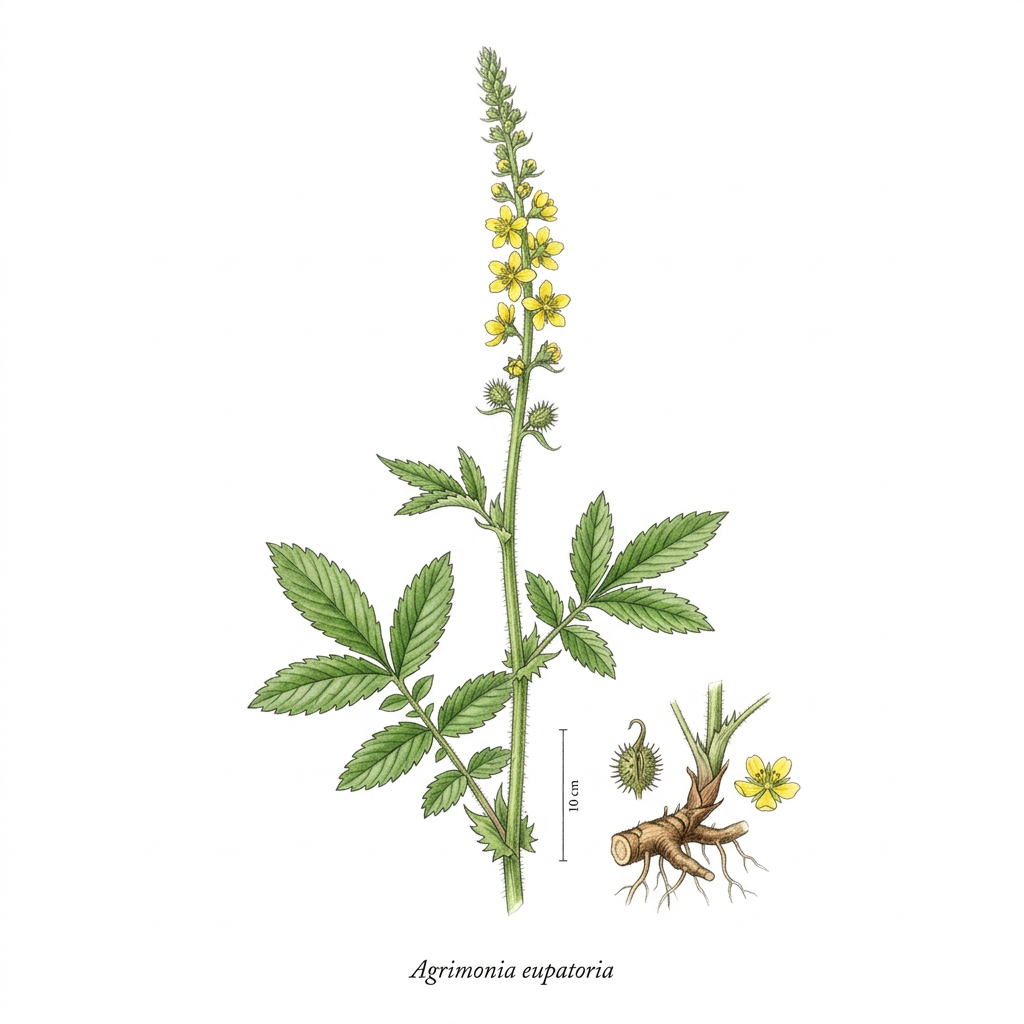
Agrimony

Agrimony

Agrimonia eupatoria

Digestive Aid
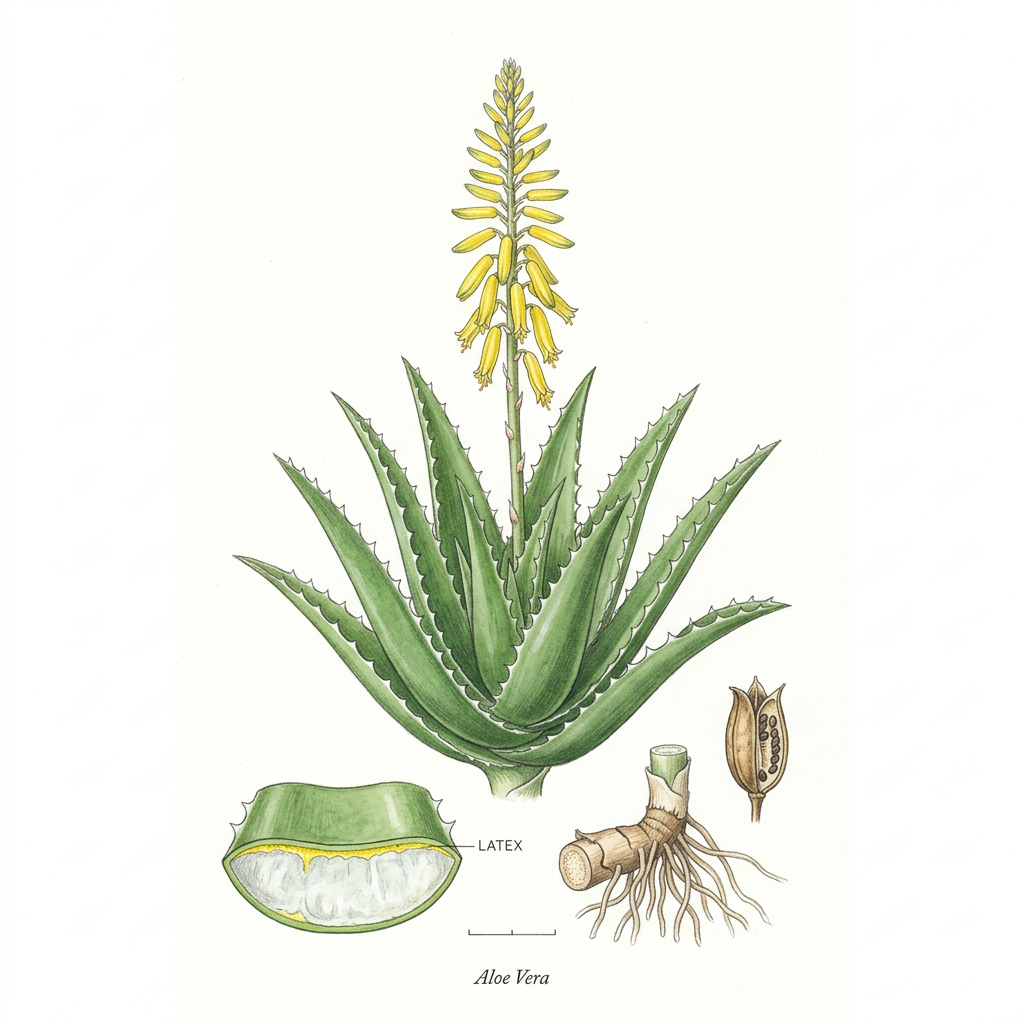
Aloe Vera

Aloe Vera

Aloe vera

Digestive Support
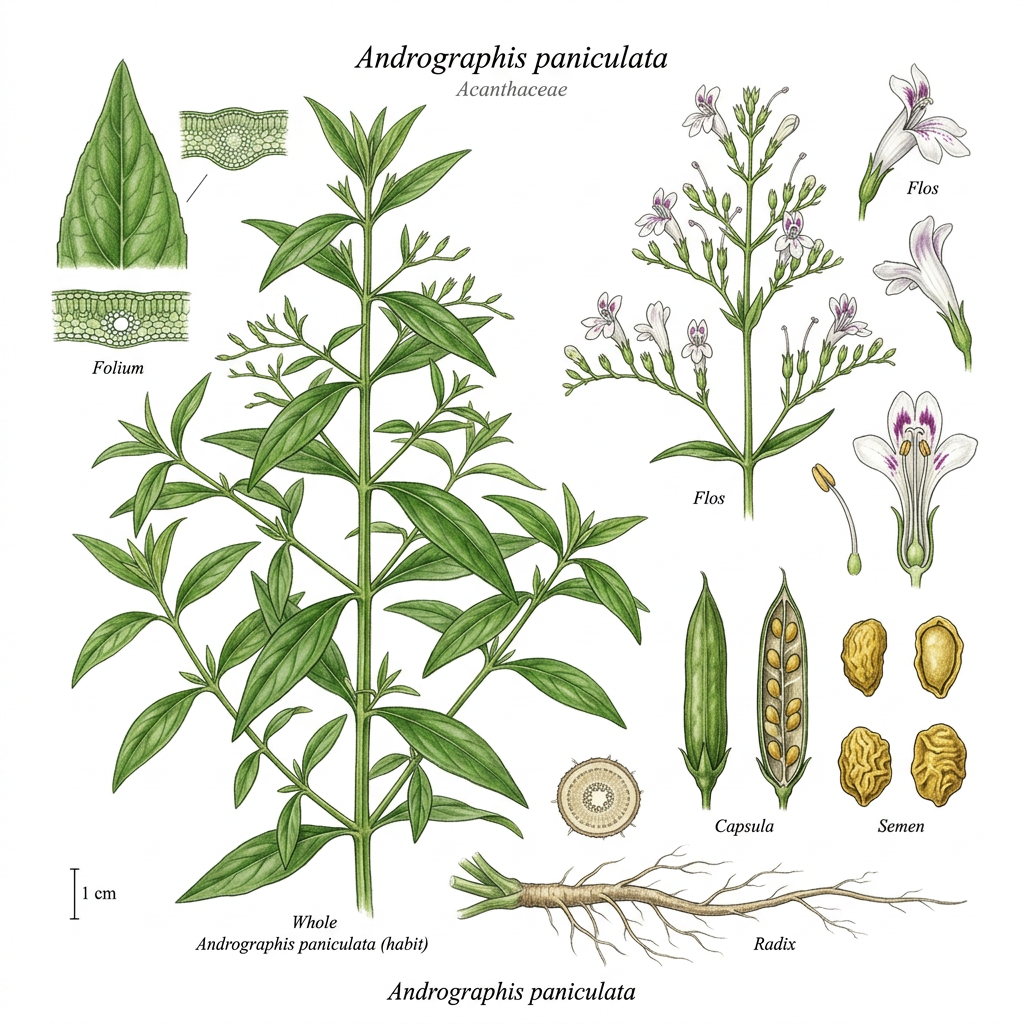
Andrographis

Andrographis

Andrographis paniculata

Immune Support
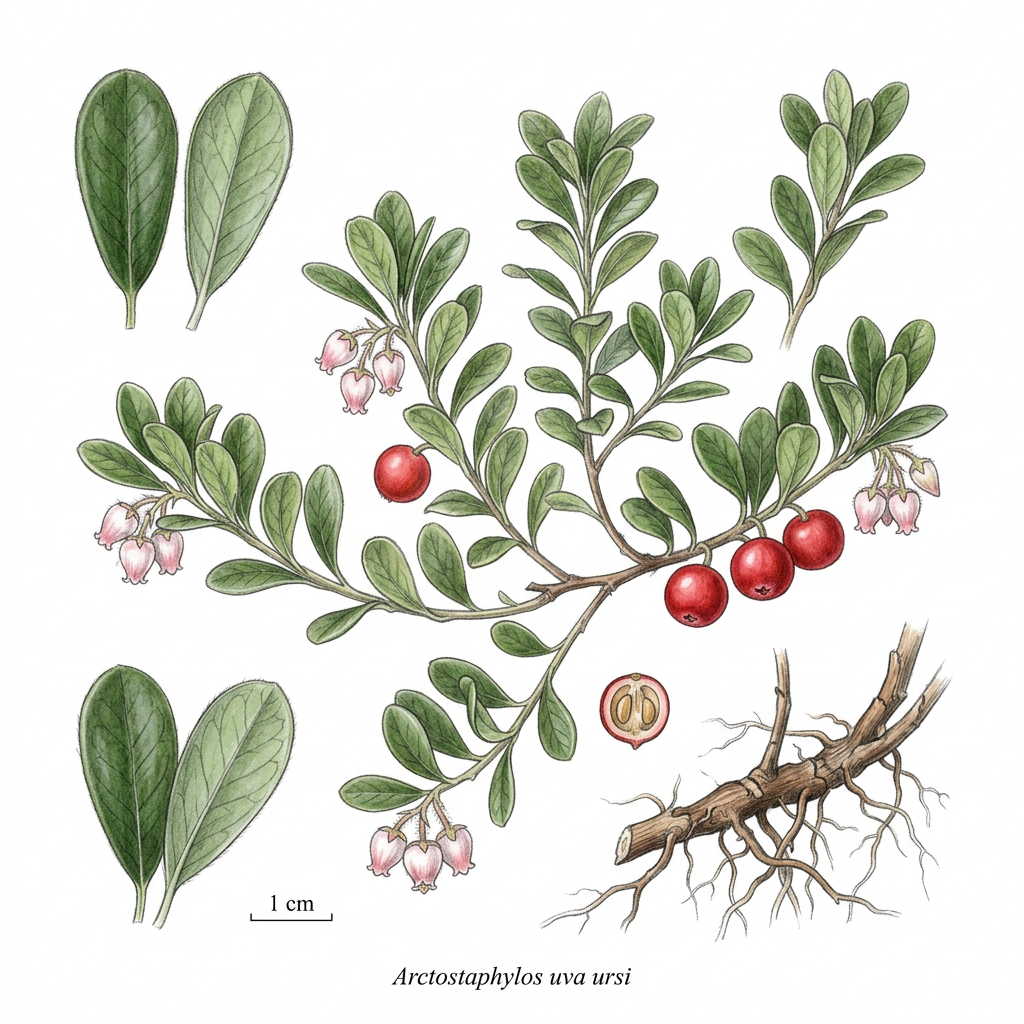
Bearberry

Bearberry

Arctostaphylos uva ursi

Urinary Health