The Wild Sage logo
The Wild Sage Logo

Herbal Medicine at your fingertips

Comprehensive database of herbal remedies with detailed safety information and traditional uses

New to herbal terms? Read the glossary →
ADHD
Abcess
Acid Reflux Relief
Acinetobacter
Acne
Acne Vulgaris
Addisons
Adenomyosis
Adenovirus
Adrenal fatigue
Aging
Aids
Alcaligenes faecalis
Alcoholism
Allergic Rhinitis
Allergies
Allergy
Alopoecia
Alopoecia nervosa
Alzheimer's, Dementia & Cognitive Decline
420 herbs found
Important: This information is for educational purposes only. Always consult with qualified healthcare professionals before using herbal remedies, especially if you have existing health conditions or take medications.

Mastic tree

Pistacia lentiscus

low risk Risk
Anacardiaceae
<p>Pistacia lentiscus, the Mastic tree, is an evergreen dioecious shrub or small tree native to the Mediterranean basin. It belongs to the Anacardiaceae family and is well-known for producing an aromatic, pale yellow resin known as mastic or 'tears'. The plant thrives in poor, rocky soils and is highly resilient to the arid climate of its natural range. The resin is traditionally harvested by making small incisions in the bark, allowing the sap to slowly weep and harden in the sun. In herbal medicine, it is the resinous exudate that is primarily utilised for therapeutic purposes.</p><p>Historically, mastic has been valued for thousands of years, with evidence of its use dating back to ancient Greece for dental health and digestive complaints. It was traditionally used for breath freshening, oral hygiene, and as a treatment for dyspepsia and peptic ulcers. The resin was also chewed as a natural gum to strengthen the gums and cleanse the teeth. These traditional practices have remained a staple of Mediterranean folk medicine, reflecting its deep cultural integration.</p><p>Modern research has begun to investigate these traditional applications, focusing on the resin's potential antibacterial and anti-inflammatory properties, particularly against Helicobacter pylori. While early studies show promise in supporting gastric mucosal health and moderating oral microbiota, clinical evidence remains limited, and larger, high-quality human trials are required to fully elucidate its efficacy and safety profiles. Current botanical actions are categorised as gastro-protective, antimicrobial, and mild anti-inflammatory.</p><p>In clinical practice, the resin is generally recommended in its natural, hardened form for chewing or encapsulated as a powder to ensure consistent dosing. It is typically employed for short-term support of upper digestive health, specifically addressing mild epigastric discomfort or dyspeptic symptoms. Because of its intense, pine-like flavour and resinous nature, it is often better tolerated in capsule form when taken for systemic digestive benefits, whereas the raw resin remains preferred for oral health applications.</p>

Uses & Conditions

Dyspepsia
Gingivitis
Low mood
Minor skin inflammation
Periodontitis
Wounds

Actions

Antimicrobial
Anti-inflammatory

Synonyms

Pistacia lentiscus
Mastic gum
Mastiha

Parts Used

Resin
Leaf

USDA Hardiness Zones

9
10
11

Contraindications

  • Pregnancy: avoid due to insufficient safety data
  • Breastfeeding: avoid due to lack of established safety data
  • Known allergy to plants in the Anacardiaceae family
  • such as mango or cashew
  • Pre-existing biliary obstruction or severe liver conditions
  • Scheduled surgery: discontinue two weeks prior

Potential Side Effects

  • Mild gastrointestinal upset including nausea or bloating
  • Occasional headaches or dizziness at high doses
  • Allergic skin reactions such as contact dermatitis

Interactions

  • Warfarin and other anticoagulants: theoretical risk of increased bleeding
  • Statins: potential for altered metabolism
  • Immunosuppressants: potential for interference with immune response

Dosages, tincture ratios & research — members only

Unlock Garreth's dosing guidance, tincture ratios, the dosage calculator and the research studies for Mastic tree.

Your assessment and results stay saved — upgrading only unlocks more of them.

See membership plans

Community Photos

No community photos yet. Sign in to upload photos.

Reviews & Ratings

Sign in to leave a review.

No reviews yet. Be the first!

GF

Garreth Falls — B.Th., Dip. H.M., MNIMH

Content curated and reviewed by Garreth Falls, Consultant Medical Herbalist · The Wild Sage

Medical Disclaimer: This information is for educational purposes only and is not intended as medical advice. Always consult with qualified healthcare professionals before starting any herbal treatment.
Western tradition

Sustainability & quality

Abundant

Produced by tapping cultivated trees in the Mediterranean; supply is stable and commercially managed.

Key constituents

Triterpenoids including masticadienonic acid, Essential oils (alpha-pinene, myrcene), Polyphenolic compounds, Phytosterols, Resinous acids

References

  1. Herbal Reality. Herb monographs. herbalreality.com

Reviewed by Garreth, Medical Herbalist (MNIMH) · November 2026

Related conditions

Explore conditions where Mastic tree is traditionally used.

Related Herbs
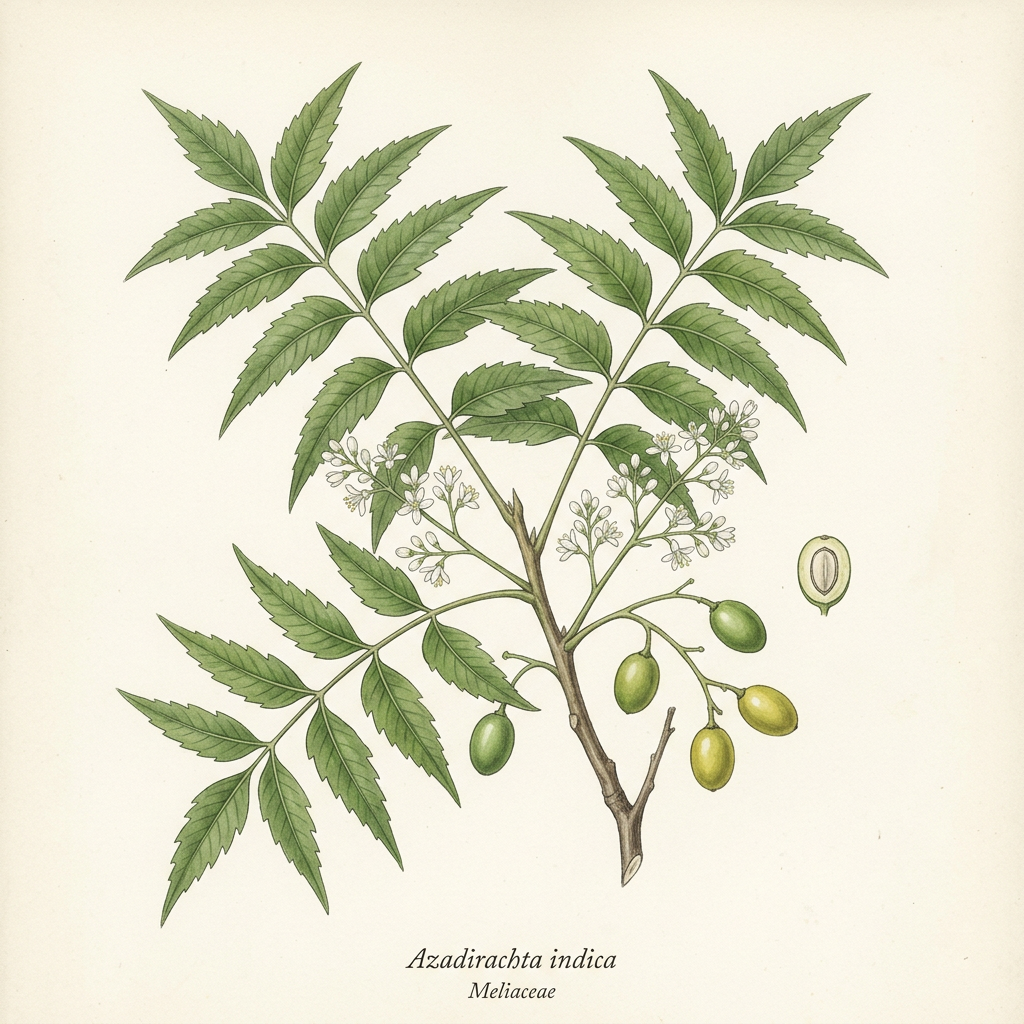
Neem

Neem

Azadirachta

Immune Support
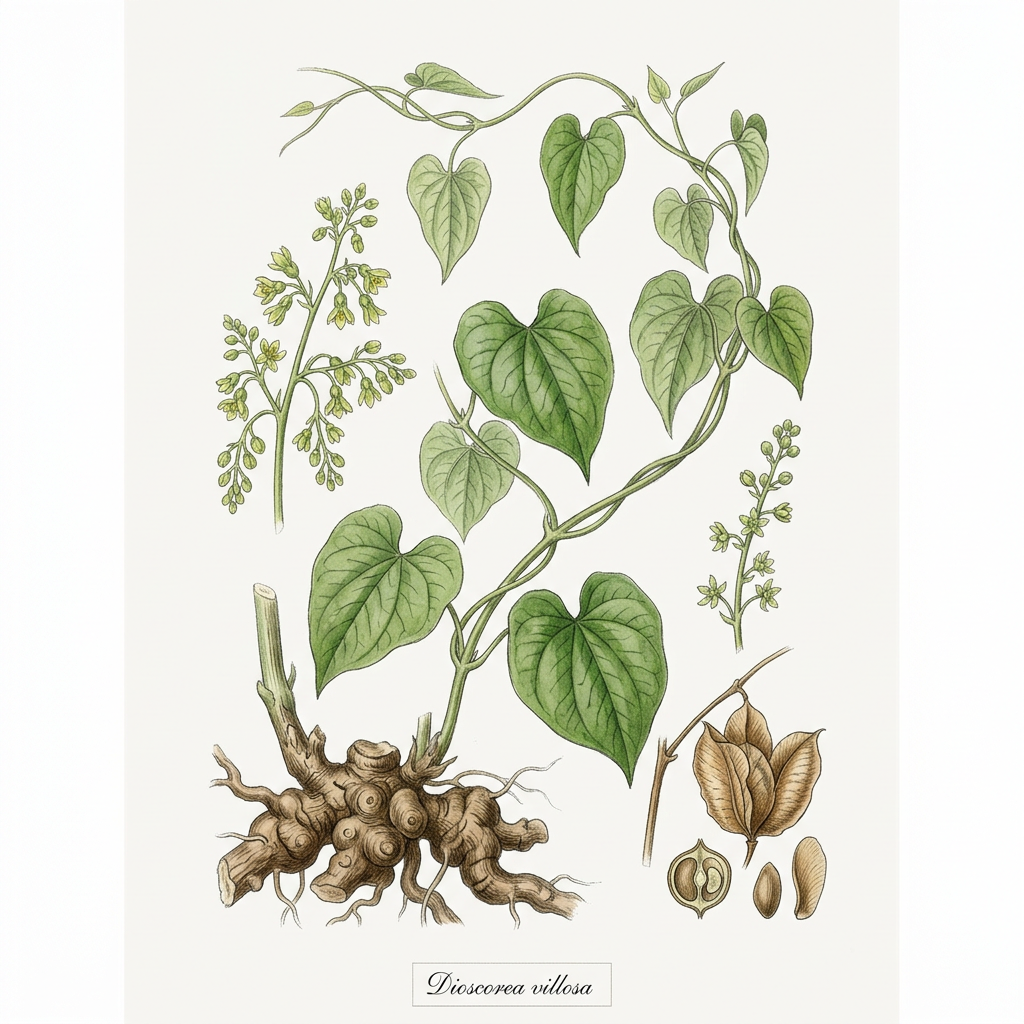
Wild Yam

Wild Yam

Dioscorea villosa

Reproductive health
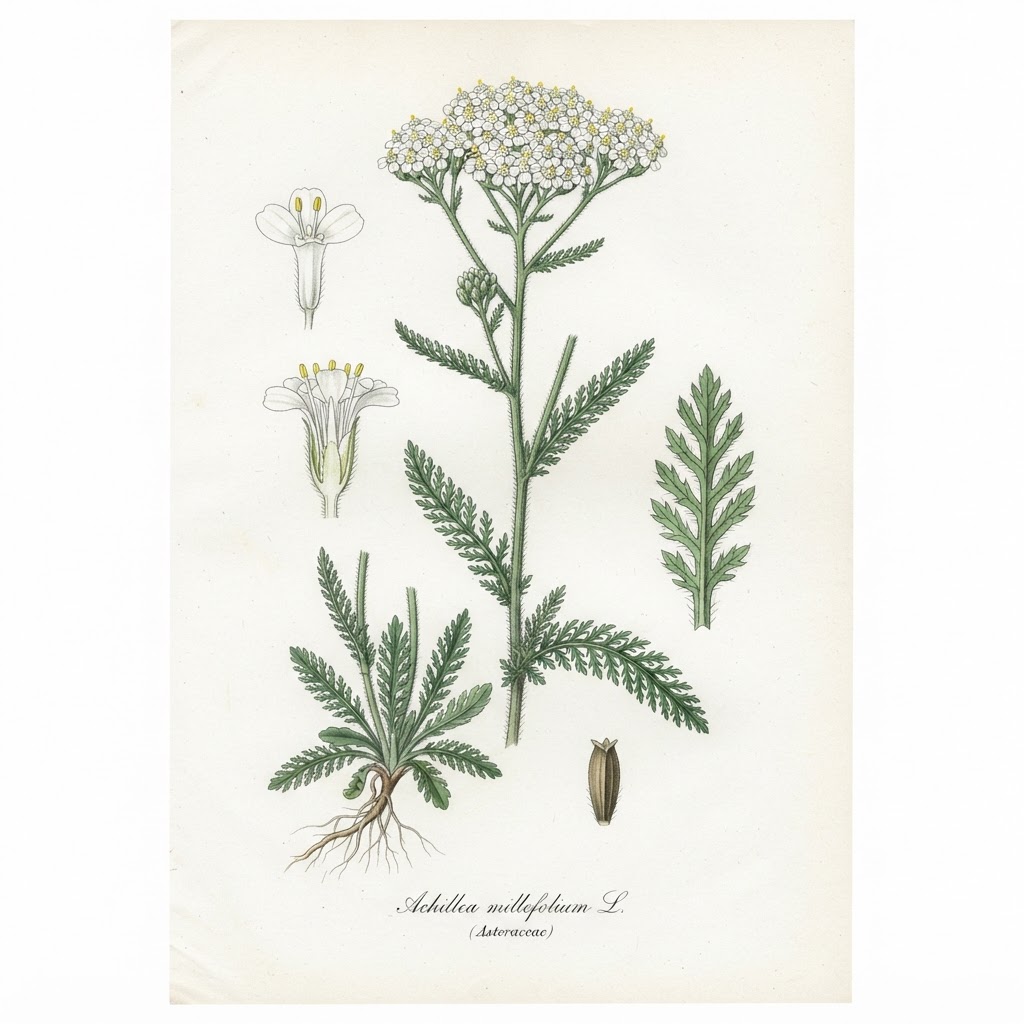
Yarrow

Yarrow

Achillea millefolium

Digestive Tonic
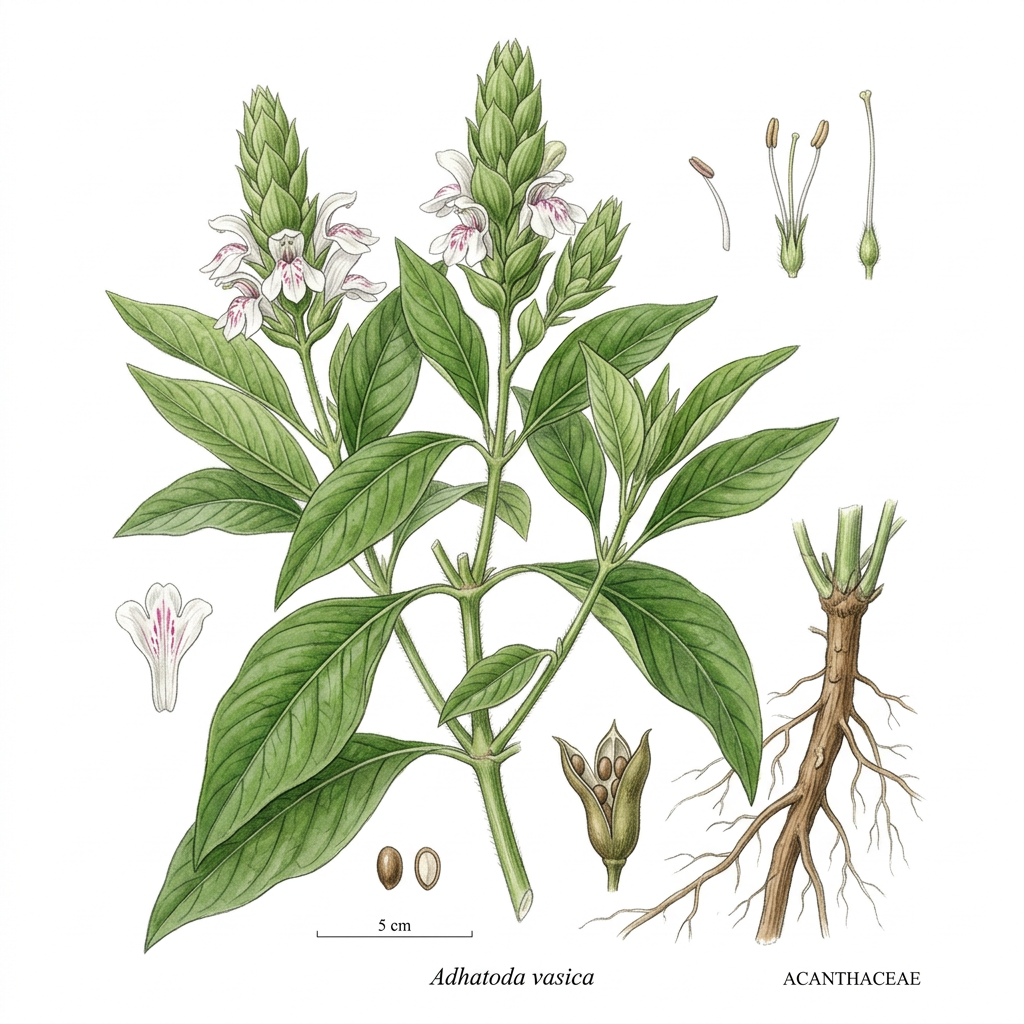
Adhatoda vasia

Adhatoda vasia

Adhatoda vasia

Diabetes