The Wild Sage logo
The Wild Sage Logo

Herbal Medicine at your fingertips

Comprehensive database of herbal remedies with detailed safety information and traditional uses

New to herbal terms? Read the glossary →
ADHD
Abcess
Acid Reflux Relief
Acinetobacter
Acne
Acne Vulgaris
Addisons
Adenomyosis
Adenovirus
Adrenal fatigue
Aging
Aids
Alcaligenes faecalis
Alcoholism
Allergic Rhinitis
Allergies
Allergy
Alopoecia
Alopoecia nervosa
Alzheimer's, Dementia & Cognitive Decline
420 herbs found
Important: This information is for educational purposes only. Always consult with qualified healthcare professionals before using herbal remedies, especially if you have existing health conditions or take medications.
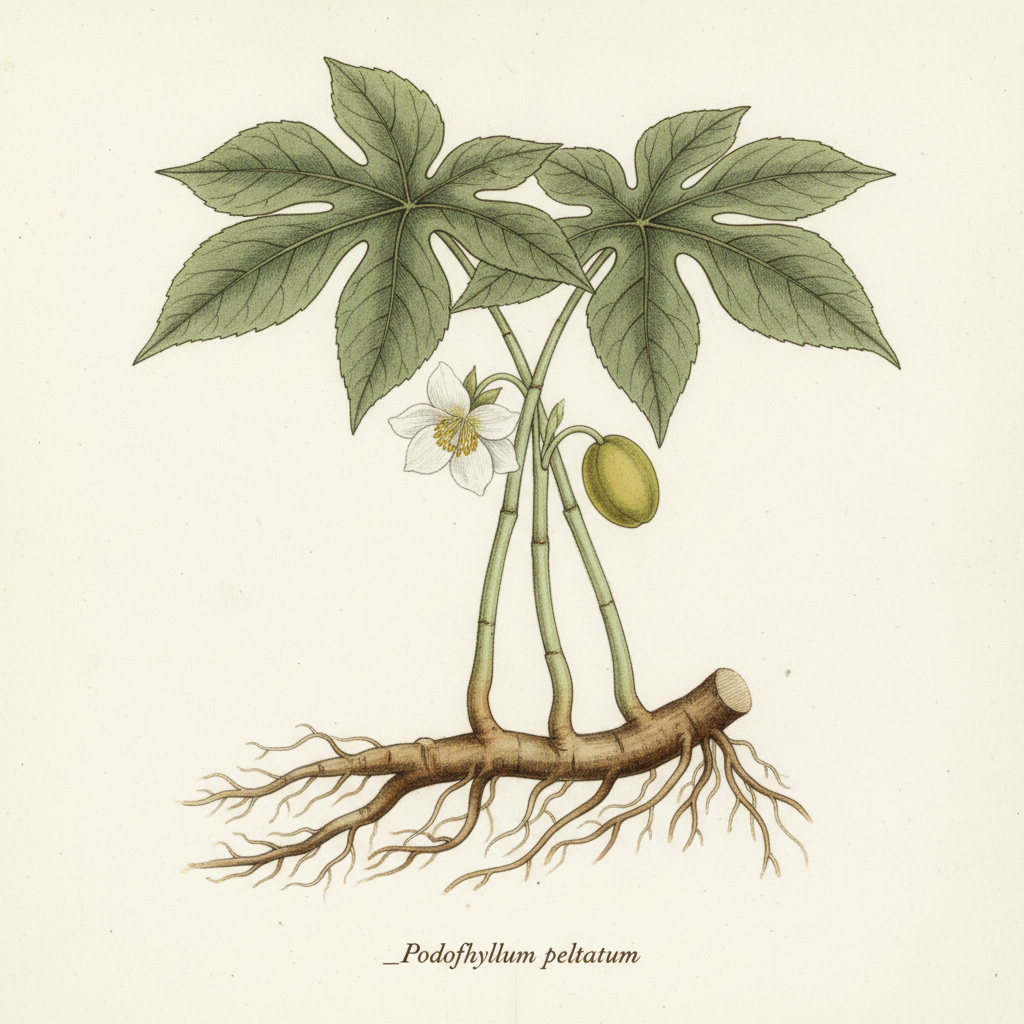
Mayapple

Mayapple

Podophyllum peltatum

high risk Risk
Berberidaceae
Hot, dry, astringent; purgative action for cold/damp conditions.
<p>Mayapple, scientifically known as Podophyllum peltatum, is a perennial herb native to the rich woodlands of North America, where it thrives in shaded, moist environments. Historically, this remarkable plant has been utilized by Indigenous peoples for its medicinal properties, often harnessed for its potent purgative effects. It was once a staple in traditional medicine, with various preparations derived from its rhizomes used to treat a range of ailments, including skin conditions, digestive issues, and as a general detoxifying agent. However, due to its toxicity, the use of Mayapple has become more circumspect, and it is recommended primarily for targeted therapeutic applications under professional guidance. The therapeutic properties of Mayapple are largely attributed to its active constituents, particularly podophyllotoxin, a compound known for its anti-cancer and antiviral capabilities. In modern herbalism, Mayapple is most commonly employed for the treatment of external warts, including those associated with human papillomavirus (HPV). This herb exhibits anti-inflammatory and cytotoxic actions, effectively disrupting the cellular process of abnormal growth. Clinical studies have demonstrated that podophyllotoxin promotes apoptosis (programmed cell death) in neoplastic cells, making it a valuable resource in the topical treatment of warts and other benign lesions. When introduced into the body, the compounds in Mayapple exert their effects by inhibiting the mitotic process and interrupting the proliferation of aberrant cells. This mechanism is particularly beneficial in the management of warts, as it facilitates the targeted destruction of viral-infected tissues while minimizing damage to surrounding healthy skin. However, it is crucial to note that due to its potent neurotoxic and purgative properties, Mayapple should only be employed under the supervision of a qualified healthcare professional. Understanding the balance between its therapeutic potential and toxicity is essential for its safe and effective use.</p>

Uses & Conditions

External Wart Removal
Benign Lesion Treatment
Atonic Constipation
Chronic Gastrointestinal Disorders
Hepatic Congestion
Gall Stones
Gall Bladder Pain
Lymphoedema
HPV

Actions

Anti-inflammatory
Alterative
Purgative
Antiviral
Cytotoxic
Anti-neoplastic
Hepatic
Uterine Stimulant
Neurotoxic

Parts Used

Root

Native Countries

North America

USDA Hardiness Zones

USDA 3-9

Contraindications

  • Highly toxic; must be used only under medical supervision
  • Pregnancy due to potent teratogenic and uterine stimulant effects
  • Epilepsy due to potent neurotoxicity
  • Individuals with pinched features
  • contracted tissues
  • or contracted skin and tongue

Potential Side Effects

  • Severe skin irritation
  • erythema
  • and ulceration at the site of application
  • Severe abdominal cramping and diarrhoea if ingested
  • Systemic toxicity including bone marrow suppression and neurological effects
  • Inflammation of mucous membranes upon direct contact

Interactions

  • Cytotoxic medications: may have additive effects and increase risk of severe systemic toxicity
  • Immune-modulating drugs: potential for interference with mechanisms of action
  • Laxative medications: potential for potentiation leading to severe electrolyte imbalance
  • Topical retinoids: may increase absorption and irritation levels when applied concurrently

Dosages, tincture ratios & research — members only

Unlock Garreth's dosing guidance, tincture ratios, the dosage calculator and the research studies for Mayapple.

Your assessment and results stay saved — upgrading only unlocks more of them.

See membership plans

Community Photos

No community photos yet. Sign in to upload photos.

Reviews & Ratings

Sign in to leave a review.

No reviews yet. Be the first!

GF

Garreth Falls — B.Th., Dip. H.M., MNIMH

Content curated and reviewed by Garreth Falls, Consultant Medical Herbalist · The Wild Sage

Medical Disclaimer: This information is for educational purposes only and is not intended as medical advice. Always consult with qualified healthcare professionals before starting any herbal treatment.
Western tradition

Sustainability & quality

At risk

Wild populations have been significantly depleted by over-collection. Avoid all wild-harvested material; use only cultivated sources.

Key constituents

Podophyllotoxin, Podophyllin resin, Alpha-peltatin, Beta-peltatin, Quercetin, Kaempferol, Lignans

References

  1. British Herbal Pharmacopoeia 1983
  2. Herbal Reality. Herb monographs. herbalreality.com

Reviewed by Garreth, Medical Herbalist (MNIMH) · November 2026

Related conditions

Explore conditions where Mayapple is traditionally used.

Related Herbs
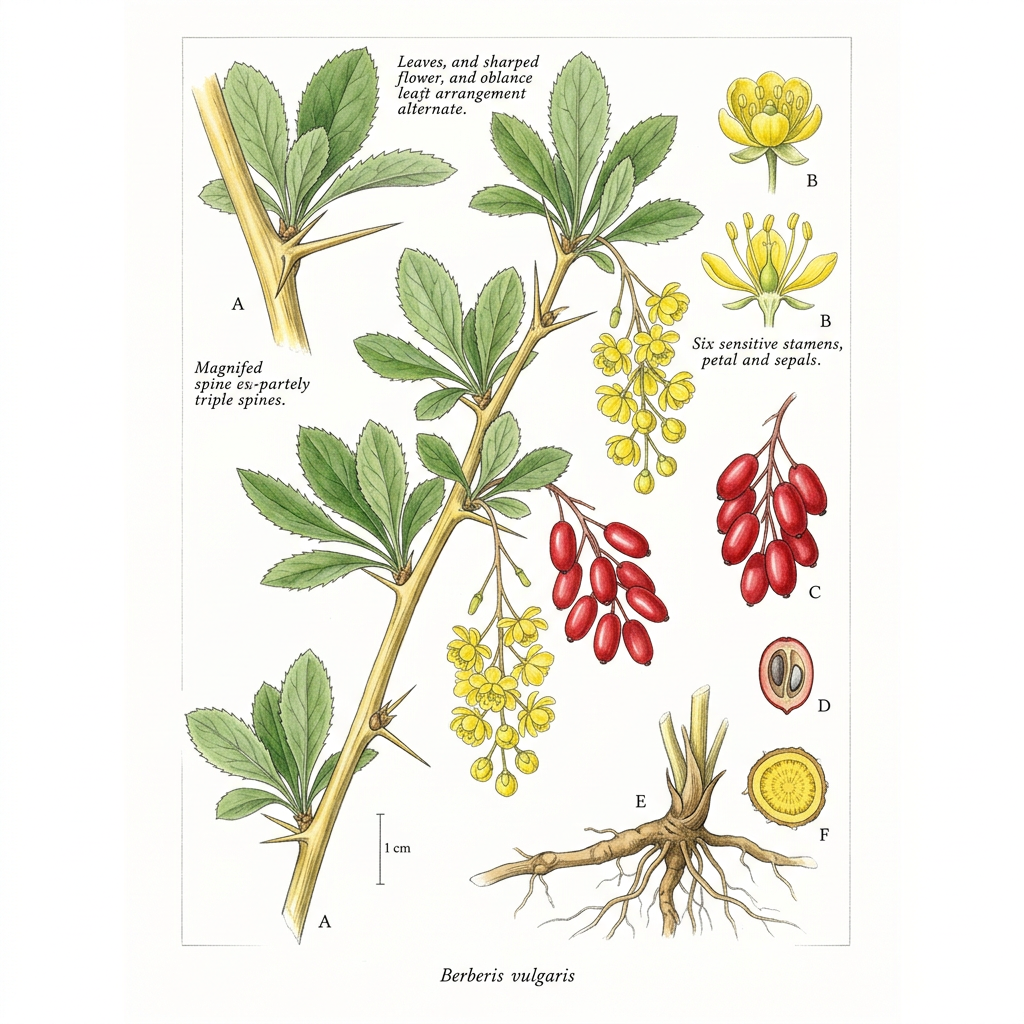
Barberry

Barberry

Berberis vulgaris

Digestive Aid
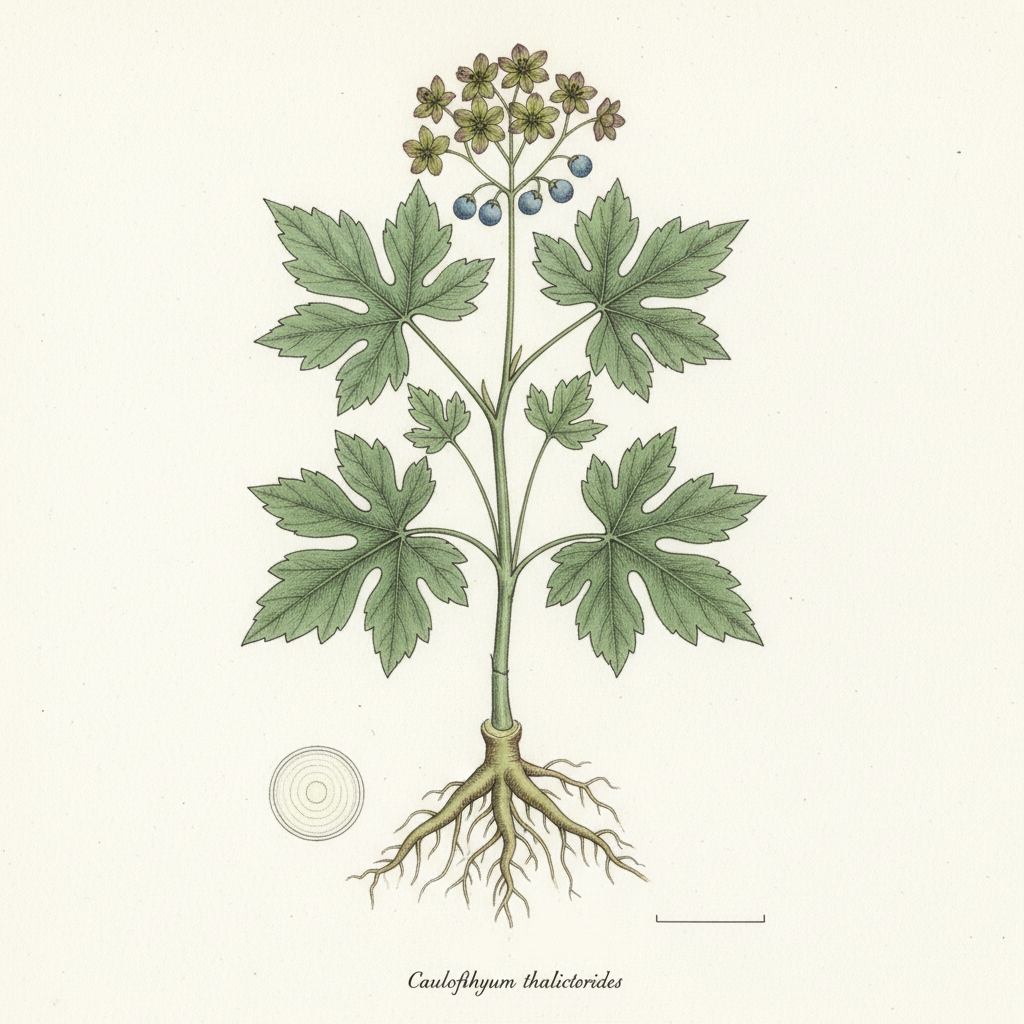
Blue Cohosh

Blue Cohosh

Caulophyllum thalictroides
Hormonal Balance
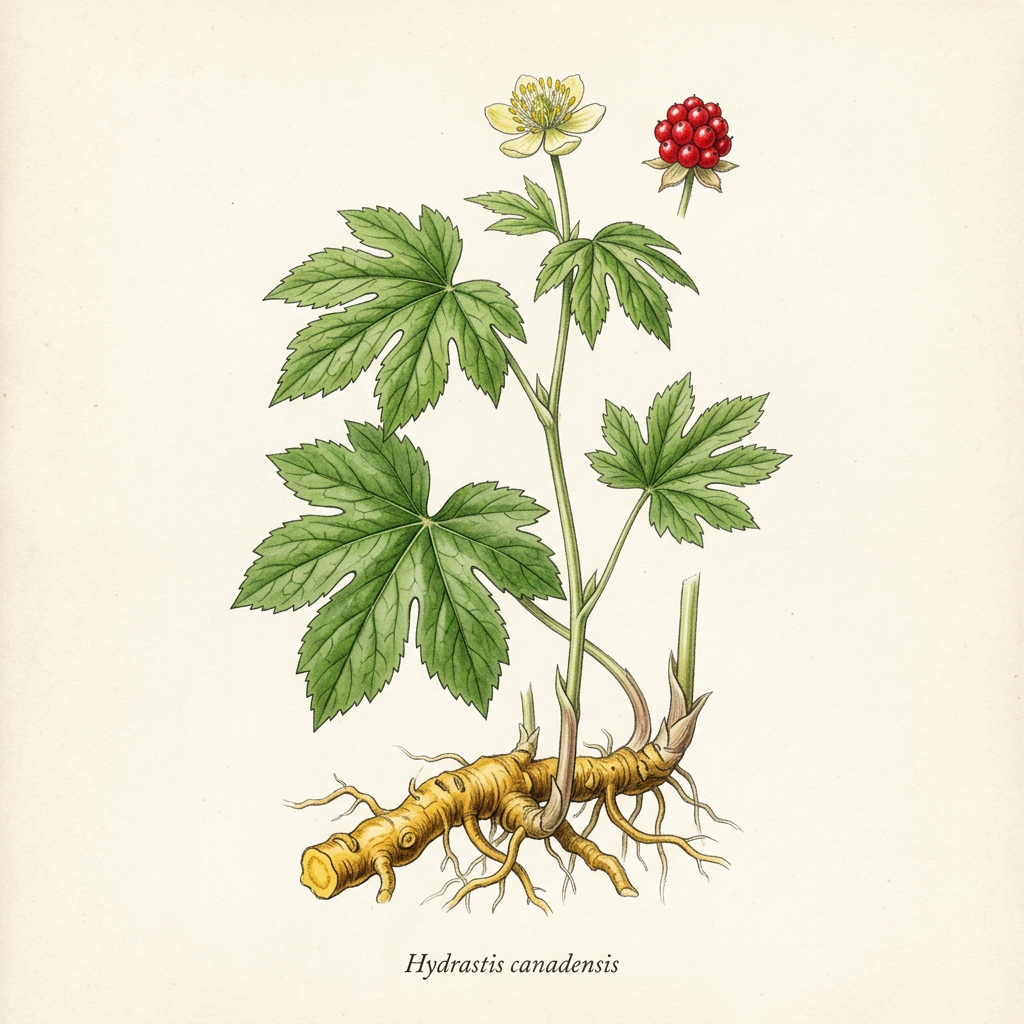
Goldenseal

Goldenseal

Hydrastis canadensis

Convalescence
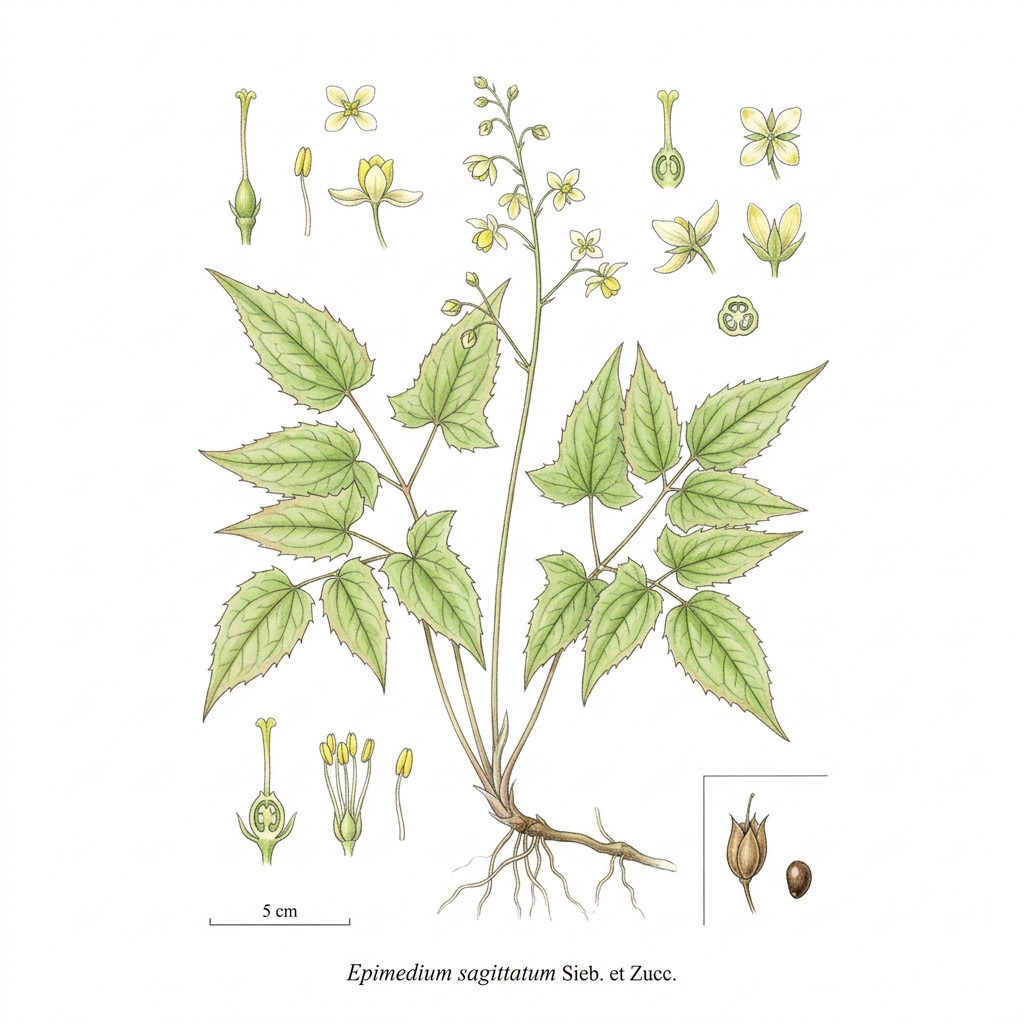
Horny Goat Weed

Horny Goat Weed

Epimedium saggitatum

Libido Enhancement