The Wild Sage logo
The Wild Sage Logo

Herbal Medicine at your fingertips

Comprehensive database of herbal remedies with detailed safety information and traditional uses

New to herbal terms? Read the glossary →
ADHD
Abcess
Acid Reflux Relief
Acinetobacter
Acne
Acne Vulgaris
Addisons
Adenomyosis
Adenovirus
Adrenal fatigue
Aging
Aids
Alcaligenes faecalis
Alcoholism
Allergic Rhinitis
Allergies
Allergy
Alopoecia
Alopoecia nervosa
Alzheimer's, Dementia & Cognitive Decline
420 herbs found
Important: This information is for educational purposes only. Always consult with qualified healthcare professionals before using herbal remedies, especially if you have existing health conditions or take medications.
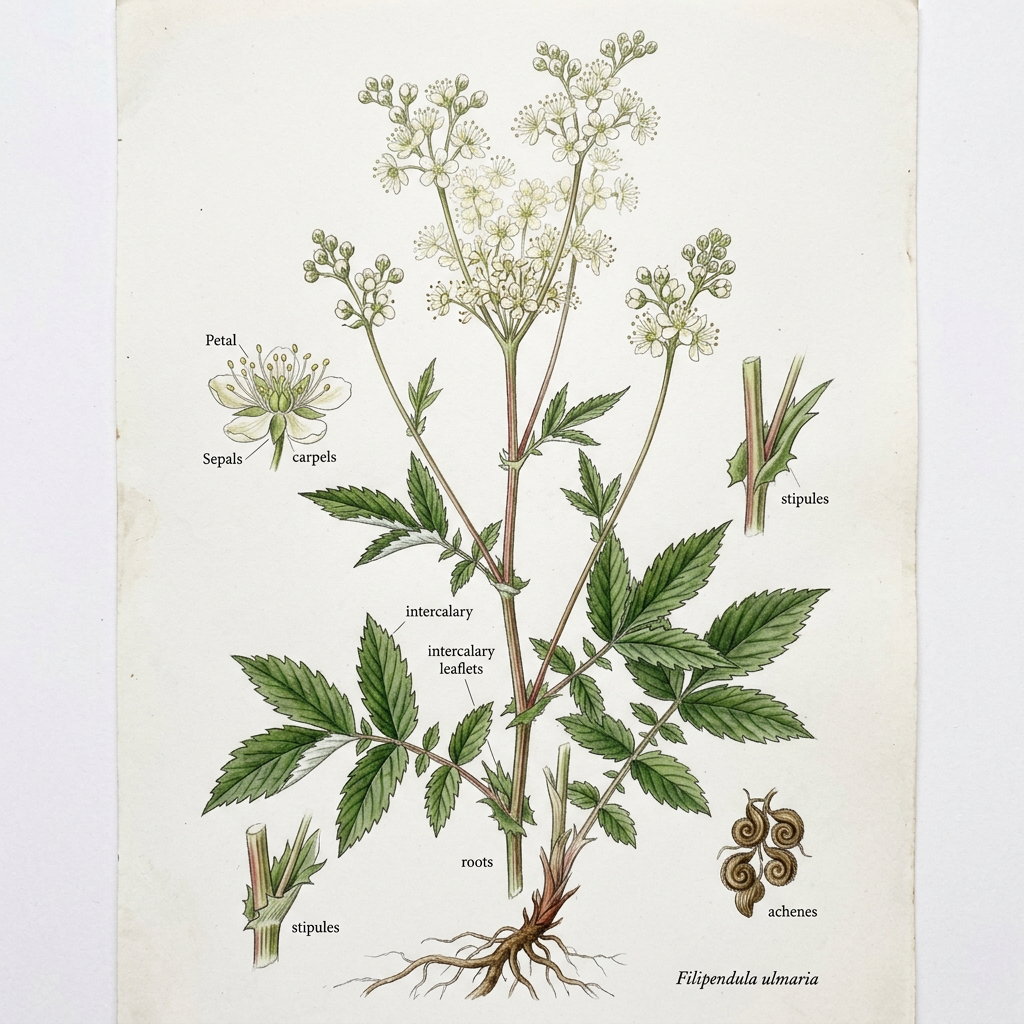
Meadowsweet

Meadowsweet

Filipendula ulmaria

low risk Risk
Rosaceae
Cooling, bitter astringent
<p>**Herb Name:** Meadowsweet **Scientific Name:** Filipendula ulmaria Meadowsweet, also known by its historical names such as solomon's seal and lady of the meadow, is a perennial herb native to wet meadows and riverbanks across Europe, Asia, and North America. Revered since ancient times, it holds a prominent place in herbal folklore, where it was traditionally employed as a remedy for various ailments. The herb's name is derived from the sweet fragrance of its flowers, which release a pleasing aroma reminiscent of almonds due to the presence of salicylic acid, a precursor to modern aspirin. Historically, meadowsweet was utilized by herbalists to treat fevers, rheumatism, and digestive disorders, signifying its longstanding role in folk medicine. Meadowsweet is best known for its potent anti-inflammatory properties, making it a valuable ally for those suffering from digestive discomfort, such as heartburn and indigestion, as well as joint pain associated with inflammation. Its unique blend of active compounds, chiefly salicylates, flavonoids, and tannins, contribute to its multifaceted therapeutic effects. The herb works by soothing the stomach lining and reducing excess stomach acid through its natural antacid effects, providing gentle yet effective relief from gastrointestinal distress. Additionally, its anti-inflammatory action helps alleviate discomfort in swollen joints, thus promoting overall mobility and quality of life for individuals experiencing arthritic conditions. The mechanism through which meadowsweet exerts its beneficial effects lies primarily in its ability to inhibit pro-inflammatory pathways and support gastrointestinal health. The salicylates within the plant mimic the action of aspirin, providing analgesic and anti-inflammatory benefits without the risk of gastrointestinal irritation commonly associated with synthetic medications. Furthermore, meadowsweet stimulates the production of mucus in the gastrointestinal tract, which serves to protect the mucosal lining from excess acidity. By fostering both digestive comfort and reducing inflammation, meadowsweet stands out as a remarkable herb that embodies nature's capacity to heal. Its integration into modern herbal practice speaks to a growing appreciation for botanical remedies that offer holistic care and relief.</p>

Uses & Conditions

Digestive aid
Osteoarthritis
Rheumatoid arthritis
Chronic pain
Menorrhagia
Inflammation
Heartburn
Indigestion
Gastrointestinal distress
Calculi
Cystitis
Dysuria
Cervical dysplasia

Actions

Anti-inflammatory
Analgesic
COX-2 inhibitor
TNF-a inhibitor
NFkB inhibitor
Anti-bacterial

Synonyms

Meadowsweet

Parts Used

Flowers
Leaves
Whole plant

Native Countries

Europe

USDA Hardiness Zones

USDA 3-8

Contraindications

  • Known allergy or hypersensitivity to salicylates or aspirin
  • Pregnancy and breastfeeding
  • Active peptic ulcers or gastrointestinal bleeding
  • Children and adolescents under the age of 16
  • Pre-operative patients

Potential Side Effects

  • Mild gastrointestinal upset or nausea
  • Skin rashes or hives
  • Tinnitus or dizziness if consumed in excessive quantities

Interactions

  • Aspirin or other NSAIDs
  • Anticoagulant or antiplatelet medications
  • Iron supplements
  • Diuretic medications

Dosages, tincture ratios & research — members only

Unlock Garreth's dosing guidance, tincture ratios, the dosage calculator and the research studies for Meadowsweet.

Your assessment and results stay saved — upgrading only unlocks more of them.

See membership plans

Community Photos

No community photos yet. Sign in to upload photos.

Reviews & Ratings

Sign in to leave a review.

No reviews yet. Be the first!

GF

Garreth Falls — B.Th., Dip. H.M., MNIMH

Content curated and reviewed by Garreth Falls, Consultant Medical Herbalist · The Wild Sage

Medical Disclaimer: This information is for educational purposes only and is not intended as medical advice. Always consult with qualified healthcare professionals before starting any herbal treatment.
Western tradition

Sustainability & quality

Abundant

Common in moist wild habitats. Wild collection should be limited to healthy, non-polluted sites.

Key constituents

Salicylates, Volatile Oils, Tannin

References

  1. Bone & Mills "Principles and Practice of Phytotherapy" 2nd ed. 2013
  2. ESCOP Monographs 2nd ed. 2003
  3. EMA/HMPC Community Herbal Monograph
  4. Herbal Reality. Herb monographs. herbalreality.com

Reviewed by Garreth, Medical Herbalist (MNIMH) · November 2026

Related conditions

Explore conditions where Meadowsweet is traditionally used.

Related Herbs
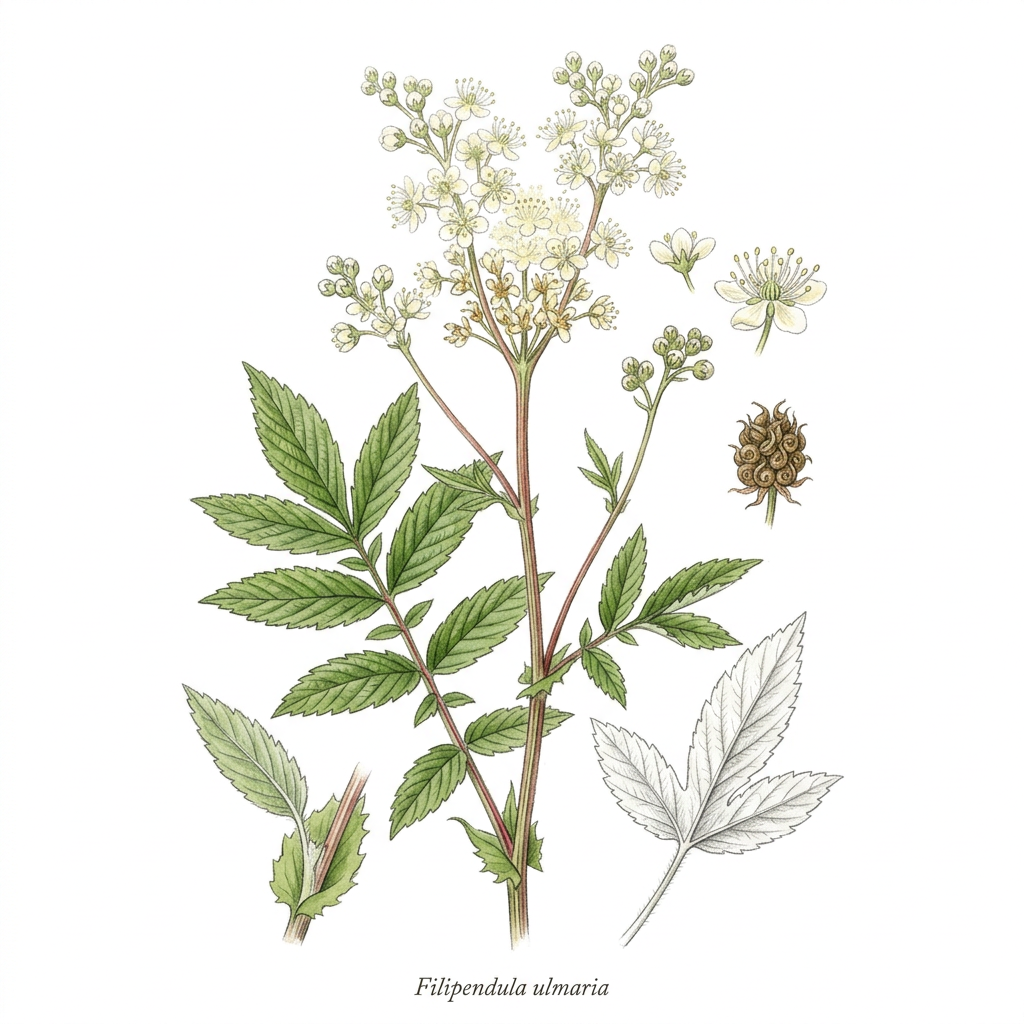
Filipendula ulmaria

Filipendula ulmaria
Filipendula ulmaria

Immune Support
Agrimony

Agrimony

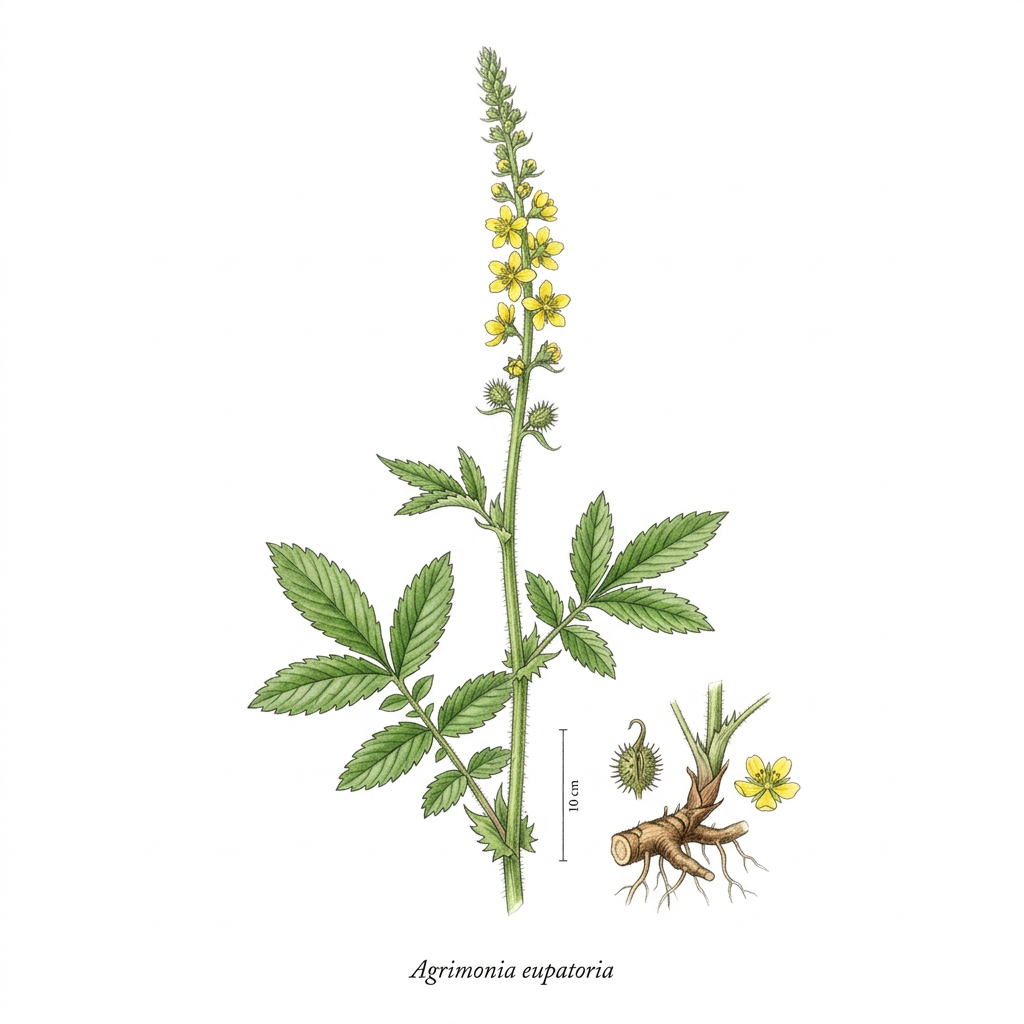
Agrimonia eupatoria

Digestive Aid
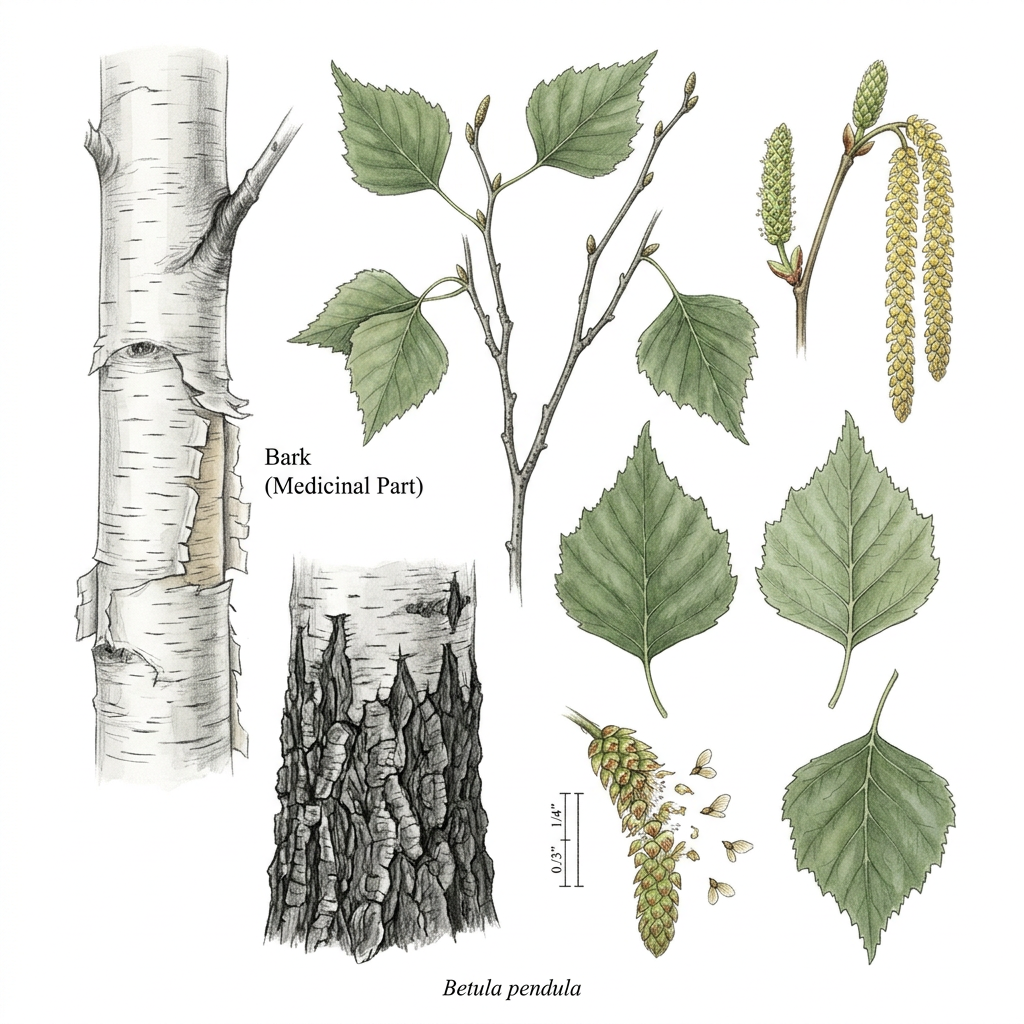
Birch

Birch

Betula pendula

Kidney Support
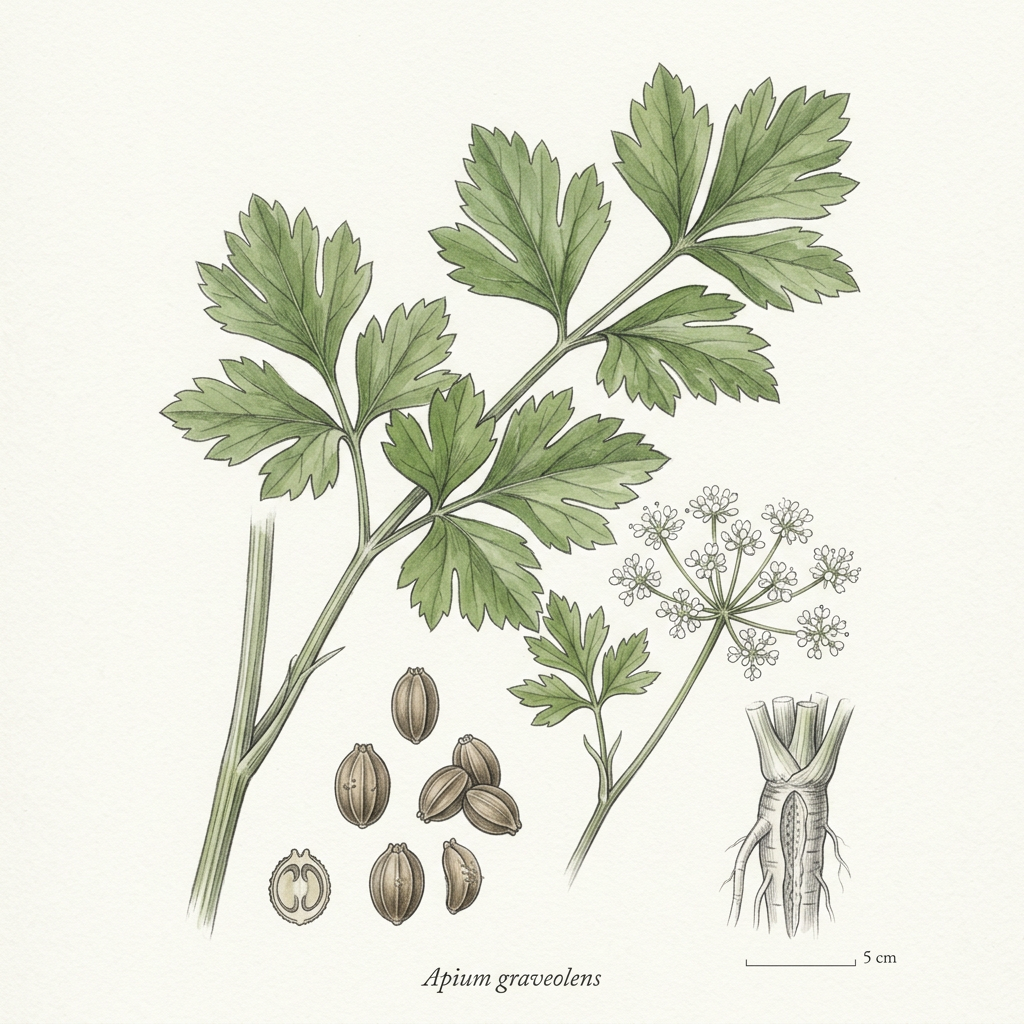
Celery Seed

Celery Seed

Apium graveolens

Digestive Aid