The Wild Sage logo
The Wild Sage Logo

Herbal Medicine at your fingertips

Comprehensive database of herbal remedies with detailed safety information and traditional uses

New to herbal terms? Read the glossary →
ADHD
Abcess
Acid Reflux Relief
Acinetobacter
Acne
Acne Vulgaris
Addisons
Adenomyosis
Adenovirus
Adrenal fatigue
Aging
Aids
Alcaligenes faecalis
Alcoholism
Allergic Rhinitis
Allergies
Allergy
Alopoecia
Alopoecia nervosa
Alzheimer's, Dementia & Cognitive Decline
420 herbs found
Important: This information is for educational purposes only. Always consult with qualified healthcare professionals before using herbal remedies, especially if you have existing health conditions or take medications.
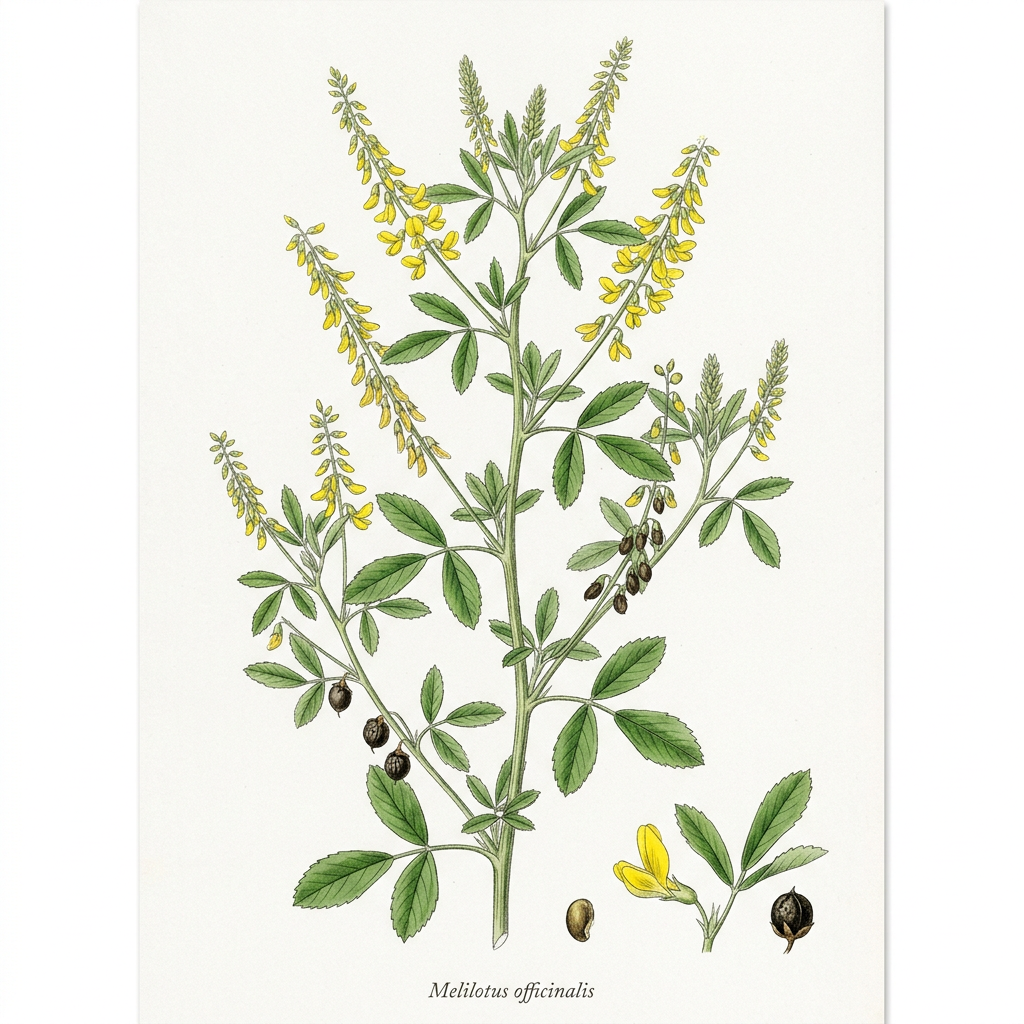
Melilot

Melilot

Melilotus officinalis

moderate risk Risk
Fabaceae
Cooling, mildly bitter, disperses stagnation and supports fluid movement.
<p>Melilot, commonly known as sweet clover, is a biennial or perennial herbaceous plant belonging to the legume family, Fabaceae. This herb has a rich history steeped in traditional herbal medicine, particularly in Europe and Asia, where it has been utilized for centuries. Historically, Melilot has been revered for its mild sedative and anti-inflammatory properties, making it a popular remedy for a variety of ailments, such as digestive issues and respiratory conditions. In folk medicine, both the leaves and flowers have been used to prepare infusions, tinctures, and poultices to promote overall health and well-being. Melilot is known primarily for its anticoagulant properties, largely attributed to the presence of coumarins, a group of aromatic organic compounds. The key constituents, such as melilotoside and coumarin, play a crucial role in modulating blood coagulation. These compounds help to improve circulation and can be beneficial in managing conditions related to poor blood flow, such as varicose veins and thrombosis. Moreover, Melilot exhibits mild analgesic and anti-inflammatory effects, which may contribute to pain relief and promote healing in inflammatory contexts. Its applications extend beyond the cardiovascular system; traditional uses have also included treatment for digestive disorders, where its soothing properties can help alleviate symptoms like cramps and bloating. In the body, Melilot exerts its effects through several mechanisms. The coumarins present in the herb act as natural anticoagulants by inhibiting certain clotting factors, thus preventing excessive blood clot formation. Additionally, they promote vasodilation, the widening of blood vessels, which further supports enhanced blood flow and reduces blood pressure. As a result, Melilot can play a significant role in fostering cardiovascular health. The herb's anti-inflammatory and muscle-relaxant properties may also aid in reducing tension and promoting relaxation, making it a multifaceted botanical with a spectrum of therapeutic benefits. Embracing both its historical significance and medicinal properties, Melilot continues to hold a unique place in herbal medicine today.</p>

Uses & Conditions

Venous Insufficiency
Dyspepsia
Menorrhagia
Anxiety
Insomnia
Atherosclerosis
Varicose Veins
Haemorrhoids
Conjunctivitis
Neuralgia
Nervous Tension
Palpitations
Flatulence
Rheumatism
Deep Vein Thrombosis
Phlebitis
Bruising
Boils
Prostate Cancer
Malignant Melanoma
Kidney Cancer
Oxidant Stress
Renal Congestion

Actions

Anticoagulant
Anti-inflammatory
Digestive Aid
Spasmolytic
Emollient
Analgesic
Carminative
Diuretic
Sedative
Expectorant
Vulnerary
Anti-oedema
Venous Return
Lymphatic
Antitumour

Parts Used

Aerial parts

Native Countries

Europe

USDA Hardiness Zones

USDA 3-9

Contraindications

  • Patients taking blood-thinning medications
  • History of poor clotting
  • Haemophilia
  • Poor liver function

Potential Side Effects

  • Headache or dizziness when taken in excessive quantities
  • Mild gastrointestinal distress such as nausea or discomfort in sensitive individuals
  • Risk of haemorrhage if consumed in high doses
  • Rare reports of contact dermatitis from external application

Interactions

  • Anticoagulants such as warfarin or aspirin: potential additive effects on blood clotting mechanisms
  • NSAIDs: potential additive effects on coagulation and gastric irritation
  • Antiplatelet medications: potential for excessive bleeding
  • Hepatotoxic substances: avoid concurrent use due to historical concerns regarding degraded coumarins

Dosages, tincture ratios & research — members only

Unlock Garreth's dosing guidance, tincture ratios, the dosage calculator and the research studies for Melilot.

Your assessment and results stay saved — upgrading only unlocks more of them.

See membership plans

Community Photos

No community photos yet. Sign in to upload photos.

Reviews & Ratings

Sign in to leave a review.

No reviews yet. Be the first!

GF

Garreth Falls — B.Th., Dip. H.M., MNIMH

Content curated and reviewed by Garreth Falls, Consultant Medical Herbalist · The Wild Sage

Medical Disclaimer: This information is for educational purposes only and is not intended as medical advice. Always consult with qualified healthcare professionals before starting any herbal treatment.
Western tradition

Sustainability & quality

Abundant

Commonly found in wild meadows and roadsides. Proper drying is critical to prevent the development of dicoumarol, a potentially toxic compound.

Key constituents

Coumarin, Melilotoside, Flavonoids, Triterpenoid saponins, Phenolic acids, Essential oils, Allantoin

References

  1. ESCOP Monographs 2nd ed. 2003
  2. British Herbal Pharmacopoeia 1983
  3. Herbal Reality. Herb monographs. herbalreality.com

Reviewed by Garreth, Medical Herbalist (MNIMH) · November 2026

Related conditions

Explore conditions where Melilot is traditionally used.

Related Herbs
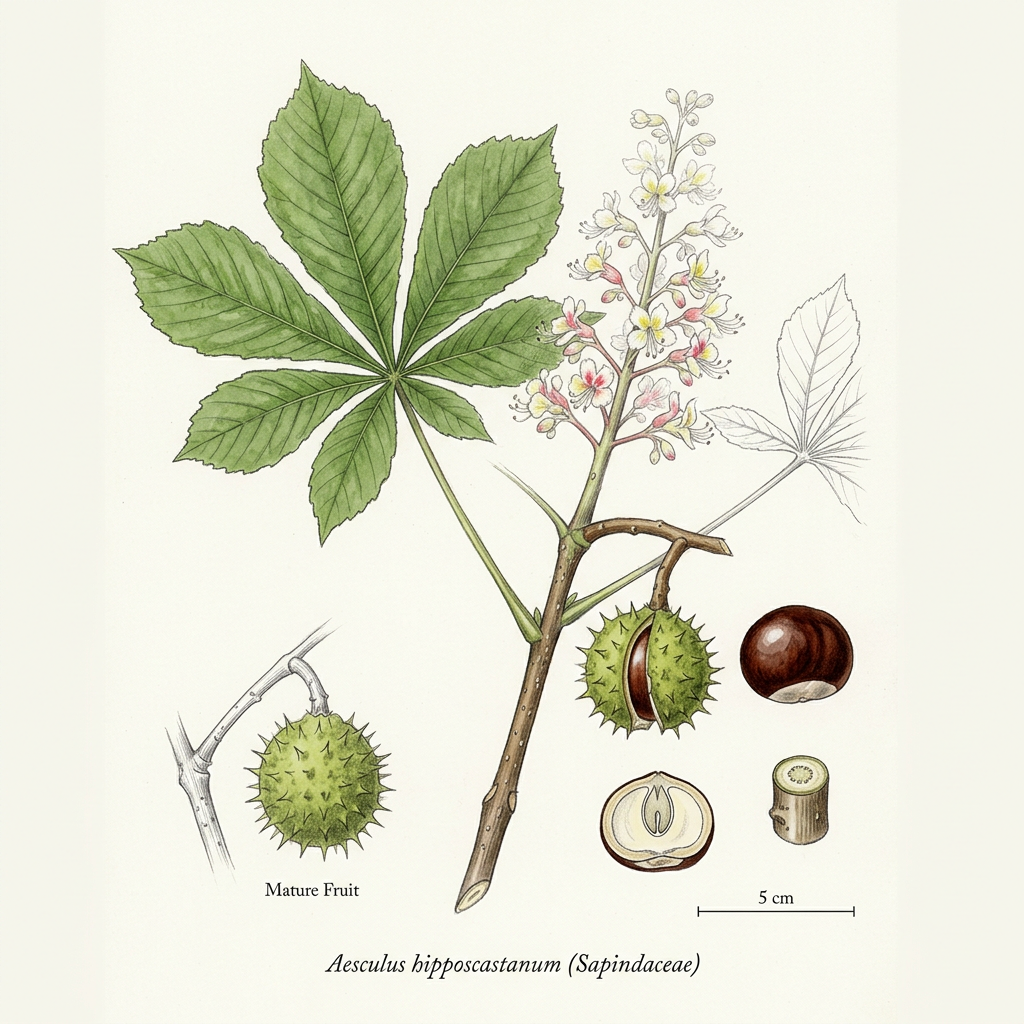
Horse Chestnut

Horse Chestnut

Aesculus hipposcastanum
Blood Tonic
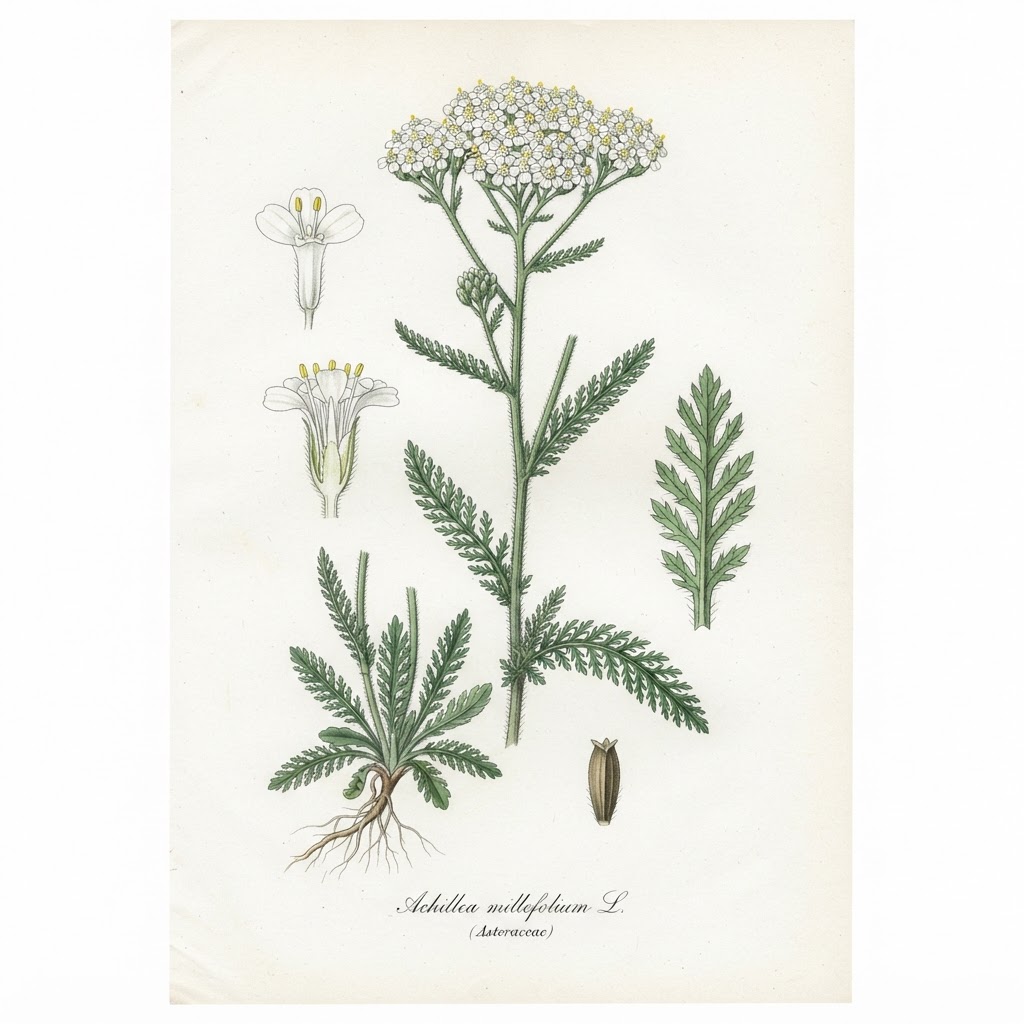
Yarrow

Yarrow

Achillea millefolium

Digestive Tonic
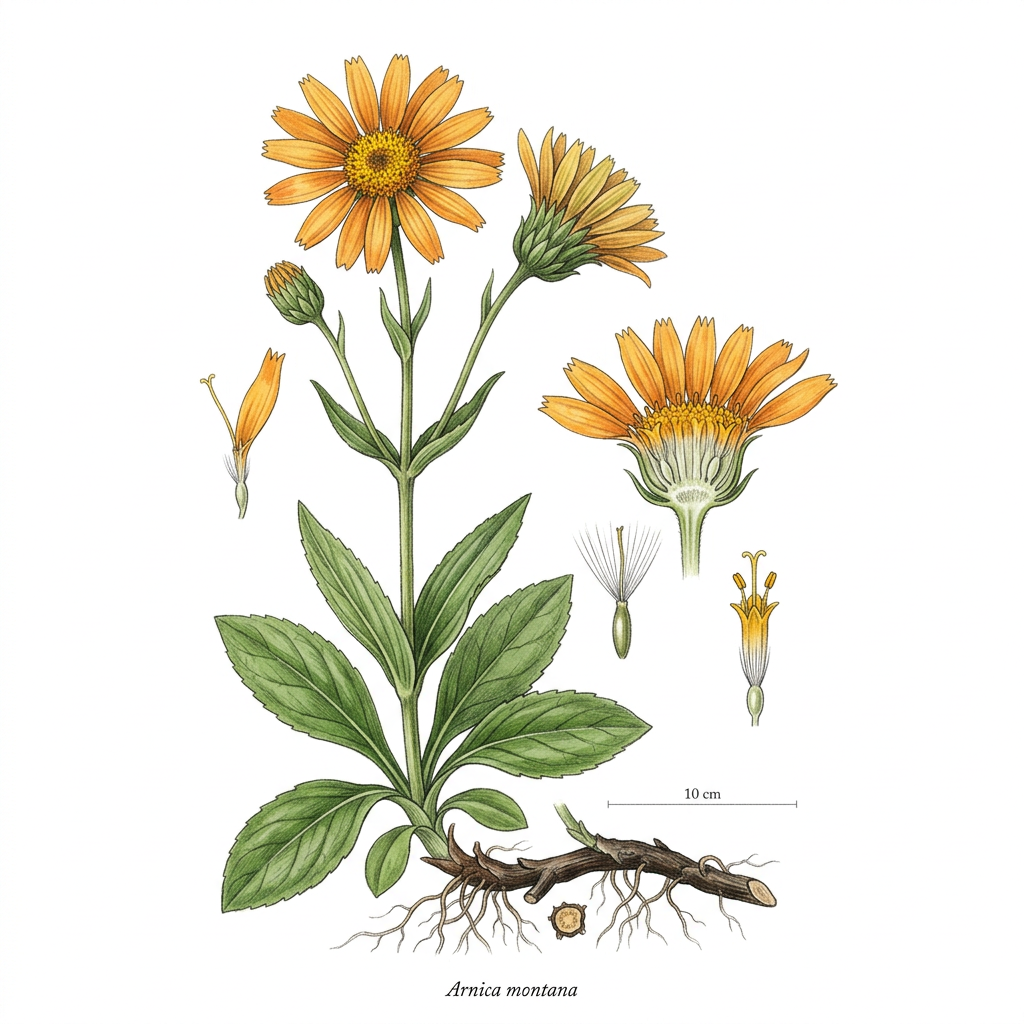
Arnica

Arnica

Arnica montana

Tissue Repair
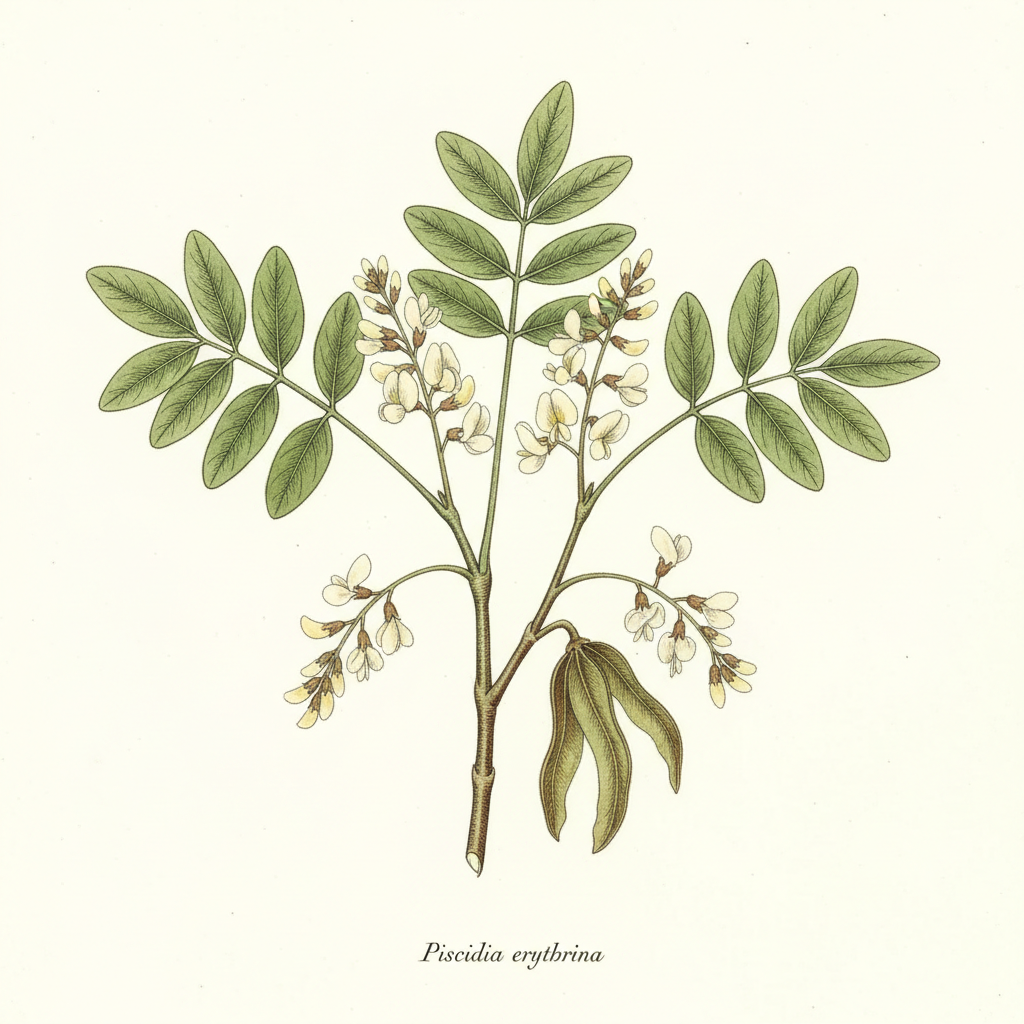
Jamacian dogwood.

Jamacian dogwood.

Piscidia erythrina

Nerve relaxation