The Wild Sage logo
The Wild Sage Logo

Herbal Medicine at your fingertips

Comprehensive database of herbal remedies with detailed safety information and traditional uses

New to herbal terms? Read the glossary →
ADHD
Abcess
Acid Reflux Relief
Acinetobacter
Acne
Acne Vulgaris
Addisons
Adenomyosis
Adenovirus
Adrenal fatigue
Aging
Aids
Alcaligenes faecalis
Alcoholism
Allergic Rhinitis
Allergies
Allergy
Alopoecia
Alopoecia nervosa
Alzheimer's, Dementia & Cognitive Decline
420 herbs found
Important: This information is for educational purposes only. Always consult with qualified healthcare professionals before using herbal remedies, especially if you have existing health conditions or take medications.
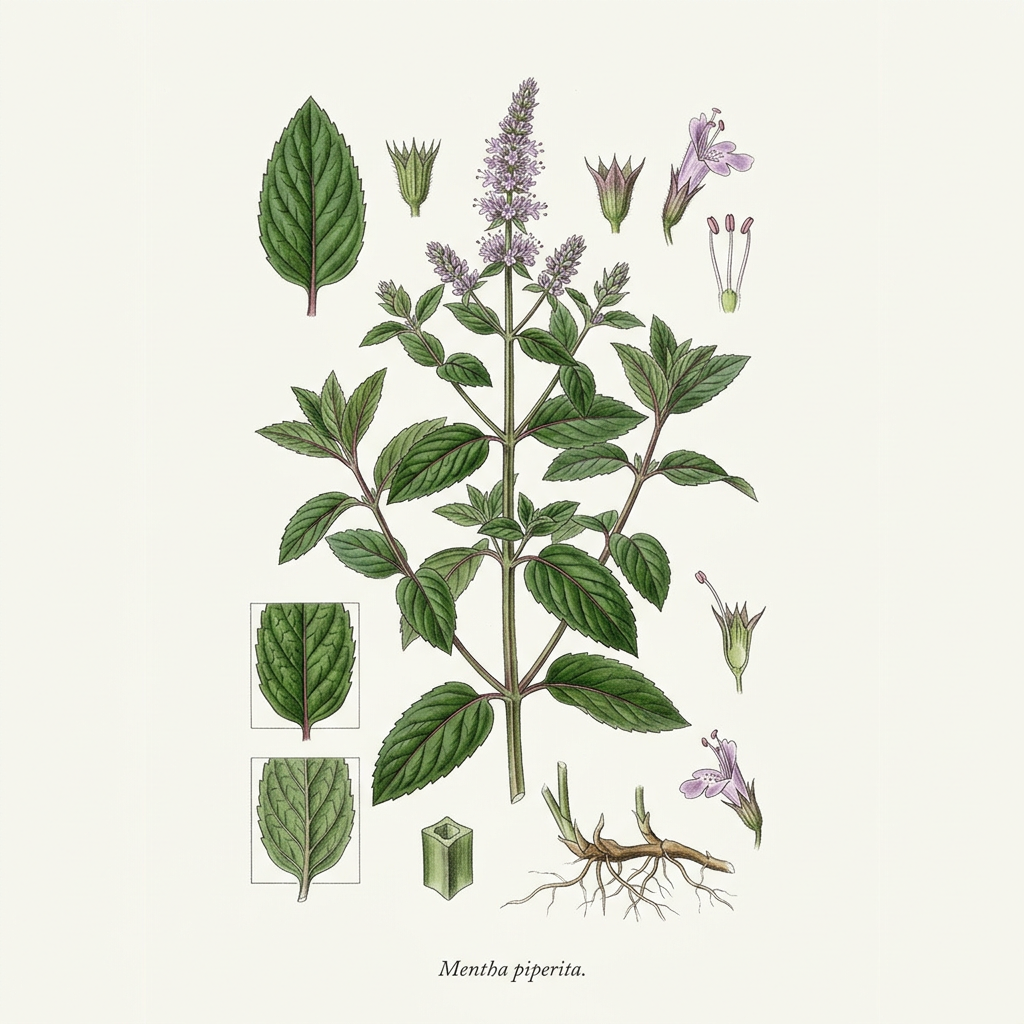
Mentha piperita

Mentha piperita

Mentha piperita

low risk Risk
Laminaceae
Energizing, uplifting, refreshing; helps clear the mind and enhance focus.
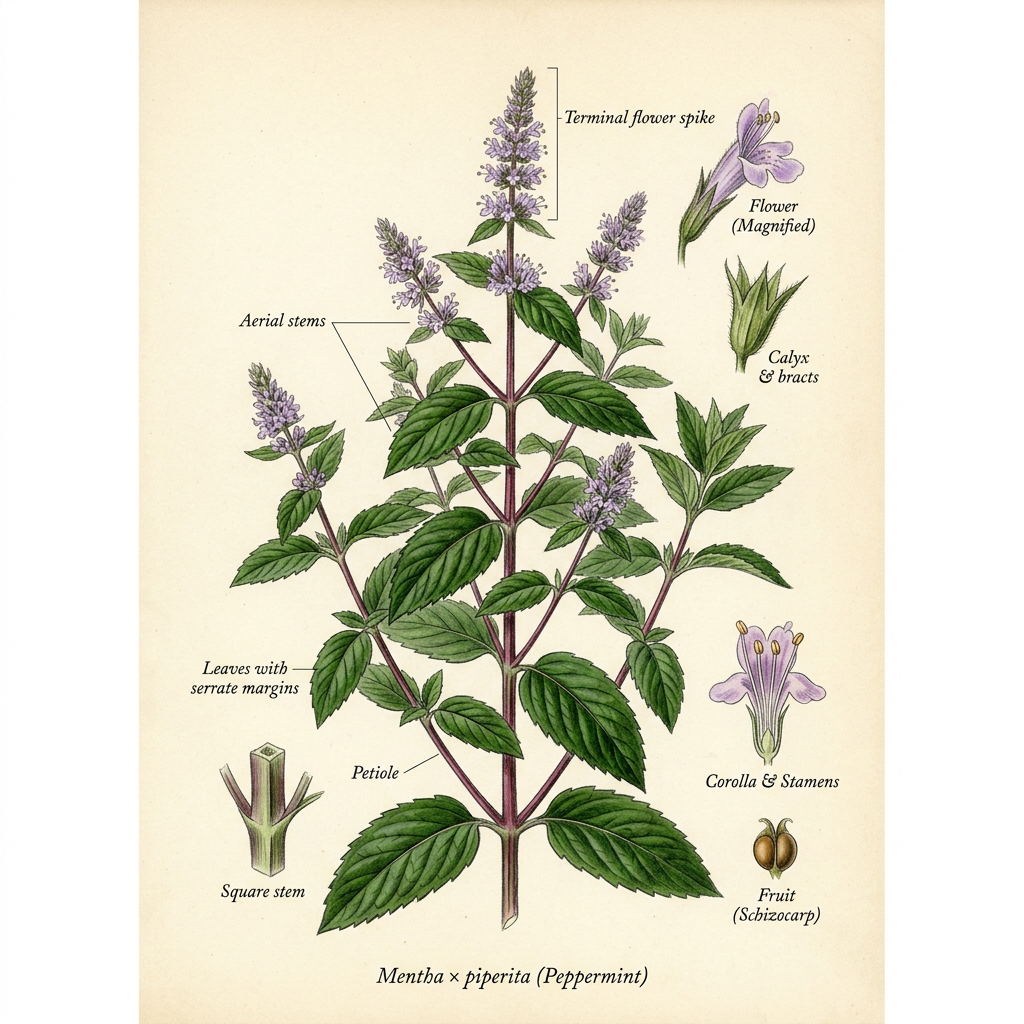
<p>Mentha piperita, a member of the Lamiaceae family, is a perennial herb characterised by its square stems, serrated opposite leaves, and whorls of purple-pink flowers. It is widely cultivated for its high volatile oil content, specifically menthol and menthone, which impart its distinctive cooling aroma and sharp taste. It thrives in moist, rich soils and spreads via vigorous underground rhizomes. Historically, peppermint has been cherished for its ability to soothe the digestive tract. Traditional herbalists have long employed the herb to address symptoms of flatulence, indigestion, and bloating, noting its carminative properties. It was frequently used as a warming digestive bitter to stimulate bile flow and ease post-prandial discomfort, as well as being inhaled to clear congestion during respiratory ailments. Modern research indicates that the essential oil of Mentha piperita acts as a calcium channel blocker in smooth muscle, which validates its traditional use for alleviating colonic spasms. Clinical studies have shown efficacy in the symptomatic relief of functional dyspepsia and irritable bowel syndrome (IBS). Furthermore, the menthol constituent possesses mild local anaesthetic and antimicrobial effects, which are exploited in topical preparations for headaches and minor musculoskeletal pain. In clinical practice, peppermint is typically used as a primary carminative for patients presenting with dyspeptic symptoms or griping abdominal pain. It is often combined with other nervines or digestives depending on the patient's constitution. While generally safe, the herb must be used with caution in patients with pre-existing gastro-oesophageal reflux disease, as its relaxing effect on the oesophageal sphincter may exacerbate reflux symptoms.</p>

Uses & Conditions

Digestive Aid
Respiratory Support
Stress Relief
Mood Enhancement
Fatigue
Irritable Bowel Syndrome (IBS)
Dyspepsia
Colic
Diverticulitis
SIBO
Nausea
Headache
Catarrhal states
Sinus congestion
Anxiety
Benign prostatic hyperplasia
Menorrhagia
Osteoarthritis
Herpes simplex virus
Bacterial infections

Actions

Anxiolytic
Carminative
Anti-inflammatory
Antimicrobial
Anti-HSV
NFkB inhibitor
TNF-a reduction

Parts Used

Aerial parts (leaf and flowering top)
Essential oil

USDA Hardiness Zones

3
4
5
6
7
8
9
10
11

Contraindications

  • Gastro-oesophageal reflux disease (GORD)
  • Known gallstones or bile duct obstruction
  • Infants and small children (avoid topical application near face due to risk of laryngospasm)
  • Pregnancy and breastfeeding (use only culinary amounts)
  • Severe liver damage

Potential Side Effects

  • Heartburn or acid reflux
  • Contact dermatitis
  • Headache or dizziness
  • Perianal irritation

Interactions

  • Antacids (may increase risk of heartburn)
  • Cyclosporine (may increase absorption and blood levels)
  • Medications metabolised by CYP3A4 (potential modulation of enzyme activity)
  • Iron supplements (tea may inhibit absorption if taken concurrently)

Dosages, tincture ratios & research — members only

Unlock Garreth's dosing guidance, tincture ratios, the dosage calculator and the research studies for Mentha piperita.

Your assessment and results stay saved — upgrading only unlocks more of them.

See membership plans

Community Photos

No community photos yet. Sign in to upload photos.

Reviews & Ratings

Sign in to leave a review.

No reviews yet. Be the first!

GF

Garreth Falls — B.Th., Dip. H.M., MNIMH

Content curated and reviewed by Garreth Falls, Consultant Medical Herbalist · The Wild Sage

Medical Disclaimer: This information is for educational purposes only and is not intended as medical advice. Always consult with qualified healthcare professionals before starting any herbal treatment.
Western tradition

Sustainability & quality

Cultivated

Readily cultivated; ensure essential oil content is maintained via proper drying and storage. Verify the species to avoid substitution with other Mentha varieties.

Key constituents

Essential oils, Terpenes, Phellandrene, Carvone, Menthol

References

  1. ESCOP Monographs 2nd ed. 2003
  2. EMA/HMPC Community Herbal Monograph
  3. British Herbal Pharmacopoeia 1983
  4. Herbal Reality. Herb monographs. herbalreality.com

Reviewed by Garreth, Medical Herbalist (MNIMH) · November 2026

Related conditions

Explore conditions where Mentha piperita is traditionally used.

Related Herbs
Peppermint

Peppermint

Mentha x piperita

Digestive Aid
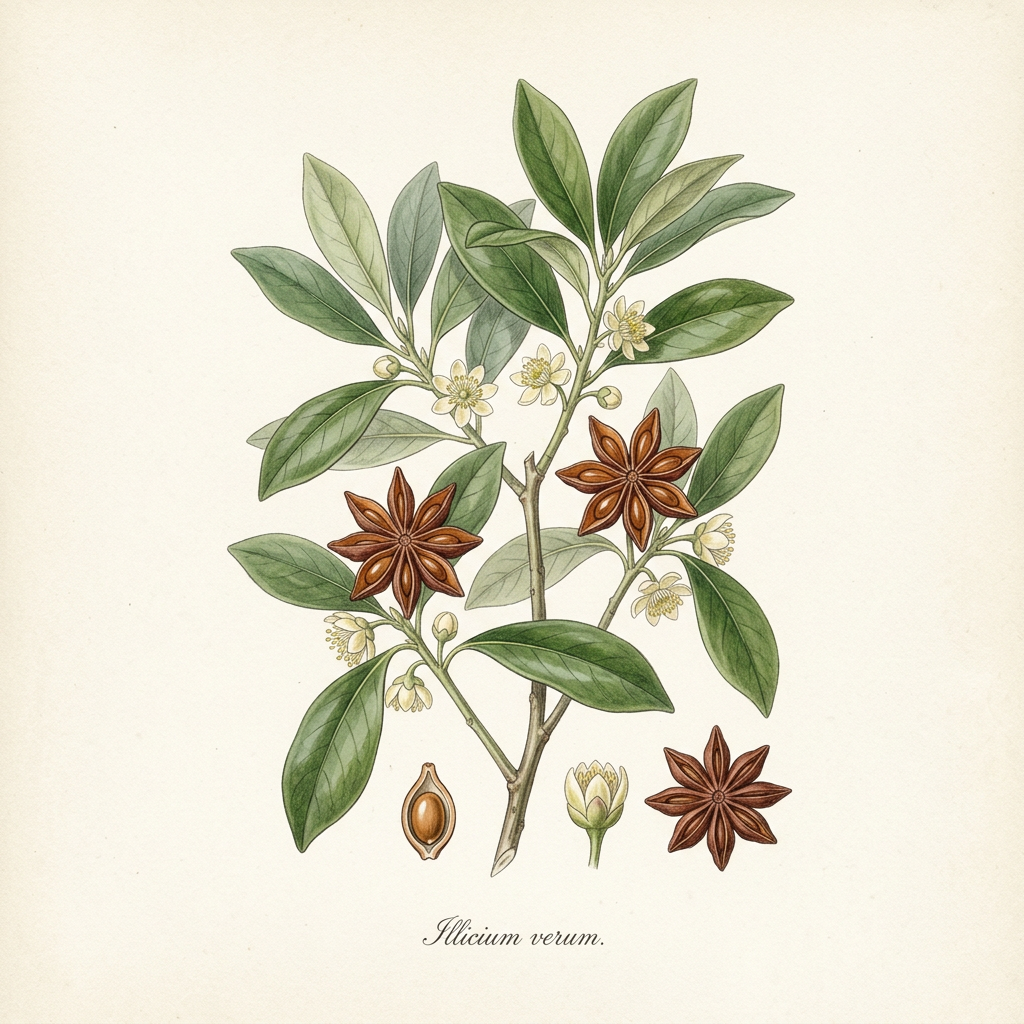
Star Anise

Star Anise

Illicium verum

Digestive aid
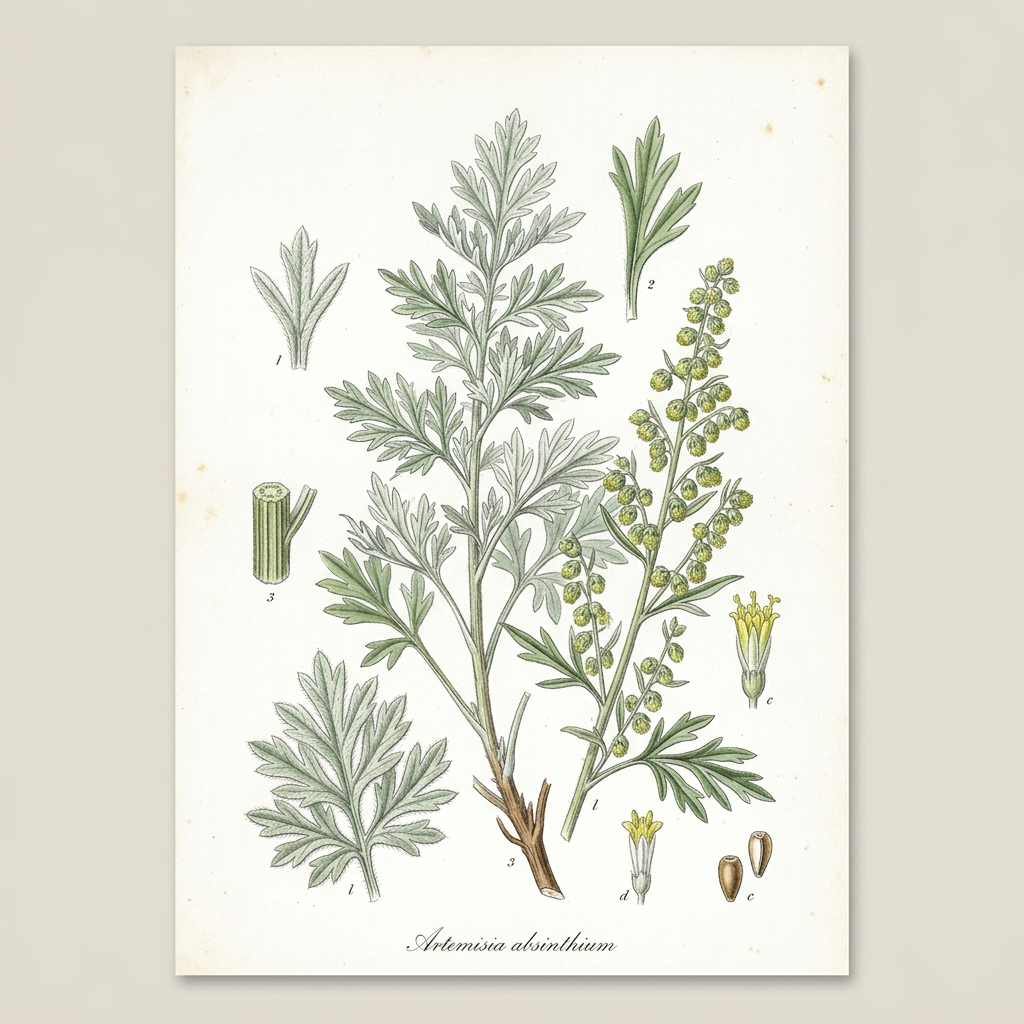
Wormwood

Wormwood

Artemisia absinthium

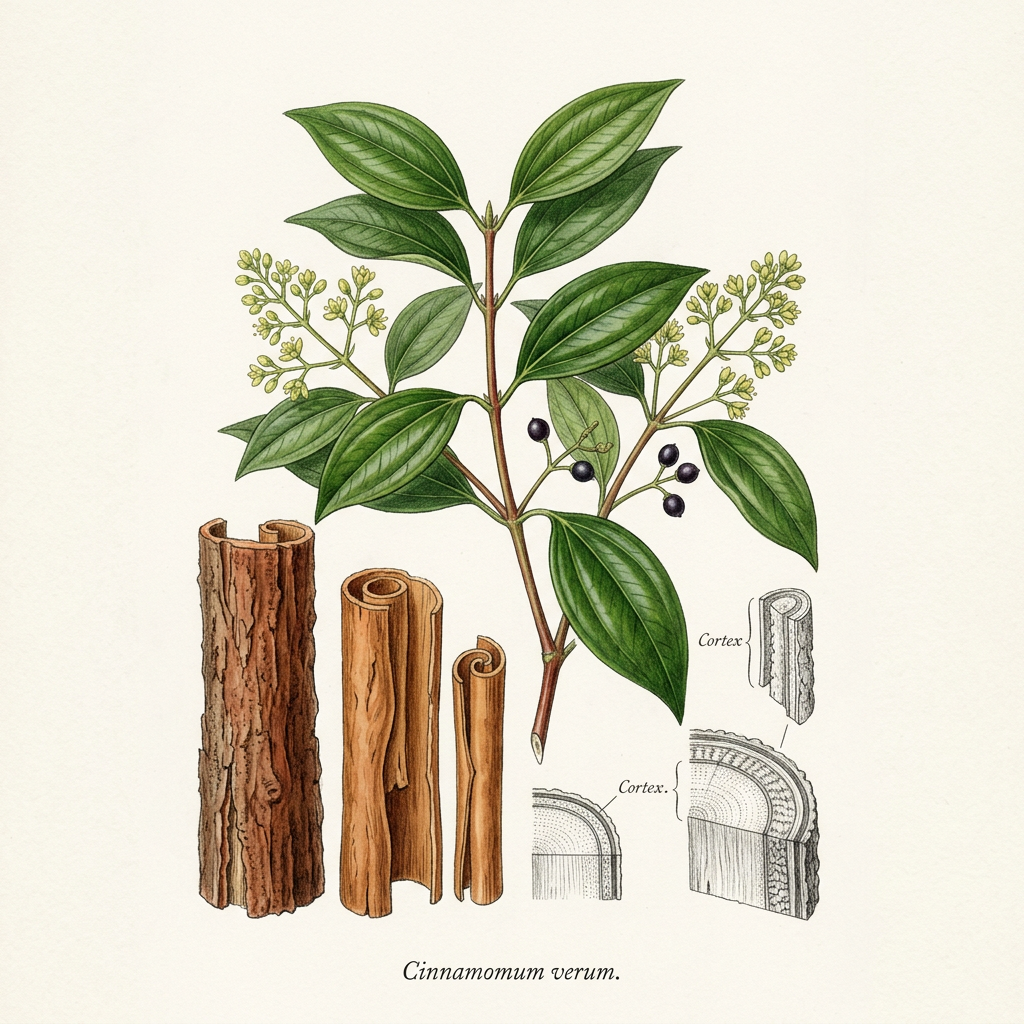
Cinnamomum verum

Cinnamomum verum

Cinnamomum verum

Digestive Support