The Wild Sage logo
The Wild Sage Logo

Herbal Medicine at your fingertips

Comprehensive database of herbal remedies with detailed safety information and traditional uses

New to herbal terms? Read the glossary →
ADHD
Abcess
Acid Reflux Relief
Acinetobacter
Acne
Acne Vulgaris
Addisons
Adenomyosis
Adenovirus
Adrenal fatigue
Aging
Aids
Alcaligenes faecalis
Alcoholism
Allergic Rhinitis
Allergies
Allergy
Alopoecia
Alopoecia nervosa
Alzheimer's, Dementia & Cognitive Decline
420 herbs found
Important: This information is for educational purposes only. Always consult with qualified healthcare professionals before using herbal remedies, especially if you have existing health conditions or take medications.
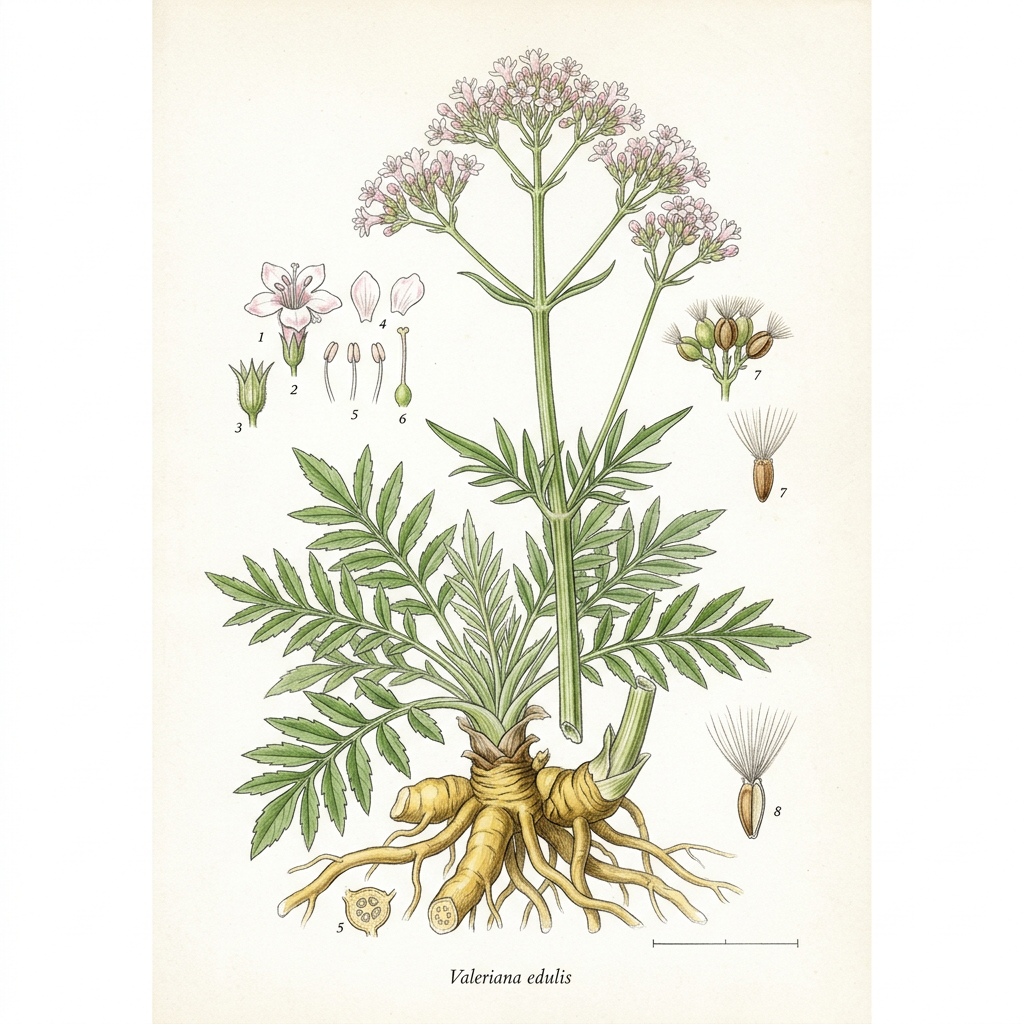
Mexican valerian

Mexican valerian

Valeriana edulis

low risk Risk
Valerianaceae
Moist, bitter
<p>Mexican valerian, scientifically known as Valeriana edulis, is a perennial herbaceous plant native to the high elevations of Mexico. Traditionally utilized by indigenous cultures, this herb has played a significant role in traditional herbal medicine, prized for its soothing properties and its ability to promote overall well-being. Historical accounts indicate that indigenous peoples have employed Mexican valerian to alleviate a range of ailments, particularly as a natural remedy for anxiety, insomnia, and indigestion. Its historical significance is underscored by its inclusion in ceremonial practices and as a staple in folk medicine, where it has been celebrated for its calming effects on the mind and body. The therapeutic benefits of Mexican valerian are multifaceted, primarily functioning as a sleep aid and mood enhancer. Research has suggested that this herb can help improve sleep quality by addressing issues such as insomnia, restlessness, and anxiety-related disturbances. Its calming properties are attributed to the presence of active compounds, including valerenic acid and various alkaloids, which interact with GABA (gamma-aminobutyric acid) receptors in the brain. By increasing GABA activity, Mexican valerian promotes relaxation and a sense of tranquility, making it a valuable ally for those seeking natural support for stress relief and emotional balance. When consumed, the constituents of Mexican valerian work synergistically to modulate the neurological pathways associated with mood and sleep regulation. By reducing the levels of stress hormones and modulating neurotransmitter activity, it helps restore a sense of calm and equilibrium in an increasingly fast-paced world. Its ability to mitigate anxiety and enhance mood not only promotes restful sleep but also fosters a holistic approach to emotional wellness. As awareness of herbal remedies continues to grow, Mexican valerian stands out as a compelling option for individuals seeking safe and effective alternatives to synthetic sleep aids and anxiolytics, reinforcing its place in the repertoire of contemporary herbal medicine.</p>

Uses & Conditions

Sleep Aid
Calming
Mood Support
Insomnia
Anxiety Disorders
Muscle Spasms
Stress-related Disorders
Digestive Disorders
Irritable Bowel Syndrome
Restlessness
Low Mood
Excitability
Panic Attacks
Irritability

Actions

Anxiolytic
Mild Sedative
Hypnotic
Spasmolytic

Parts Used

Root & Rhizome

Native Countries

North America

USDA Hardiness Zones

USDA 3-10

Contraindications

  • Avoid during pregnancy due to a lack of safety data regarding uterine stimulant effects.
  • Not recommended during breastfeeding due to insufficient research on constituent excretion into breast milk.
  • Use caution if operating heavy machinery or driving
  • as the herb may induce significant sedation.
  • Contraindicated for individuals with known hypersensitivity to the Valerianaceae family.

Potential Side Effects

  • Occasional mild gastrointestinal discomfort including stomach upset or nausea.
  • Paradoxical excitement or increased restlessness occurring in a small minority of users.
  • Residual morning grogginess or lethargy after overnight use.
  • Headache or dizziness in sensitive individuals.

Interactions

  • Benzodiazepines and sedatives: may potentiate CNS depressant effects leading to excessive drowsiness.
  • Alcohol: concurrent use may enhance sedative effects and impair psychomotor function.
  • Anaesthetics: may increase the effects of anaesthesia; discontinue use at least two weeks before elective surgery.
  • Barbiturates: potential additive effect on sleep-promoting activity requiring clinical monitoring.

Dosages, tincture ratios & research — members only

Unlock Garreth's dosing guidance, tincture ratios, the dosage calculator and the research studies for Mexican valerian.

Your assessment and results stay saved — upgrading only unlocks more of them.

See membership plans

Community Photos

No community photos yet. Sign in to upload photos.

Reviews & Ratings

Sign in to leave a review.

No reviews yet. Be the first!

GF

Garreth Falls — B.Th., Dip. H.M., MNIMH

Content curated and reviewed by Garreth Falls, Consultant Medical Herbalist · The Wild Sage

Medical Disclaimer: This information is for educational purposes only and is not intended as medical advice. Always consult with qualified healthcare professionals before starting any herbal treatment.
Western tradition

Sustainability & quality

Cultivated

Often cultivated; ensure proper identification as the edulis species vs others.

Key constituents

Valerenic acid, Acetoxyvalerenic acid, Valepotriates, Volatile oils, GABA-related alkaloids, Lignans, Flavonoids

References

  1. Herbal Reality. Herb monographs. herbalreality.com

Reviewed by Garreth, Medical Herbalist (MNIMH) · November 2026

Related conditions

Explore conditions where Mexican valerian is traditionally used.

Related Herbs
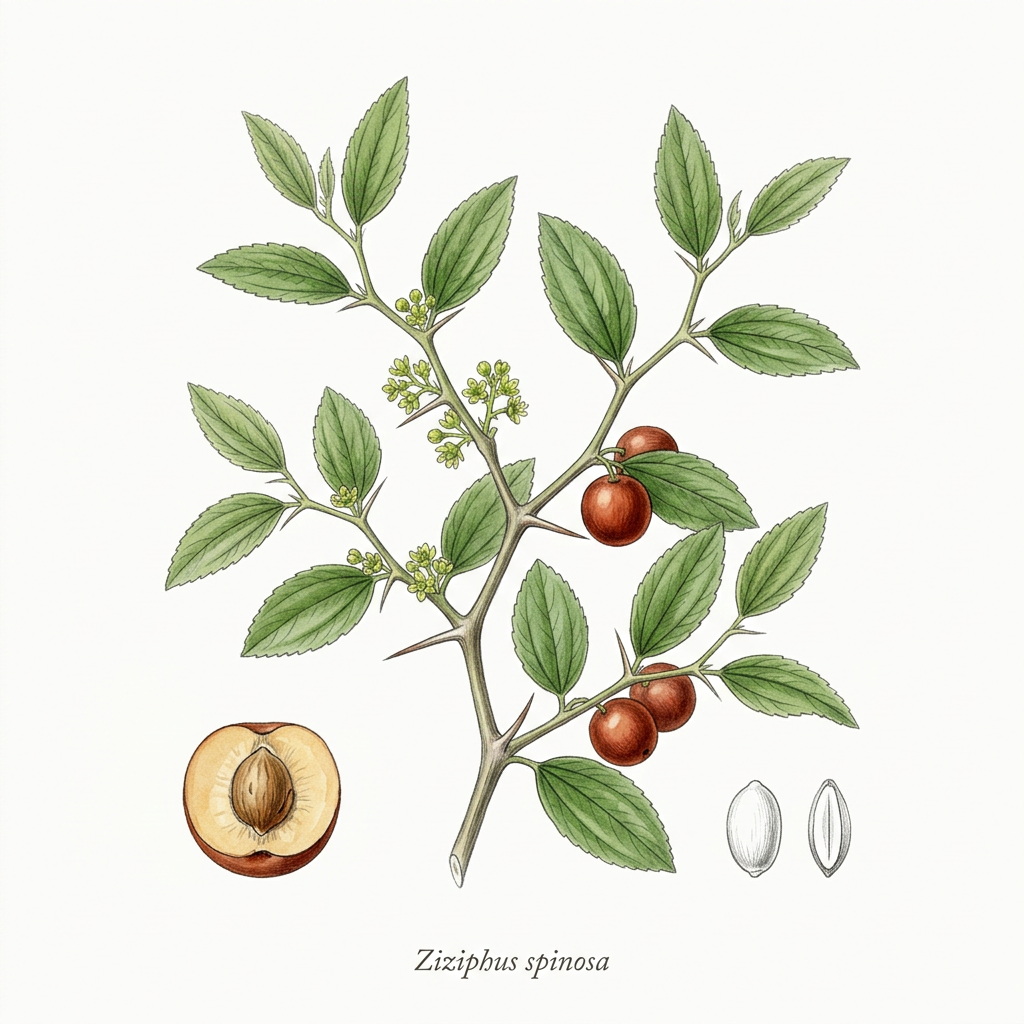
Ziziphus

Ziziphus

Ziziphus spinosa

Sleep Aid
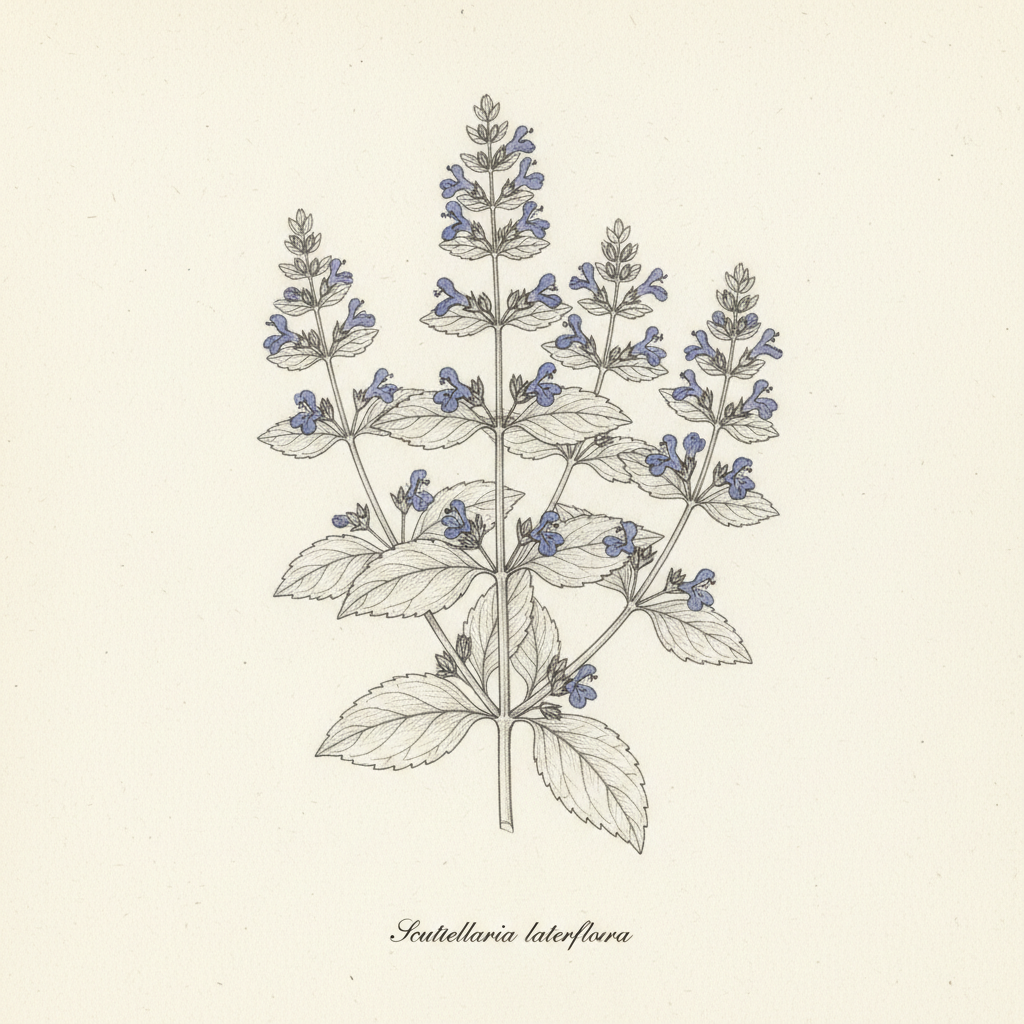
Skullcap

Skullcap

Scutellaria lateriflora

Nervous System Support
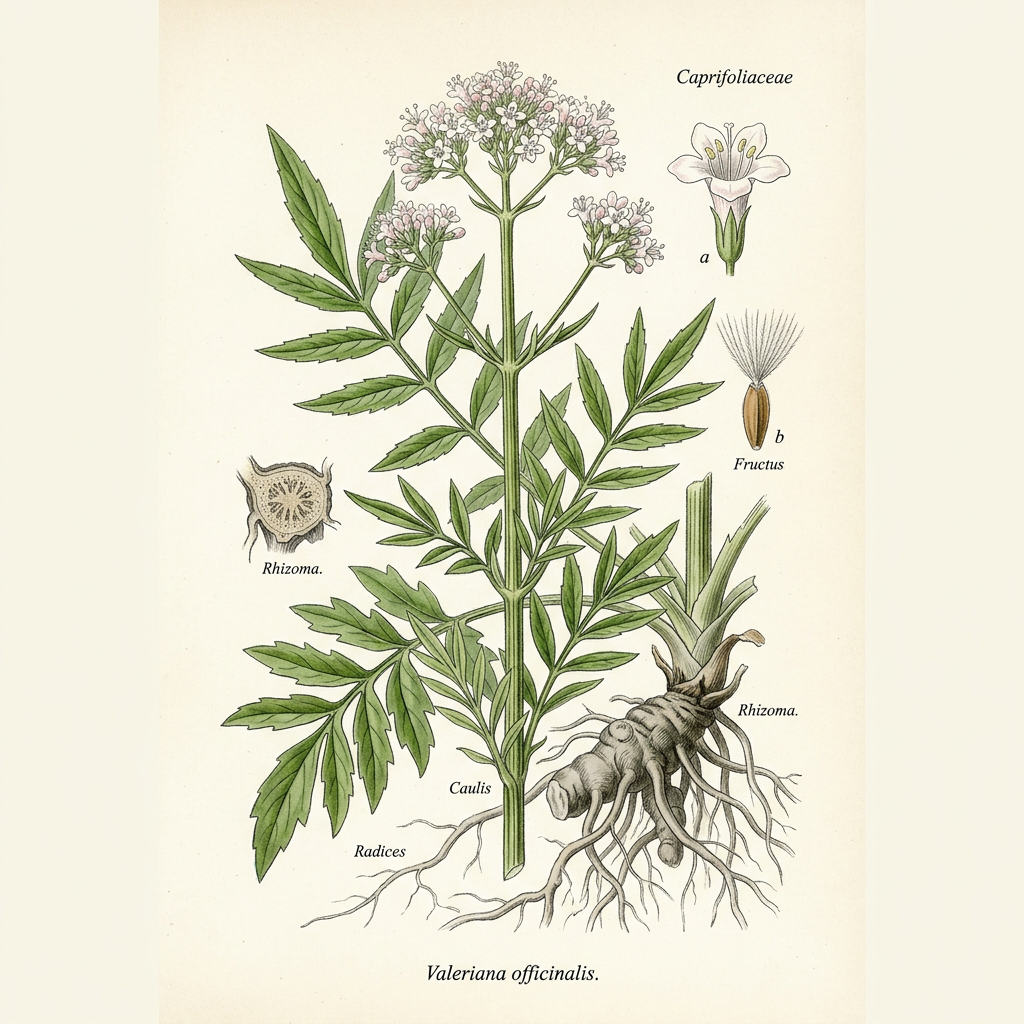
Valerian

Valerian

Valeriana officinalis

Sedation
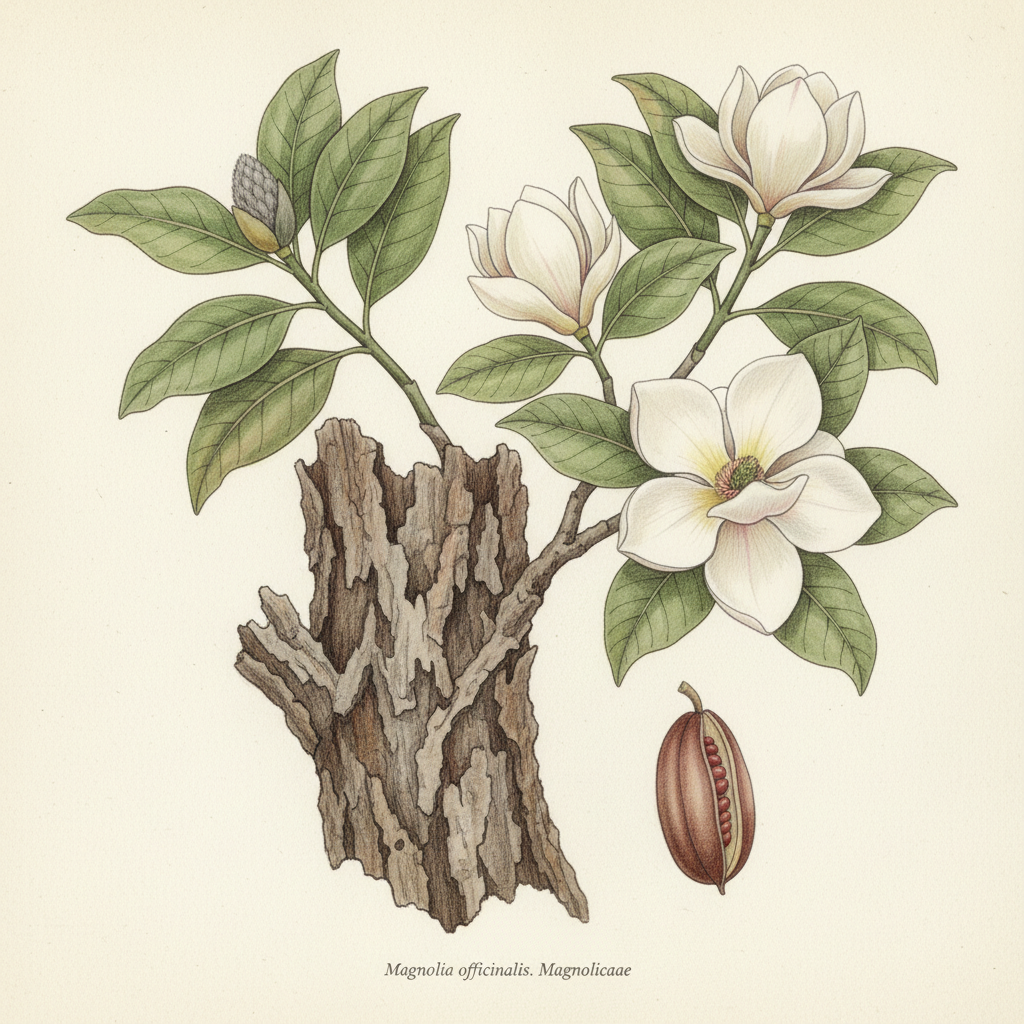
Magnolia

Magnolia

Magnolia officinalis

Stress Relief