The Wild Sage logo
The Wild Sage Logo

Herbal Medicine at your fingertips

Comprehensive database of herbal remedies with detailed safety information and traditional uses

New to herbal terms? Read the glossary →
ADHD
Abcess
Acid Reflux Relief
Acinetobacter
Acne
Acne Vulgaris
Addisons
Adenomyosis
Adenovirus
Adrenal fatigue
Aging
Aids
Alcaligenes faecalis
Alcoholism
Allergic Rhinitis
Allergies
Allergy
Alopoecia
Alopoecia nervosa
Alzheimer's, Dementia & Cognitive Decline
420 herbs found
Important: This information is for educational purposes only. Always consult with qualified healthcare professionals before using herbal remedies, especially if you have existing health conditions or take medications.
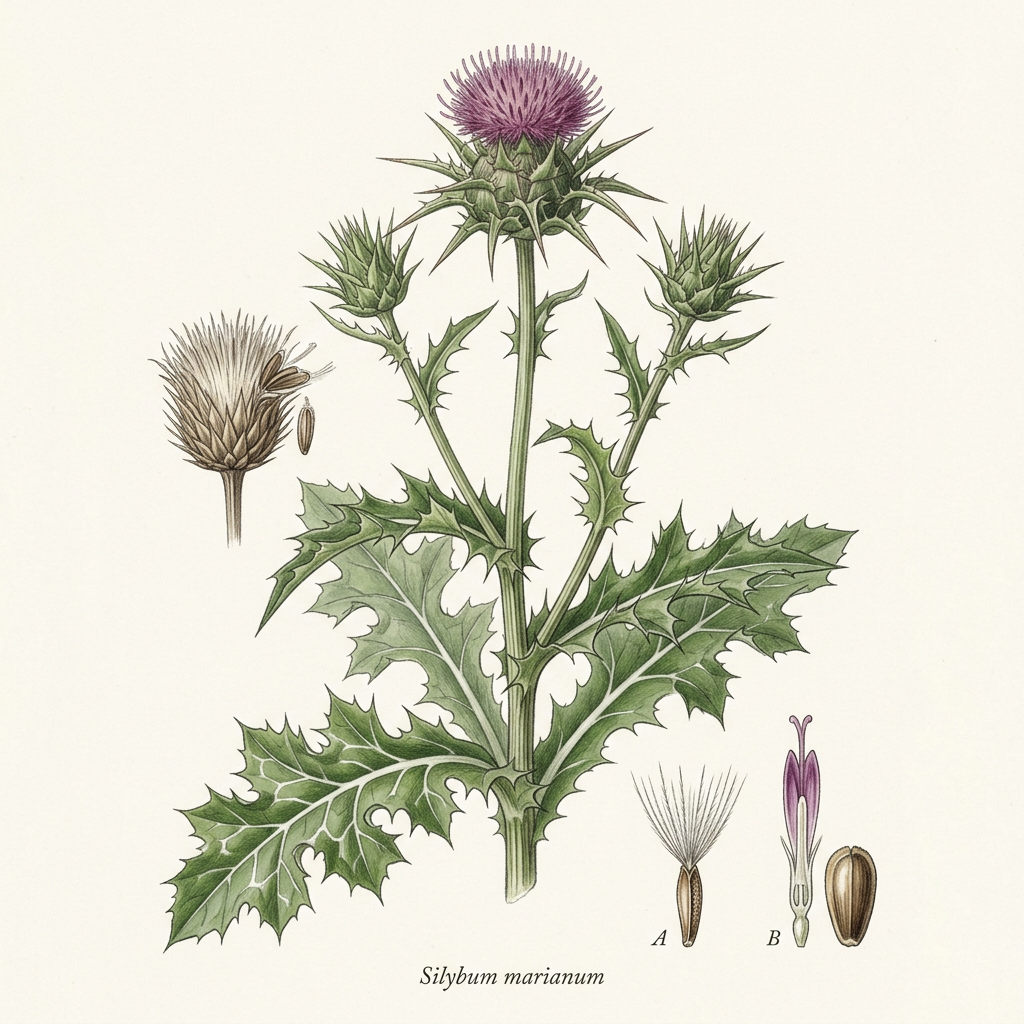
Milk Thistle

Milk Thistle

Silybum marianum

low risk Risk
Asteraceae
<p>**Milk Thistle (Silybum marianum)** Milk thistle, a member of the Asteraceae family, is a striking herb known for its vibrant purple flowers and glossy, spiky leaves characterized by white veining. Native to Mediterranean regions, this herb has a rich history, dating back to ancient Greece where it was utilized for its medicinal properties. Historically, it has been revered as a remedy for liver ailments and was documented by well-known herbalists and physicians such as Dioscorides and Galen. Traditionally, milk thistle has been used as a natural remedy for a variety of ailments, particularly in relation to the digestive system. Its seeds have been employed not only as a food source but also as a liver tonic, reflecting the herb's long-standing reputation for promoting liver health. The therapeutic properties of milk thistle primarily stem from its active compound, silymarin, a flavonoid complex extracted from the seeds. Silymarin is renowned for its potent antioxidant and anti-inflammatory effects, making it invaluable in the realm of liver protection and regeneration. Clinical studies suggest that milk thistle can aid in the detoxification process by promoting the synthesis of proteins and enzymes involved in liver function. This herb is often recommended for individuals facing liver conditions such as fatty liver disease, hepatitis, and cirrhosis, as well as for those looking to support liver health after exposure to toxins or pharmaceuticals. Beyond its hepatoprotective qualities, milk thistle has also been linked to benefits such as improved digestion, enhanced bile flow, and even support for skin health due to its antioxidant prowess. Milk thistle works by interacting with cellular membranes and combating oxidative stress, thereby safeguarding liver cells from damage. Silymarin binds to receptors on liver cells, facilitating their regeneration and protecting them from harmful substances. By inhibiting the entry of toxins into liver cells and promoting cellular repair mechanisms, milk thistle plays a crucial role in maintaining overall liver function. Additionally, its ability to enhance the production of glutathione, a potent antioxidant, further underscores its role in detoxification processes within the body. As a result, milk thistle is celebrated not only as a premier herb for liver health but also as a multifaceted remedy that embodies the age-old wisdom of herbal healing.</p>

Uses & Conditions

Liver health support
Detoxification
Antioxidant support
Chemotherapy support
Cellular repair
Liver disease
Hepatitis
Cirrhosis
Fatty liver disease
Acne
Asthma
Allergy
Cancer
Dyspepsia
Proteinuria
Haemochromatosis
Portal hypertension
Liver failure
Kidney disease
Colic

Actions

Glutathione enhancing
Hepatoprotective
Choleretic

Synonyms

Milk thistle

Parts Used

Whole plant
Seeds

Native Countries

Europe
Mediterranean
Northern Europe

USDA Hardiness Zones

USDA 3-9
USDA 4-10
USDA 5-11

Contraindications

  • Allergy to Asteraceae family
  • Monitor with anti-retrovirals
  • Monitor with warfarin
  • Monitor with phenytoin
  • Monitor with diazepam

Potential Side Effects

  • Mild gastrointestinal upset including loose stools
  • flatulence or abdominal discomfort
  • Occasional allergic skin reactions
  • Headache
  • Dizziness

Interactions

  • Cytochrome P450 substrates: silymarin may inhibit CYP2C9 and CYP3A4, potentially altering the metabolism of drugs like phenytoin or losartan
  • Antidiabetic medications: monitor patients on insulin or metformin closely due to potential blood-glucose lowering effects
  • Metronidazole: potential interference with the effectiveness of this antibiotic
  • Tamoxifen: potential interaction with the metabolic pathway of this breast cancer medication

Dosages, tincture ratios & research — members only

Unlock Garreth's dosing guidance, tincture ratios, the dosage calculator and the research studies for Milk Thistle.

Your assessment and results stay saved — upgrading only unlocks more of them.

See membership plans

Community Photos

No community photos yet. Sign in to upload photos.

Reviews & Ratings

Sign in to leave a review.

No reviews yet. Be the first!

GF

Garreth Falls — B.Th., Dip. H.M., MNIMH

Content curated and reviewed by Garreth Falls, Consultant Medical Herbalist · The Wild Sage

Medical Disclaimer: This information is for educational purposes only and is not intended as medical advice. Always consult with qualified healthcare professionals before starting any herbal treatment.
Western tradition

Sustainability & quality

Abundant

Common in the Mediterranean region and widely cultivated. Sourced material should be checked for seed quality.

Key constituents

Anti-inflammatory, Antioxidant, Flavolignans, Mucilage, Sterols

References

  1. ESCOP Monographs 2nd ed. 2003
  2. EMA/HMPC Community Herbal Monograph
  3. Bone & Mills "Principles and Practice of Phytotherapy" 2nd ed. 2013
  4. Herbal Reality. Herb monographs. herbalreality.com

Reviewed by Garreth, Medical Herbalist (MNIMH) · November 2026

Related conditions

Explore conditions where Milk Thistle is traditionally used.

Related Herbs
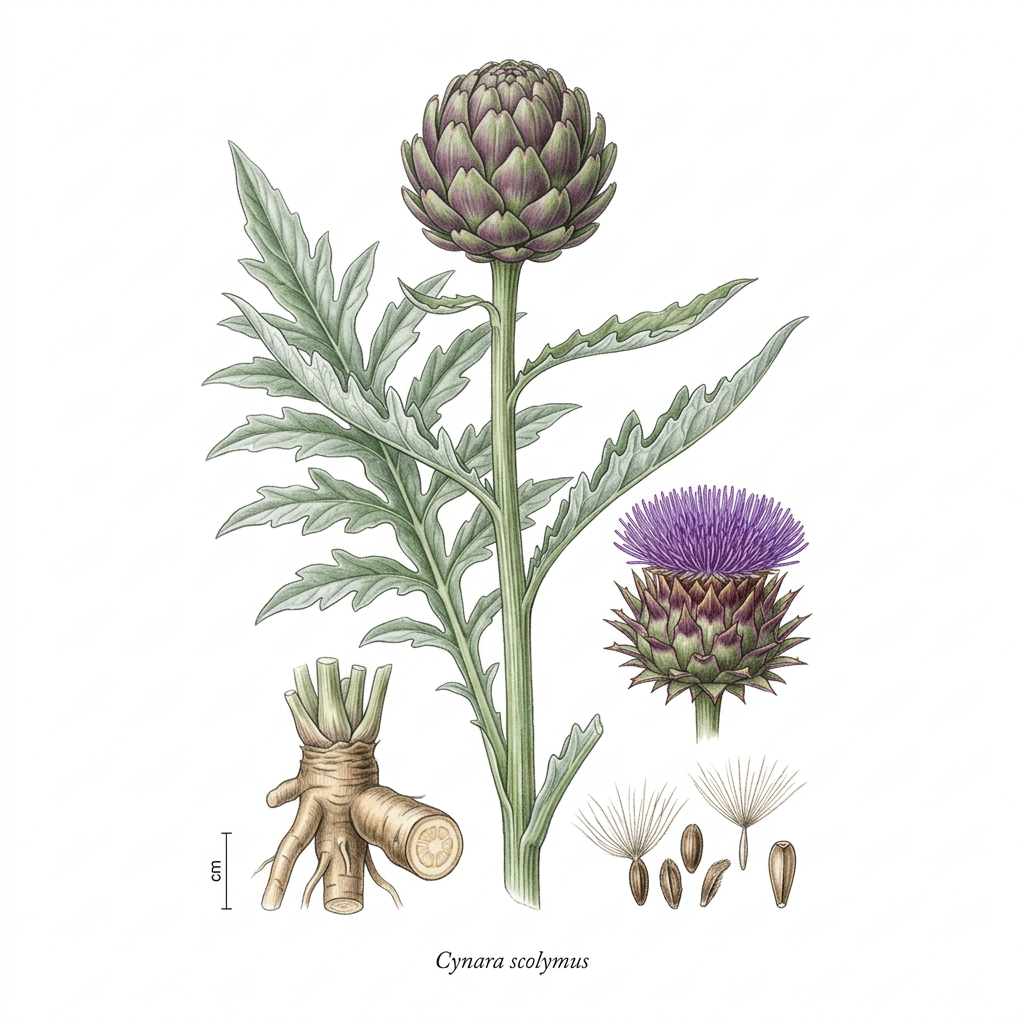
Globe artichoke

Globe artichoke

Cynara scolymus

Liver Support
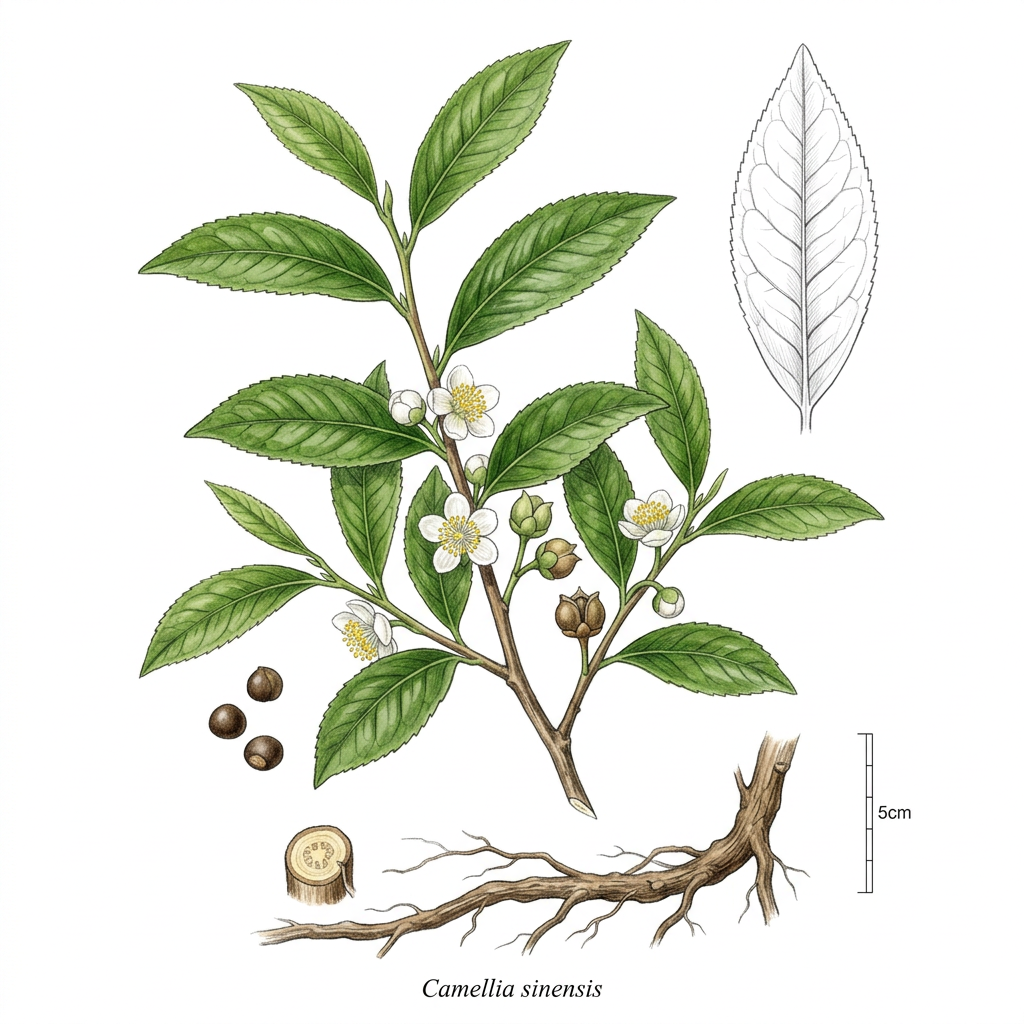
Green Tea

Green Tea

Camellia sinensis

Hypertension
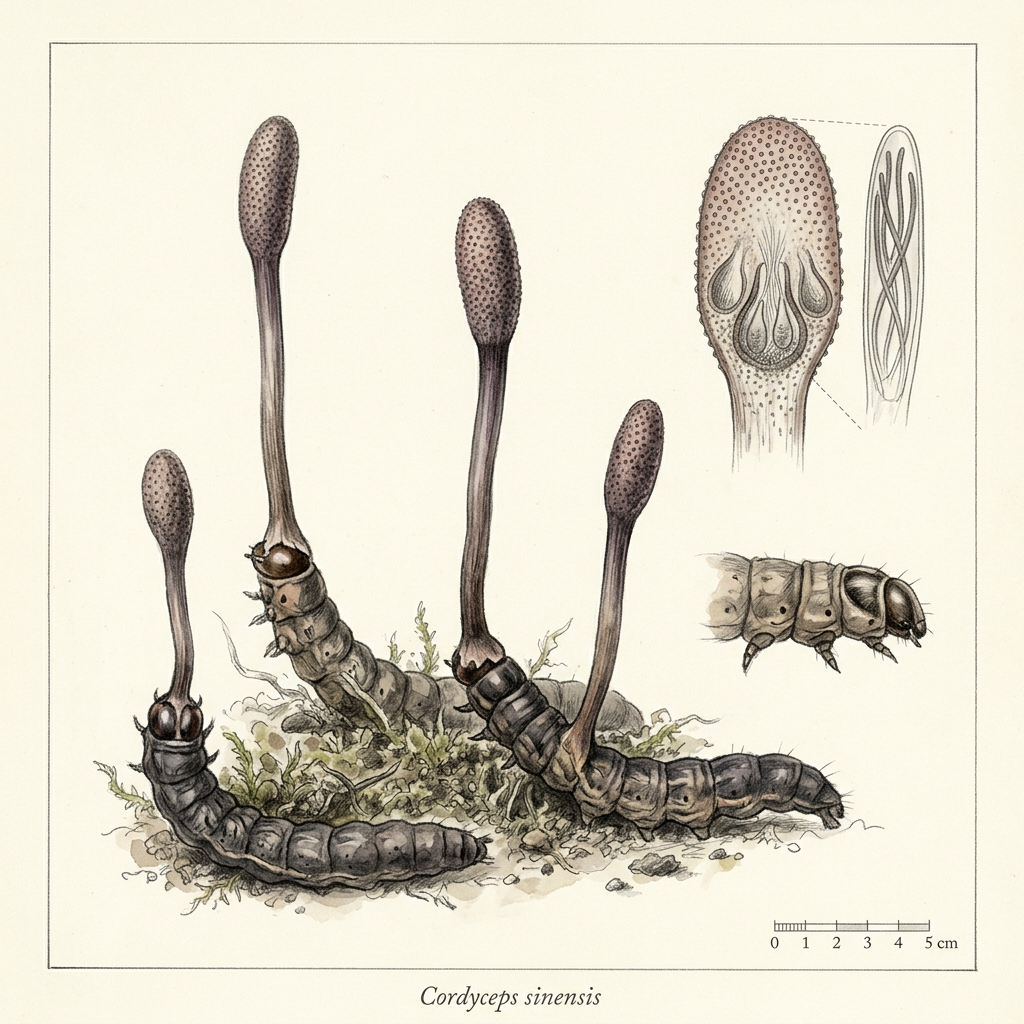
Cordyceps

Cordyceps

Cordyceps sinensis

Athletic Performance
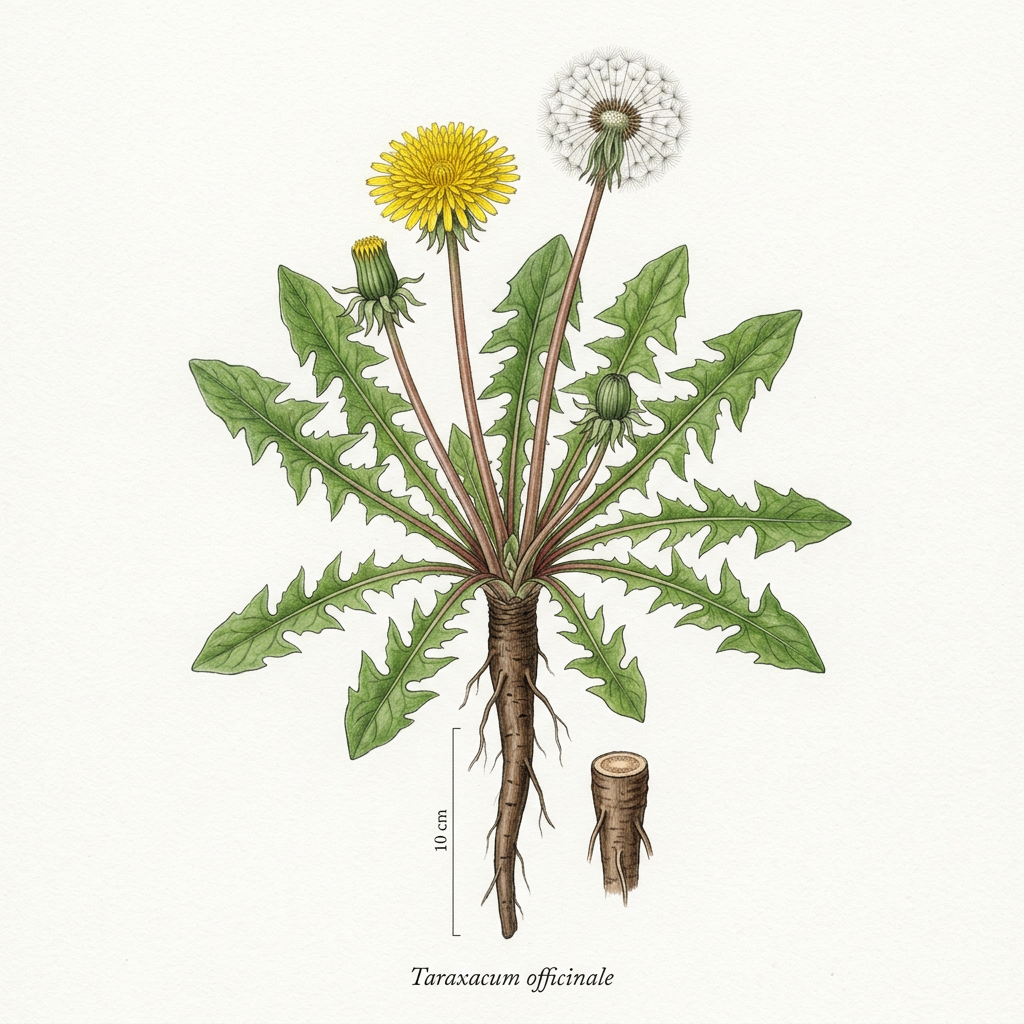
Dandelion

Dandelion

Taraxacum officinale

Detoxification