The Wild Sage logo
The Wild Sage Logo

Herbal Medicine at your fingertips

Comprehensive database of herbal remedies with detailed safety information and traditional uses

New to herbal terms? Read the glossary →
ADHD
Abcess
Acid Reflux Relief
Acinetobacter
Acne
Acne Vulgaris
Addisons
Adenomyosis
Adenovirus
Adrenal fatigue
Aging
Aids
Alcaligenes faecalis
Alcoholism
Allergic Rhinitis
Allergies
Allergy
Alopoecia
Alopoecia nervosa
Alzheimer's, Dementia & Cognitive Decline
420 herbs found
Important: This information is for educational purposes only. Always consult with qualified healthcare professionals before using herbal remedies, especially if you have existing health conditions or take medications.
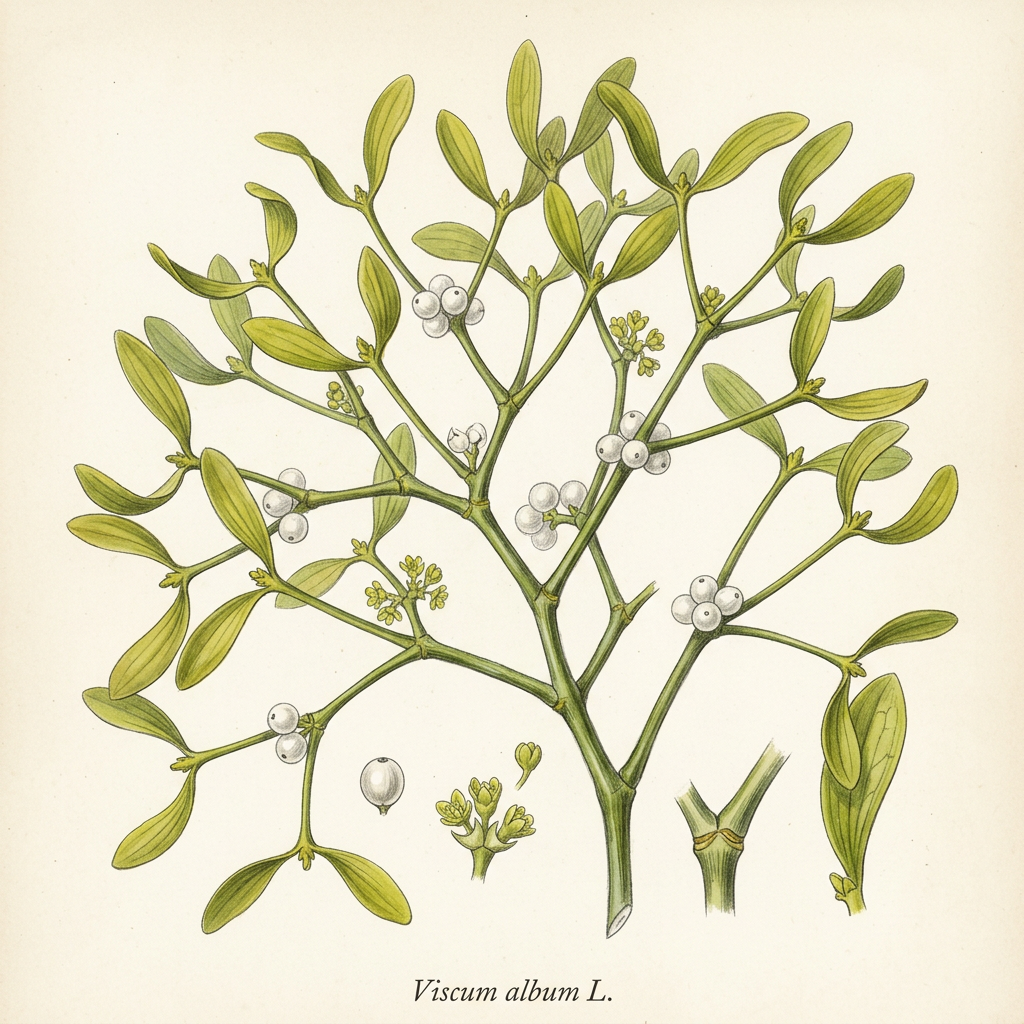
Mistletoe

Mistletoe

Viscum album

moderate risk Risk
Viscaceae
Mistletoe supports emotional balance and immune function, fostering a sense of peace.
<p>Viscum album, or European Mistletoe, is a hemi-parasitic evergreen shrub that attaches itself to the branches of deciduous trees, most commonly apple, hawthorn, and oak. It is easily identified by its leathery, yellow-green dichotomous leaves and its characteristic white, gelatinous berries that ripen in mid-winter. Lacking deep roots in the earth, it draws nutrients directly from the host tree through specialised haustoria, a biological feature that historically contributed to its mystical reputation as a plant living between the heavens and the earth.</p><p>Historically, Mistletoe has been revered across European traditions, famously used by the Druids in sacred ceremonies and as an all-purpose 'heal-all'. In later folk medicine, it gained a reputation as a nervine and hypotensive agent, traditionally used for managing hypertension, vertigo, and tension-related headaches. Its role shifted significantly in the 20th century, particularly within anthroposophical medicine, where standardised extracts became an adjunct therapy in palliative cancer care, aimed at supporting the body’s innate immune processes rather than acting as a primary cytotoxic agent.</p><p>Modern research into Mistletoe is dominated by the study of its lectins and viscotoxins. These compounds exhibit significant immunomodulatory and apoptosis-inducing effects in laboratory models. However, clinical evidence for systemic disease treatment remains complex and heterogeneous. In contemporary British practice, it is handled with significant caution due to its potential toxicity. Herbalists rarely use it for general practice, preferring to refer patients to specialist oncology clinics where highly specific, dose-titrated injectable formulations are used under strict clinical supervision.</p>

Uses & Conditions

Immune Support
Emotional Imbalance
Cancer
Bladder Cancer
Myeloma
Hypertension
Atherosclerosis
Angina
Cardiovascular disease
Anxiety Disorders
Dysmenorrhoea
Amenorrhoea
Epilepsy
Inflammatory Conditions
Diabetes Mellitus

Actions

Hypotensive
Anti-cancer
NFkB Inhibitor
TNF-a Inhibitor

Parts Used

Leaves
Young stems
Berries (rarely used due to high toxicity)

Native Countries

Europe
Western Asia
North Africa

USDA Hardiness Zones

5
6
7
8

Contraindications

  • Pregnancy and breastfeeding due to potential uterine stimulating effects
  • Known hypersensitivity to Viscum album proteins or lectins
  • Chronic inflammatory diseases or autoimmune conditions where immune stimulation is contraindicated
  • Advanced liver or kidney dysfunction
  • Current treatment with high-dose immunosuppressive therapy

Potential Side Effects

  • Localised skin reaction or redness at the site of administration
  • Low-grade fever or flu-like symptoms
  • Gastrointestinal upset including nausea or abdominal pain
  • Rare cases of severe allergic reaction or anaphylaxis

Interactions

  • Anticoagulants and antiplatelet drugs: theoretically may enhance anti-coagulation effects
  • Antihypertensive medications: may have an additive effect, potentially leading to hypotension
  • Immunomodulators: use with extreme caution alongside immunosuppressive or immune-stimulating drugs
  • CNS depressants: potential for additive sedative effects

Dosages, tincture ratios & research — members only

Unlock Garreth's dosing guidance, tincture ratios, the dosage calculator and the research studies for Mistletoe.

Your assessment and results stay saved — upgrading only unlocks more of them.

See membership plans

Community Photos

No community photos yet. Sign in to upload photos.

Reviews & Ratings

Sign in to leave a review.

No reviews yet. Be the first!

GF

Garreth Falls — B.Th., Dip. H.M., MNIMH

Content curated and reviewed by Garreth Falls, Consultant Medical Herbalist · The Wild Sage

Medical Disclaimer: This information is for educational purposes only and is not intended as medical advice. Always consult with qualified healthcare professionals before starting any herbal treatment.
Western tradition

Sustainability & quality

Abundant

Widespread parasitic plant. Quality varies significantly by host tree, which should be documented by the supplier.

Key constituents

Viscotoxins (thionins), ML-I, ML-II, and ML-III (Mistletoe lectins), Phenylpropanoids, Flavonoids including quercetin, Polysaccharides, Triterpenes, Viscum-amide

References

  1. ESCOP Monographs 2nd ed. 2003
  2. Bone & Mills "Principles and Practice of Phytotherapy" 2nd ed. 2013
  3. Herbal Reality. Herb monographs. herbalreality.com

Reviewed by Garreth, Medical Herbalist (MNIMH) · November 2026

Related conditions

Explore conditions where Mistletoe is traditionally used.

Related Herbs
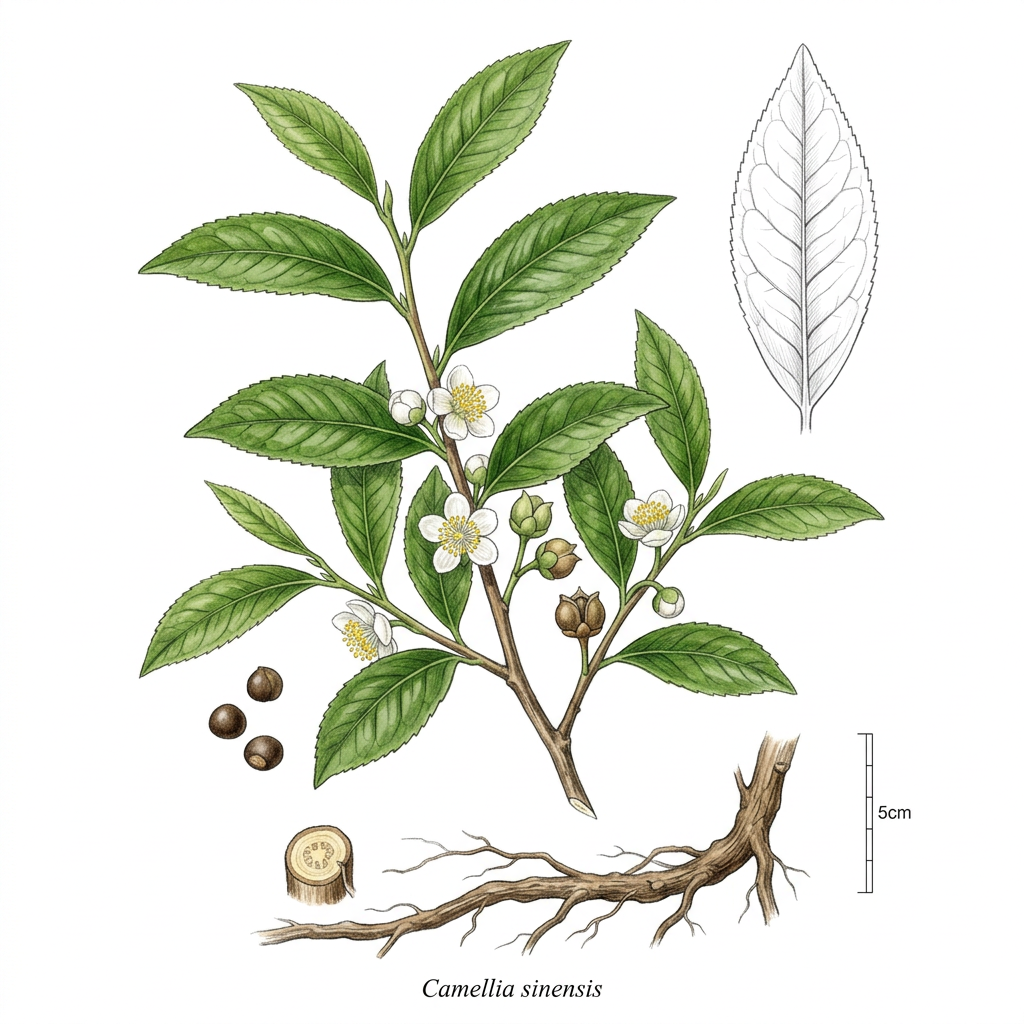
Green Tea

Green Tea

Camellia sinensis

Hypertension
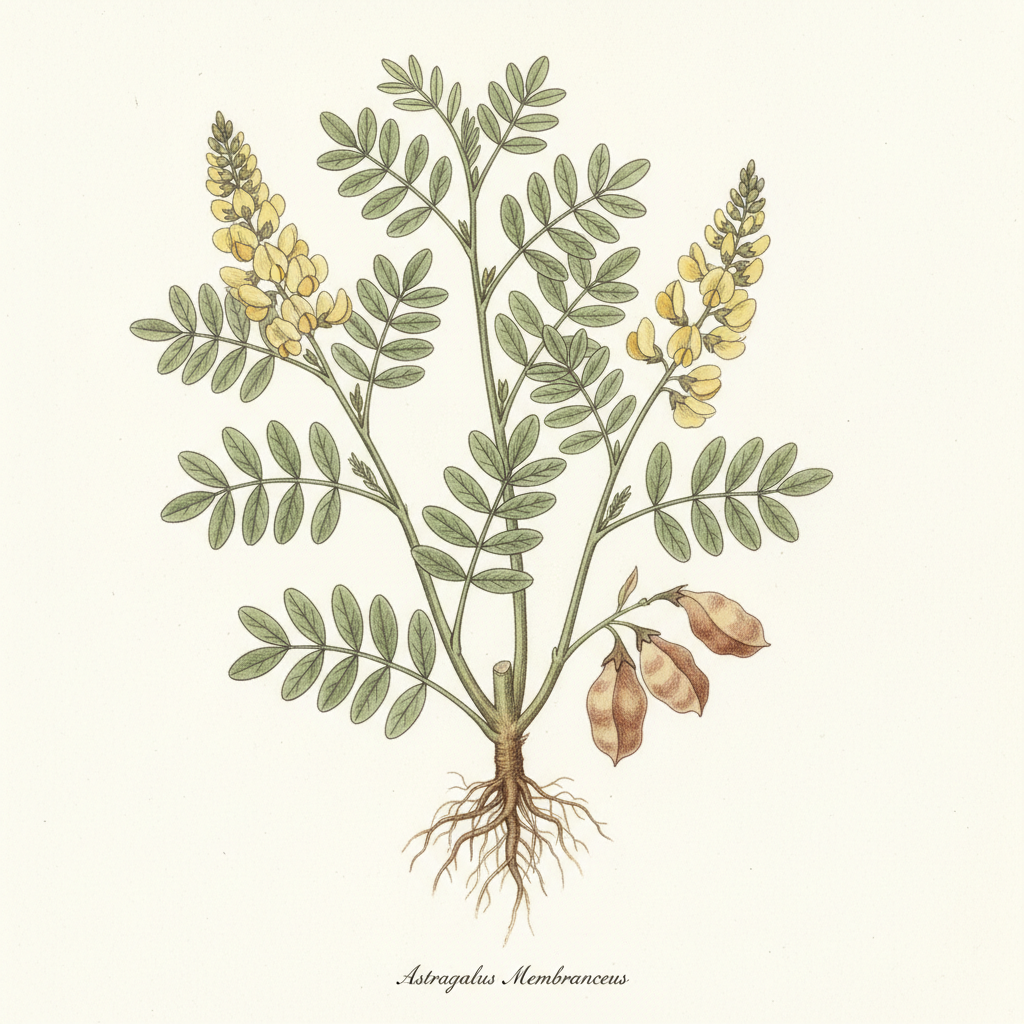
Huang qi

Huang qi

Astragalus membranaceus

Immune Support
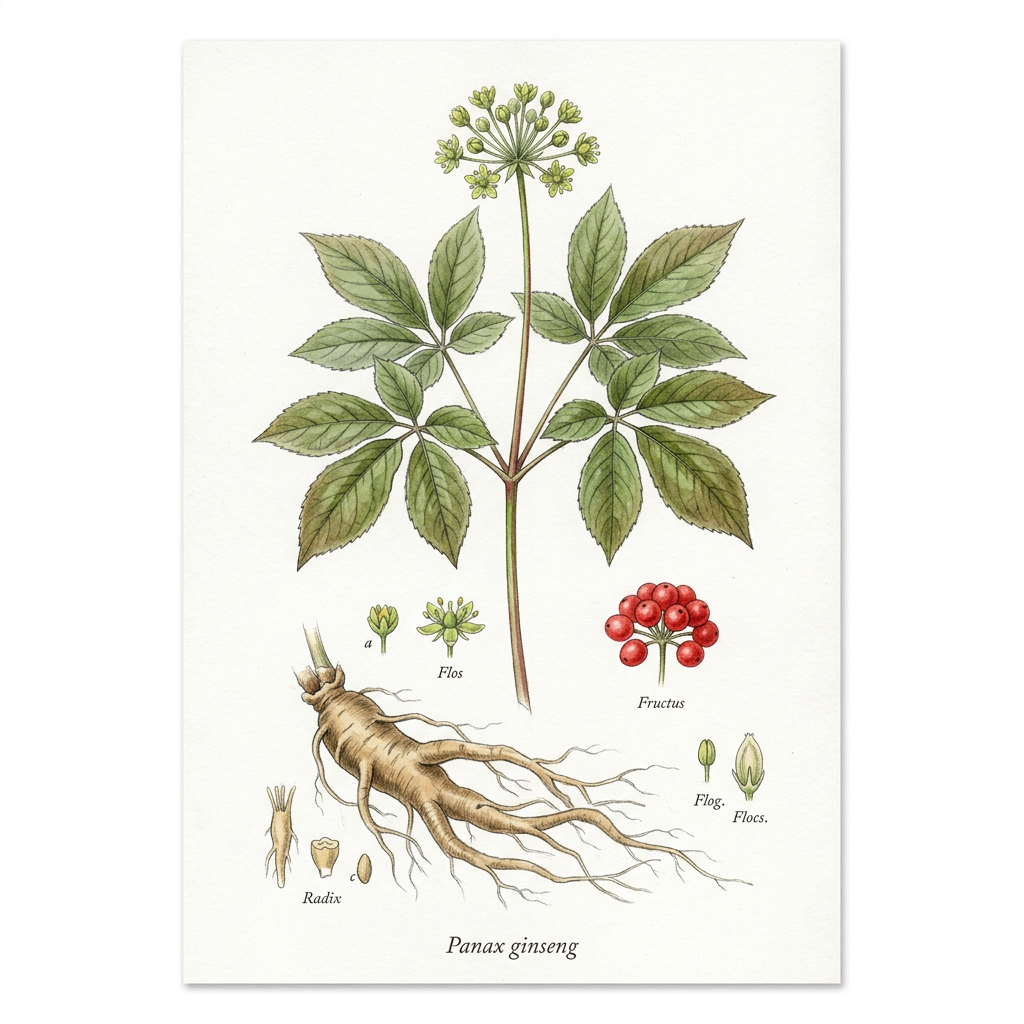
Panax ginseng

Panax ginseng

Panax ginseng

Energy Booster
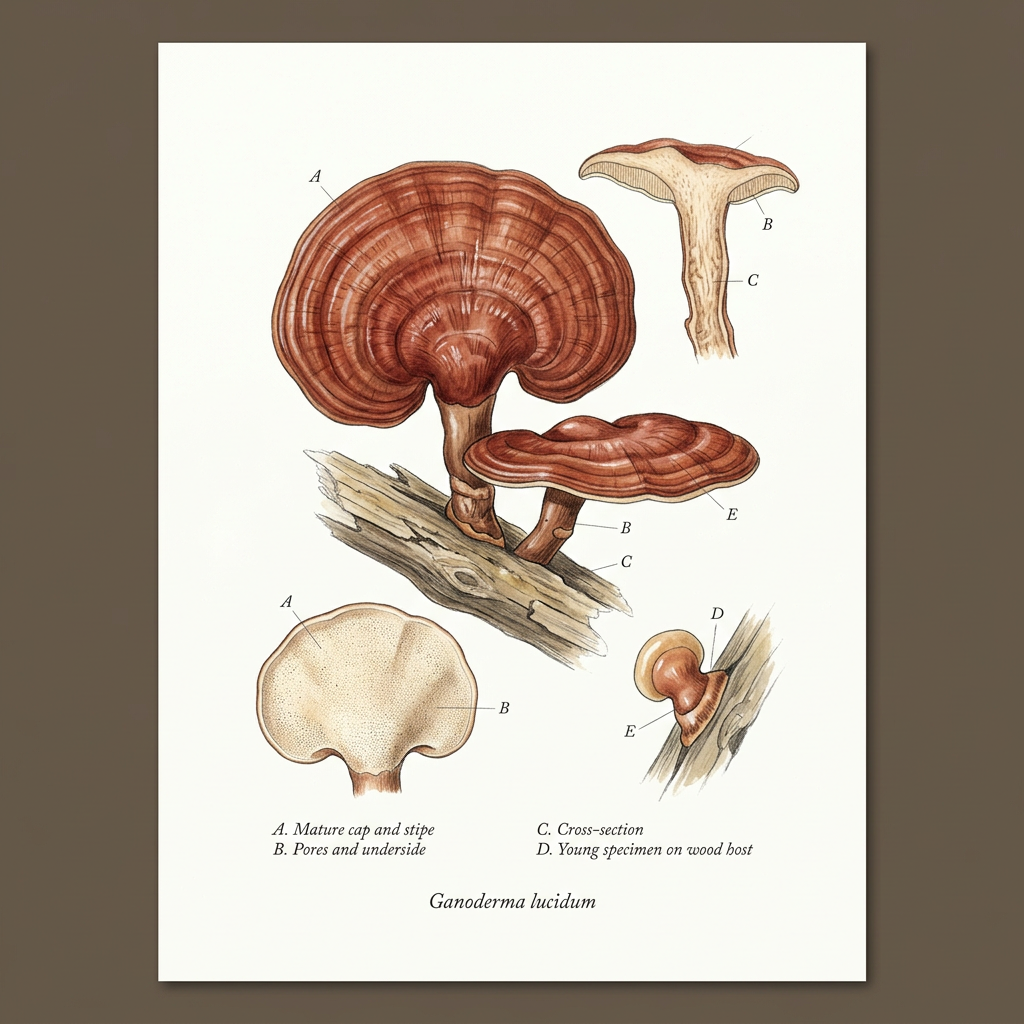
Reishi

Reishi

Ganoderma lucidum

Immune Support