The Wild Sage logo
The Wild Sage Logo

Herbal Medicine at your fingertips

Comprehensive database of herbal remedies with detailed safety information and traditional uses

New to herbal terms? Read the glossary →
ADHD
Abcess
Acid Reflux Relief
Acinetobacter
Acne
Acne Vulgaris
Addisons
Adenomyosis
Adenovirus
Adrenal fatigue
Aging
Aids
Alcaligenes faecalis
Alcoholism
Allergic Rhinitis
Allergies
Allergy
Alopoecia
Alopoecia nervosa
Alzheimer's, Dementia & Cognitive Decline
420 herbs found
Important: This information is for educational purposes only. Always consult with qualified healthcare professionals before using herbal remedies, especially if you have existing health conditions or take medications.
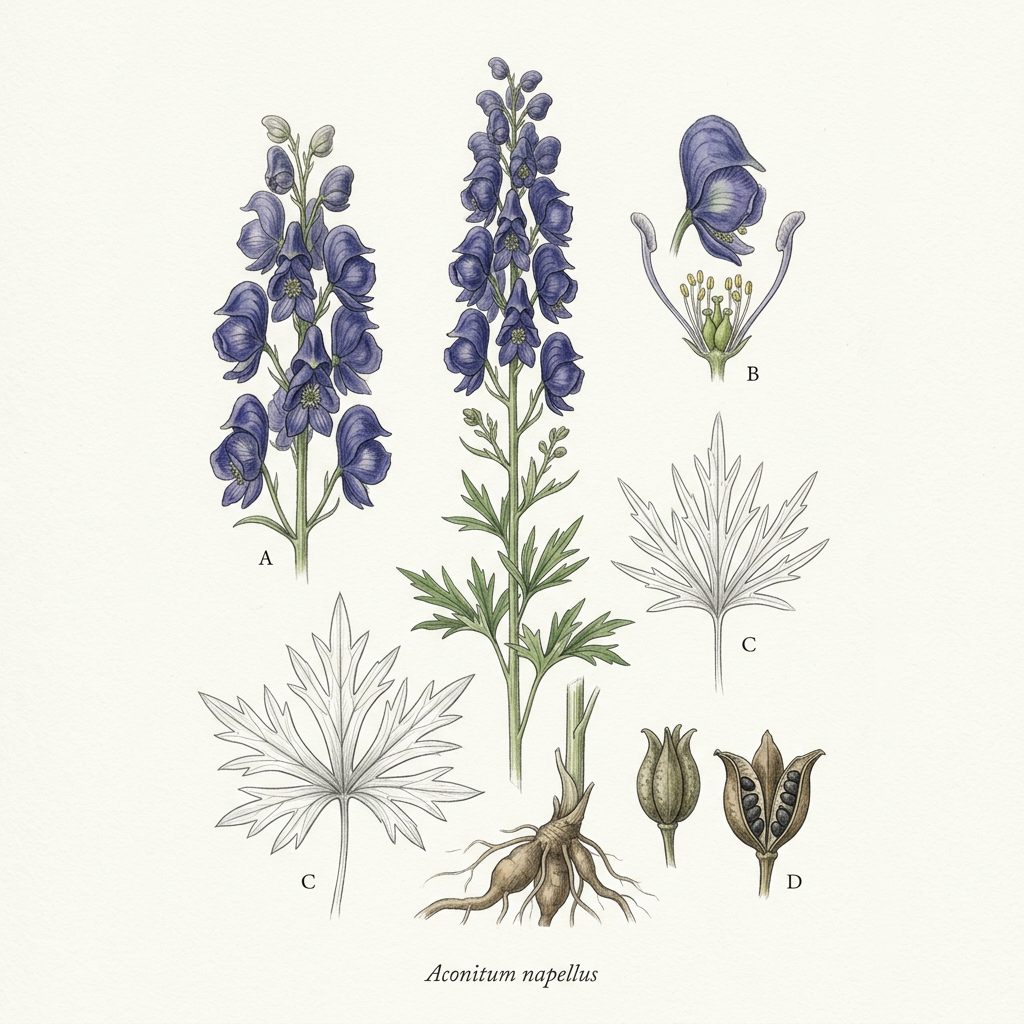
Monkshood

Monkshood

Aconitum napellus

high risk Risk
Ranunculaceae
Cold and bitter
<p>Aconitum napellus: Aconitum napellus, commonly known as monkshood or wolf’s bane, is a perennial herbaceous plant belonging to the Ranunculaceae family. It is native to the mountainous regions of Europe and parts of Asia, often thriving in temperate climates and cultivating rich, well-drained soils. Historically, Aconitum napellus has been shrouded in mystique and reverence; it was traditionally utilized in folk medicine for its potent pharmacological properties. Ancient Greeks and Romans recognized its potential, using it as both a medicinal herb and a poison in warfare and hunting. In various cultures, it has been symbolically linked to protection and spirituality, reflecting its dual nature as a remedy and a toxic plant. The primary therapeutic actions of Aconitum napellus are its analgesic and neuroprotective properties, making it a subject of interest in both traditional herbalism and modern pharmacology. Its active compounds, particularly alkaloids such as aconitine, are known to exert powerful effects that can alleviate pain, reduce inflammation, and offer protective benefits to the nervous system. The analgesic properties of Aconitum napellus are particularly noteworthy; it has been employed to manage various types of pain, including neuropathic pain and post-surgical discomfort, due to its ability to modulate pain signals in the nervous system. Furthermore, its neuroprotective qualities suggest potential applications in treating neurological disorders, where oxidative stress and inflammation play significant roles in pathophysiology. Aconitum napellus works in the body by interacting with the sodium channels in neuronal membranes, modulating the excitability of nerve fibers. By inhibiting these channels, aconitine diminishes the propagation of pain signals, effectively providing relief from acute and chronic pain conditions. Additionally, its neuroprotective effects are thought to arise from its capacity to inhibit excitatory neurotransmission, thereby reducing the risk of neurodegeneration and promoting neuronal recovery. However, due to its potent nature, Aconitum napellus must be approached with caution; appropriate dosages are critical to harnessing its benefits while minimizing the risks of toxicity. Thus, in both historical and contemporary contexts, Aconitum napellus stands as a remarkable herb of duality – a powerful ally in pain relief and a reminder of the delicate balance required in herbal therapeutics.</p>

Uses & Conditions

Neuroprotection
Nerve recovery
Excitatory neurotransmission inhibition
Oxidative stress reduction
Nervous system support
Neuralgia
Pain
Sciatica
Trigeminal nerve pain
Neuropathic pain
Post-surgical pain
Acute pain
Chronic pain
Inflammation
Neurological disorders
Temporomandibular joint dysfunction
Rheumatism
Pancreatitis

Actions

Analgesic
Neuroprotective
Toxic

Synonyms

Monkshood

Parts Used

Dried root
Tuber

Native Countries

United Kingdom
France
Germany
Italy
Russia

USDA Hardiness Zones

3
4
5
6

Contraindications

  • Pregnancy and breastfeeding due to risk of systemic alkaloid absorption
  • Individuals with pre-existing cardiac conduction disturbances or arrhythmias
  • Patients with hypotension or unstable blood pressure
  • Not to be used internally due to extreme toxicity profile
  • Do not apply to open wounds
  • cuts
  • or damaged skin

Potential Side Effects

  • Tingling or numbness of the lips
  • mouth
  • and extremities
  • Cardiac arrhythmias and palpitations
  • Gastrointestinal distress including nausea and vomiting
  • Severe muscle weakness
  • Respiratory compromise

Interactions

  • Antiarrhythmic drugs: potential synergistic effects on heart rate leading to toxicity
  • Calcium channel blockers: may exacerbate negative inotropic effects on the heart
  • Digoxin: risk of additive cardiotoxicity
  • Anaesthetic agents: potential for serious cardiac rhythm disturbances

Dosages, tincture ratios & research — members only

Unlock Garreth's dosing guidance, tincture ratios, the dosage calculator and the research studies for Monkshood.

Your assessment and results stay saved — upgrading only unlocks more of them.

See membership plans

Community Photos

No community photos yet. Sign in to upload photos.

Reviews & Ratings

Sign in to leave a review.

No reviews yet. Be the first!

GF

Garreth Falls — B.Th., Dip. H.M., MNIMH

Content curated and reviewed by Garreth Falls, Consultant Medical Herbalist · The Wild Sage

Medical Disclaimer: This information is for educational purposes only and is not intended as medical advice. Always consult with qualified healthcare professionals before starting any herbal treatment.
Western tradition

Sustainability & quality

Abundant

Highly toxic; internal use is strongly discouraged in clinical practice.

Key constituents

Aconitine, Mesaconitine, Hypaconitine, Neoline, Napelline, Diterpene alkaloids

References

  1. British Herbal Pharmacopoeia 1983
  2. ESCOP Monographs 2nd ed. 2003
  3. Herbal Reality. Herb monographs. herbalreality.com

Reviewed by Garreth, Medical Herbalist (MNIMH) · November 2026

Related conditions

Explore conditions where Monkshood is traditionally used.

Related Herbs
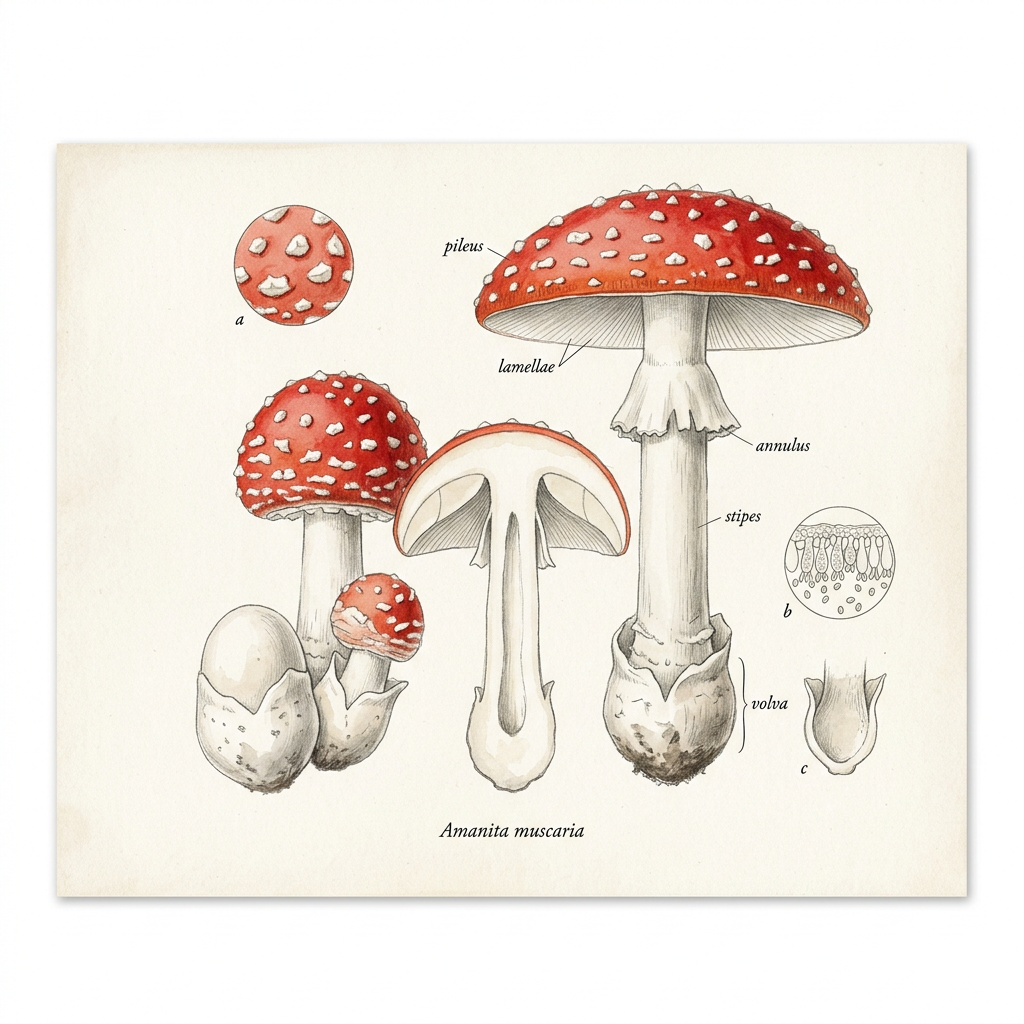
Fly agaric

Fly agaric

Amanita muscaria

Anxiety
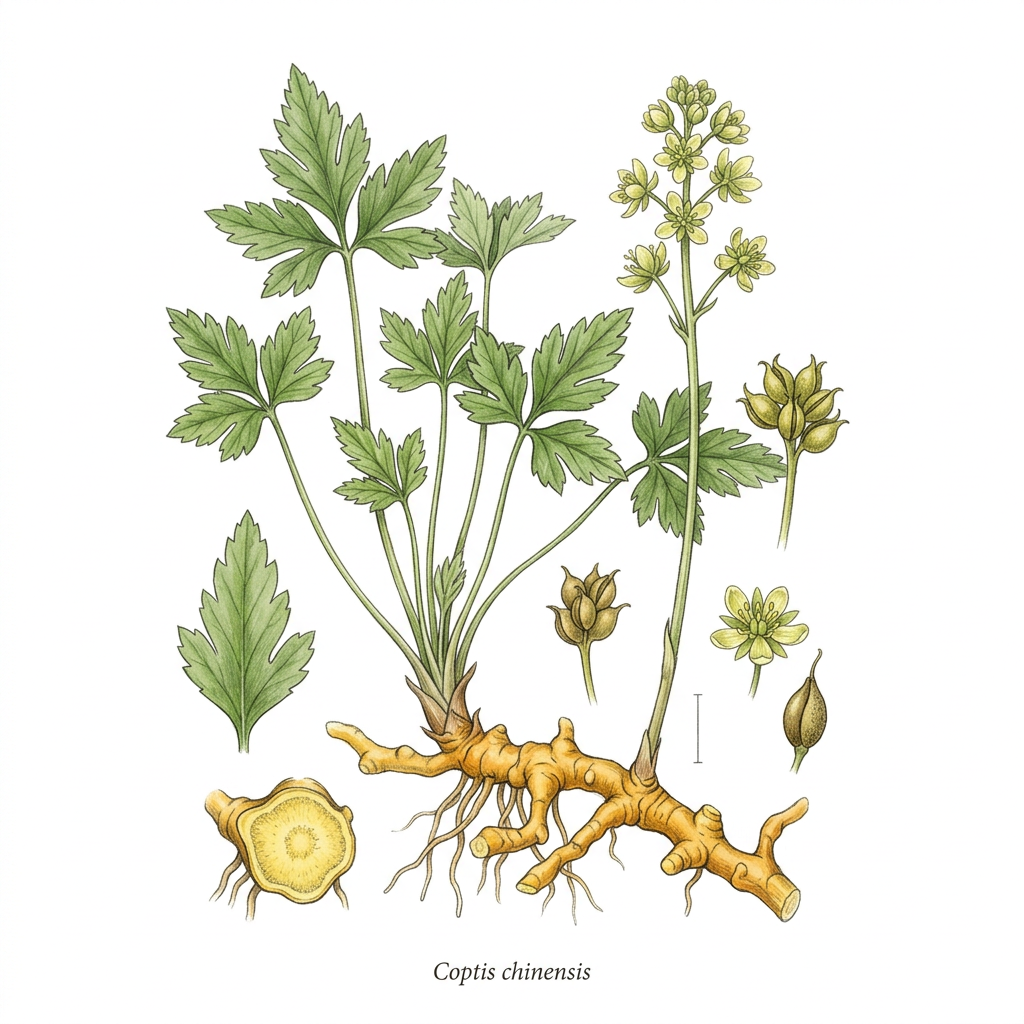
Coptis

Coptis

Coptis chinensis

Cardioprotective
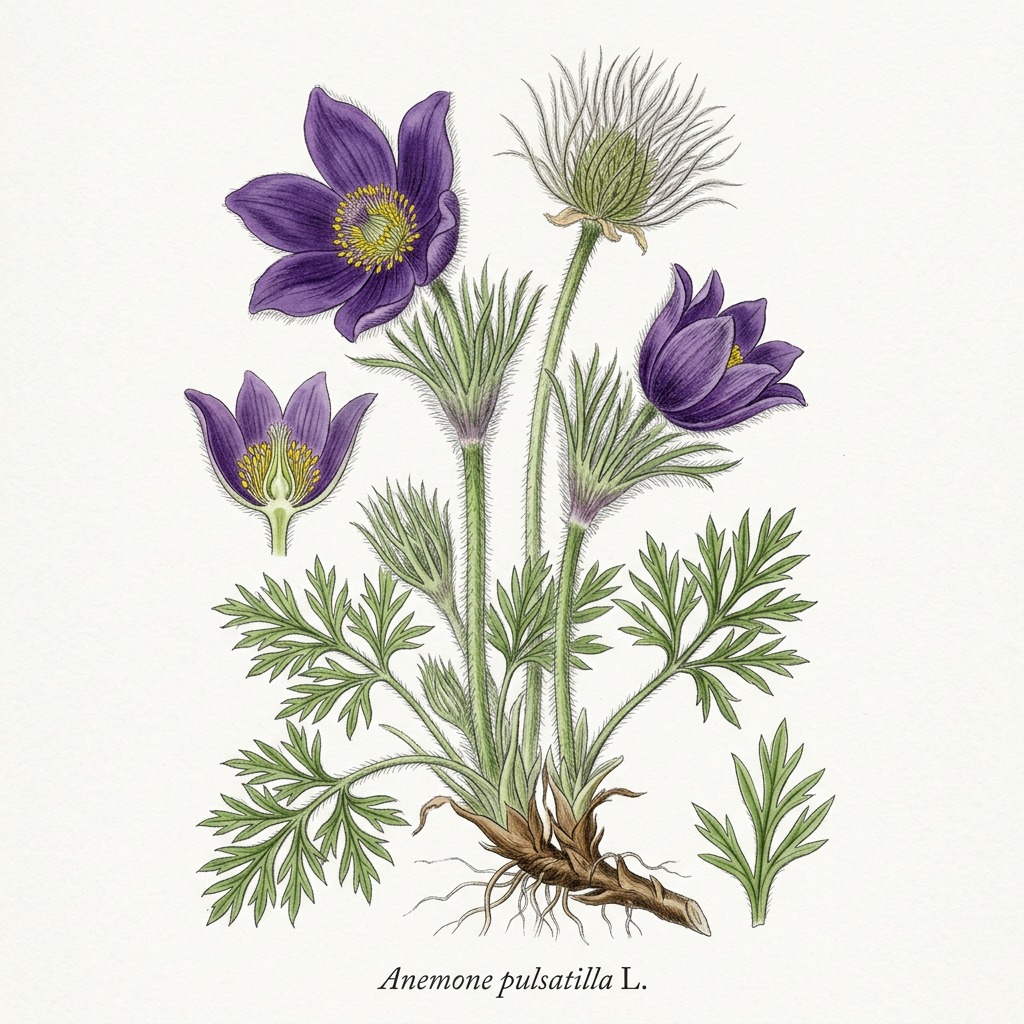
Pasque Flower

Pasque Flower

Anemone pulsatilla

Ranunculus ficaria

Ranunculus ficaria

Pain Management