The Wild Sage logo
The Wild Sage Logo

Herbal Medicine at your fingertips

Comprehensive database of herbal remedies with detailed safety information and traditional uses

New to herbal terms? Read the glossary →
ADHD
Abcess
Acid Reflux Relief
Acinetobacter
Acne
Acne Vulgaris
Addisons
Adenomyosis
Adenovirus
Adrenal fatigue
Aging
Aids
Alcaligenes faecalis
Alcoholism
Allergic Rhinitis
Allergies
Allergy
Alopoecia
Alopoecia nervosa
Alzheimer's, Dementia & Cognitive Decline
420 herbs found
Important: This information is for educational purposes only. Always consult with qualified healthcare professionals before using herbal remedies, especially if you have existing health conditions or take medications.
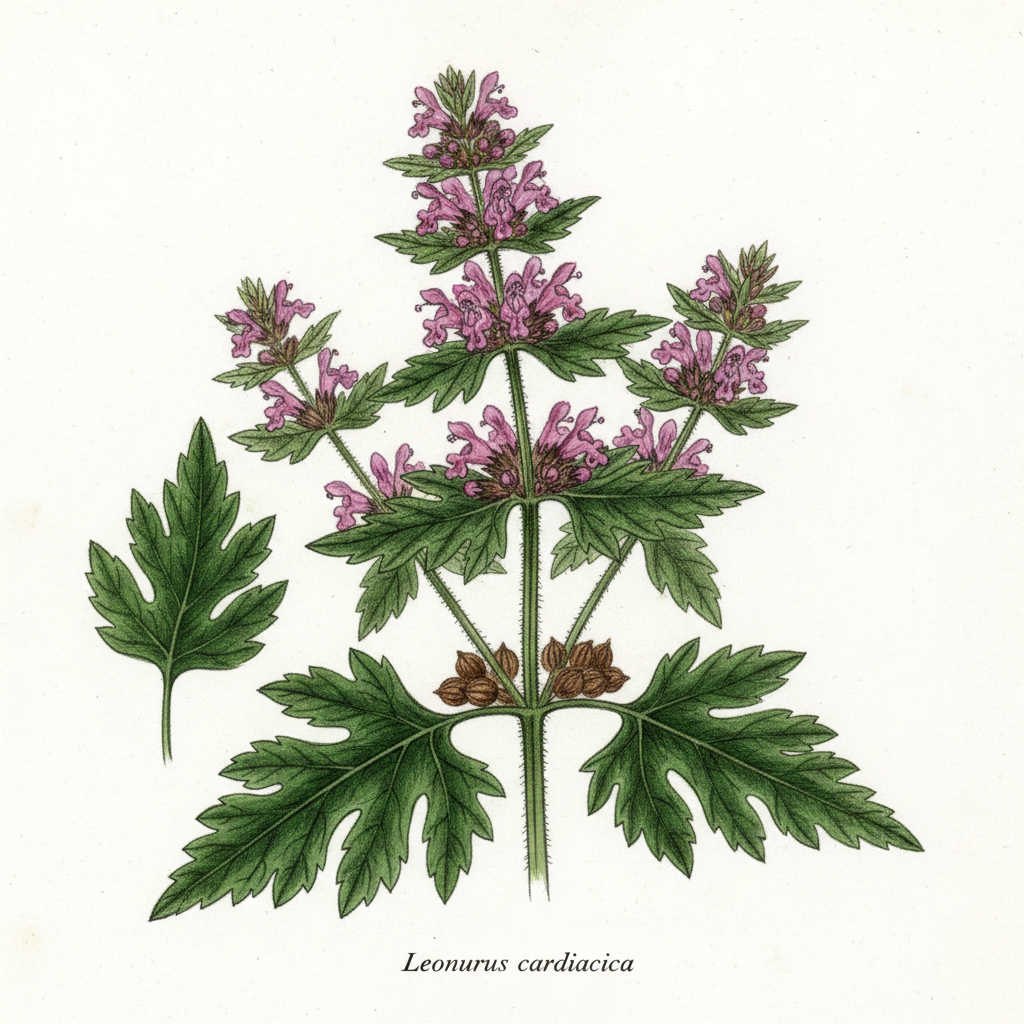
Motherwort

Motherwort

Leonurus cardiaca

low risk Risk
Lamiaceae
Calming herb that supports emotional balance and heart health, especially during the menstrual cycle.
<p>Leonurus cardiaca, commonly known as motherwort, is a perennial herb native to Europe, Asia, and North America. This member of the Lamiaceae family has a rich history of traditional use, particularly in herbal medicine practices across different cultures. Motherwort's name derives from its long-standing reputation for promoting women's health, especially during the postpartum period. Historically, herbalists have employed this versatile herb to alleviate symptoms associated with menstruation, childbirth, and hormonal fluctuations, with its therapeutic applications dating back to ancient Greek and Roman herbal traditions. The therapeutic properties of Leonurus cardiaca are diverse, with its primary actions classified as calming, menstrual support, and mood enhancement. This herb is renowned for its ability to soothe the nervous system, providing significant relief to individuals experiencing anxiety and emotional stress. Furthermore, its powerful uterine tonic properties make it particularly beneficial for women managing menstrual discomfort, irregular cycles, and premenstrual symptoms. Studies suggest that the phytochemicals found in motherwort—such as flavonoids, alkaloids, and cardiac glycosides—contribute to its ability to regulate menstrual flow and relieve tension in the uterine muscles. Motherwort functions through several mechanisms within the body. Its calming effects can be attributed to its interaction with the central nervous system, particularly through the modulation of neurotransmitter activity, promoting relaxation and reducing anxiety levels. Additionally, its estrogen-like properties may help balance hormones, addressing both emotional and physical symptoms related to the menstrual cycle. Through its adaptogenic qualities, Leonurus cardiaca supports the body's response to stress, aiding in emotional stability and overall well-being. As a multifaceted herb, motherwort serves not only as a remedy for common gynecological issues but also as a holistic ally in maintaining emotional health, making it a cherished addition to herbal wellness practices.</p>

Uses & Conditions

Emotional Balance
Mood Support
Anxiety Disorders
Menstrual Disorders
Stress-Related Disorders
Hypertension
Palpitations
Amenorrhoea
Digestive Discomfort

Actions

Anxiolytic
GABA Receptor Enhancer
Neuroprotective
NFkB Inhibitor
TNF-a Reducer
Uterine Stimulant
Sedative

Parts Used

leaves

Native Countries

Europe

USDA Hardiness Zones

USDA 3-9

Contraindications

  • Pregnancy due to potential uterine stimulant effects
  • Breastfeeding due to insufficient safety data
  • Surgery: discontinue use at least two weeks prior
  • Menorrhagia: avoid if heavy menstrual bleeding is present
  • Known hypersensitivity to Lamiaceae family

Potential Side Effects

  • Mild sedative effects

Interactions

  • Sedatives and Anxiolytics: may potentiate benzodiazepines, barbiturates, or other CNS depressants
  • Antihypertensives: potential additive hypotensive effects
  • Anticoagulants and Antiplatelets: potential for increased bleeding risk
  • Cardiac Medications: use caution with prescribed heart medication

Dosages, tincture ratios & research — members only

Unlock Garreth's dosing guidance, tincture ratios, the dosage calculator and the research studies for Motherwort.

Your assessment and results stay saved — upgrading only unlocks more of them.

See membership plans

Community Photos

No community photos yet. Sign in to upload photos.

Reviews & Ratings

Sign in to leave a review.

No reviews yet. Be the first!

GF

Garreth Falls — B.Th., Dip. H.M., MNIMH

Content curated and reviewed by Garreth Falls, Consultant Medical Herbalist · The Wild Sage

Medical Disclaimer: This information is for educational purposes only and is not intended as medical advice. Always consult with qualified healthcare professionals before starting any herbal treatment.
Western tradition

Sustainability & quality

Abundant

Often found in disturbed soil; harvest ethically and ensure clean growing conditions.

Key constituents

Alkaloids, acetogenins, Diterpines, Flavonoids

References

  1. Bone & Mills "Principles and Practice of Phytotherapy" 2nd ed. 2013
  2. British Herbal Pharmacopoeia 1983
  3. Herbal Reality. Herb monographs. herbalreality.com

Reviewed by Garreth, Medical Herbalist (MNIMH) · November 2026

Related conditions

Explore conditions where Motherwort is traditionally used.

Related Herbs
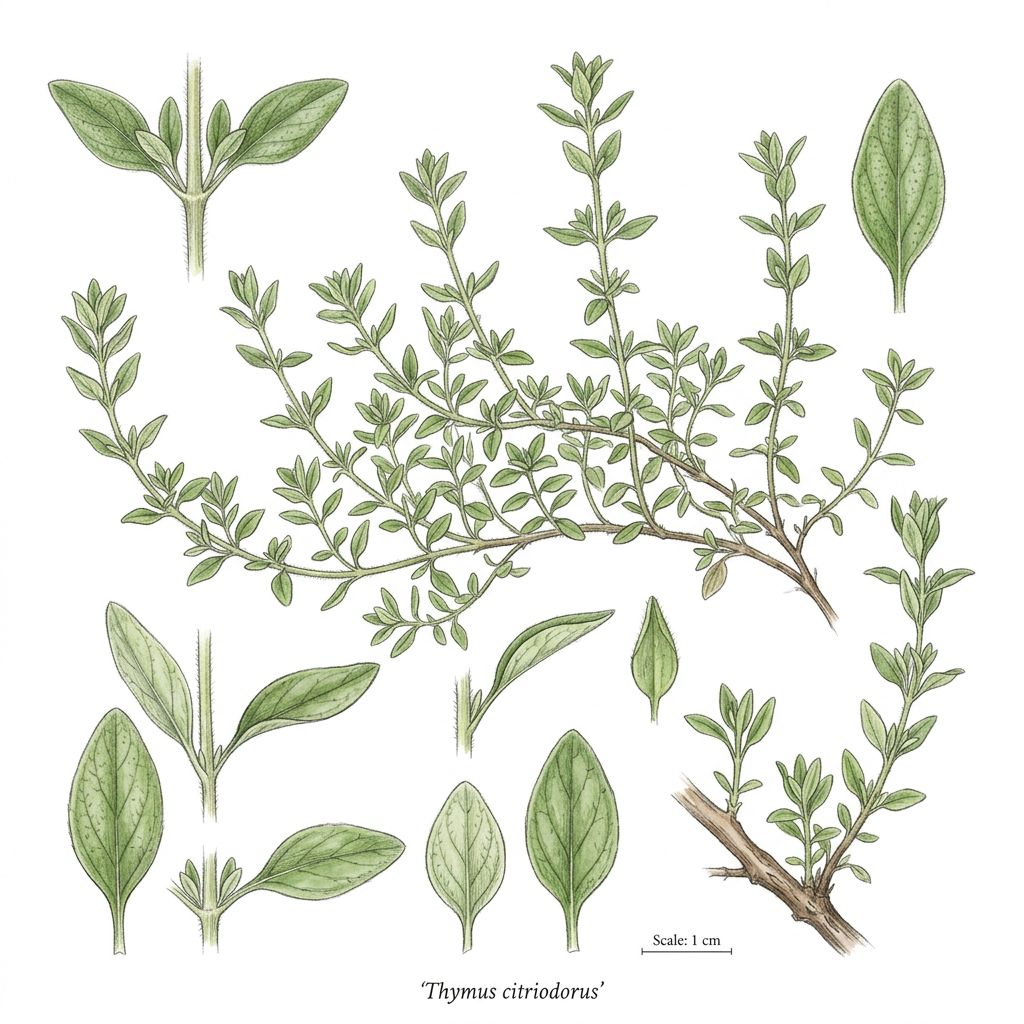
Lemon thyme

Lemon thyme

Thymus citriodorus

Appetite stimulant
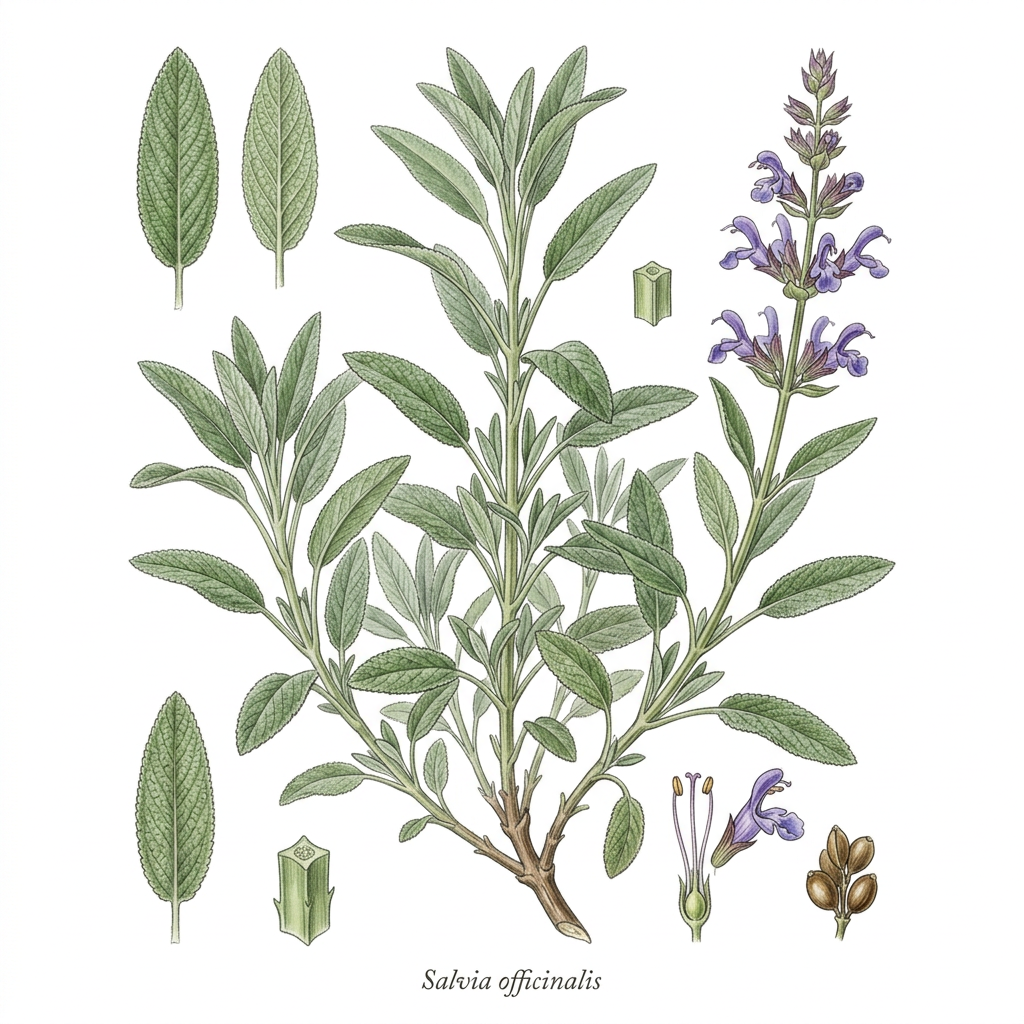
Sage

Sage

Salvia officinalis

Antioxidant Support
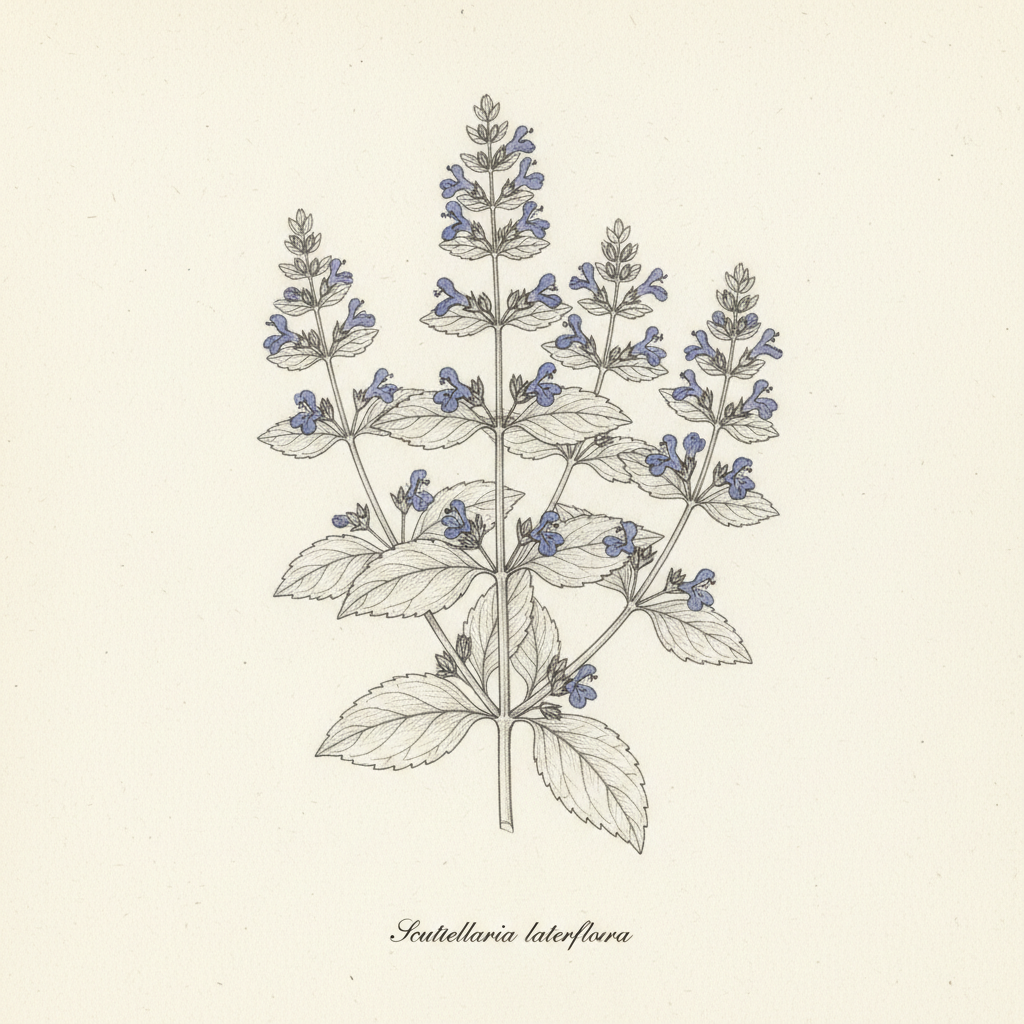
Skullcap

Skullcap

Scutellaria lateriflora

Nervous System Support
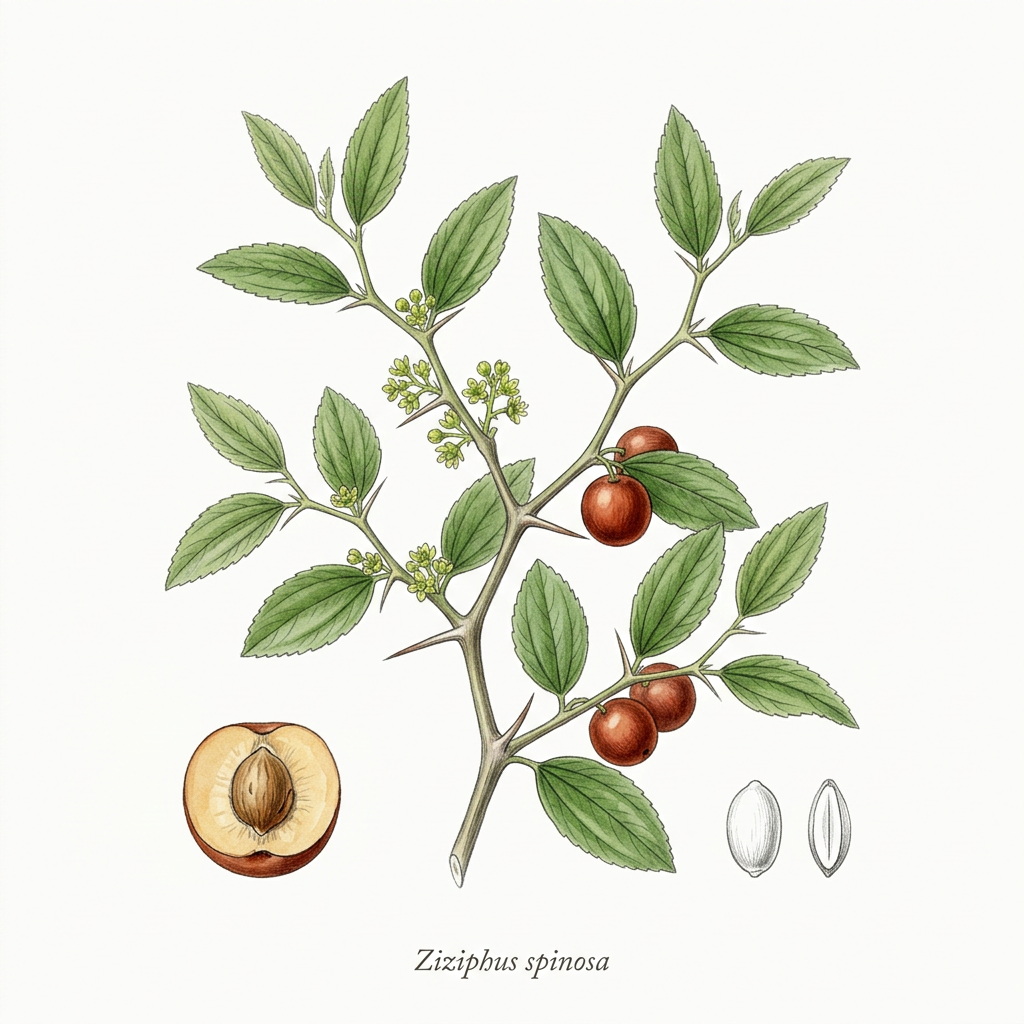
Ziziphus

Ziziphus

Ziziphus spinosa

Sleep Aid