The Wild Sage logo
The Wild Sage Logo

Herbal Medicine at your fingertips

Comprehensive database of herbal remedies with detailed safety information and traditional uses

New to herbal terms? Read the glossary →
ADHD
Abcess
Acid Reflux Relief
Acinetobacter
Acne
Acne Vulgaris
Addisons
Adenomyosis
Adenovirus
Adrenal fatigue
Aging
Aids
Alcaligenes faecalis
Alcoholism
Allergic Rhinitis
Allergies
Allergy
Alopoecia
Alopoecia nervosa
Alzheimer's, Dementia & Cognitive Decline
420 herbs found
Important: This information is for educational purposes only. Always consult with qualified healthcare professionals before using herbal remedies, especially if you have existing health conditions or take medications.
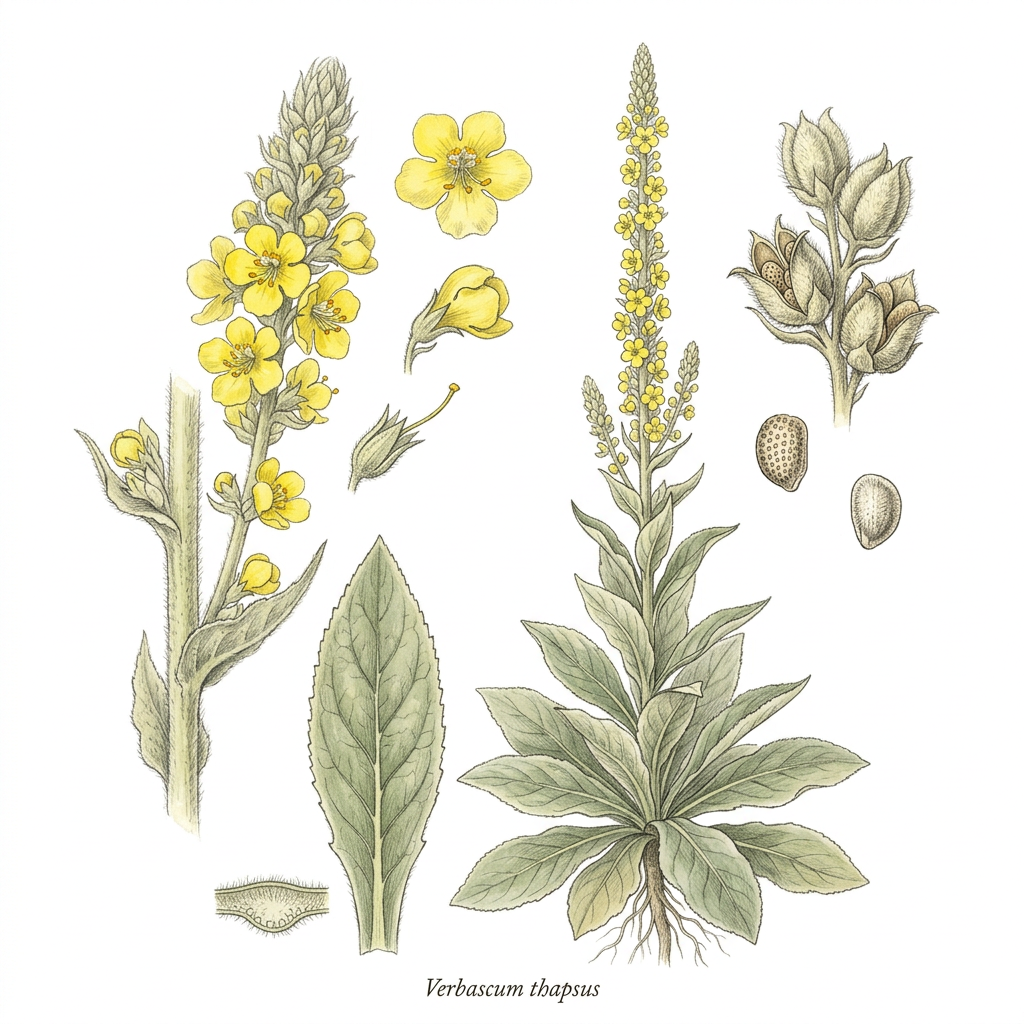
Mullein

Mullein

Verbascum thapsus

low risk Risk
Scropulariaceae
Cooling, Moistening
<p>Mullein, a biennial plant belonging to the Scrophulariaceae family, is renowned for its striking tall spikes adorned with dense clusters of yellow, fuzzy flowers that attract pollinators, particularly bees. Historically, Mullein has been utilized across various cultures for its medicinal properties. The leaves of this ancient herb were employed by herbalists in European and Native American traditions as a remedy for respiratory issues, with records dating back to the Greek physician Dioscorides, who advocated its use for coughs and lung ailments. Beyond respiratory applications, Mullein has also been acknowledged for its anti-inflammatory and astringent qualities, making it a staple in holistic health practices for centuries. The therapeutic efficacy of Mullein can be attributed to its rich composition of active compounds, including flavonoids, saponins, and mucilage. These constituents are particularly beneficial for promoting respiratory health, acting as expectorants that help to clear mucus and soothe the throat. Mullein's anti-inflammatory properties aid in alleviating irritation, making it a valuable ally in the management of conditions such as bronchitis and chronic coughs. Additionally, the herb’s mild sedative effect can help to ease the stress associated with respiratory discomfort, enhancing overall well-being. When Mullein enters the body, its active compounds engage in a multi-faceted approach to support respiratory function. The mucilaginous properties coat and soothe the mucous membranes of the airways, while its anti-inflammatory actions help to reduce swelling and irritation in the respiratory tract. This synergistic effect not only facilitates easier breathing but also promotes the expulsion of phlegm, thereby clearing the air passages. Moreover, Mullein’s ability to support the immune system reinforces its role as a preventative measure against respiratory infections. As a versatile and potent herbal remedy, Mullein stands as an essential component of respiratory health formulations, delivering time-honored relief with each leaf and flower. The flower is also used topically for ear infections to great effect.</p>

Uses & Conditions

Mucus Clearance
Convalescence
Respiratory Infections
Chronic Bronchitis
Allergic Rhinitis
Asthma
Diarrhoea
Throat Irritation
Ear Infections
Boils
Bronchiectasis
Cardiac Insufficiency
Irritable Bowel Syndrome
Ulcerative Colitis
Crohn's Disease
Eczema

Actions

Anti-inflammatory
Demulcent
Cooling
Drying
Calming
NFkB Inhibitor
TNF-a Reduction
Anti-bacterial

Synonyms

Mullein

Parts Used

Flowers
Leaves
Whole plant

Native Countries

Europe

USDA Hardiness Zones

USDA 3-9
USDA 4-10
USDA 5-8

Preparations & Dosage

  • Infusion: 1.5-2g dried leaf or flower in 150-250ml boiling water, steeped 10-15 minutes, 3-4 times daily
  • Tincture: 1:3 ratio in 25-40% ethanol, 2-5ml taken daily
  • Topical Oil: Infused flowers in carrier oil applied to the external ear canal for minor discomfort, ensuring the eardrum is intact
  • Poultice: Fresh or rehydrated leaves applied topically to minor skin irritations

Maximum weekly dose: 168g

Contraindications

  • Pregnancy due to insufficient safety data
  • Breastfeeding as safety profile is not established
  • Perforated eardrum when using topical oil
  • Known hypersensitivity to Scrophulariaceae family plants
  • Pre-existing chronic lung conditions require practitioner supervision

Potential Side Effects

  • Mechanical throat irritation from leaf trichomes
  • Contact dermatitis
  • Nausea with high doses

Interactions

  • Diuretic medications may potentiate electrolyte imbalance
  • Immunosuppressant drugs may be modulated
  • Prescription respiratory medications may have additive effects
  • Lithium excretion rates may be altered

Dosage Calculator

Community Photos

No community photos yet. Sign in to upload photos.

Reviews & Ratings

Sign in to leave a review.

No reviews yet. Be the first!

GF

Garreth Falls — B.Th., Dip. H.M., MNIMH

Content curated and reviewed by Garreth Falls, Consultant Medical Herbalist · The Wild Sage

Medical Disclaimer: This information is for educational purposes only and is not intended as medical advice. Always consult with qualified healthcare professionals before starting any herbal treatment.
Western tradition

Sustainability & quality

Abundant

Commonly considered a weed, it is widespread in many areas. It is generally easy to cultivate or harvest sustainably in small quantities.

Key constituents

Aucubin, flavonoids, Iridoid glycosides, Mucilage, Phenolic compounds, Saponins, Rutin, Diosmin, Quercitrin, glucoside, Hesperidin, Apigenin, Kaempferol

References

  1. ESCOP Monographs 2nd ed. 2003
  2. British Herbal Pharmacopoeia 1983
  3. Herbal Reality. Herb monographs. herbalreality.com

Reviewed by Garreth, Medical Herbalist (MNIMH) · November 2026

Related conditions

Explore conditions where Mullein is traditionally used.

Related Herbs

Chamomile

Chamomile

Matricaria recutita

Digestive Tonic
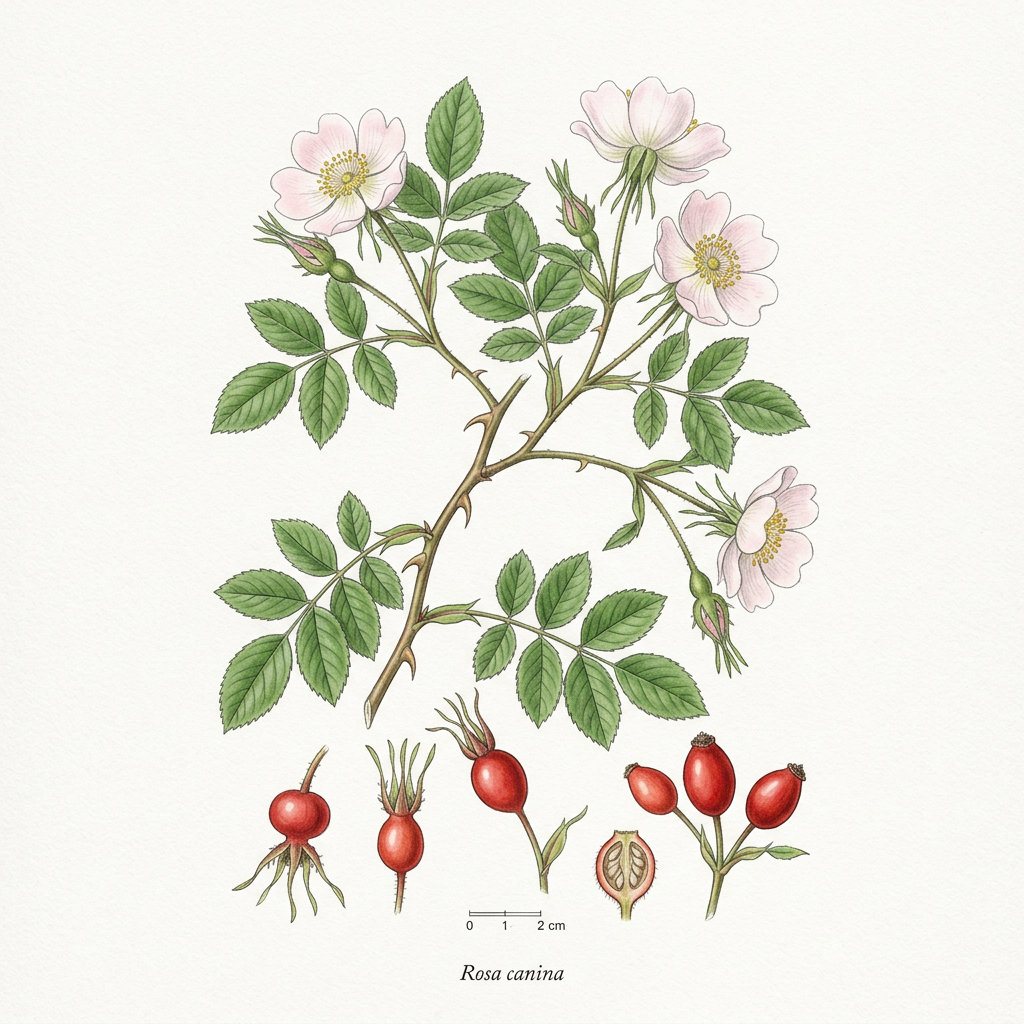
Dog rose

Dog rose

Rosa canina

Immune Support
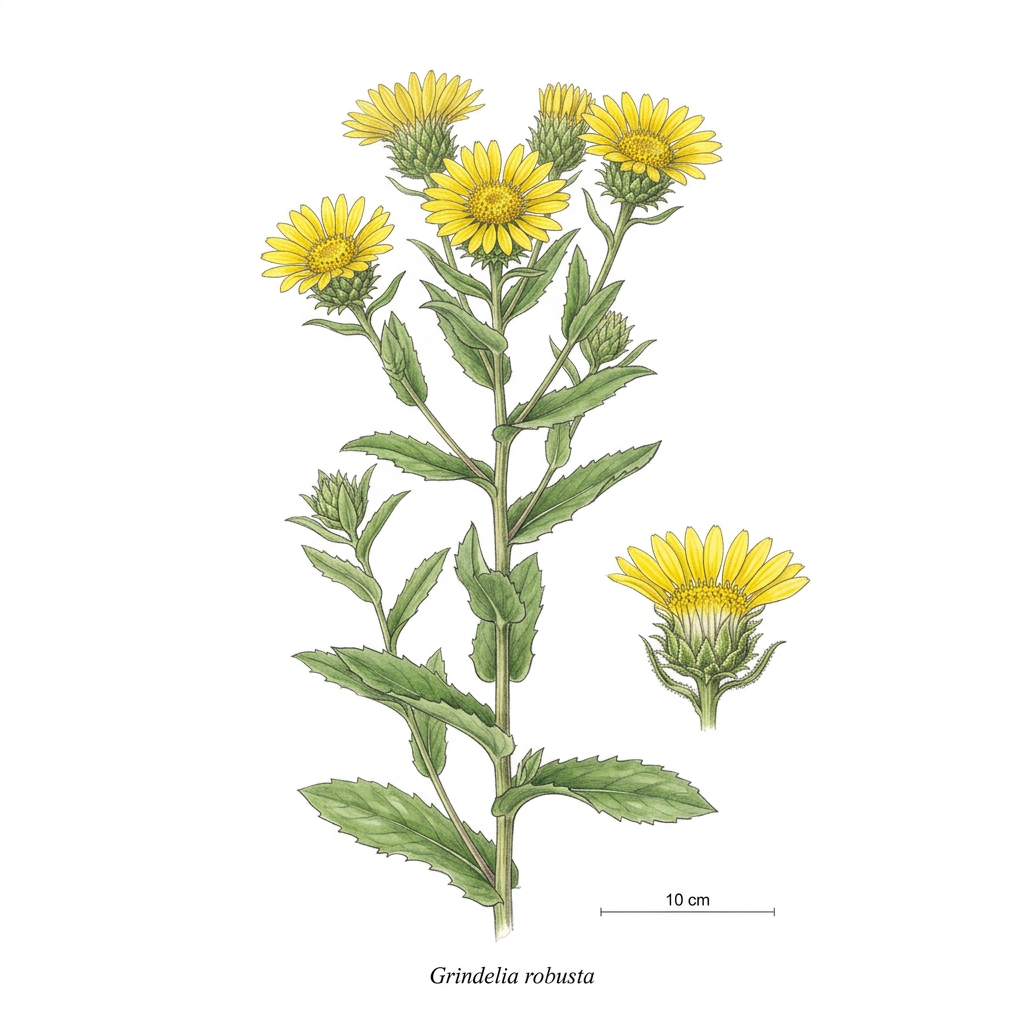
Grindelia

Grindelia

Grindelia robusta

Mucus clearance
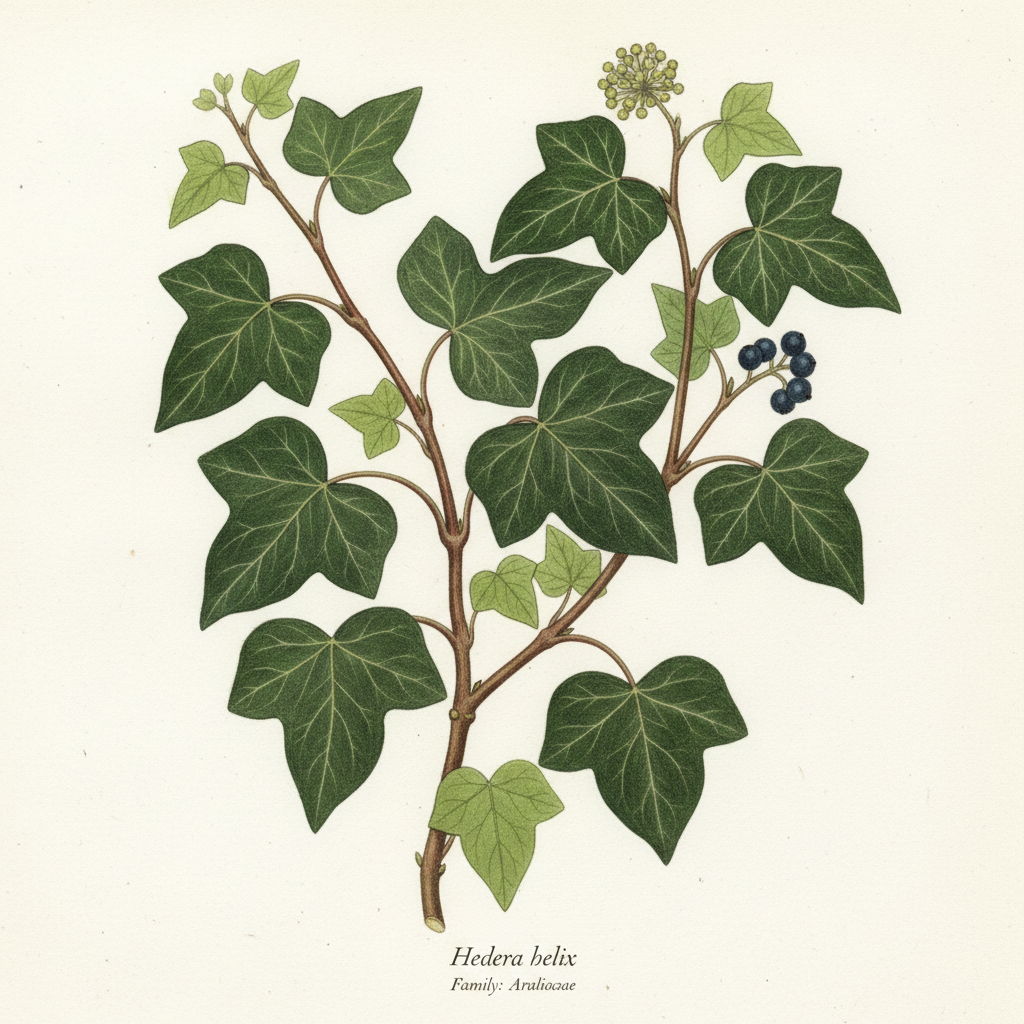
Ivy

Ivy

Hedera helix

Respiratory Support