The Wild Sage logo
The Wild Sage Logo

Herbal Medicine at your fingertips

Comprehensive database of herbal remedies with detailed safety information and traditional uses

New to herbal terms? Read the glossary →
ADHD
Abcess
Acid Reflux Relief
Acinetobacter
Acne
Acne Vulgaris
Addisons
Adenomyosis
Adenovirus
Adrenal fatigue
Aging
Aids
Alcaligenes faecalis
Alcoholism
Allergic Rhinitis
Allergies
Allergy
Alopoecia
Alopoecia nervosa
Alzheimer's, Dementia & Cognitive Decline
420 herbs found
Important: This information is for educational purposes only. Always consult with qualified healthcare professionals before using herbal remedies, especially if you have existing health conditions or take medications.
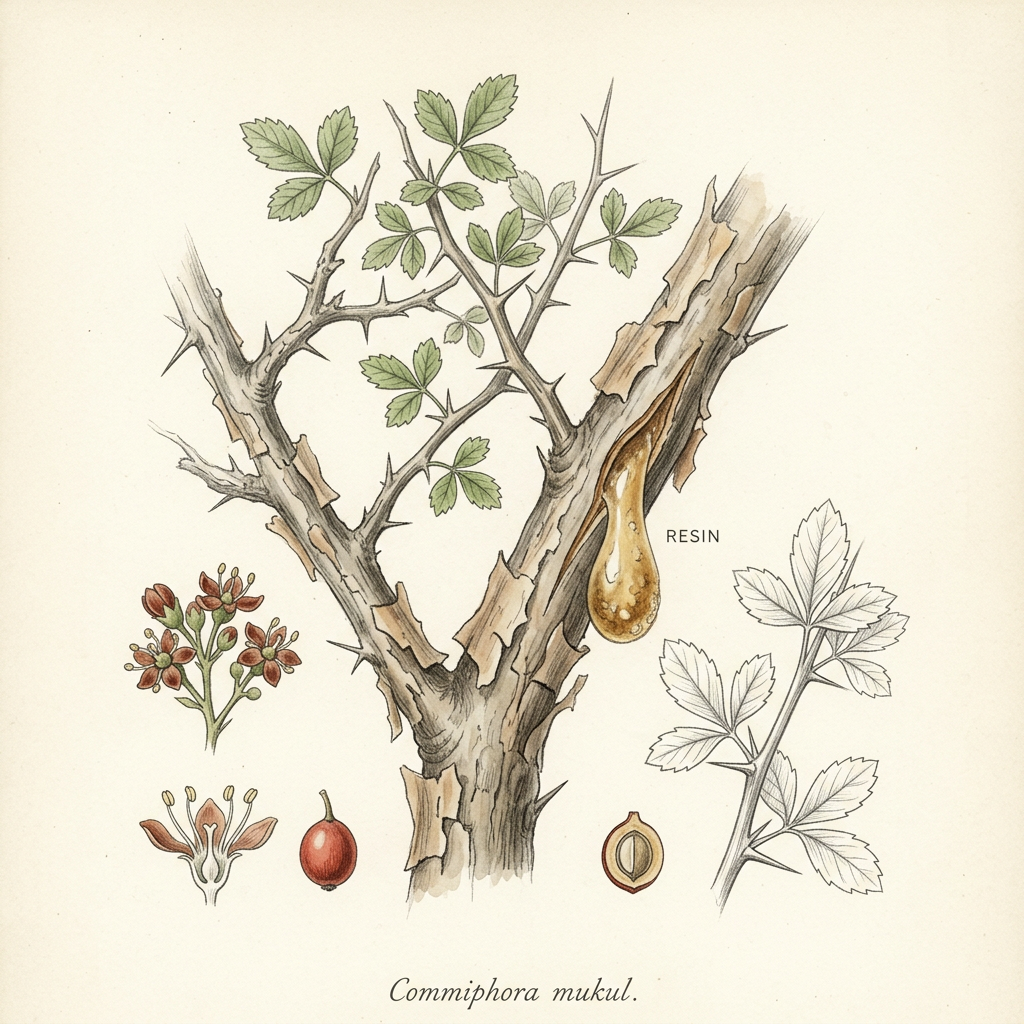
Myrrh

Myrrh

Commiphora mukul

low risk Risk
Burseraceae
Promotes emotional stability, reduces stress, enhances meditation, and supports emotional healing.
<p>Myrrh, derived from the resin of the Commiphora mukul tree, has been revered for centuries across various cultures for its multifaceted therapeutic properties. Historically, it has enjoyed significant prominence in traditional medicine, particularly within Ayurvedic and ancient Egyptian practices. The rich, aromatic resin was used not only in religious rituals and embalming but also as a natural remedy for a diverse array of ailments, from respiratory issues to skin conditions. In Ayurveda, myrrh is considered a powerful tonic for the digestive system, and its applications in traditional Chinese medicine showcase its use in addressing inflammation and promoting overall health. The therapeutic properties of myrrh are extensive, showcasing a broad spectrum of beneficial effects on human health. Its well-documented actions include antimicrobial, analgesic, anti-inflammatory, and cytoprotective effects, making it a versatile herb for both acute and chronic conditions. Myrrh is particularly effective in treating oral health issues such as mouth ulcers and sore throats, thanks to its potent antiseptic and astringent qualities that promote healing while alleviating pain. Additionally, its antimicrobial properties extend beyond oral care, offering protection against various pathogens, including bacteria and fungi. Recent studies have also indicated myrrh's potential role in lowering cholesterol and supporting liver health, while its neuroprotective effects suggest promising avenues for combating neurodegenerative diseases. The mechanisms by which myrrh exerts its beneficial effects are primarily attributed to its diverse bioactive compounds, including terpenoids and essential oils, which interact with various physiological pathways in the body. The resin activates the Nrf2 pathway, a critical regulator of antioxidant defense, thereby enhancing cellular protection against oxidative stress and inflammation. Moreover, myrrh's analgesic properties are believed to result from its ability to modulate pain receptors and inhibit inflammatory mediators. By promoting blood circulation and exhibiting diuretic effects, myrrh supports the body's natural detoxification processes. Collectively, these actions manifest in a holistic enhancement of health, positioning myrrh as a valuable ally in both contemporary herbal medicine and traditional healing practices.</p>

Uses & Conditions

Emotional Stability
Spiritual Awareness
Liver Support
Diabetes Mellitus
Hyperlipidaemia
Anxiety
Chronic Pain
Mouth Ulcer
Tonsillitis
Gastritis
Fractures
Common Cold
Bronchitis
COVID-19
Haemorrhoids
Periodontitis
Hypothyroidism
Helminthiasis
Liver Fluke
Headache
Alzheimer's Disease

Actions

Antimicrobial
Antiseptic
Analgesic
Hepatoprotective
Diuretic
Vulnerary
Anthelmintic
Anti-angiogenic
Anti-hyperlipidaemic
Leucocytotic
Cytoprotective
Anti-diabetic
Nrf2 Pathway Activator
Anti-parasitic
Astringent
Neuroprotective
Stimulant
Anti-fungal
NFkB Inhibitor

Synonyms

Commiphora molmol
African myrrh
herabol myrr
somali myrrh
common myrrh or gum myrrh

Parts Used

Resin

Native Countries

Africa

USDA Hardiness Zones

USDA 9-11

Potential Side Effects

  • Herxheimer reaction due to biofilm breakdown

Dosages, tincture ratios & research — members only

Unlock Garreth's dosing guidance, tincture ratios, the dosage calculator and the research studies for Myrrh.

Your assessment and results stay saved — upgrading only unlocks more of them.

See membership plans

Community Photos

No community photos yet. Sign in to upload photos.

Reviews & Ratings

Sign in to leave a review.

No reviews yet. Be the first!

GF

Garreth Falls — B.Th., Dip. H.M., MNIMH

Content curated and reviewed by Garreth Falls, Consultant Medical Herbalist · The Wild Sage

Medical Disclaimer: This information is for educational purposes only and is not intended as medical advice. Always consult with qualified healthcare professionals before starting any herbal treatment.
Ayurvedic tradition
Western tradition

Sustainability & quality

At risk

Overharvesting in the wild is a significant concern; prefer cultivated resin sources.

Key constituents

Antimicrobial

References

  1. Bensky "Chinese Herbal Medicine: Materia Medica" 3rd ed. 2004
  2. British Herbal Pharmacopoeia 1983
  3. Pole "Ayurvedic Medicine" 2006

Reviewed by Garreth, Medical Herbalist (MNIMH) · November 2026

Related conditions

Explore conditions where Myrrh is traditionally used.

Related Herbs
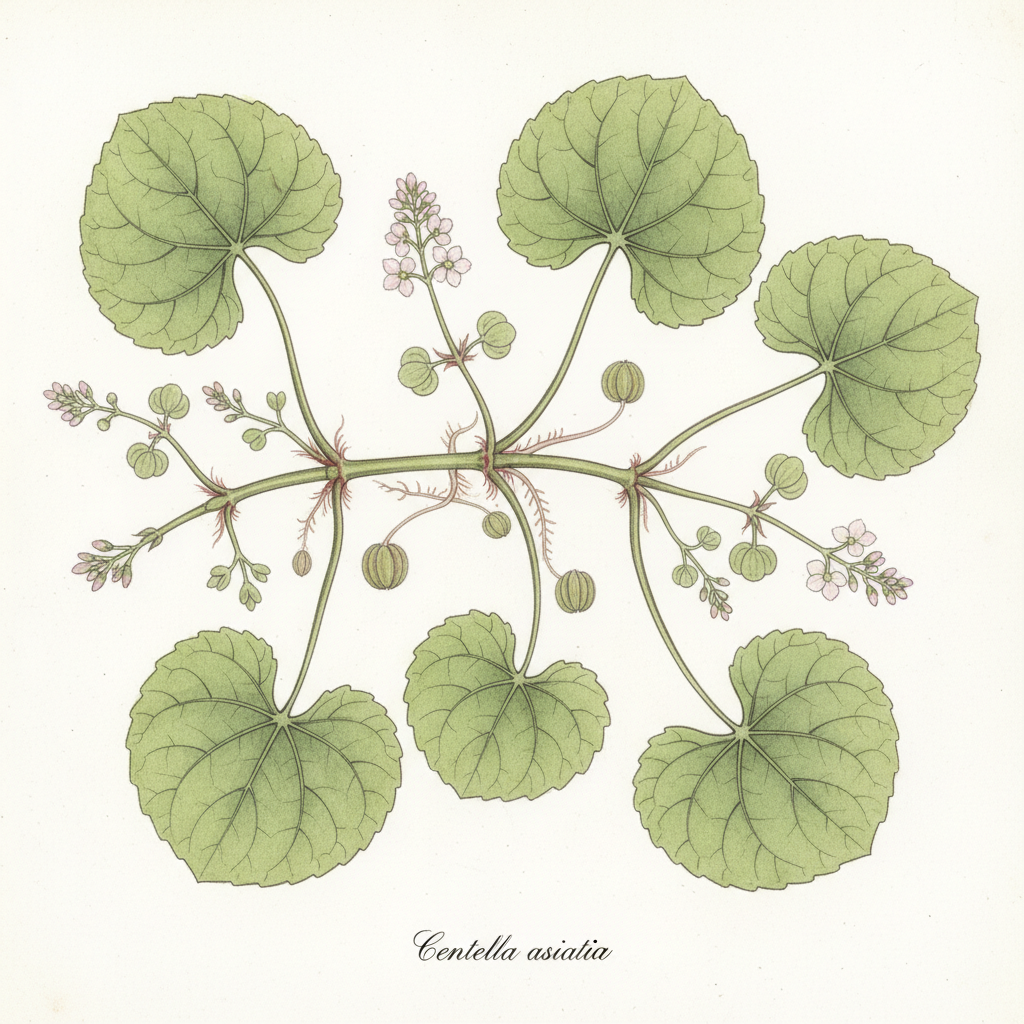
Gotu Kola

Gotu Kola

Centella asiatica

Cognitive Support
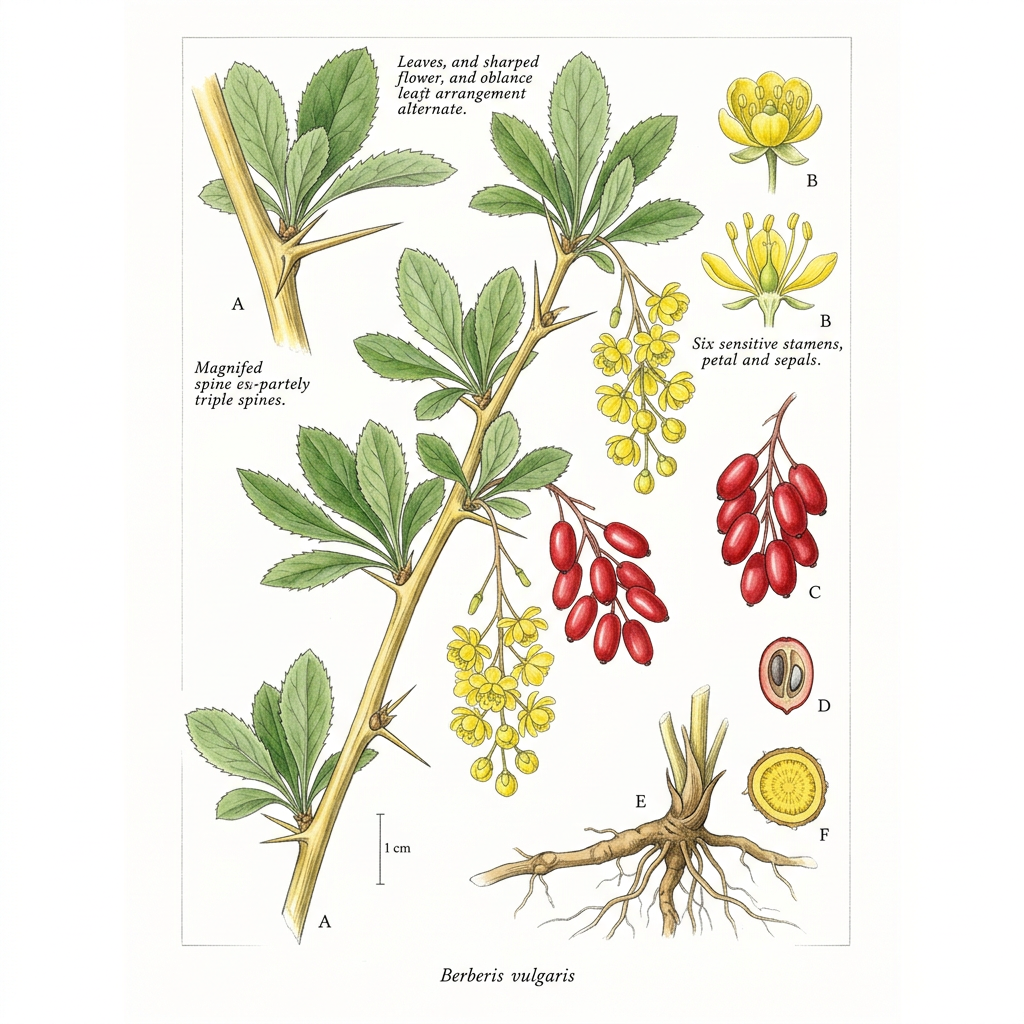
Barberry

Barberry

Berberis vulgaris

Digestive Aid
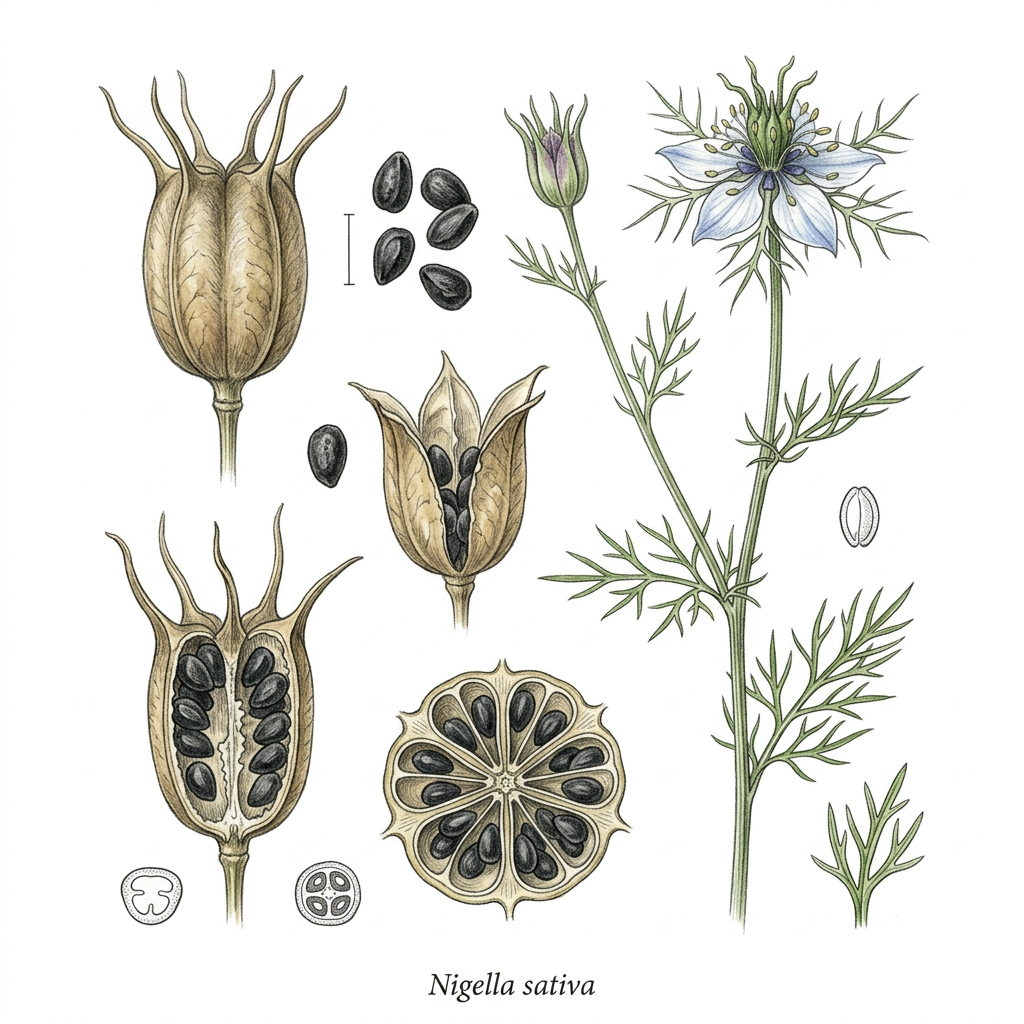
Black Seed

Black Seed

Nigella sativa

Immune Support
Chamomile

Chamomile

Matricaria recutita

Digestive Tonic