The Wild Sage logo
The Wild Sage Logo

Herbal Medicine at your fingertips

Comprehensive database of herbal remedies with detailed safety information and traditional uses

New to herbal terms? Read the glossary →
ADHD
Abcess
Acid Reflux Relief
Acinetobacter
Acne
Acne Vulgaris
Addisons
Adenomyosis
Adenovirus
Adrenal fatigue
Aging
Aids
Alcaligenes faecalis
Alcoholism
Allergic Rhinitis
Allergies
Allergy
Alopoecia
Alopoecia nervosa
Alzheimer's, Dementia & Cognitive Decline
420 herbs found
Important: This information is for educational purposes only. Always consult with qualified healthcare professionals before using herbal remedies, especially if you have existing health conditions or take medications.
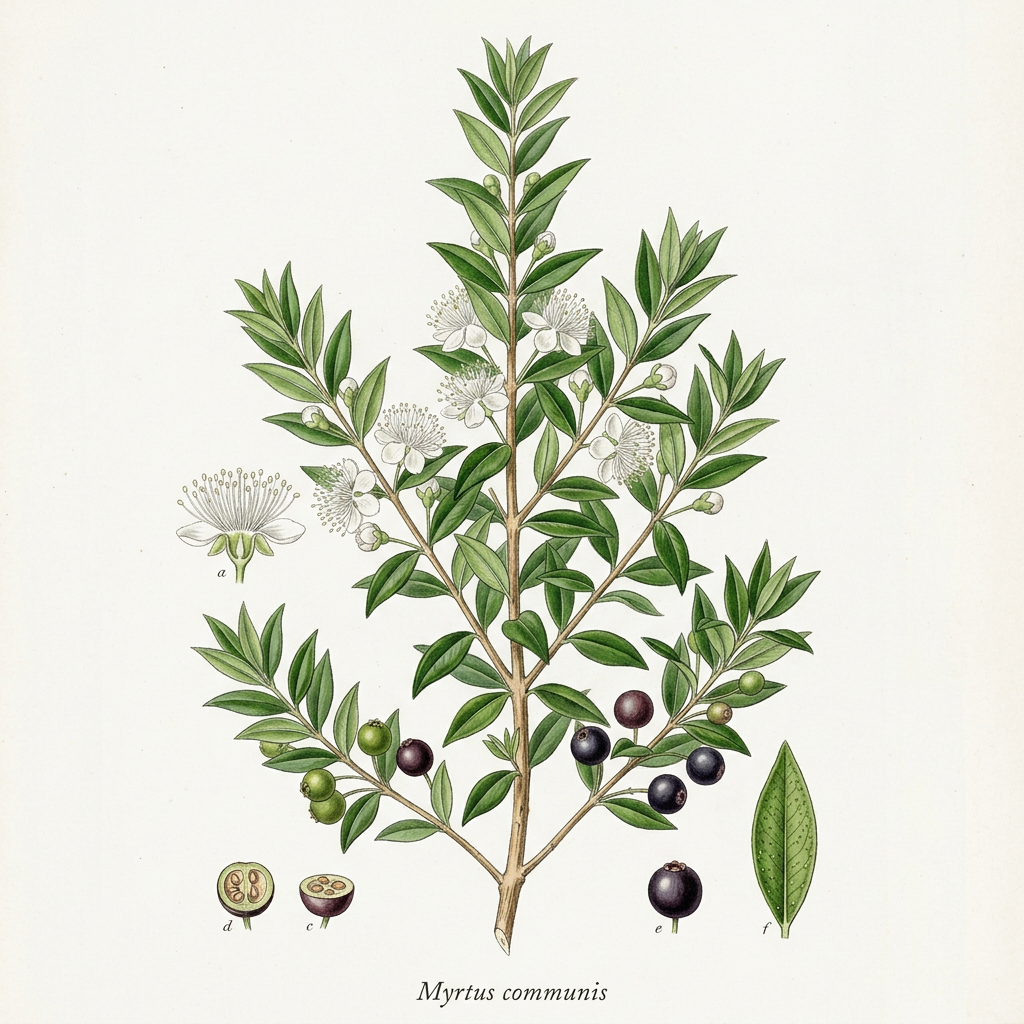
Myrtle

Myrtle

Myrtus communis

low risk Risk
Myrtaceae
cooling, moistening and astringent
<p>Myrtle, scientifically known as *Myrtus communis*, is an evergreen shrub native to the Mediterranean region, cherished since ancient times for its aromatic foliage and multifaceted uses. Historically, this herb has been steeped in tradition, symbolizing love, peace, and fertility. In ancient Greece and Rome, myrtle was not only used in religious rituals and as a decorative element in weddings but also as a potent herbal remedy. Traditional herbalists recognized its therapeutic potential, employing myrtle for a variety of ailments, including respiratory issues, digestive disturbances, and skin infections. Its rich folklore and historical significance underscore its enduring value in both symbolic and practical applications. Today, myrtle is acknowledged for its impressive therapeutic properties, particularly its antiseptic and respiratory support actions. The leaves and essential oil of myrtle are imbued with bioactive compounds such as flavonoids, tannins, and essential oils that contribute to its efficacy. The antiseptic qualities of myrtle make it a valuable asset in the management of skin conditions and wounds, as it helps to inhibit bacterial growth and promote healing. Additionally, myrtle's benefits extend to the respiratory system, where it can aid in alleviating symptoms associated with colds, bronchitis, and sinus congestion. Its expectorant properties facilitate the clearance of mucus, allowing for easier breathing and relief from congestion. Myrtle works in the body through a synergistic action of its active constituents. When ingested or applied topically, these compounds interact with bodily systems to promote health. For example, the essential oils present in myrtle stimulate mucous membranes and enhance respiratory function by reducing inflammation and relaxing bronchial muscles. Its antimicrobial properties not only empower the immune response but also support skin integrity, assisting in the repair of damaged tissues. The holistic nature of myrtle, combined with its historical roots and modern applications, makes it a remarkable herb worthy of exploration and integration into contemporary herbal practices.</p>

Uses & Conditions

Respiratory Support
Cognitive Support
Bacterial Infection
Fungal Infection
Neurodegenerative Disease
Liver Disease
Skin Conditions
Wound Healing
Digestive Disturbances
Cold Symptoms
Bronchitis
Sinus Congestion
Urinary Tract Disorders
Hypertension
Insomnia
Haemorrhoids
Dysentery
Cervical Dysplasia

Actions

Antiseptic
Anti-inflammatory
Antimicrobial
Anti-diabetic
Hepatoprotective
Antiviral
Antibacterial
Anti-fungal
Neuroprotective

Parts Used

Leaves
Essential oil
Berries

Native Countries

Mediterranean

USDA Hardiness Zones

USDA 8-10

Contraindications

  • Pregnancy: Avoid medicinal doses due to lack of safety data and potential uterine stimulation
  • Breastfeeding: Avoid use during lactation unless specifically advised by a medical practitioner
  • Children: Not recommended for internal use in young children due to high volatile oil content
  • Chronic kidney disease: Use with caution as certain components may stress renal function
  • Surgery: Discontinue use at least two weeks before elective surgery to avoid potential interference with anaesthesia

Potential Side Effects

  • Contact dermatitis or skin irritation with topical application
  • Gastrointestinal upset or nausea if taken in high doses
  • Potential respiratory irritation if essential oils are inhaled in excessive concentrations

Interactions

  • Antidiabetic medications: Myrtle may theoretically enhance blood glucose-lowering effects, potentially necessitating dosage adjustment
  • CNS depressants: Avoid concurrent use with sedatives or hypnotics to prevent excessive drowsiness

Dosages, tincture ratios & research — members only

Unlock Garreth's dosing guidance, tincture ratios, the dosage calculator and the research studies for Myrtle.

Your assessment and results stay saved — upgrading only unlocks more of them.

See membership plans

Community Photos

No community photos yet. Sign in to upload photos.

Reviews & Ratings

Sign in to leave a review.

No reviews yet. Be the first!

GF

Garreth Falls — B.Th., Dip. H.M., MNIMH

Content curated and reviewed by Garreth Falls, Consultant Medical Herbalist · The Wild Sage

Medical Disclaimer: This information is for educational purposes only and is not intended as medical advice. Always consult with qualified healthcare professionals before starting any herbal treatment.
Western tradition

Sustainability & quality

Abundant

Widespread in Mediterranean regions; readily available as a cultivated shrub. Ensure leaves are harvested from mature plants to maximise essential oil content.

Key constituents

Antioxidant, Phenolic compounds, Tannin, Essential oil

References

  1. ESCOP Monographs 2nd ed. 2003
  2. British Herbal Pharmacopoeia 1983
  3. Herbal Reality. Herb monographs. herbalreality.com

Reviewed by Garreth, Medical Herbalist (MNIMH) · November 2026

Related conditions

Explore conditions where Myrtle is traditionally used.

Related Herbs
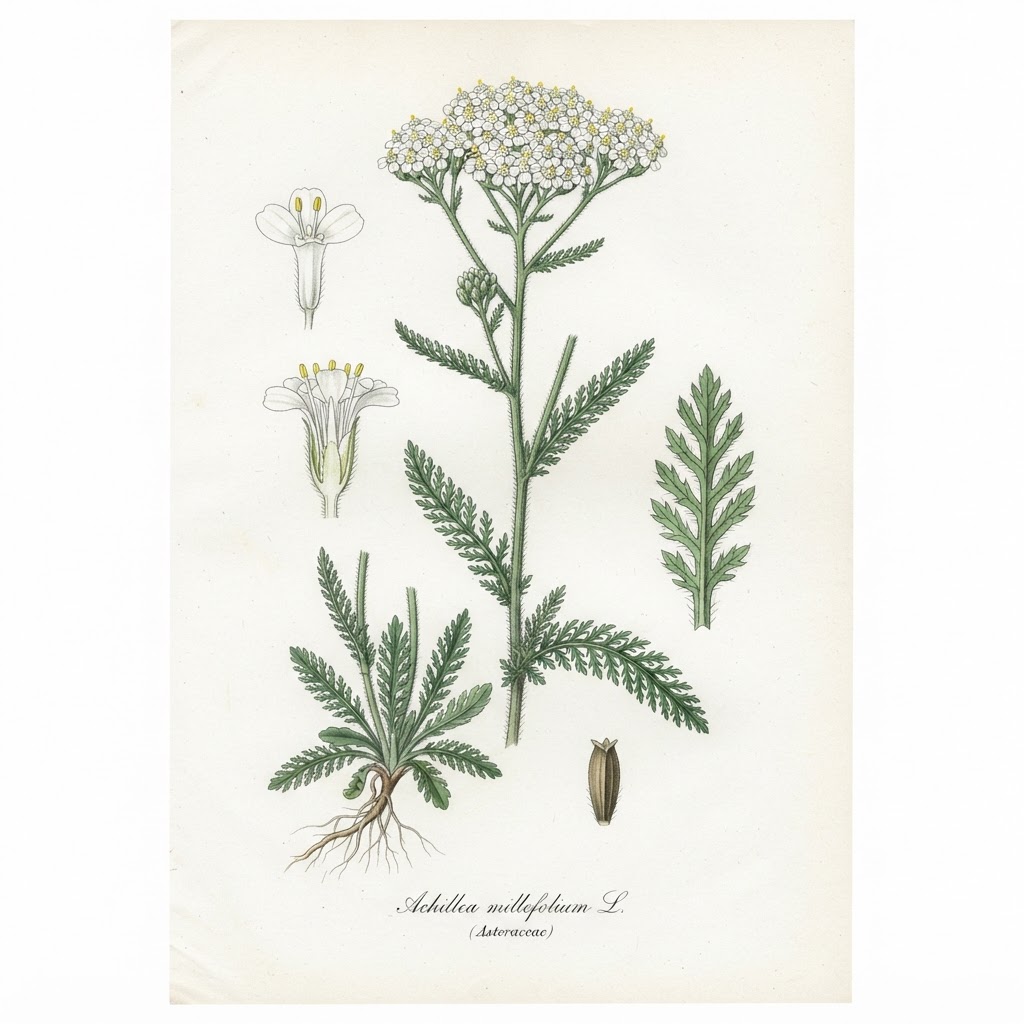
Yarrow

Yarrow

Achillea millefolium

Digestive Tonic
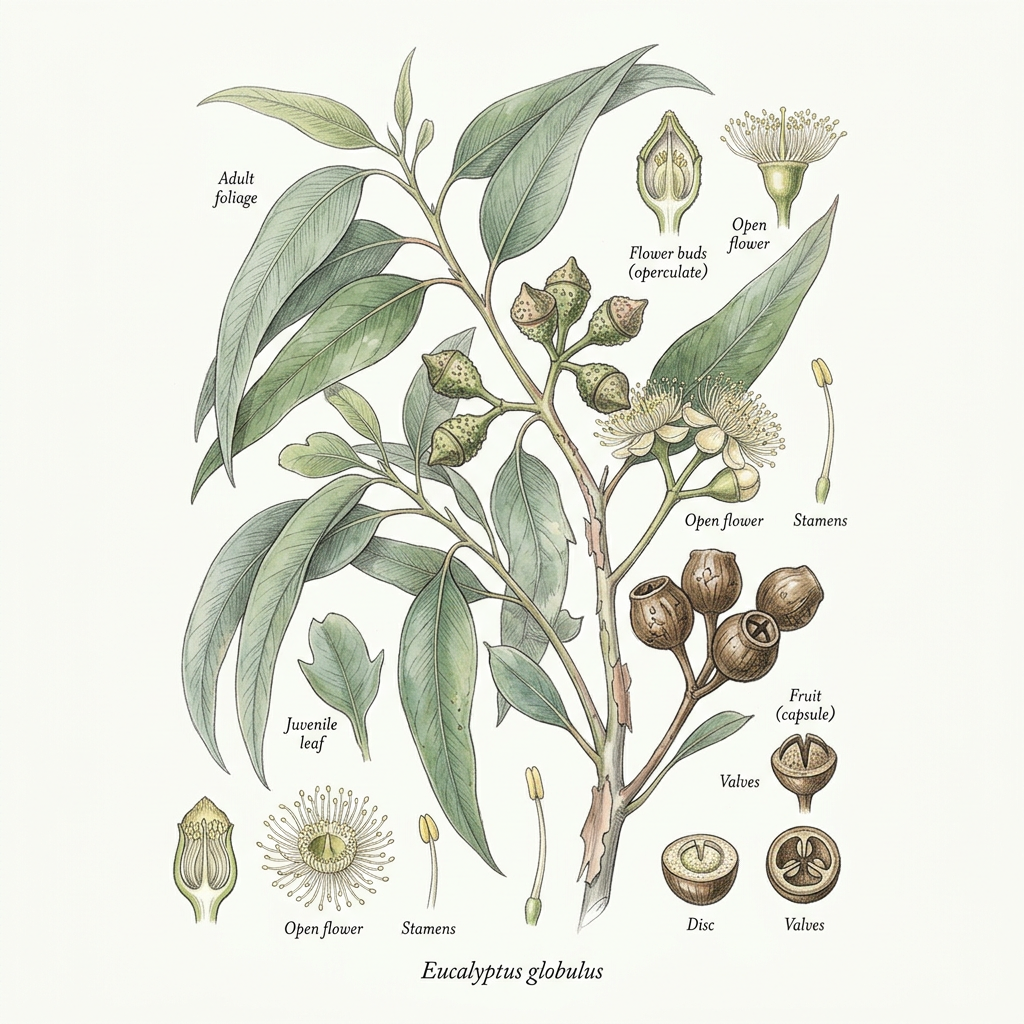
Eucalyptus

Eucalyptus

Eucalyptus globulus

Respiratory Support
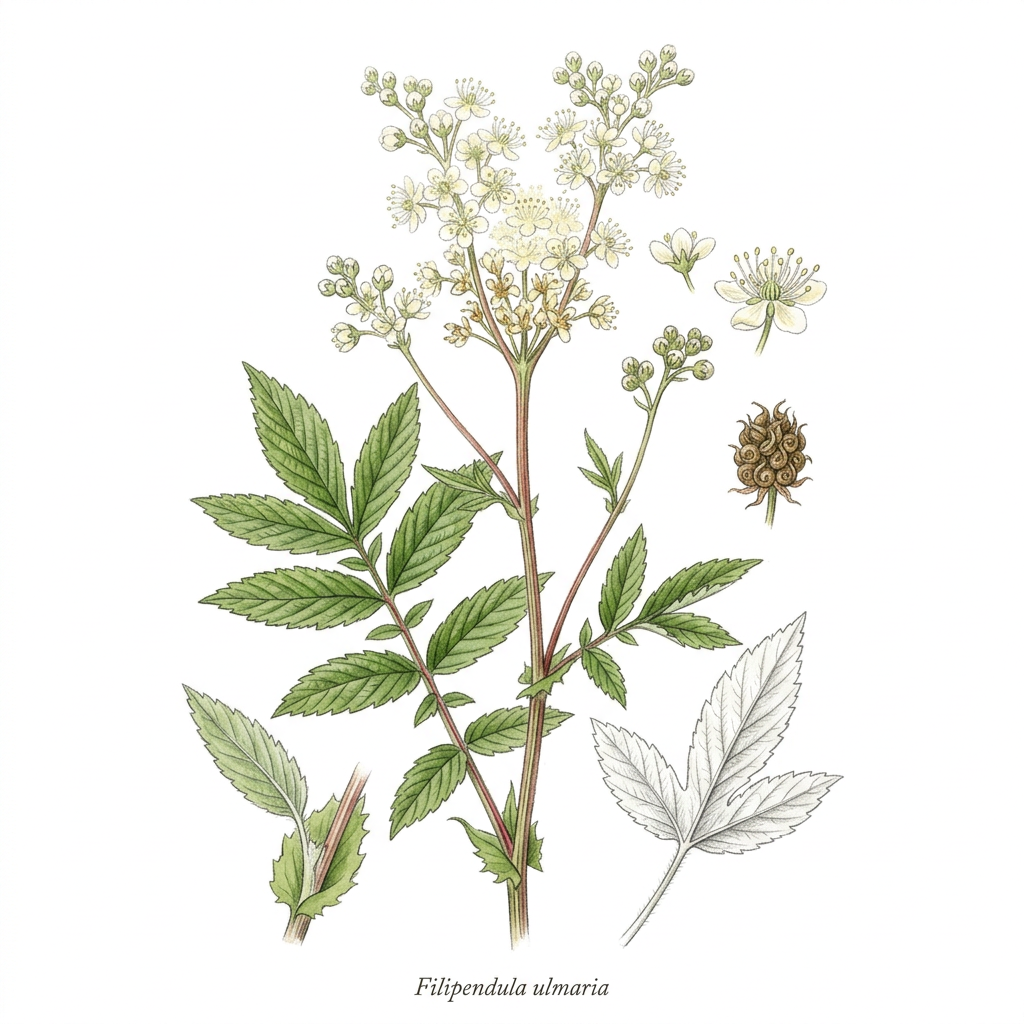
Filipendula ulmaria

Filipendula ulmaria
Filipendula ulmaria

Immune Support
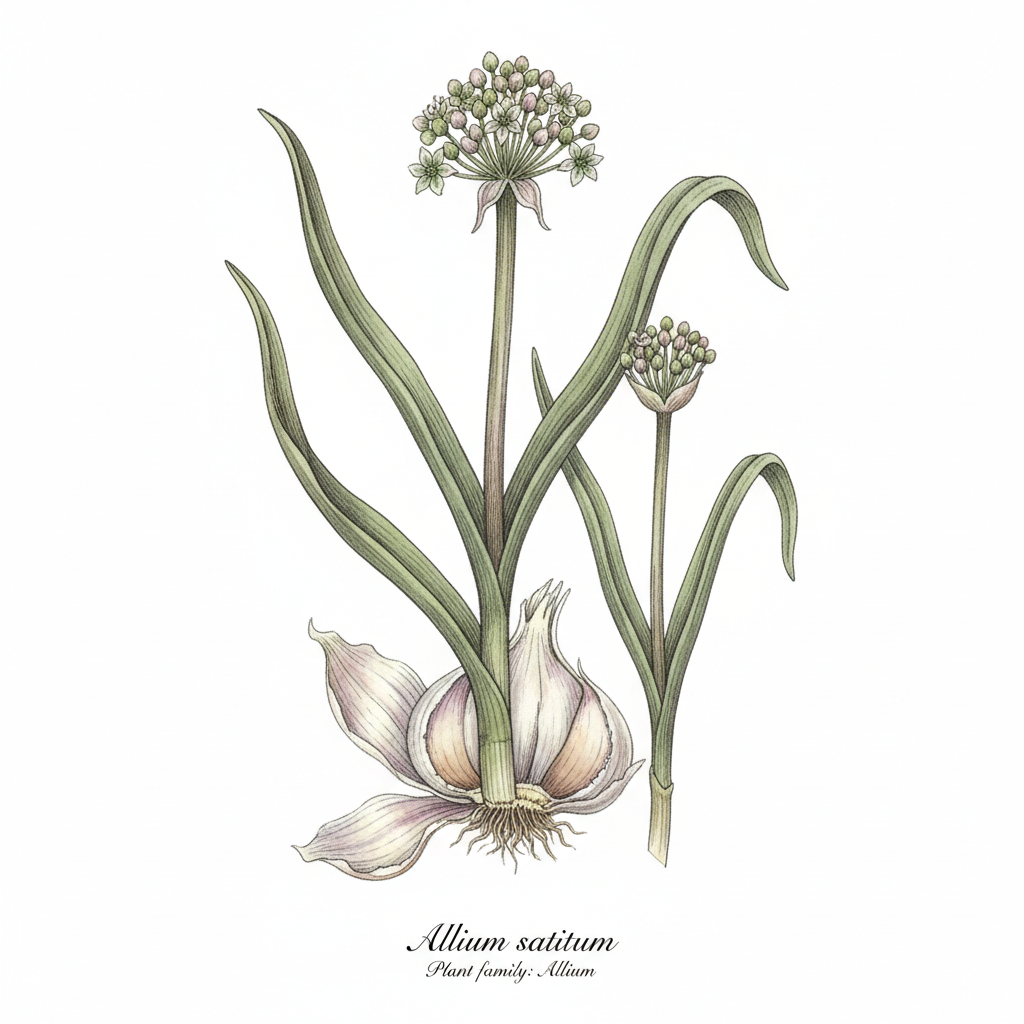
Garlic

Garlic

Allium sativum

Immune Support