The Wild Sage logo
The Wild Sage Logo

Herbal Medicine at your fingertips

Comprehensive database of herbal remedies with detailed safety information and traditional uses

New to herbal terms? Read the glossary →
ADHD
Abcess
Acid Reflux Relief
Acinetobacter
Acne
Acne Vulgaris
Addisons
Adenomyosis
Adenovirus
Adrenal fatigue
Aging
Aids
Alcaligenes faecalis
Alcoholism
Allergic Rhinitis
Allergies
Allergy
Alopoecia
Alopoecia nervosa
Alzheimer's, Dementia & Cognitive Decline
420 herbs found
Important: This information is for educational purposes only. Always consult with qualified healthcare professionals before using herbal remedies, especially if you have existing health conditions or take medications.
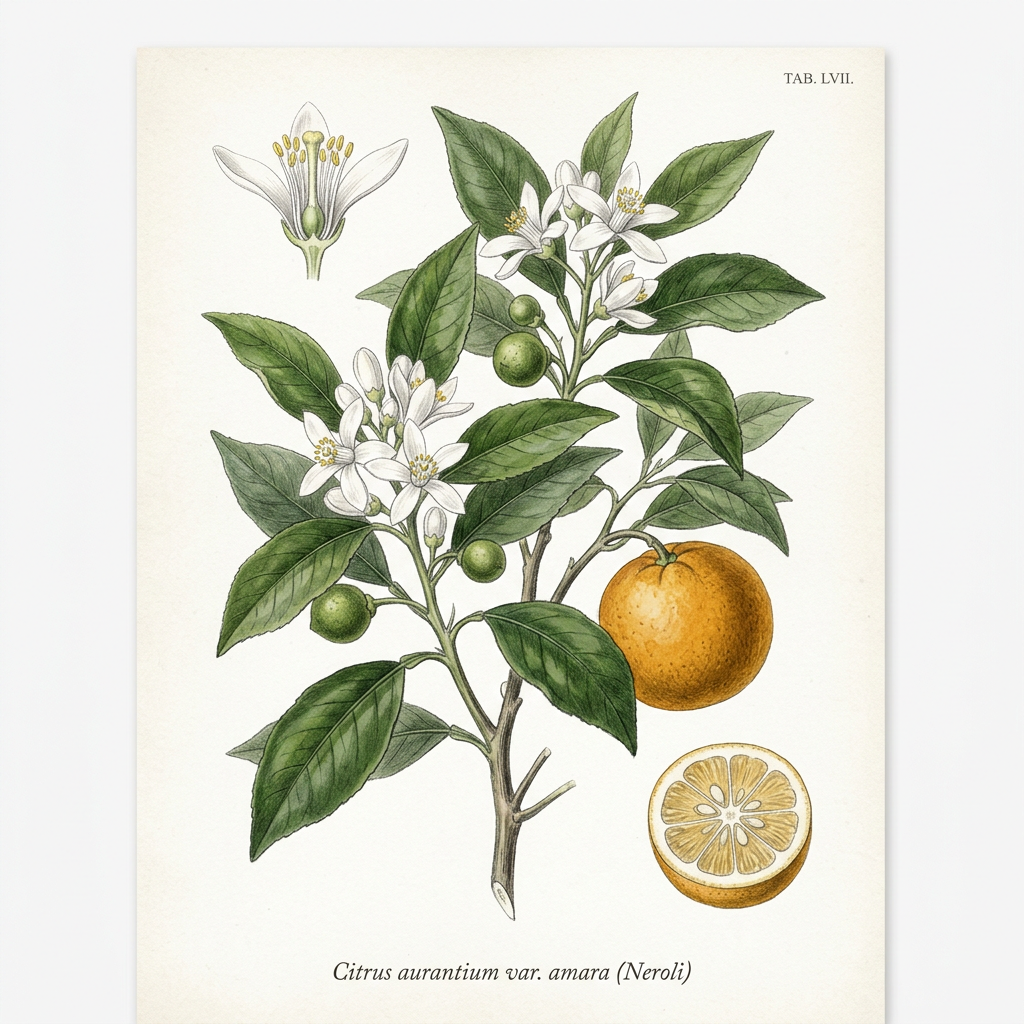
Neroli

Neroli

Citrus aurantium

low risk Risk
Rutaceae
<p>Neroli is derived from the flowers of the bitter orange tree, Citrus aurantium, a member of the Rutaceae family. This evergreen tree is native to Southeast Asia but has long been cultivated throughout the Mediterranean. The delicate, waxy white blossoms are harvested by hand in spring; their extraction yields a highly aromatic essential oil and a byproduct known as orange blossom water, both of which are central to traditional herbal and aromatic practice. Historically, the blossoms were prized for their intense floral fragrance, which was considered an effective remedy for hysteria and heart palpitations. It was also used in traditional perfumery and confectionery, often linked with purity and bridal traditions. Modern herbal practice values Neroli primarily for its profound nervine and antispasmodic properties. Research on the volatile constituents, such as linalool and linalyl acetate, suggests potential for modulating the autonomic nervous system, supporting a calming effect on the heart rate and respiration. In clinical practice, Neroli is frequently employed to support patients experiencing anxiety, emotional shock, or mild insomnia. It is often combined with other nervines like Melissa or Matricaria to address nervous exhaustion or digestive upset that is psychosomatically linked. While clinical evidence remains largely focused on aromatherapy applications, its role as a gentle, restorative tonic for the nervous system is well-regarded within the tradition of Western herbal medicine.</p>

Uses & Conditions

Mood Enhancement
Skin Health
Stress
Low Mood
Depression

Actions

Anxiolytic
Sedative
Anti-inflammatory
Anti-fungal
Anti-bacterial

Parts Used

Fresh flowers
Essential oil derived from flowers

Native Countries

Italy
Tunisia
Morocco
Algeria
Egypt

USDA Hardiness Zones

9
10

Contraindications

  • Avoid undiluted essential oil application to skin
  • Exercise caution in pregnancy; consult a practitioner
  • Discontinue two weeks prior to surgery
  • Not recommended for internal use in children without professional supervision
  • Photosensitivity may occur with high topical concentrations before UV exposure

Potential Side Effects

  • Mild contact dermatitis
  • Headache or dizziness if inhaled in high concentrations
  • Nausea if ingested in excessive quantities

Interactions

  • Sedative medications: may potentiate benzodiazepines or CNS depressants
  • Antihypertensive drugs: potential synergistic effect
  • CYP3A4 substrates: use caution if taking medications metabolised by this pathway

Dosages, tincture ratios & research — members only

Unlock Garreth's dosing guidance, tincture ratios, the dosage calculator and the research studies for Neroli.

Your assessment and results stay saved — upgrading only unlocks more of them.

See membership plans

Community Photos

No community photos yet. Sign in to upload photos.

Reviews & Ratings

Sign in to leave a review.

No reviews yet. Be the first!

GF

Garreth Falls — B.Th., Dip. H.M., MNIMH

Content curated and reviewed by Garreth Falls, Consultant Medical Herbalist · The Wild Sage

Medical Disclaimer: This information is for educational purposes only and is not intended as medical advice. Always consult with qualified healthcare professionals before starting any herbal treatment.
Western tradition

Sustainability & quality

Cultivated

A byproduct of the citrus industry; ensure sourcing is from organic-managed groves to avoid residual pesticides.

Key constituents

Terpenes, Farnesol, Geraniol monoterpene, Linalol, Linalyl acetate, limonene, Methyl Antranilate, Menthylacetate, Nerol, Neryl acetate, phenylacetic acid, Terpineol

References

  1. Herbal Reality. Herb monographs. herbalreality.com

Reviewed by Garreth, Medical Herbalist (MNIMH) · November 2026

Related conditions

Explore conditions where Neroli is traditionally used.

Related Herbs
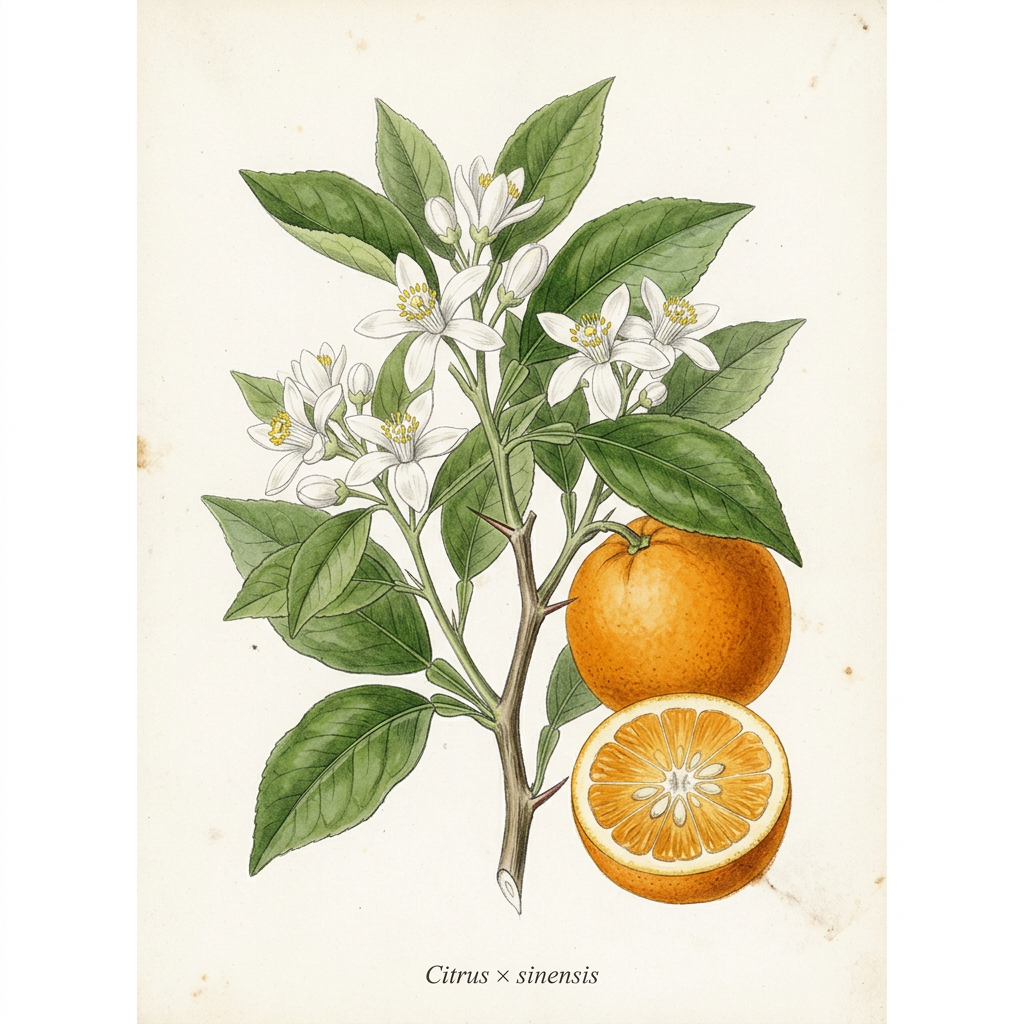
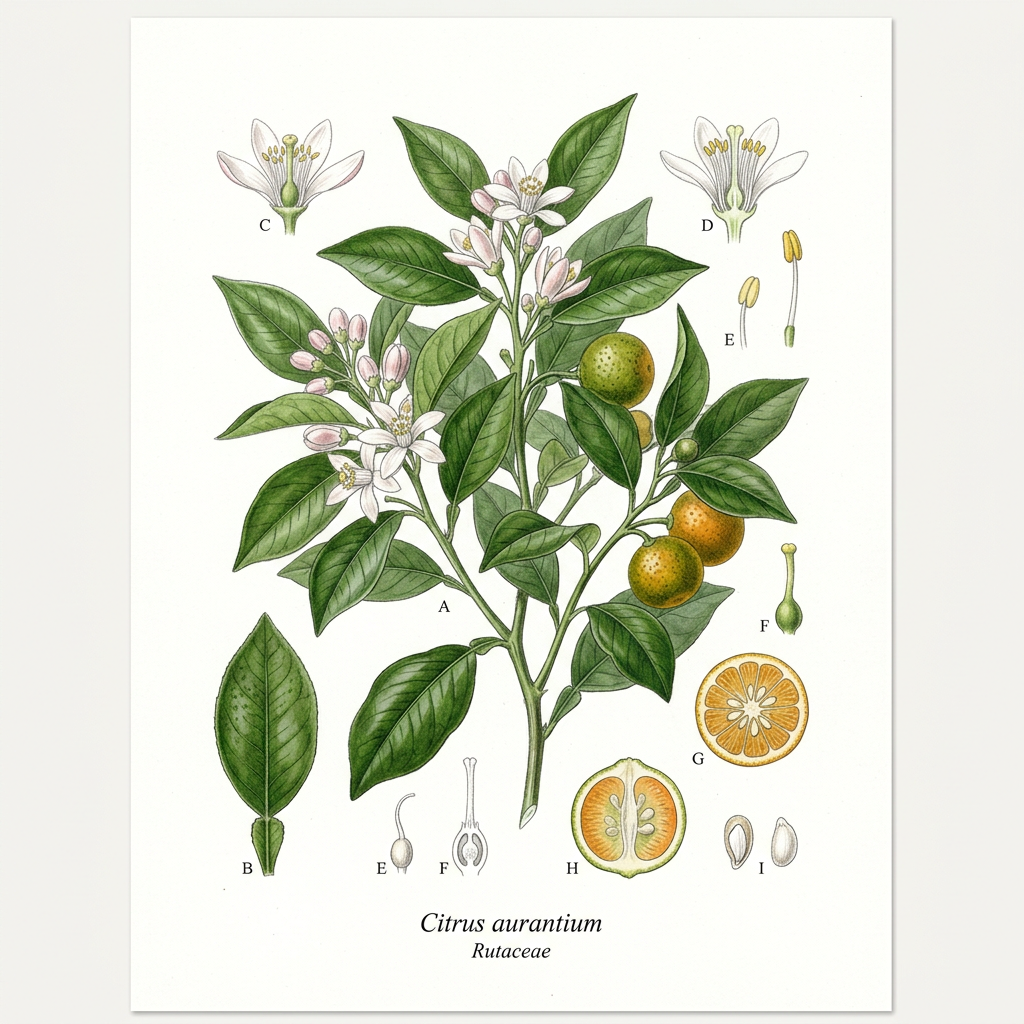
Orange

Orange

Citrus sinensis

Immune Support
Petigrain

Petigrain

Citrus aurantium

Mood Support
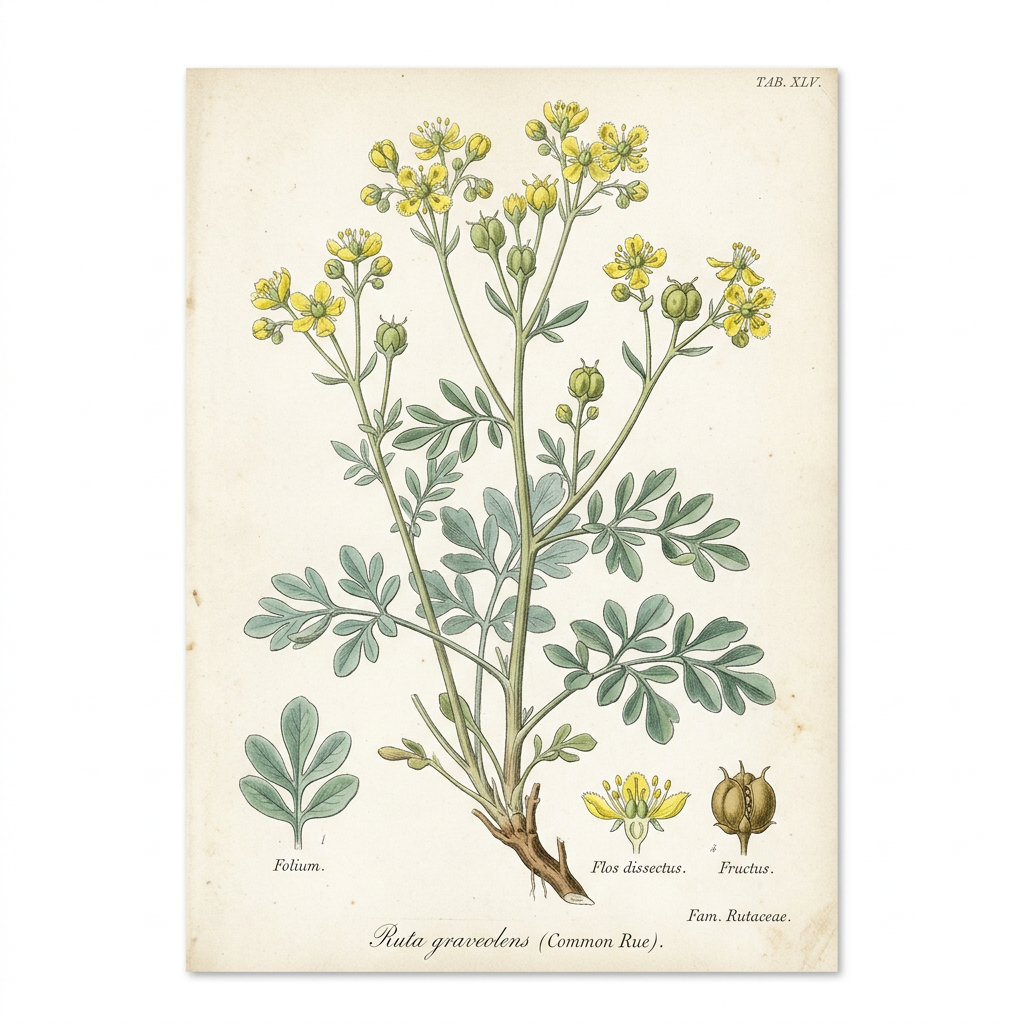
Rue

Rue

Ruta graveolens

Mood Enhancement
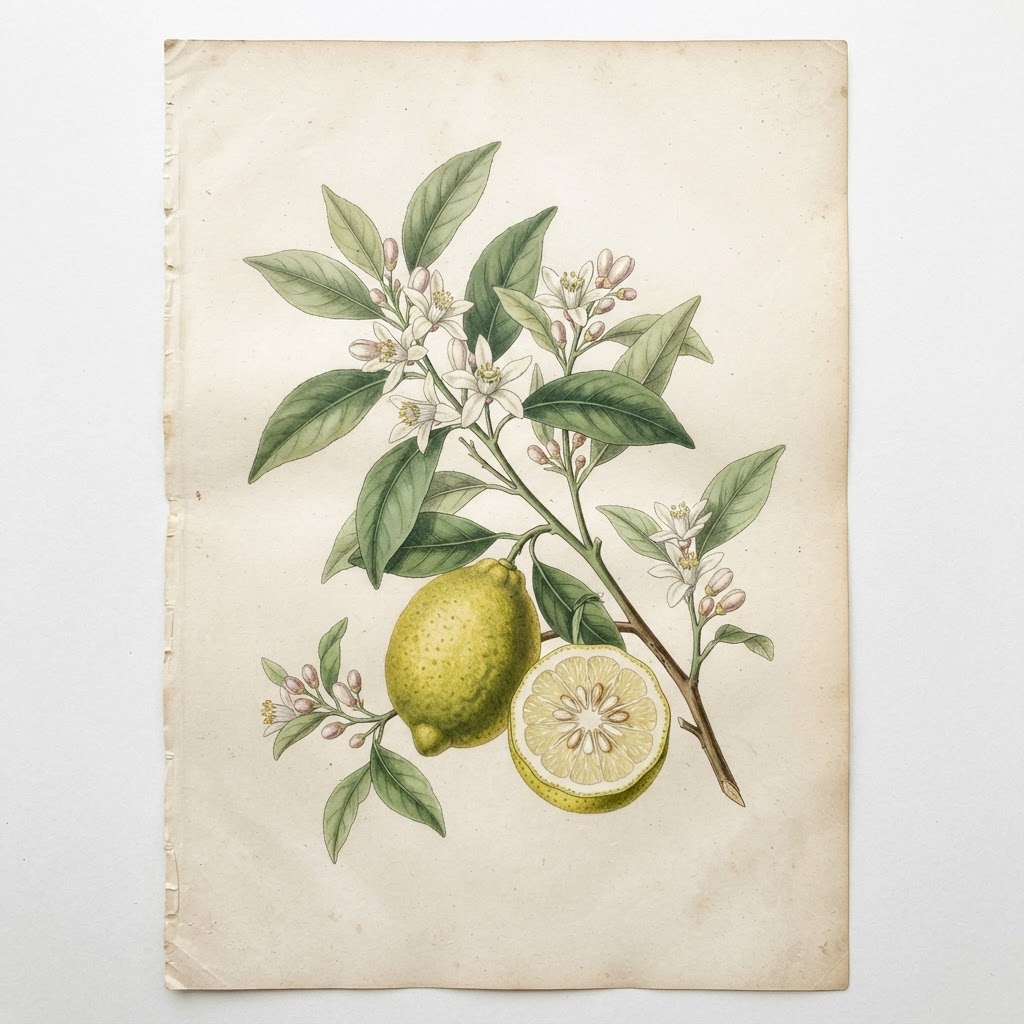
Bergamot

Bergamot

Citrus bergamia

Emotional Wellbeing