The Wild Sage logo
The Wild Sage Logo

Herbal Medicine at your fingertips

Comprehensive database of herbal remedies with detailed safety information and traditional uses

New to herbal terms? Read the glossary →
ADHD
Abcess
Acid Reflux Relief
Acinetobacter
Acne
Acne Vulgaris
Addisons
Adenomyosis
Adenovirus
Adrenal fatigue
Aging
Aids
Alcaligenes faecalis
Alcoholism
Allergic Rhinitis
Allergies
Allergy
Alopoecia
Alopoecia nervosa
Alzheimer's, Dementia & Cognitive Decline
420 herbs found
Important: This information is for educational purposes only. Always consult with qualified healthcare professionals before using herbal remedies, especially if you have existing health conditions or take medications.
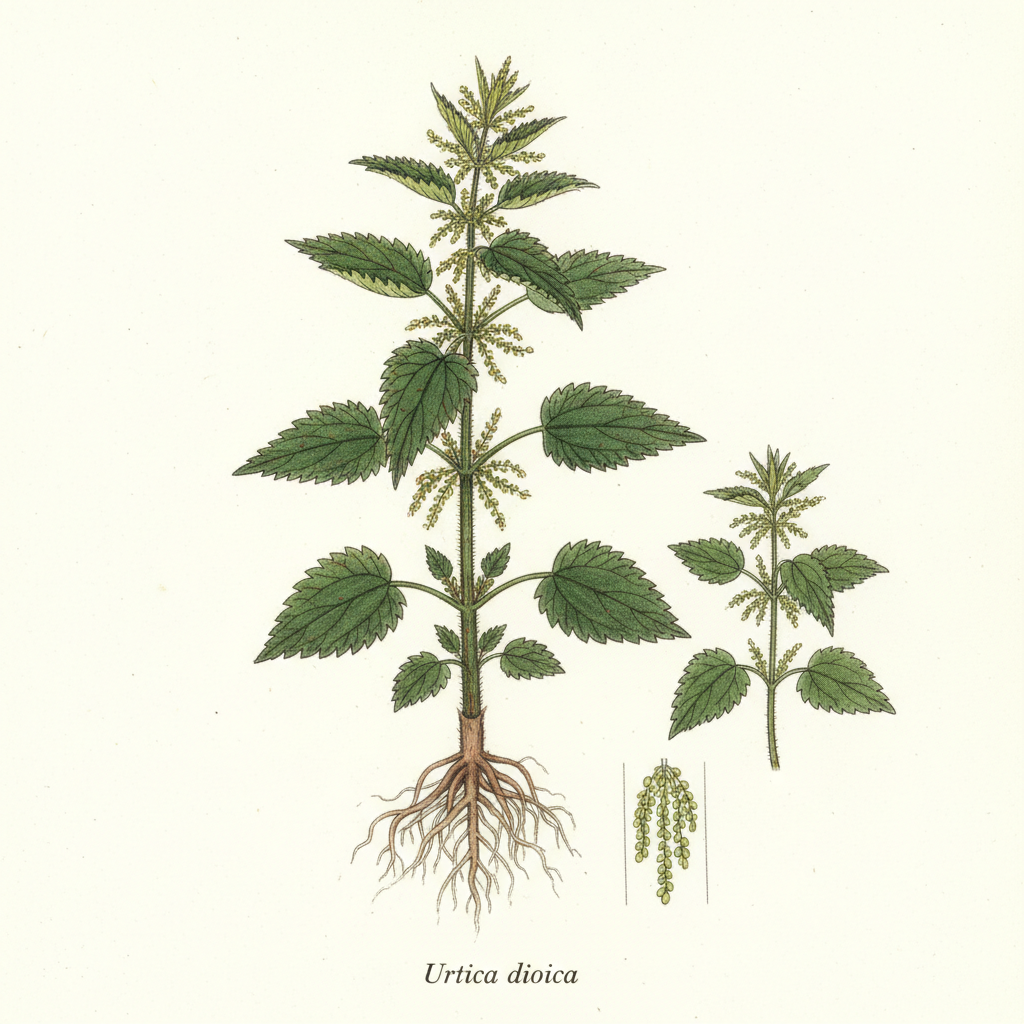
Nettle

Nettle

Urtica dioica

low risk Risk
Urticaceae
Cooling and moistening, effective for heat, inflammation, and urinary issues.
<p>Nettle, widely recognized for its distinctive stinging hairs, is a perennial herb that has been revered for centuries in traditional medicine across various cultures. Native to Europe, Asia, and North America, Urtica dioica has found its place in the folklore of herbal remedies, where it was utilized for a myriad of purposes ranging from food to treatment for various ailments. Historically, nettle has been employed as a remedy for allergies, arthritis, and respiratory conditions, while its young leaves served as a nutritional food source, rich in vitamins A, C, K, and several B vitamins, in addition to essential minerals such as iron, calcium, and magnesium. Its use dates back to ancient Roman times, where it was recognized for its intricate balance of beneficial effects and its role in promoting overall health. Nettle is lauded for its broad spectrum of therapeutic actions that contribute to its applications in modern herbalism. The plant exhibits anti-inflammatory and anti-rheumatic properties, making it an excellent ally for those suffering from joint disorders and inflammation. Additionally, nettle’s astringent qualities aid in managing conditions like excessive bleeding and swelling. Its diuretic action is beneficial for kidney function and fluid balance, while its capacity to inhibit sex hormone binding globulin makes it particularly advantageous for male health, especially concerning prostate function. Furthermore, nettle is often recognized as a natural support for managing allergy symptoms due to its ability to stabilize mast cells and reduce histamine response in the body. The therapeutic effects of nettle can be attributed to its unique phytochemical composition, which includes flavonoids, phenolic acids, and a variety of vitamins and minerals. These constituents work synergistically to enhance the herb’s anti-inflammatory and nutritive properties. For instance, nettle's anti-inflammatory action helps to reduce swelling and pain by inhibiting inflammatory pathways, providing relief for conditions like osteoarthritis and rheumatoid arthritis. When consumed, the bioactive compounds assist in modulating immune responses, thereby alleviating allergy symptoms, while its diuretic effects support urinary tract health. Furthermore, the presence of essential nutrients aids in bolstering overall vitality, promoting wellness, and supporting prostate health. As such, nettle stands out not only as a herbal remedy but as a powerhouse of nutrition, making it a valuable addition to any herbalist’s toolkit.</p>

Uses & Conditions

Convalescence
Nutrition Support
Fluid Balance
Prostate Health
Osteoarthritis
Gout
Allergies
Urticaria
Acne
Allergic Rhinitis
Hypertension
Dermatitis
Joint Pain
Benign Prostatic Hyperplasia
Eczema
Epistaxis
Exhaustion and Fatigue

Actions

Anti-inflammatory
Nutritive
Astringent
Diuretic
Anti-rheumatic
Anti-gout
Sex Hormone Binding Globulin Inhibitor
Antiaromatase
5a-Reductase Inhibition
NFkB Inhibitor
TNF-a Reduction
Male Sexual Tonic

Synonyms

Nettle
Stinging nettle

Parts Used

Leaves
Roots
Seeds
Whole plant

Native Countries

Europe
Northern Europe

USDA Hardiness Zones

USDA 3-9
USDA 4-10
USDA 5-11

Preparations & Dosage

  • Infusion (Leaf): 1.5g of dried herb in 150ml boiling water, 3 times daily
  • Tincture (Leaf): 1:5, 45% ethanol, 2-6 ml three times daily
  • Decoction (Root): 1.5g of dried root, 3-4 times daily
  • Topical: Freshly pressed juice or infused oil applied to affected areas

Maximum weekly dose: 20-100g

Contraindications

  • Pregnancy due to potential uterine stimulant effects
  • Breastfeeding in the absence of clinical safety data
  • Severe cardiac or renal oedema
  • Hypersensitivity to Urticaceae family members
  • Consult a practitioner before combining with hormone-sensitive therapies

Potential Side Effects

  • Mild gastrointestinal upset or nausea on an empty stomach
  • Minor skin irritation or contact dermatitis from raw fresh plant hairs
  • Increased urinary frequency

Interactions

  • Warfarin and other blood-thinning agents due to high vitamin K content
  • Diuretic medications may potentiate fluid loss and electrolyte imbalance
  • Antihypertensive drugs may show synergistic effects leading to blood pressure drops
  • Sedatives and CNS depressants have a theoretical additive effect with root extracts
  • Diabetes medication may result in enhanced hypoglycaemic effects

Dosage Calculator

Community Photos

No community photos yet. Sign in to upload photos.

Reviews & Ratings

Sign in to leave a review.

No reviews yet. Be the first!

GF

Garreth Falls — B.Th., Dip. H.M., MNIMH

Content curated and reviewed by Garreth Falls, Consultant Medical Herbalist · The Wild Sage

Medical Disclaimer: This information is for educational purposes only and is not intended as medical advice. Always consult with qualified healthcare professionals before starting any herbal treatment.
Western tradition

Sustainability & quality

Abundant

A prolific native species. Avoid harvesting from areas prone to pollution or heavy road traffic.

Key constituents

Histamine, formic acid, acetylcholine, 5-hydroxytryptamine, glucoquinones, aromatase inhibitor, Vitamins, Minerals, Zinc, 2-methylhepten-(2)-on(6), acetic acid, acetophenone, alpha-tocopherol, aluminium arsenic, ascorbic acid, Beta-carotene, betaine, boron, bromine, butyric acid, cadmium, Caffeic acid, Calcium, carbohydrates, Cellulose

References

  1. ESCOP Monographs 2nd ed. 2003
  2. EMA/HMPC Community Herbal Monograph
  3. British Herbal Pharmacopoeia 1983
  4. Herbal Reality. Herb monographs. herbalreality.com

Reviewed by Garreth, Medical Herbalist (MNIMH) · November 2026

Related conditions

Explore conditions where Nettle is traditionally used.

Related Herbs
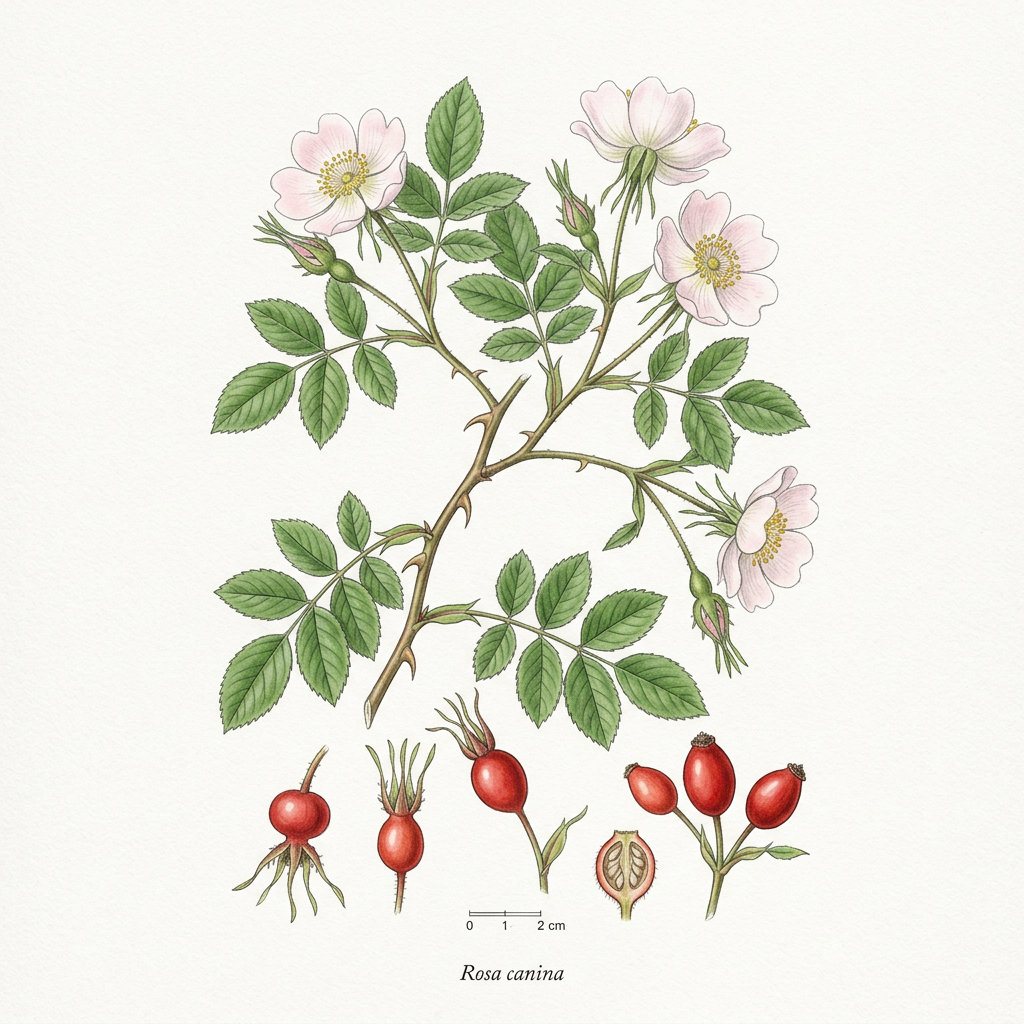
Dog rose

Dog rose

Rosa canina

Immune Support
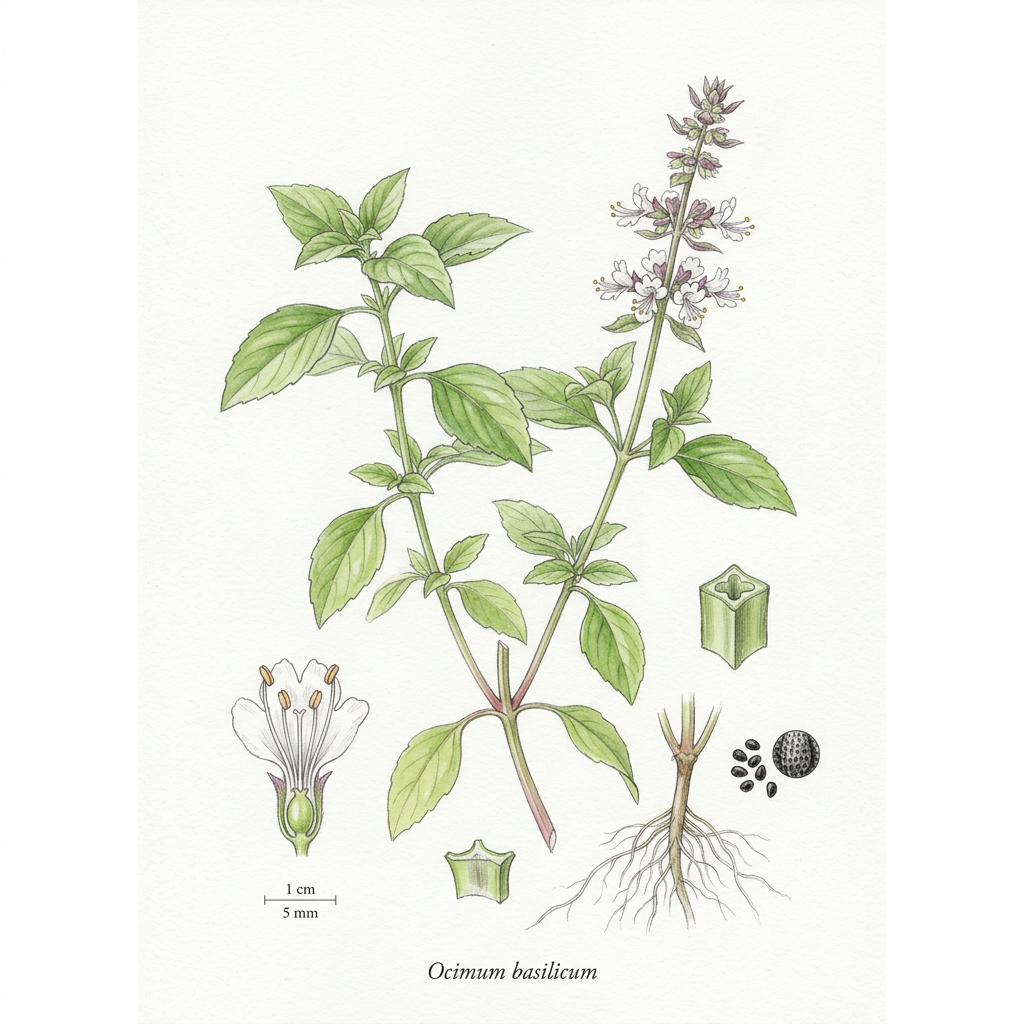
Basil

Basil

Ocimum basilicum

Convalescence
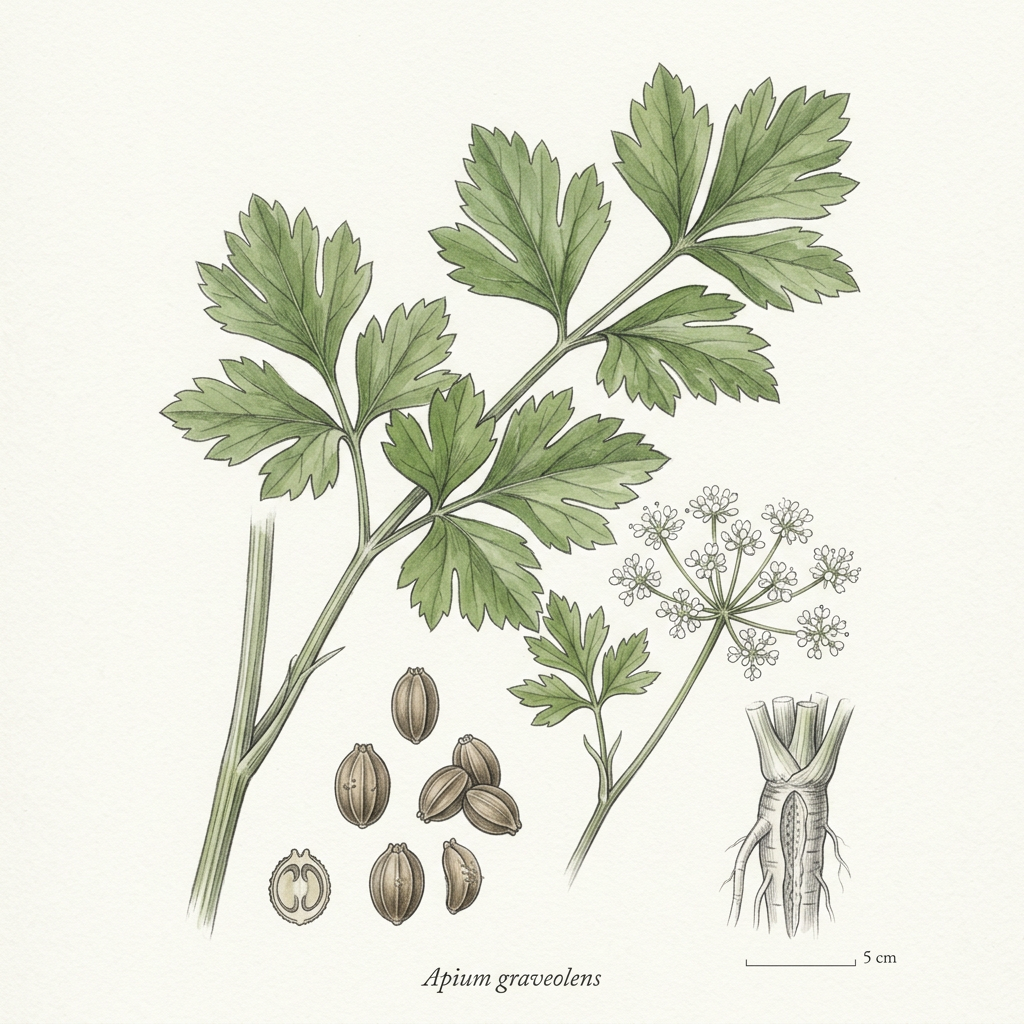
Celery Seed

Celery Seed

Apium graveolens

Digestive Aid
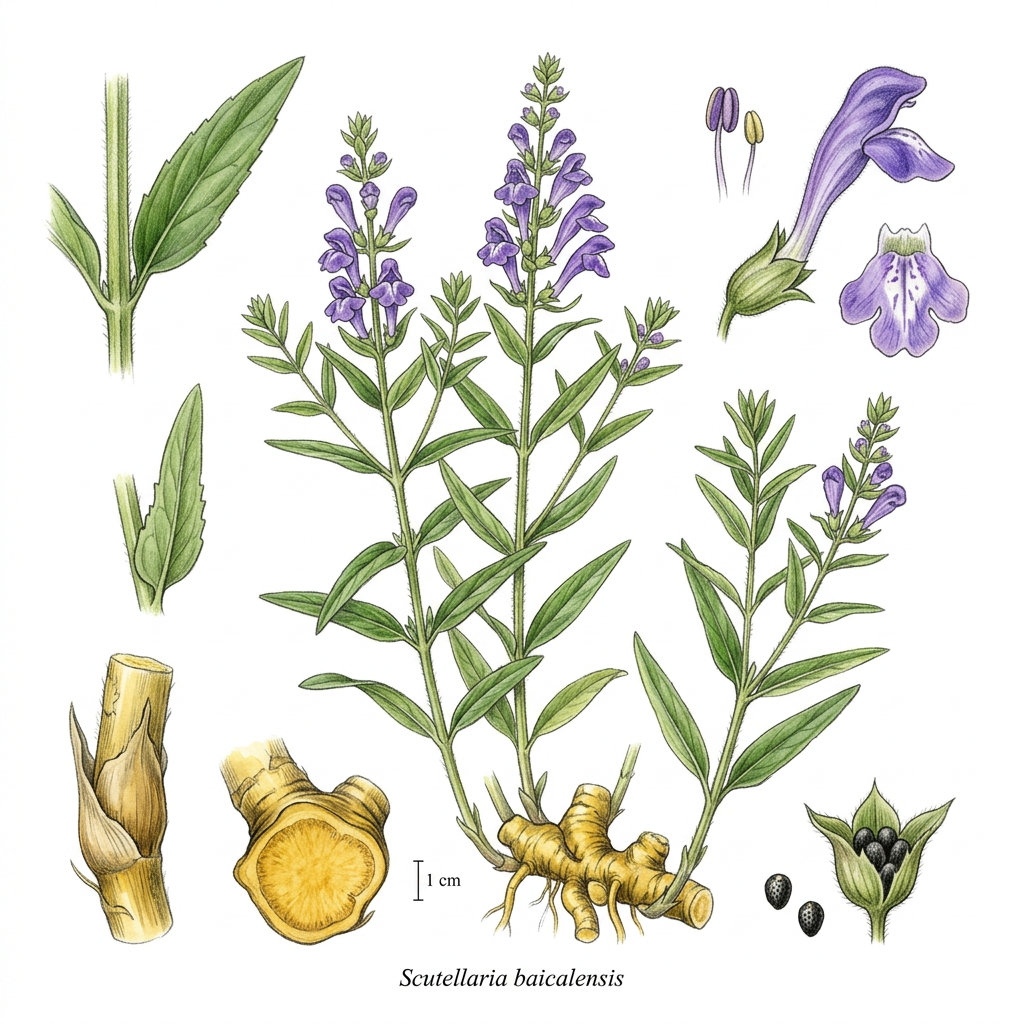
Chinese Skullcap

Chinese Skullcap

Scutellaria baicalensis

Immune Support