The Wild Sage logo
The Wild Sage Logo

Herbal Medicine at your fingertips

Comprehensive database of herbal remedies with detailed safety information and traditional uses

New to herbal terms? Read the glossary →
ADHD
Abcess
Acid Reflux Relief
Acinetobacter
Acne
Acne Vulgaris
Addisons
Adenomyosis
Adenovirus
Adrenal fatigue
Aging
Aids
Alcaligenes faecalis
Alcoholism
Allergic Rhinitis
Allergies
Allergy
Alopoecia
Alopoecia nervosa
Alzheimer's, Dementia & Cognitive Decline
420 herbs found
Important: This information is for educational purposes only. Always consult with qualified healthcare professionals before using herbal remedies, especially if you have existing health conditions or take medications.
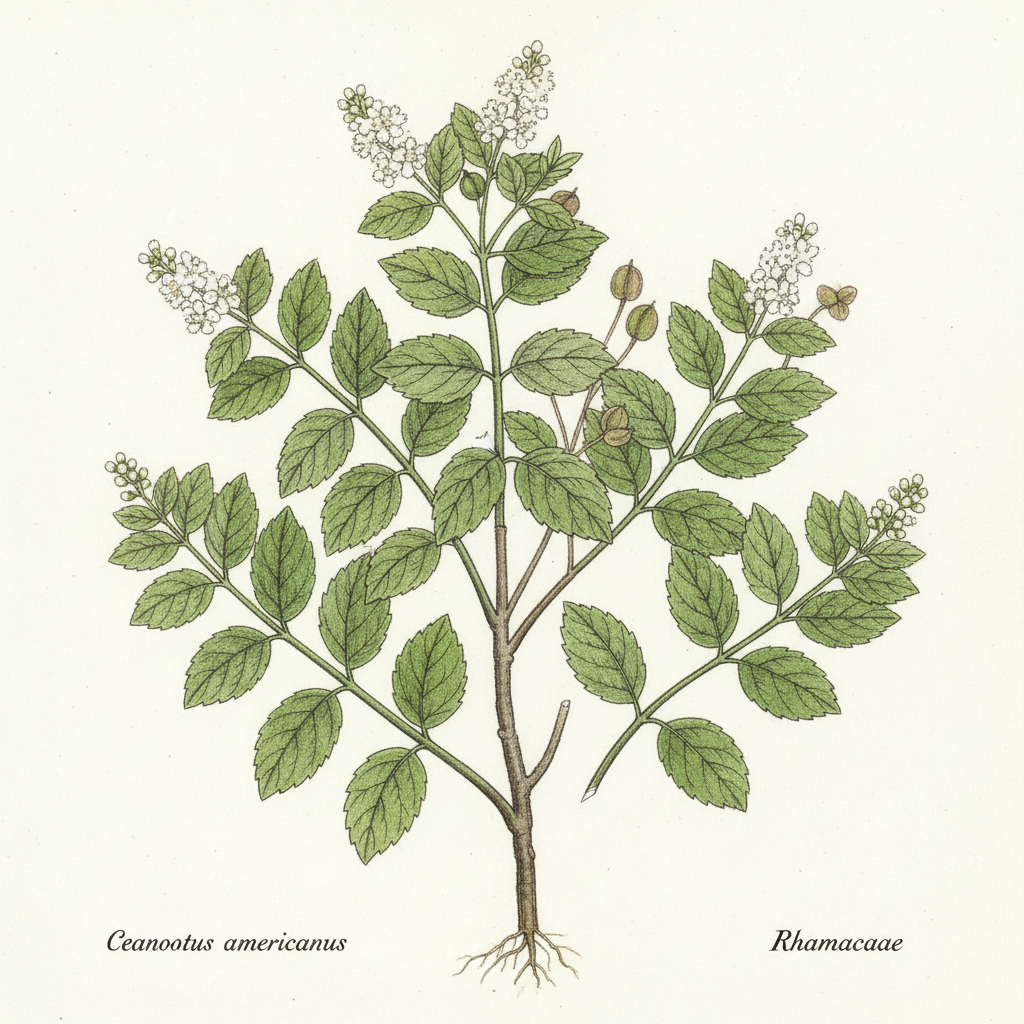
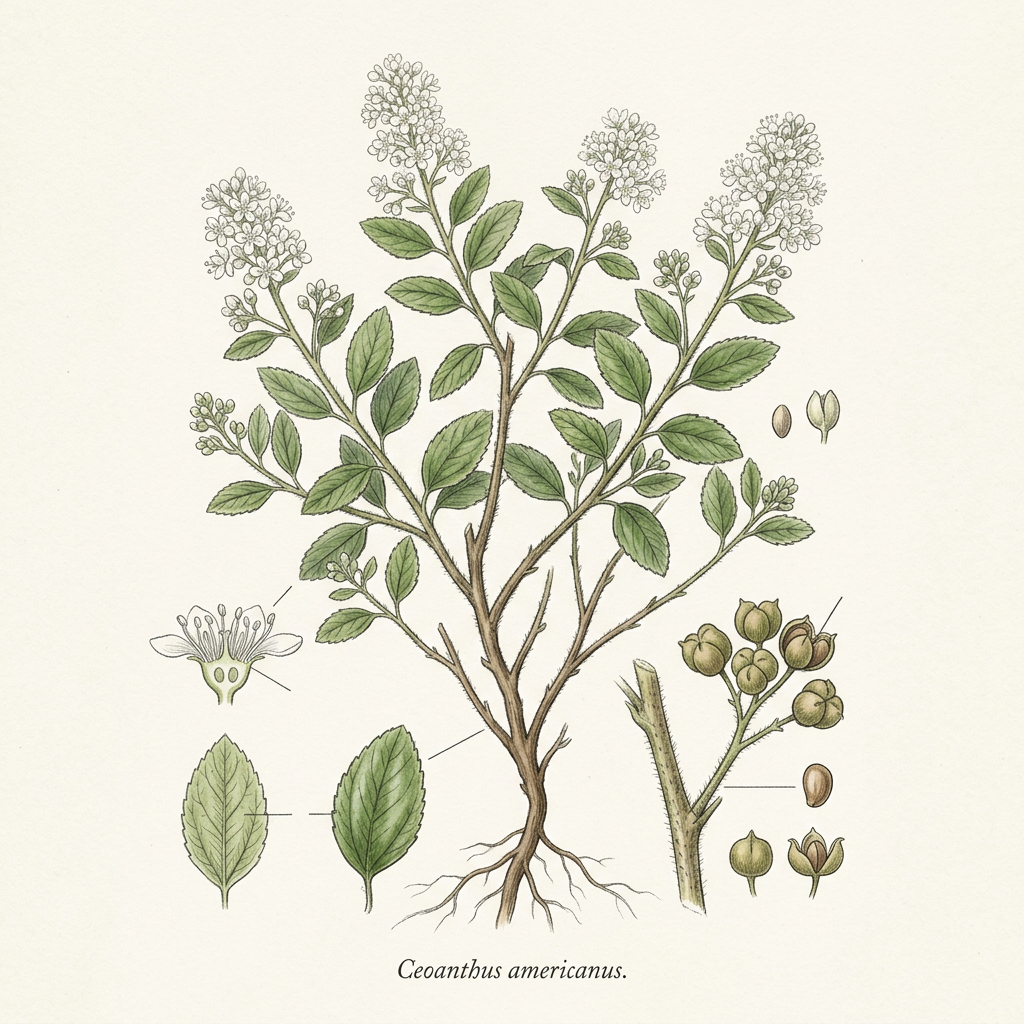
New Jersey Tea

New Jersey Tea

Ceanothus americanus

low risk Risk
Rhamnaceae
Cool and moist
<p>Ceanothus americanus, commonly known as New Jersey Tea, is a deciduous shrub belonging to the Rhamnaceae family. Native to North America, particularly found in the eastern United States and parts of Canada, it has a long-standing history of use among Indigenous peoples and early settlers. Historically, the leaves of Ceanothus americanus were brewed into a tea as a caffeine substitute, particularly during the American Revolutionary War, which is how it received its common name. Its traditional medicinal applications encompass a range of uses, particularly for treating various ailments related to the lymphatic system and blood health. One of the key therapeutic properties of Ceanothus americanus lies in its ability to support the lymphatic system. Herbalists recognize its action in alleviating portal congestion and managing conditions like splenomegaly, which involves the enlargement of the spleen often associated with infections or blood disorders. This shrub contains active compounds that are thought to enhance lymph node function and promote the drainage of lymphatic fluid, thereby alleviating tenderness and swelling in the lymphatic tissues. Additionally, it has demonstrated a mild diuretic effect, which can aid in the excretion of waste products and toxins, further promoting overall health. In terms of how Ceanothus americanus works in the body, its active constituents are believed to stimulate the immune system while enhancing microcirculation and supporting the metabolic processes of the spleen and liver. By improving the body’s lymphatic circulation, this herb aids in detoxification and promotes the efficient functioning of the immune response. As such, it is valued both for its traditional applications and its potential modern therapeutic benefits in promoting lymphatic health and enhancing immune system function, making it an intriguing subject of study for herbalists and healthcare practitioners alike.</p>

Uses & Conditions

Immune support
Toxin excretion
Waste elimination
Microcirculation enhancement
Detoxification
Blood health
Lymph node function
Lymphatic fluid drainage
Promoting metabolic processes
Supportive care for infections
Portal congestion
Splenomegaly
Lymphatic tenderness
Lymphoedema
Portal hypertension

Actions

Diuretic
Astringent
Lymphagogue

Parts Used

Root bark
Leaves

Native Countries

United States
Canada

USDA Hardiness Zones

3
4
5
6

Contraindications

  • Pregnancy: avoid use due to potential uterine effects
  • Breastfeeding: not recommended due to insufficient safety evidence
  • Surgery: discontinue use at least two weeks prior to procedures
  • Acute obstruction of the biliary tract or severe liver pathology: seek medical supervision

Potential Side Effects

  • Mild gastrointestinal upset or nausea on an empty stomach
  • Mild constipation due to tannin content
  • Allergic skin reaction in sensitive individuals

Interactions

  • Anticoagulants and antiplatelet agents: potential interaction with warfarin or aspirin
  • Immune-modulating medications: potential interaction with immunosuppressants or immunostimulants

Dosages, tincture ratios & research — members only

Unlock Garreth's dosing guidance, tincture ratios, the dosage calculator and the research studies for New Jersey Tea.

Your assessment and results stay saved — upgrading only unlocks more of them.

See membership plans

Community Photos

No community photos yet. Sign in to upload photos.

Reviews & Ratings

Sign in to leave a review.

No reviews yet. Be the first!

GF

Garreth Falls — B.Th., Dip. H.M., MNIMH

Content curated and reviewed by Garreth Falls, Consultant Medical Herbalist · The Wild Sage

Medical Disclaimer: This information is for educational purposes only and is not intended as medical advice. Always consult with qualified healthcare professionals before starting any herbal treatment.
Western tradition

Sustainability & quality

Abundant

Locally abundant in native ranges; avoid wild-crafting in sensitive ecosystems.

Key constituents

Tannins, - Flavonoids, - Saponins, Glycosides, Resins, Essential oils

References

  1. Herbal Reality. Herb monographs. herbalreality.com

Reviewed by Garreth, Medical Herbalist (MNIMH) · November 2026

Related conditions

Explore conditions where New Jersey Tea is traditionally used.

Related Herbs
Red Root

Red Root

Ceanothus americanus

Blood Cleansing
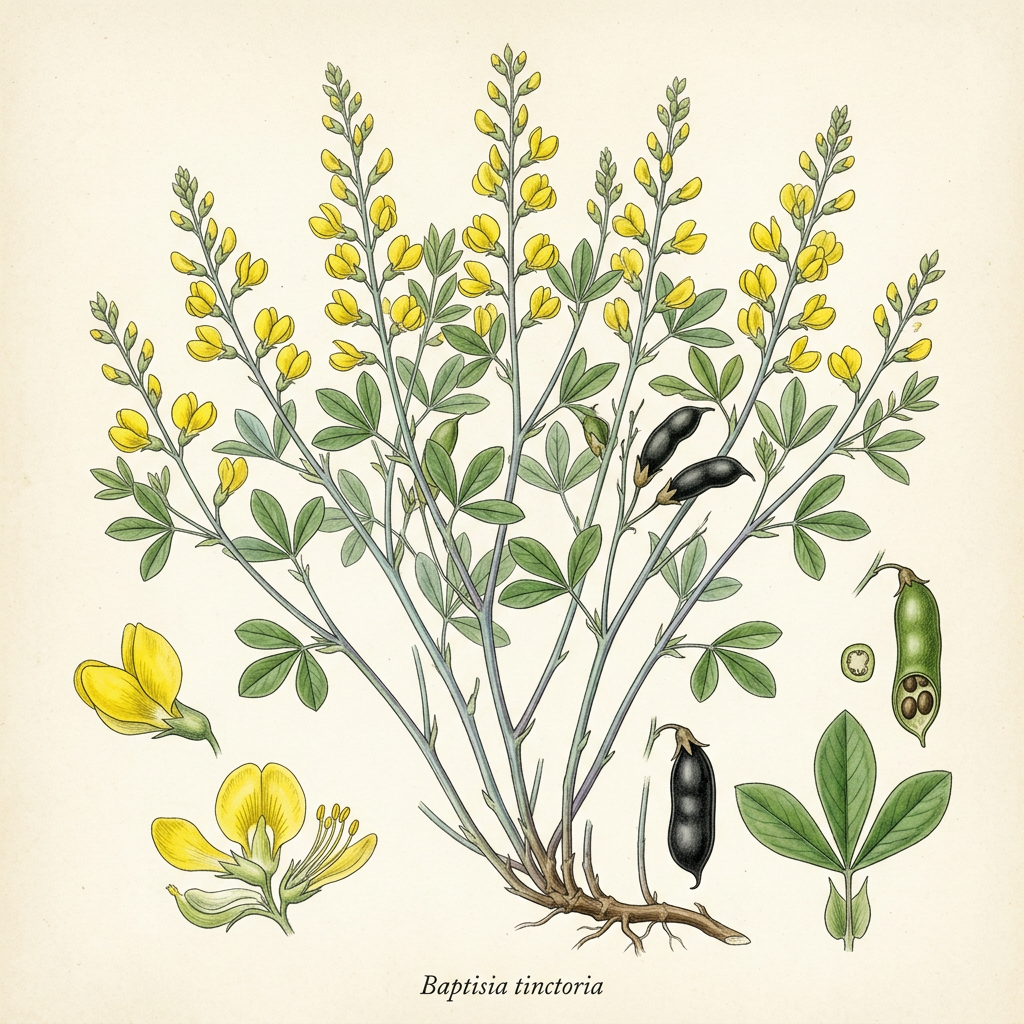
Wild Indigo

Wild Indigo

Baptisia tinctoria

Immune Support
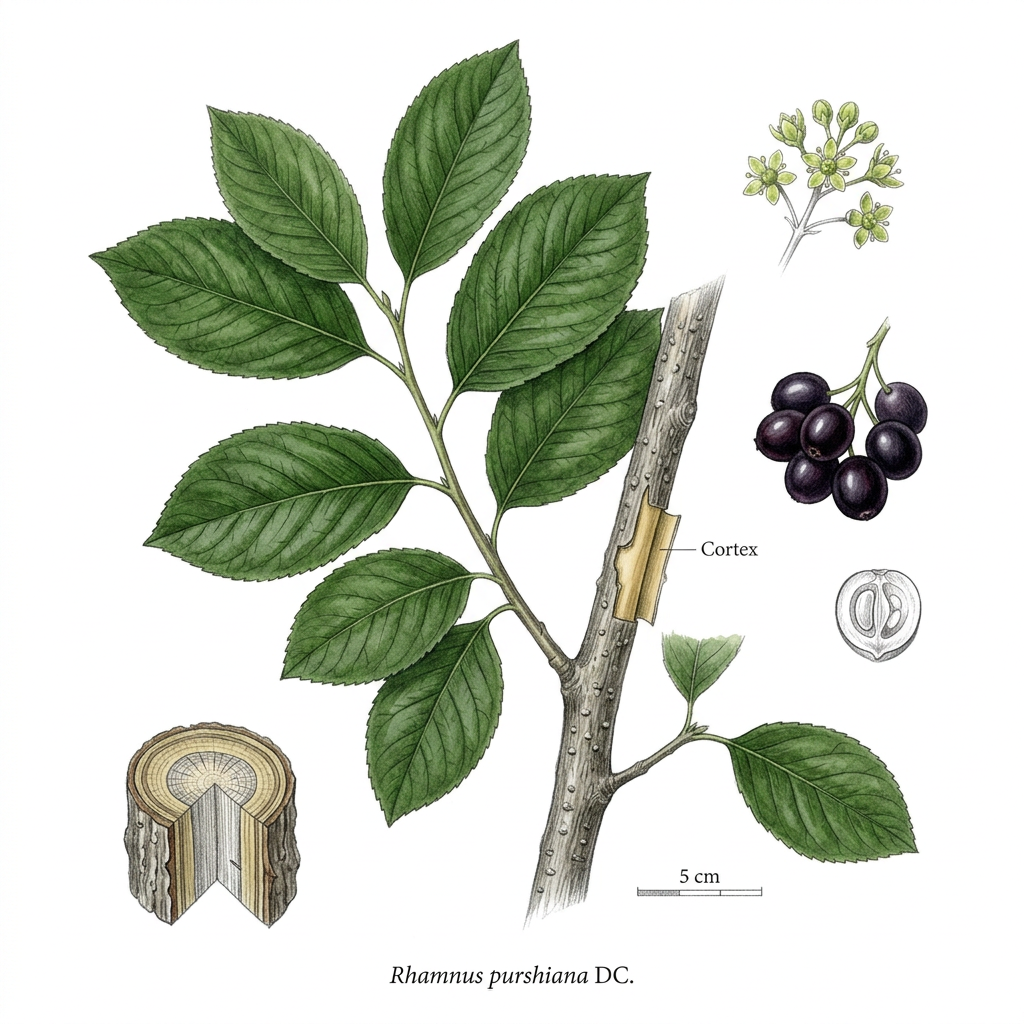
Cascara Sagrada

Cascara Sagrada

Rhamnus purshiana

Digestive Tonification
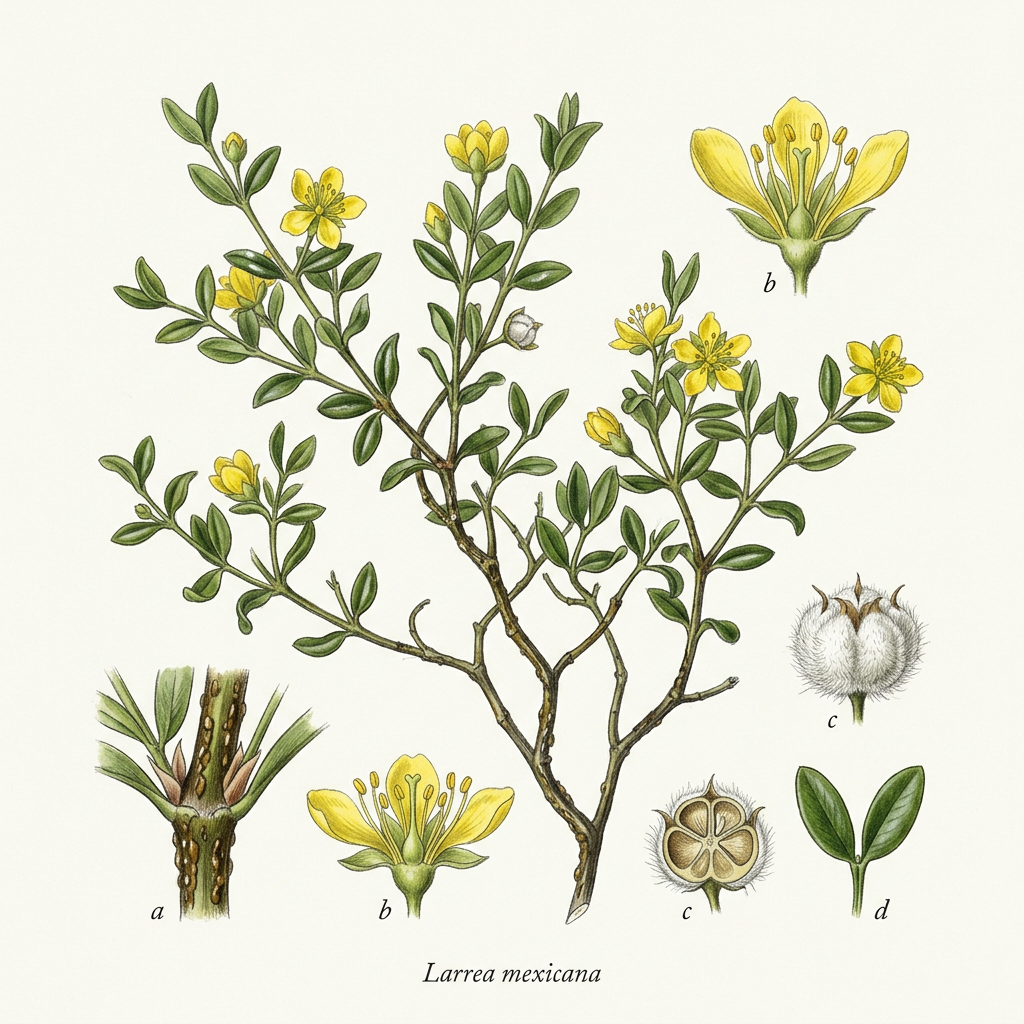
Chaparral

Chaparral

Larrea tridentata

Immune Support