The Wild Sage logo
The Wild Sage Logo

Herbal Medicine at your fingertips

Comprehensive database of herbal remedies with detailed safety information and traditional uses

New to herbal terms? Read the glossary →
ADHD
Abcess
Acid Reflux Relief
Acinetobacter
Acne
Acne Vulgaris
Addisons
Adenomyosis
Adenovirus
Adrenal fatigue
Aging
Aids
Alcaligenes faecalis
Alcoholism
Allergic Rhinitis
Allergies
Allergy
Alopoecia
Alopoecia nervosa
Alzheimer's, Dementia & Cognitive Decline
420 herbs found
Important: This information is for educational purposes only. Always consult with qualified healthcare professionals before using herbal remedies, especially if you have existing health conditions or take medications.
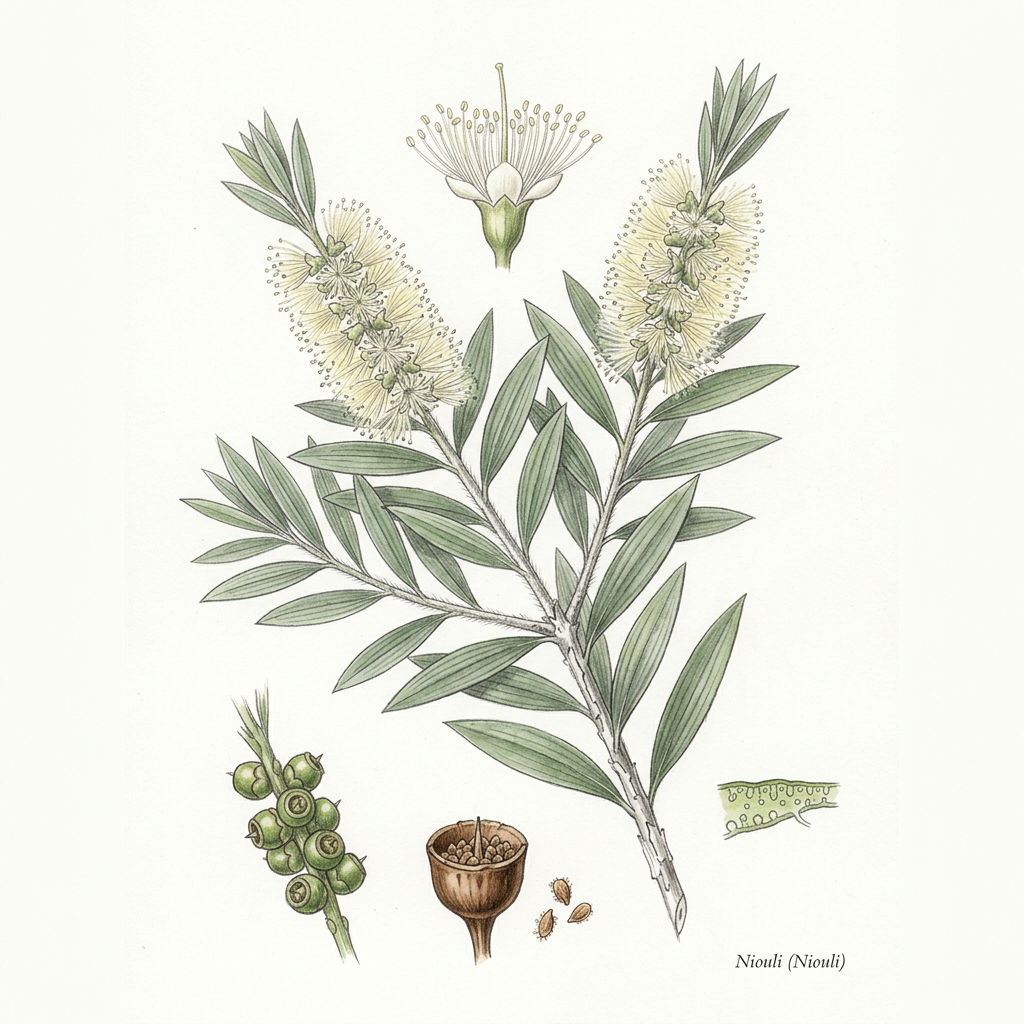
Niouli

Niouli

Melaleuca quinquenervia

low risk Risk
Myrtaceae
Cooling, moistening
<p>Niaouli (Melaleuca quinquenervia) is a hardy evergreen tree belonging to the Myrtaceae family, native to Australia, New Caledonia, and parts of Southeast Asia. It is distinguished by its thick, papery, peeling bark and clusters of creamy-white, bottlebrush-like flowers. The tree is robust and well-adapted to swampy conditions, often thriving in environments that would inhibit other flora. In botanical terms, it is a close relative of the more commonly known Tea Tree (Melaleuca alternifolia), sharing similar characteristics but often possessing a more camphoraceous and sweet aromatic profile. Traditionally, Niaouli has been prized by indigenous cultures for its cleansing properties. Historically, it gained significant popularity in France during the early 20th century, where it was integrated into hospital settings for its reported ability to assist with hygiene and respiratory comfort. These long-standing uses have established it as a staple in the practitioner's aromatherapy cabinet, valued for its gentle yet effective nature compared to some of the harsher volatile oils. Modern interest in Niaouli focuses on its primary constituents, particularly cineole, which research suggests may assist in managing healthy respiratory function and maintaining skin integrity. While clinical evidence remains limited, in vitro studies have investigated its potential antimicrobial and anti-inflammatory properties, providing a tentative scientific basis for its traditional status. Practitioners often employ Niaouli when a supportive, decongestant, or skin-cleansing approach is required. It is frequently utilised in topical blends to aid recovery from minor skin irritations or as part of a massage oil to support the upper respiratory tract. Due to its potent aromatic nature, it is typically used in dilution, ensuring safety for the skin while benefiting from its refreshing, clarifying scent profile.</p>

Uses & Conditions

Respiratory Support
Wounds
Muscle Weakness
Fever

Parts Used

Leaves
Twigs

USDA Hardiness Zones

9
10
11

Contraindications

  • Pregnancy: avoid essential oil usage in the first trimester
  • Breastfeeding: consult a professional before topical application
  • Asthma: use with extreme caution as inhaled oils may trigger bronchospasm
  • Children under 6 years: avoid application near the nose or face
  • Sensitive skin: potential for irritation if applied undiluted

Potential Side Effects

  • Skin irritation or contact dermatitis if applied in high concentrations
  • Respiratory discomfort or coughing if inhaled in excess
  • Dizziness or nausea from intense inhalation

Interactions

  • Use caution with prescription medicines
  • Topical use alongside other medicated skin preparations: potential for unpredictable skin absorption

Dosages, tincture ratios & research — members only

Unlock Garreth's dosing guidance, tincture ratios, the dosage calculator and the research studies for Niouli.

Your assessment and results stay saved — upgrading only unlocks more of them.

See membership plans

Community Photos

No community photos yet. Sign in to upload photos.

Reviews & Ratings

Sign in to leave a review.

No reviews yet. Be the first!

GF

Garreth Falls — B.Th., Dip. H.M., MNIMH

Content curated and reviewed by Garreth Falls, Consultant Medical Herbalist · The Wild Sage

Medical Disclaimer: This information is for educational purposes only and is not intended as medical advice. Always consult with qualified healthcare professionals before starting any herbal treatment.
Western tradition

Sustainability & quality

Abundant

Obtained from the paperbark tree; ensure ethical wildcrafting practices in native habitats.

Key constituents

Essential oils (primarily eucalyptol), Flavonoids, Tannins, Terpenes, Phenolic compounds, Alkaloids, effects)

References

  1. Herbal Reality. Herb monographs. herbalreality.com

Reviewed by Garreth, Medical Herbalist (MNIMH) · November 2026

Related conditions

Explore conditions where Niouli is traditionally used.

Related Herbs
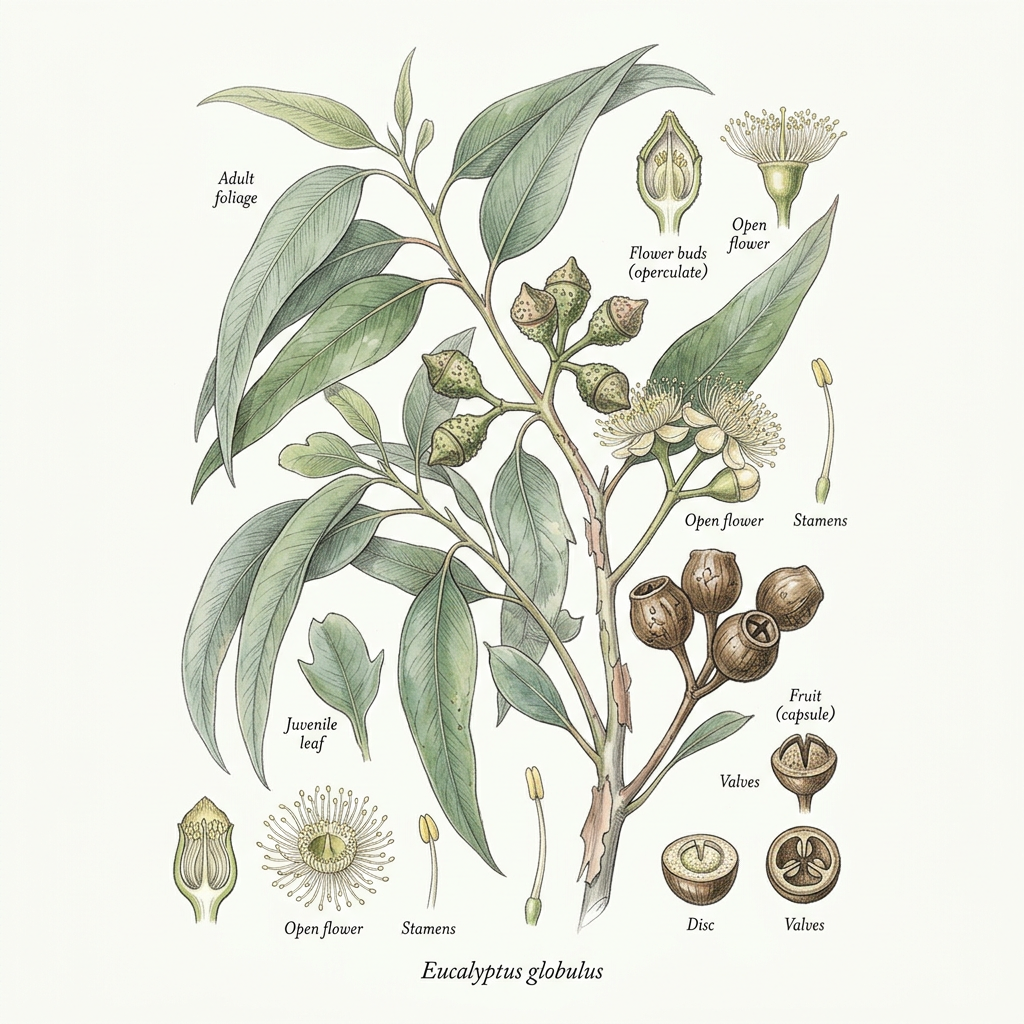
Eucalyptus

Eucalyptus

Eucalyptus globulus

Respiratory Support
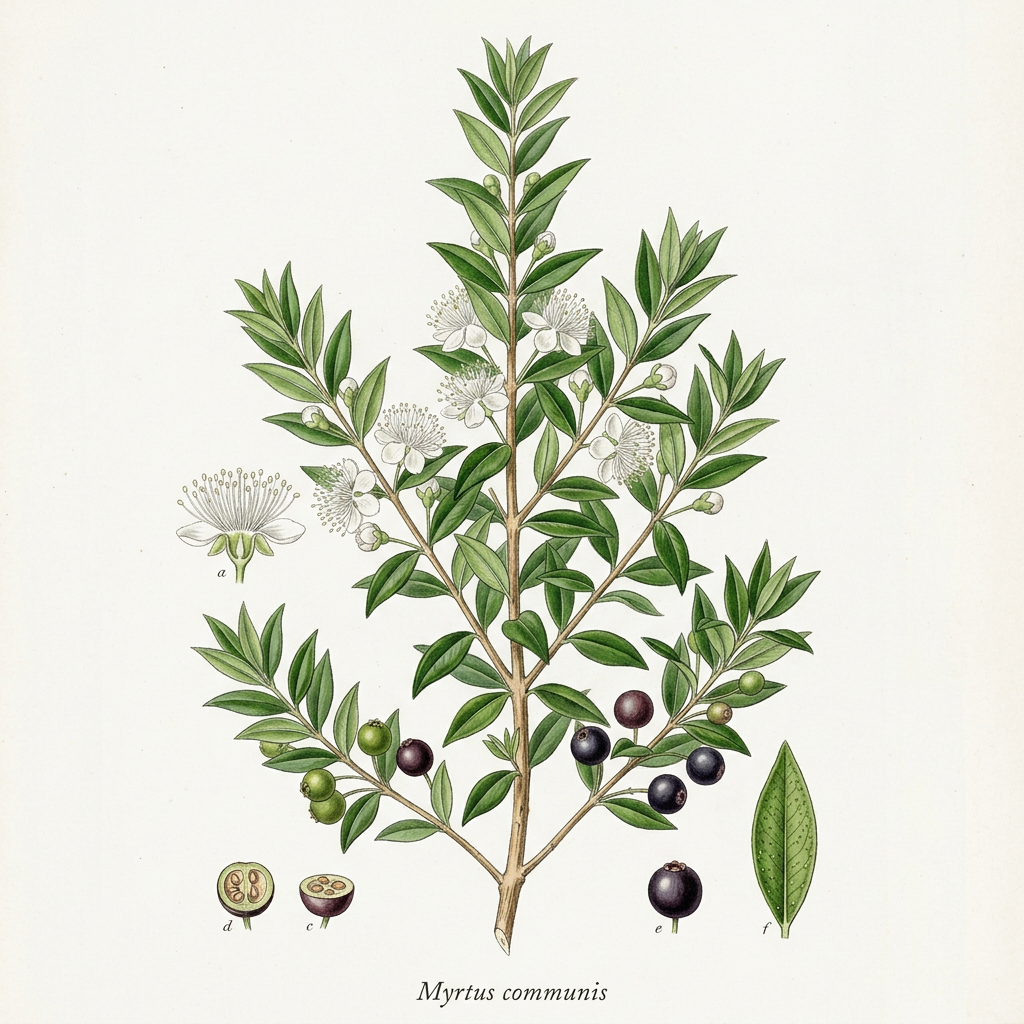
Myrtle

Myrtle

Myrtus communis

Respiratory Support
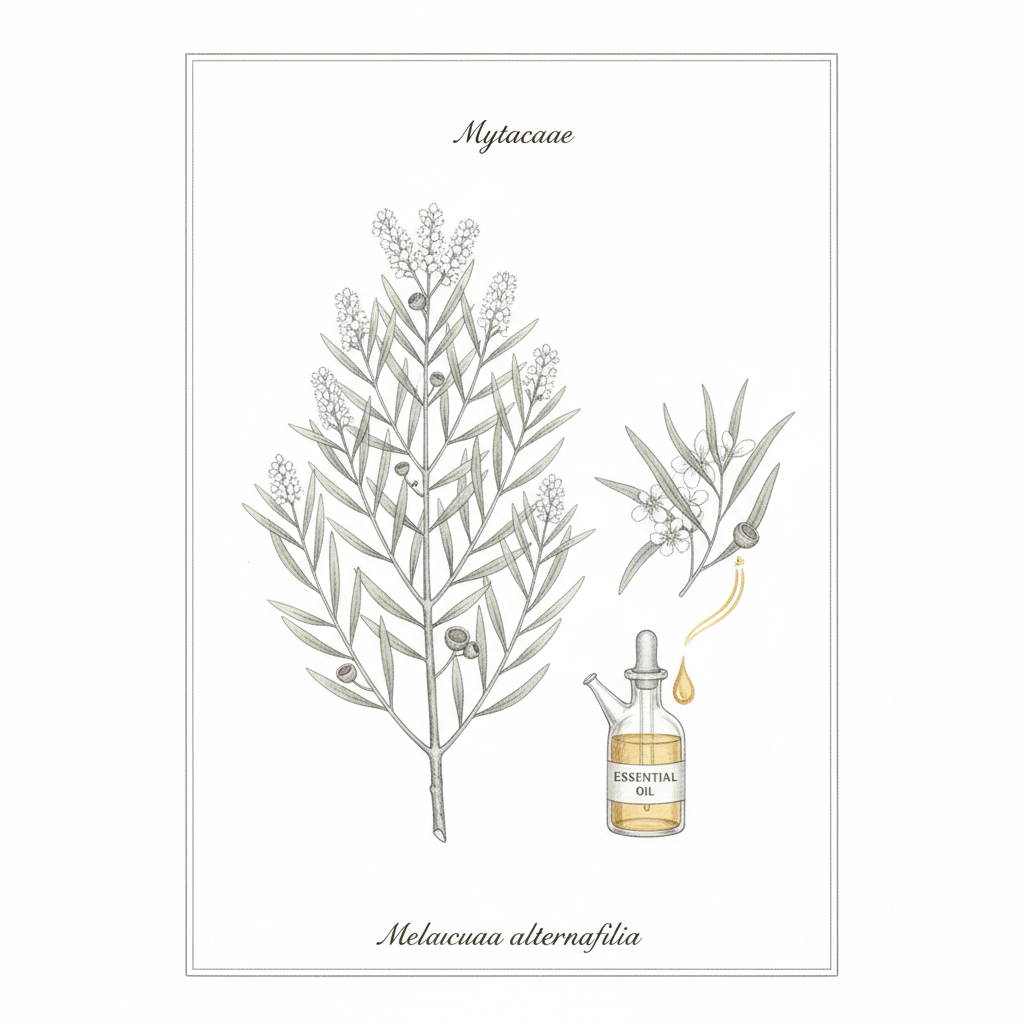
Tea Tree

Tea Tree

Melaleuca alternifolia

Respiratory Health
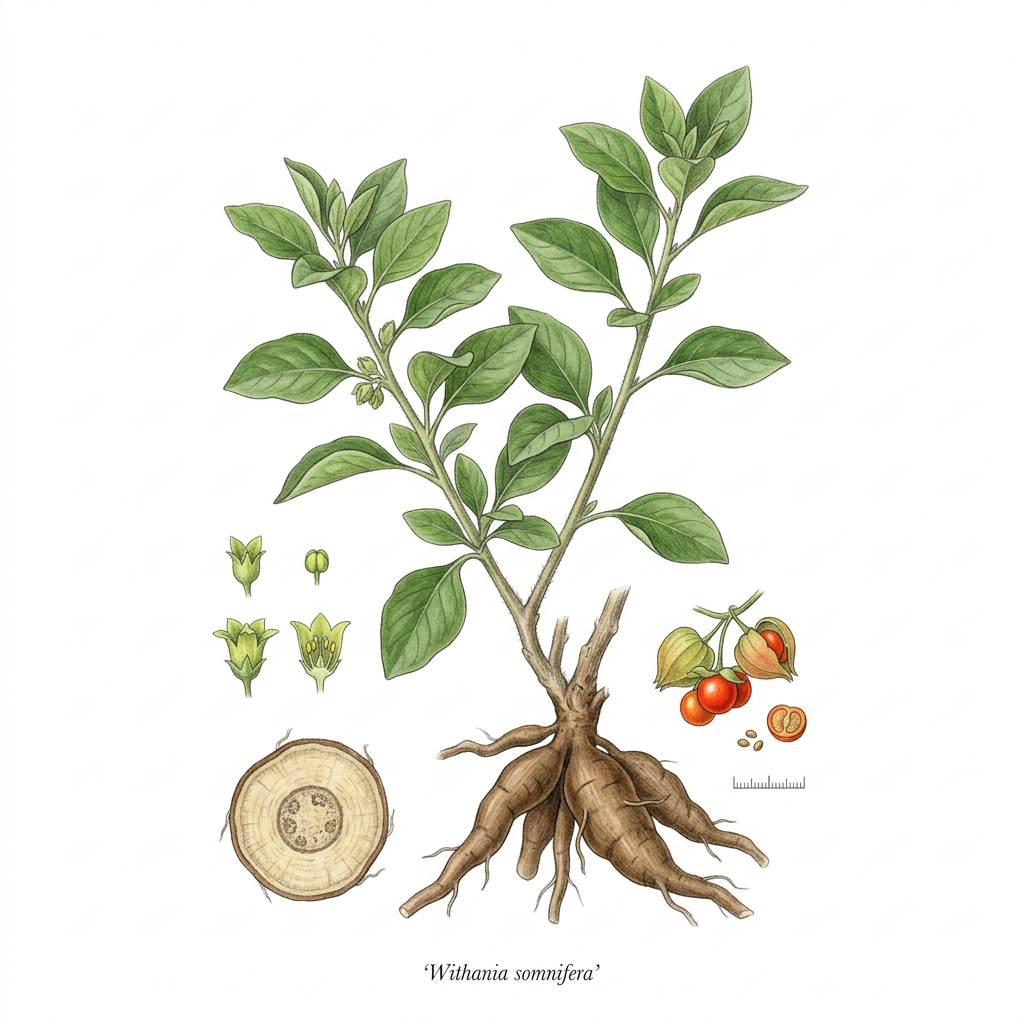
Ashwagandha

Ashwagandha

Withania somnifera

Immune Support