The Wild Sage logo
The Wild Sage Logo

Herbal Medicine at your fingertips

Comprehensive database of herbal remedies with detailed safety information and traditional uses

New to herbal terms? Read the glossary →
ADHD
Abcess
Acid Reflux Relief
Acinetobacter
Acne
Acne Vulgaris
Addisons
Adenomyosis
Adenovirus
Adrenal fatigue
Aging
Aids
Alcaligenes faecalis
Alcoholism
Allergic Rhinitis
Allergies
Allergy
Alopoecia
Alopoecia nervosa
Alzheimer's, Dementia & Cognitive Decline
420 herbs found
Important: This information is for educational purposes only. Always consult with qualified healthcare professionals before using herbal remedies, especially if you have existing health conditions or take medications.
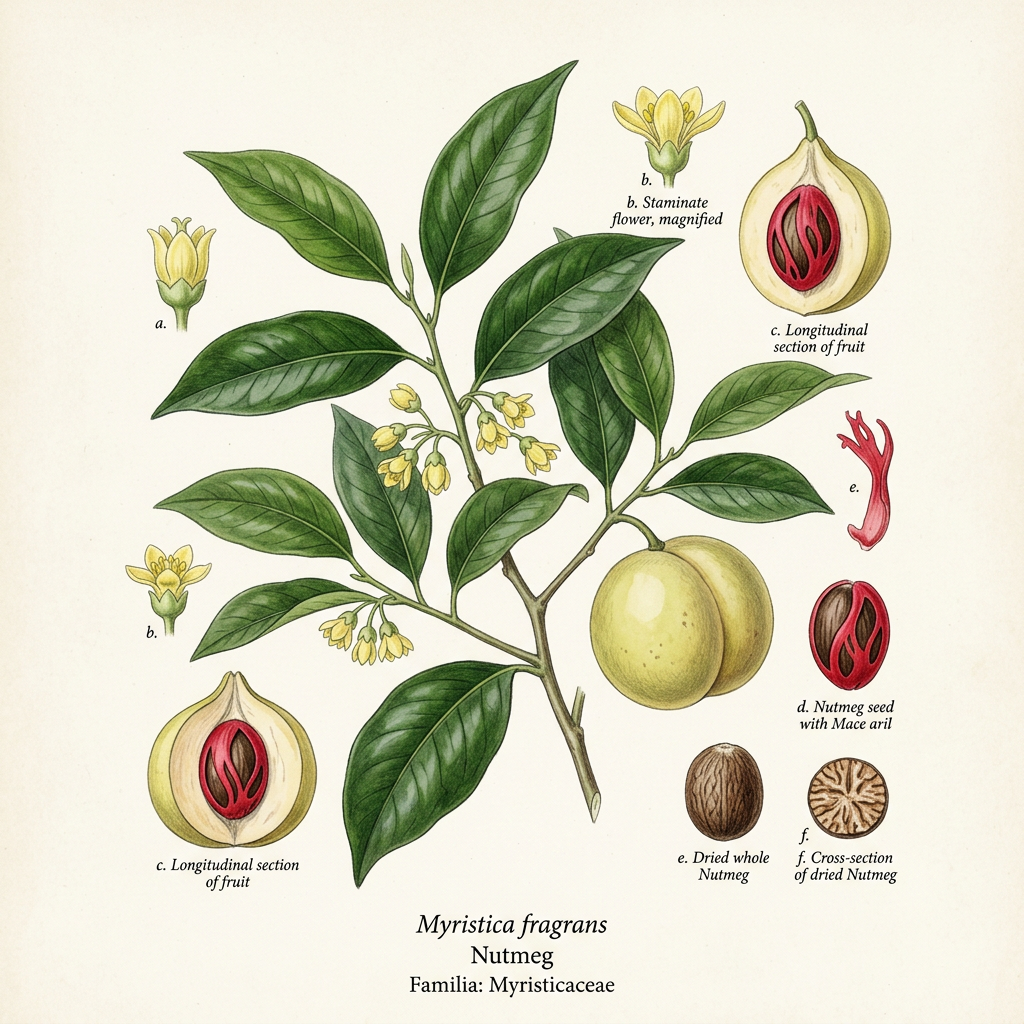
Nutmeg

Nutmeg

Myristica fragrans

low risk Risk
Myristicaceae
Balancing, warming, uplifting, promotes relaxation and enhances digestion.
<p>Nutmeg, derived from the seed of the tropical tree Myristica fragrans, holds a storied place in both culinary traditions and traditional herbal medicine. Indigenous to the Banda Islands of Indonesia, nutmeg has been valued for centuries not only for its distinctive flavor but also for its wide array of therapeutic applications. Historical records date back to the 1st century A.D. in ancient texts, where it was celebrated for its warming properties and believed to possess the power to alleviate various ailments. During the spice trade era, nutmeg was so highly sought after that it spurred European exploration and led to significant geopolitical events, underscoring its esteemed status in both culture and economy. Nutmeg is recognized for its impressive therapeutic properties, including its role as an antioxidant and digestive aid. Compounds found in nutmeg—such as myristicin, elemicin, and eugenol—contribute to its ability to combat oxidative stress in the body, thereby promoting overall health and well-being. In traditional medicine, nutmeg has been used to alleviate digestive discomfort, reduce bloating, and enhance appetite. Additionally, it is believed to possess mild sedative properties, making it an effective remedy for insomnia and anxiety. The herb is also noted for its potential anti-inflammatory effects, which can support joint health and provide relief from pain associated with various conditions. The therapeutic actions of nutmeg can be attributed to its biochemical constituents, which interact with the body's systems in several beneficial ways. Antioxidants in nutmeg help neutralize harmful free radicals, thus protecting cells from damage and reducing the risk of chronic diseases. The digestive benefits arise from nutmeg's ability to stimulate digestive enzymes, promoting optimal nutrient absorption and overall gastrointestinal health. Furthermore, its calming effects on the nervous system are linked to the modulation of neurotransmitters, contributing to a sense of relaxation and improved mood. This blend of properties positions nutmeg as a versatile herb that not only enhances culinary delights but also supports holistic health.</p>

Uses & Conditions

Digestive Aid
Appetite Enhancement
Relaxation
Nutrient Absorption
Dyspepsia
Diarrhoea
Bloating
Angina
Menorrhagia
H. pylori
Insomnia
Anxiety
Joint Health
Pain Relief

Actions

Antioxidant
Antibacterial
Anti-fungal
TNF-alpha Inhibitor
COX-2 Inhibitor

Parts Used

Seed

Native Countries

South east Asia

USDA Hardiness Zones

USDA 10-11

Contraindications

  • Pregnancy: avoid excessive amounts due to potential emmenagogue effects and myristicin content
  • Breastfeeding: avoid due to lack of safety data
  • Epilepsy: may lower seizure threshold due to myristicin
  • Surgery: discontinue two weeks prior to elective surgery due to potential influence on blood clotting and anaesthesia
  • Hepatic impairment: use caution as essential oil constituents are metabolised by the liver

Potential Side Effects

  • Nausea or vomiting if ingested in excess
  • Dizziness or light-headedness
  • Hallucinogenic effects or psychotropic symptoms at high doses due to myristicin toxicity
  • Contact dermatitis when applied topically without sufficient dilution

Interactions

  • CNS depressants and sedatives: may potentiate drowsiness
  • Anticoagulants: theoretically may alter blood clotting time
  • Antidiabetic medications: may enhance hypoglycaemic effects
  • Anticonvulsants: may interfere with or potentiate effects due to impact on neurotransmitters

Dosages, tincture ratios & research — members only

Unlock Garreth's dosing guidance, tincture ratios, the dosage calculator and the research studies for Nutmeg.

Your assessment and results stay saved — upgrading only unlocks more of them.

See membership plans

Community Photos

No community photos yet. Sign in to upload photos.

Reviews & Ratings

Sign in to leave a review.

No reviews yet. Be the first!

GF

Garreth Falls — B.Th., Dip. H.M., MNIMH

Content curated and reviewed by Garreth Falls, Consultant Medical Herbalist · The Wild Sage

Medical Disclaimer: This information is for educational purposes only and is not intended as medical advice. Always consult with qualified healthcare professionals before starting any herbal treatment.
Western tradition
Ayurvedic tradition

Sustainability & quality

Cultivated

Commercially produced in tropical regions. Ensure fair trade certification to support ethical farming practices and consistent quality control.

Key constituents

Cymene, Gums, Lignans, Sabinene, Stearin, Phenolic compounds, Volatile Oils, Camphene, Pinene, Thujene, Linalool, Terpineol, Myristicin, Eugenol

References

  1. Pole "Ayurvedic Medicine" 2006
  2. British Herbal Pharmacopoeia 1983
  3. Herbal Reality. Herb monographs. herbalreality.com

Reviewed by Garreth, Medical Herbalist (MNIMH) · November 2026

Related conditions

Explore conditions where Nutmeg is traditionally used.

Related Herbs
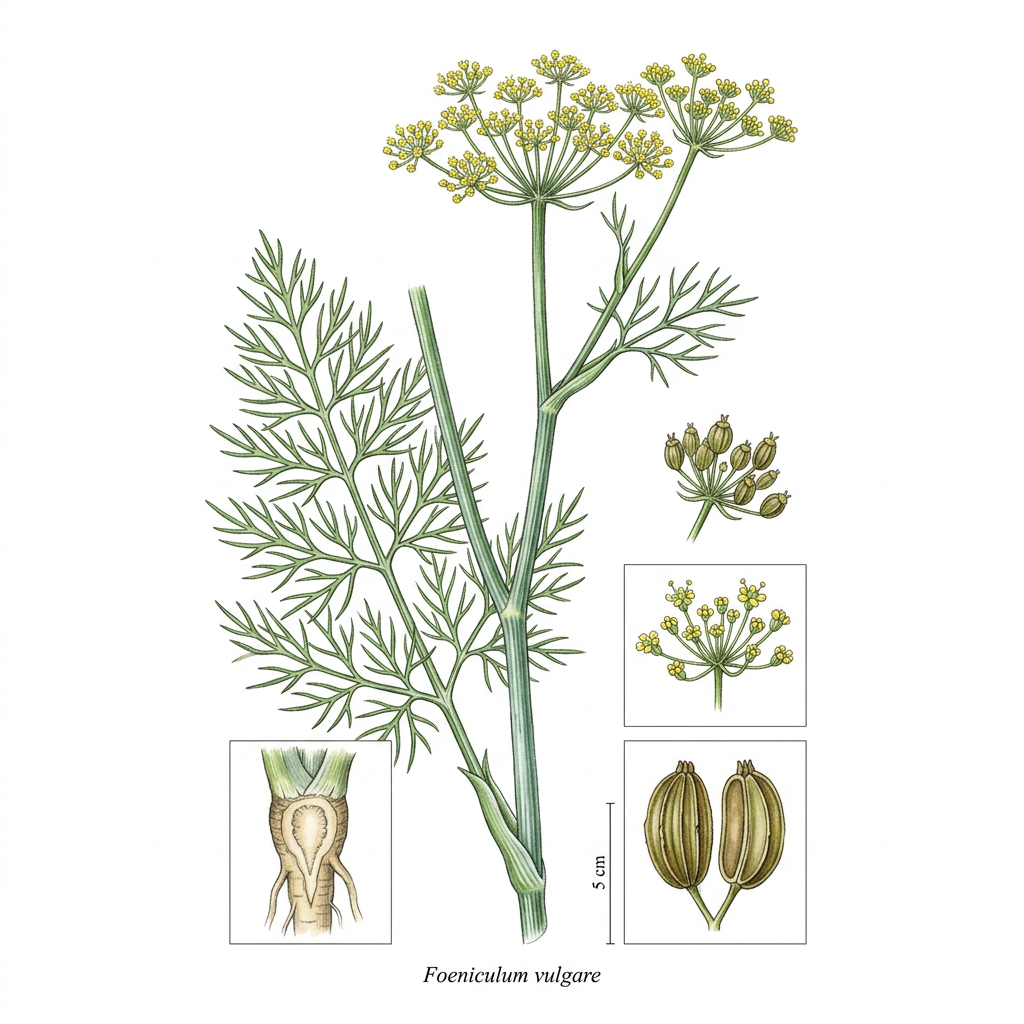
Fennel

Fennel

Foeniculum vulgare

Digestive Aid
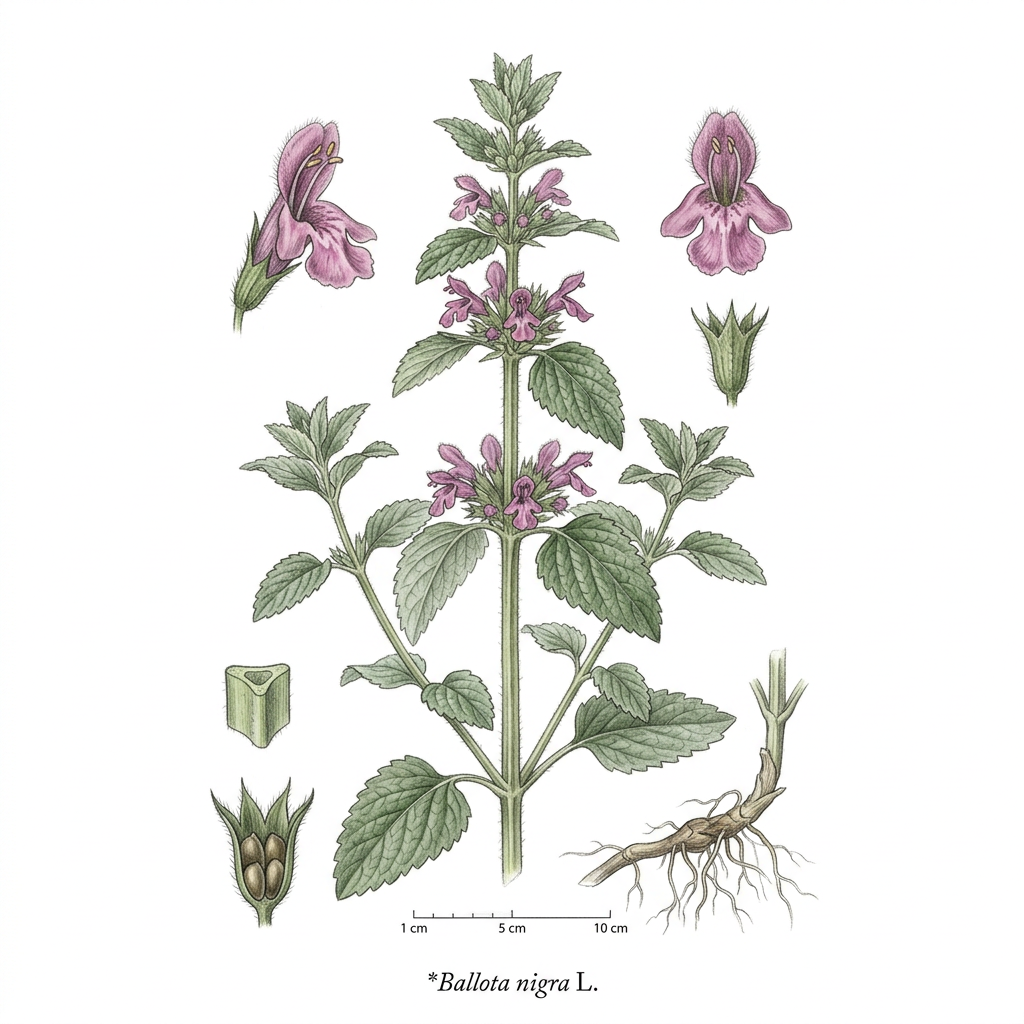
Black Horehound

Black Horehound

Ballota nigra

Digestive Aid
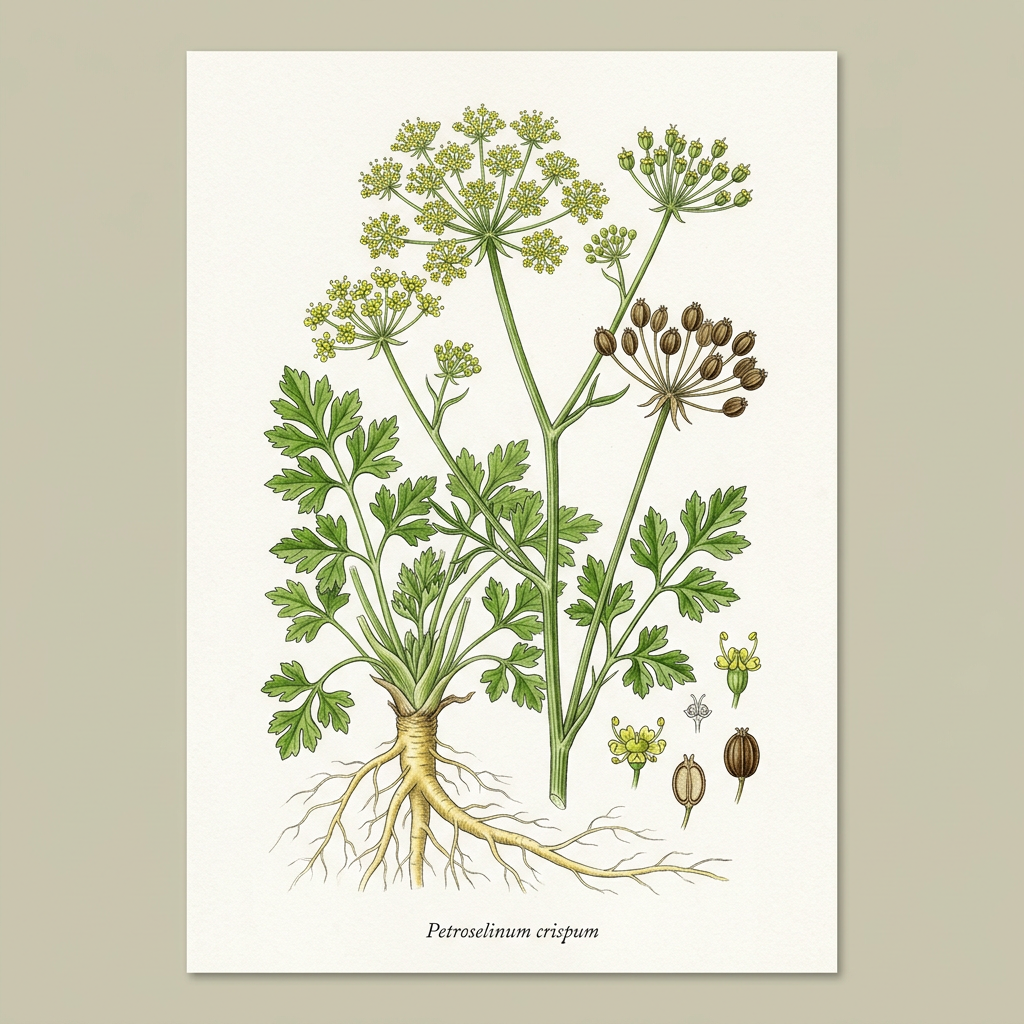
Parsley

Parsley

Petroselinum crispum

Digestive Aid
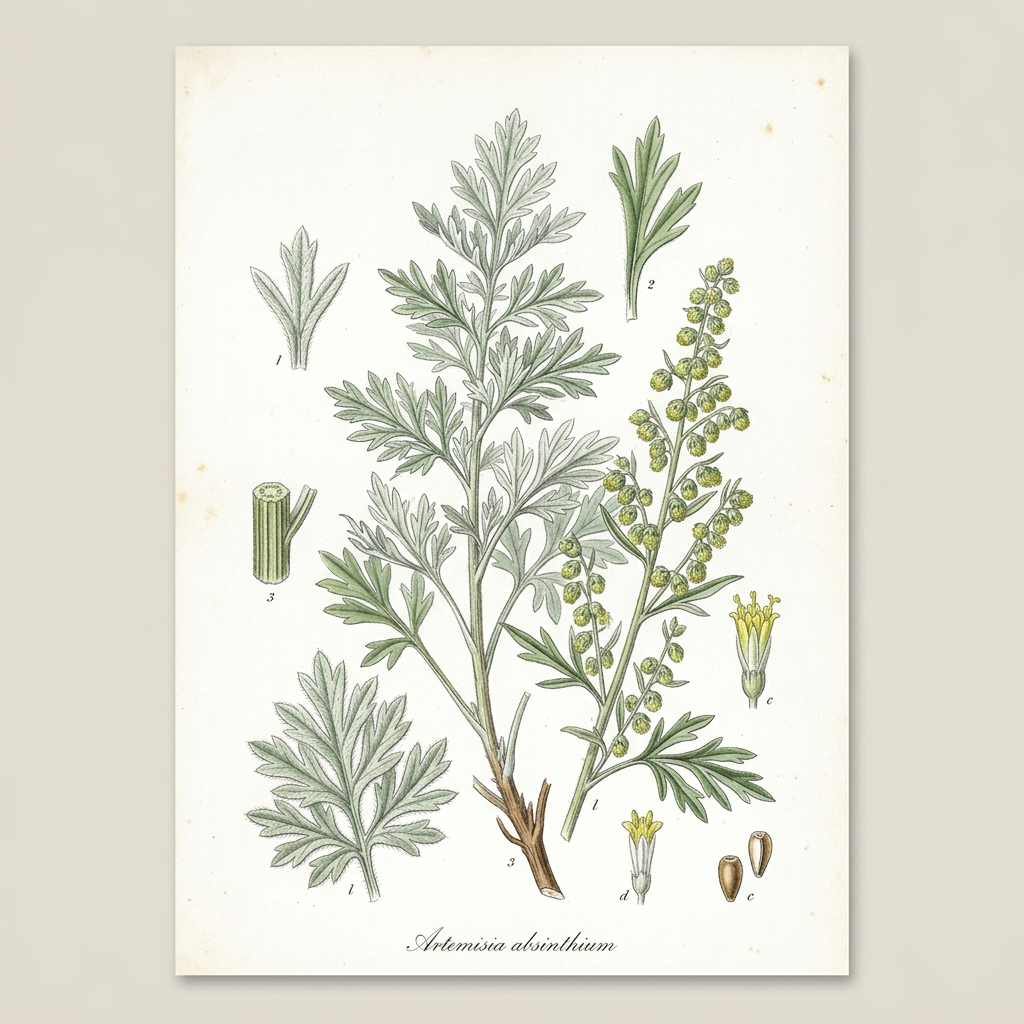
Wormwood

Wormwood

Artemisia absinthium