The Wild Sage logo
The Wild Sage Logo

Herbal Medicine at your fingertips

Comprehensive database of herbal remedies with detailed safety information and traditional uses

New to herbal terms? Read the glossary →
ADHD
Abcess
Acid Reflux Relief
Acinetobacter
Acne
Acne Vulgaris
Addisons
Adenomyosis
Adenovirus
Adrenal fatigue
Aging
Aids
Alcaligenes faecalis
Alcoholism
Allergic Rhinitis
Allergies
Allergy
Alopoecia
Alopoecia nervosa
Alzheimer's, Dementia & Cognitive Decline
420 herbs found
Important: This information is for educational purposes only. Always consult with qualified healthcare professionals before using herbal remedies, especially if you have existing health conditions or take medications.
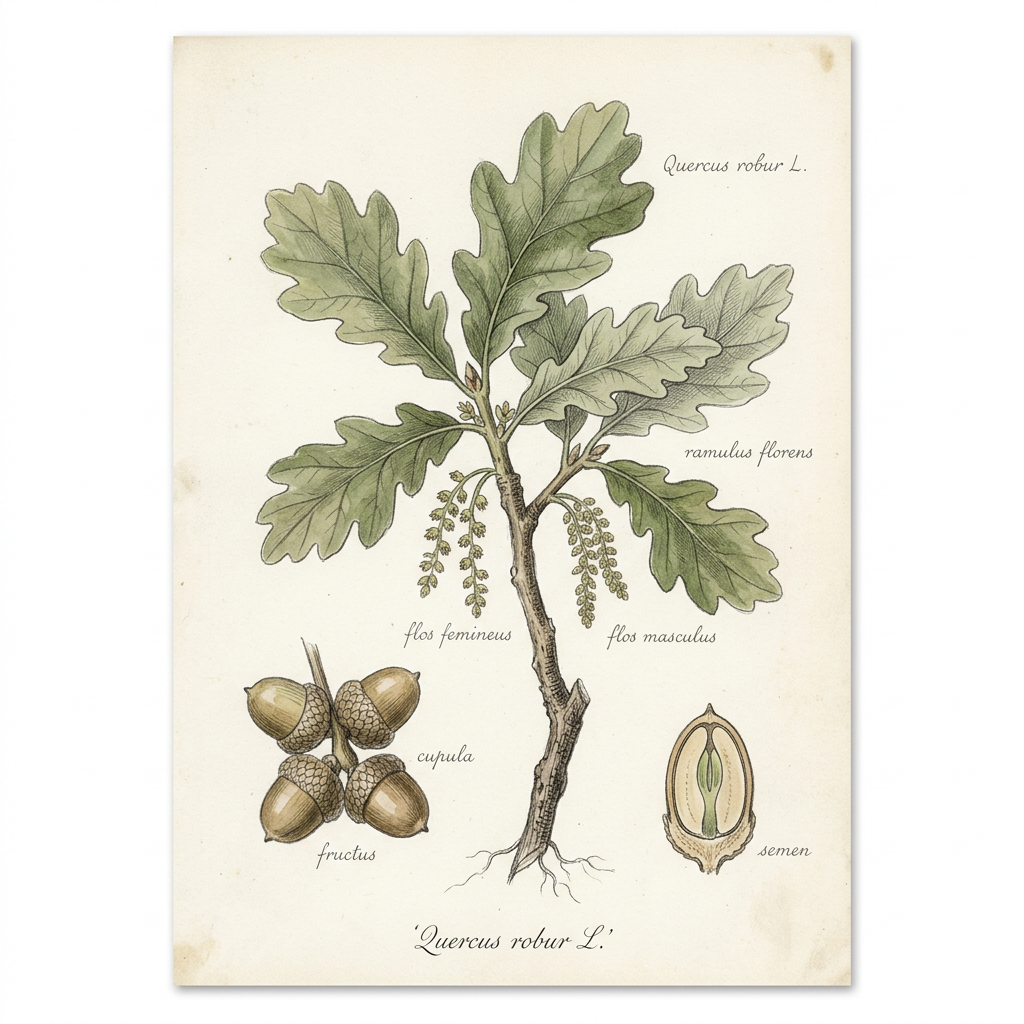
Oak

Oak

Quercus spp

low risk Risk
Fagaceae
Quercus spp. offers grounding strength, emotional healing, and energizing clarity.
<p>The oak tree, a majestic presence in many ecosystems, belongs to the genus Quercus and is revered not only for its robust stature but also for its myriad of medicinal applications deeply rooted in traditional herbalism. Historically, various cultures have utilized oak bark and acorns for their health benefits. Indigenous peoples of North America and ancient civilizations in Europe often turned to oak for its healing properties. The astringent qualities of the bark, derived from its high tannin content, have been employed for centuries to address a range of ailments, from skin irritations to digestive issues, showcasing the oak's integral role in natural medicine. Oak exhibits key therapeutic properties, most notably its potent astringent, antioxidant, and nutritional support capabilities. The tannins found in oak bark are renowned for their ability to constrict tissues, which makes them particularly effective in treating skin inflammation and hemorrhoids when applied topically. Internally, oak bark serves as a supportive remedy for gastrointestinal disturbances, particularly diarrhea, by promoting digestive health and reducing excess mucous. Beyond its topical uses, the antioxidant properties of oak contribute to overall health by combating oxidative stress in the body, potentially reducing the risk of chronic diseases. Its rich nutritional profile, including essential minerals, further enhances its reputation as a valuable herbal ally. In terms of physiological action, oak bark works primarily by forming a protective barrier on mucous membranes and inflamed tissues, thanks to its astringent effects. This interaction helps to diminish inflammation and accelerate the healing process. When consumed, the tannins bind to proteins in the digestive tract, which can reduce inflammation and help regulate bowel movements, making oak an effective natural remedy for diarrhea. Additionally, its antioxidant compounds function to neutralize free radicals, thereby supporting cellular health and enhancing the body’s natural defense mechanisms. In sum, the oak tree stands as a timeless symbol of strength and resilience in nature, providing both physical and spiritual sustenance through its rich medicinal heritage.</p>

Uses & Conditions

Nutritional Support
Oxidative Stress Reduction
Tissue Constriction
Liver Health
Energy Support
Mental Wellness
Osteoarthritis
Dyspepsia
Menorrhagia
Chronic Fatigue Syndrome
Liver Toxicity
Anxiety
Skin Inflammation
Hemorrhoids
Diarrhea
Loose Teeth
Calculi
Ulcerative Colitis
Portal Hypertension
E. Coli Infection
Alcoholism

Actions

Antioxidant
Astringent
Hepatic
Cytoprotective

Parts Used

Bark

Native Countries

Europe
North America
Asia

USDA Hardiness Zones

USDA 3-11

Dosages, tincture ratios & research — members only

Unlock Garreth's dosing guidance, tincture ratios, the dosage calculator and the research studies for Oak.

Your assessment and results stay saved — upgrading only unlocks more of them.

See membership plans

Community Photos

No community photos yet. Sign in to upload photos.

Reviews & Ratings

Sign in to leave a review.

No reviews yet. Be the first!

GF

Garreth Falls — B.Th., Dip. H.M., MNIMH

Content curated and reviewed by Garreth Falls, Consultant Medical Herbalist · The Wild Sage

Medical Disclaimer: This information is for educational purposes only and is not intended as medical advice. Always consult with qualified healthcare professionals before starting any herbal treatment.
Western tradition

Sustainability & quality

Abundant

Common native tree; ensure bark is harvested sustainably from forest management sources.

Key constituents

Antioxidant, Saponins, Tannin

References

  1. British Herbal Pharmacopoeia 1983
  2. ESCOP Monographs 2nd ed. 2003

Reviewed by Garreth, Medical Herbalist (MNIMH) · November 2026

Related conditions

Explore conditions where Oak is traditionally used.

Related Herbs
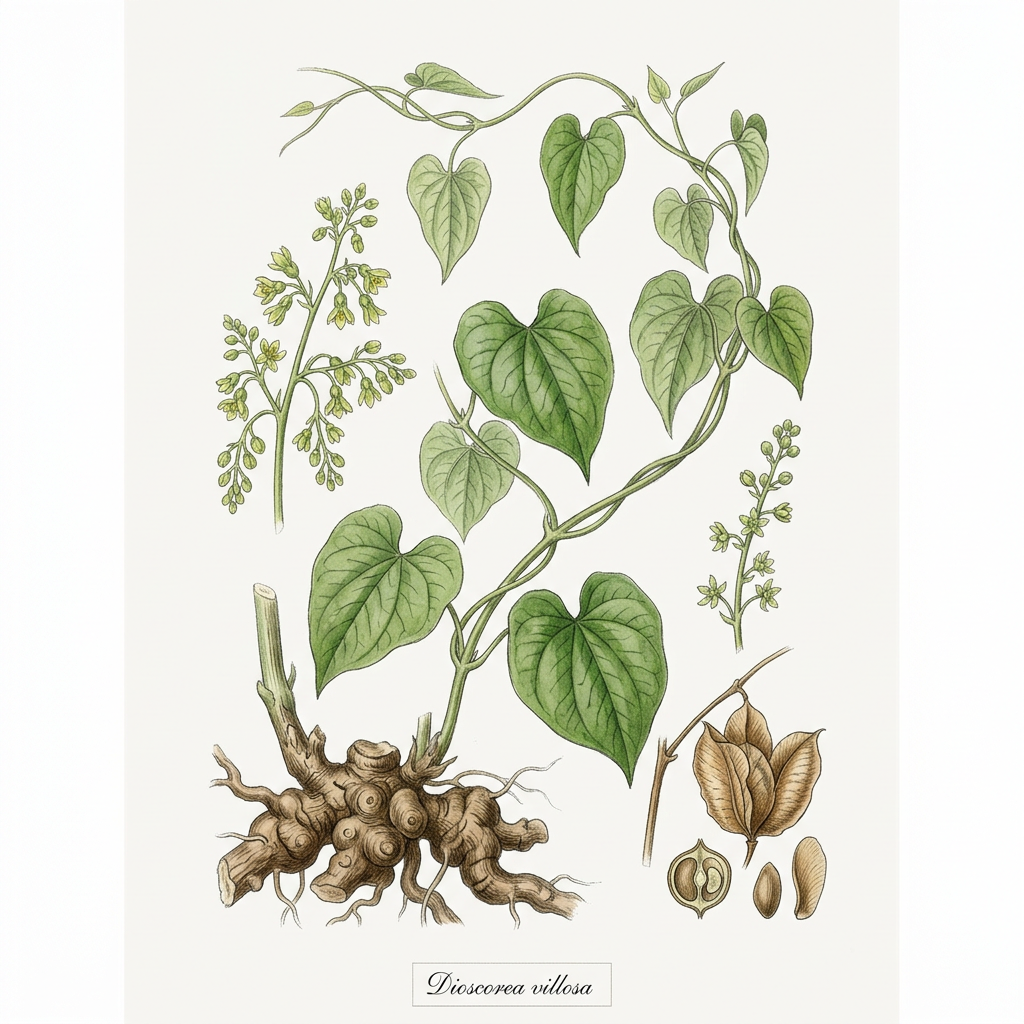
Wild Yam

Wild Yam

Dioscorea villosa

Reproductive health
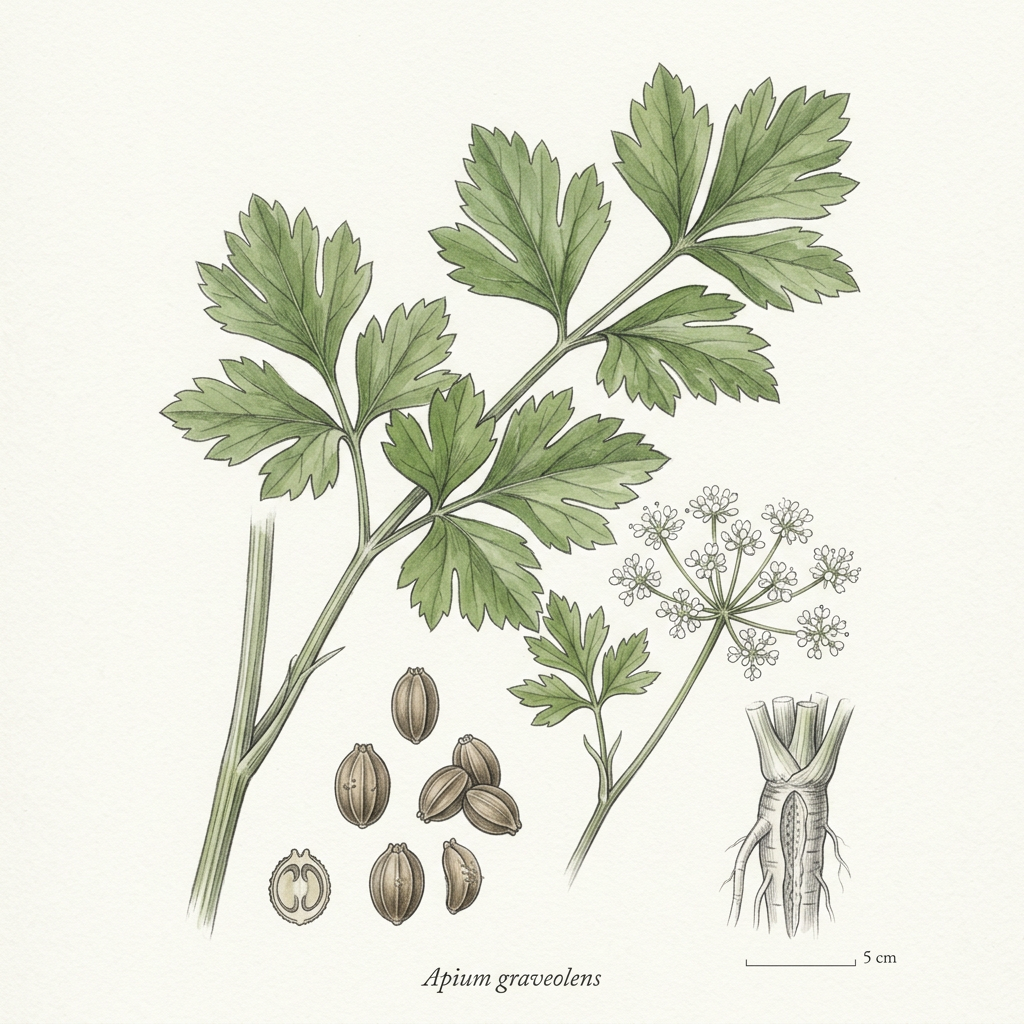
Celery Seed

Celery Seed

Apium graveolens

Digestive Aid
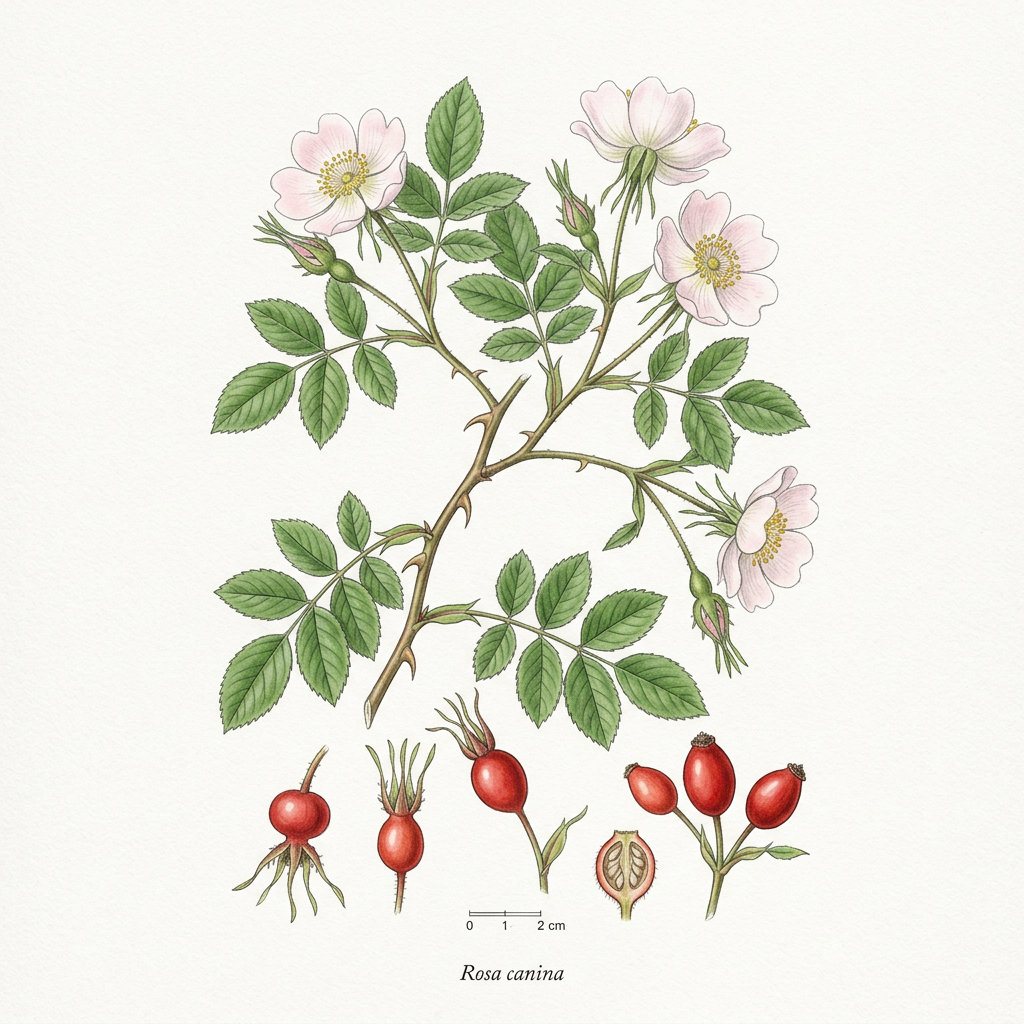
Dog rose

Dog rose

Rosa canina

Immune Support
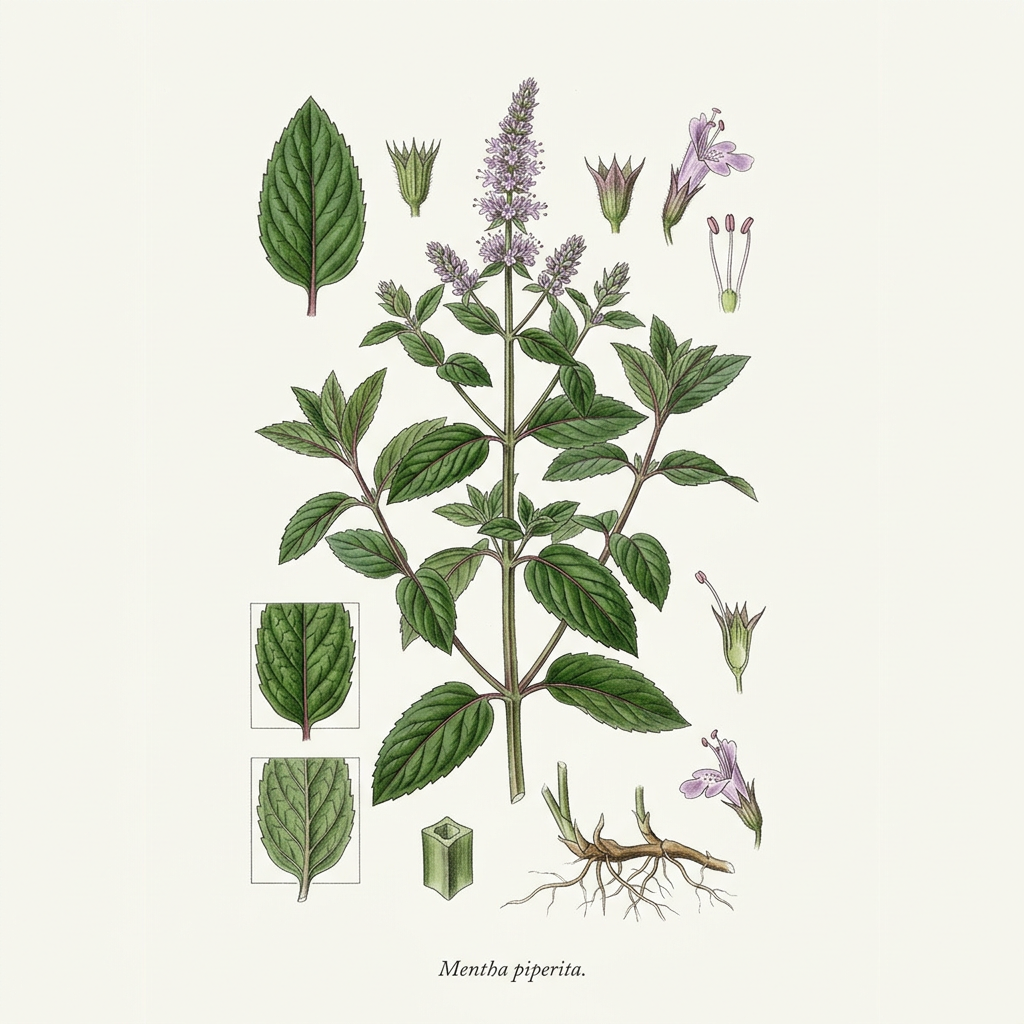
Mentha piperita

Mentha piperita

Mentha piperita

Digestive Aid