The Wild Sage logo
The Wild Sage Logo

Herbal Medicine at your fingertips

Comprehensive database of herbal remedies with detailed safety information and traditional uses

New to herbal terms? Read the glossary →
ADHD
Abcess
Acid Reflux Relief
Acinetobacter
Acne
Acne Vulgaris
Addisons
Adenomyosis
Adenovirus
Adrenal fatigue
Aging
Aids
Alcaligenes faecalis
Alcoholism
Allergic Rhinitis
Allergies
Allergy
Alopoecia
Alopoecia nervosa
Alzheimer's, Dementia & Cognitive Decline
420 herbs found
Important: This information is for educational purposes only. Always consult with qualified healthcare professionals before using herbal remedies, especially if you have existing health conditions or take medications.
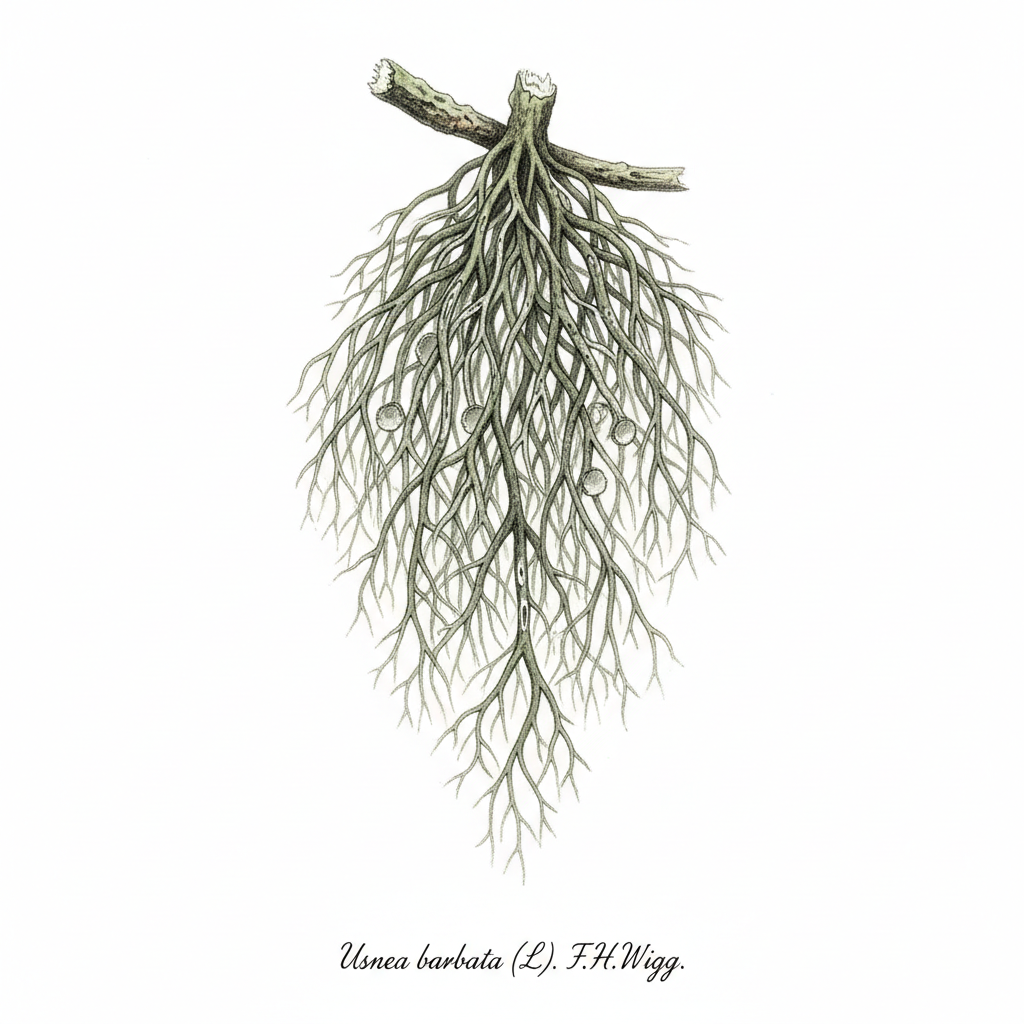
Old Man's Beard

Old Man's Beard

Usnea

low risk Risk
Parmeliaceae
Cooling bitter herb for heat toxins and inflammatory conditions.
<p>Usnea, commonly known as "old man's beard," is a captivating lichen that thrives in diverse ecosystems, particularly in temperate and boreal forests. This unique organism, a symbiotic relationship between algae and fungi, has been utilized for centuries across various cultures for its medicinal properties. Traditional herbal medicine practitioners have revered Usnea for its antiseptic qualities, employing it in poultices and tinctures to treat wounds and infections. Historical texts as far back as the 16th century document its use among indigenous peoples in North America and Asia, where it was valued not only for its healing prowess but also for its ability to soothe respiratory ailments. The key therapeutic properties of Usnea are attributed to its potent antibacterial and antifungal effects, making it a valuable ally in the prevention and treatment of infections. It has shown particular efficacy against Staphylococcus aureus, a common bacterial pathogen responsible for various skin and systemic infections, as well as potential resistance to antibiotics. Additionally, the lichen is rich in usnic acid, a compound known for its antimicrobial action, which disrupts the function of bacterial cell walls. Its antifungal properties further extend its applications to conditions caused by fungal overgrowth, such as candidiasis. Beyond these uses, Usnea is also considered a supportive herb for immune response modulation, lending itself to formulations intended to enhance overall health and resilience. When introduced into the body, Usnea exerts its therapeutic action primarily through its bioactive compounds, particularly usnic acid. This compound has been shown to inhibit the growth of various pathogens by interfering with their cellular processes. Usnea can be administered in various forms, including tinctures, teas, and powders, allowing for versatile use in herbal preparations. Its gentle yet effective nature makes it suitable for both acute and chronic conditions, reinforcing its place as a cornerstone in the herbal apothecary. With its deep-rooted historical significance and compelling therapeutic attributes, Usnea remains a remarkable herbal resource for promoting health and healing in contemporary herbal practice.</p>

Uses & Conditions

Immune Response Modulation
Wound Healing
Antioxidant Support
Bacterial Infections
Fungal Infections
Chronic Inflammatory Conditions
Glandular Fever (EBV)
Dermatitis
Staphylococcus aureus
Escherichia coli
Clostridium difficile
Clostridium perfringens
Enterococcus
Corynebacterium
Bacteroides
Bacillus

Actions

Antibacterial
Antifungal
Antimicrobial
Antiseptic
Cooling
Bitter
NFkB Inhibitor
TNF-a Reduction

Parts Used

Whole plant

Native Countries

North America
Europe
Asia
Australia
New Zealand

USDA Hardiness Zones

USDA 3-7

Contraindications

  • Pregnancy and breastfeeding
  • Pre-existing liver disease or elevated liver enzymes
  • Children under the age of 12
  • Long-term use due to potential hepatotoxicity

Potential Side Effects

  • Mild gastrointestinal upset
  • Skin irritation or contact dermatitis
  • Elevation of liver enzymes with prolonged or high-dose consumption

Interactions

  • Hepatotoxic agents: potential for additive stress on liver function
  • Immunosuppressants: potential to interfere with immune-modulating therapies
  • Prescription medicines: use caution due to lack of clinical trials

Dosages, tincture ratios & research — members only

Unlock Garreth's dosing guidance, tincture ratios, the dosage calculator and the research studies for Old Man's Beard.

Your assessment and results stay saved — upgrading only unlocks more of them.

See membership plans

Community Photos

No community photos yet. Sign in to upload photos.

Reviews & Ratings

Sign in to leave a review.

No reviews yet. Be the first!

GF

Garreth Falls — B.Th., Dip. H.M., MNIMH

Content curated and reviewed by Garreth Falls, Consultant Medical Herbalist · The Wild Sage

Medical Disclaimer: This information is for educational purposes only and is not intended as medical advice. Always consult with qualified healthcare professionals before starting any herbal treatment.
Western tradition
Chinese tradition

Sustainability & quality

Abundant

Usnea is widely distributed but slow-growing; wildcraft only from wind-fallen branches after storms to avoid damage to host trees.

Key constituents

Usnic acid, Barbatic acid, Diffractic acid, Evernic acid, Polysaccharides, Stictic acid

References

  1. British Herbal Pharmacopoeia 1983
  2. Herbal Reality. Herb monographs. herbalreality.com

Reviewed by Garreth, Medical Herbalist (MNIMH) · November 2026

Related conditions

Explore conditions where Old Man's Beard is traditionally used.

Related Herbs
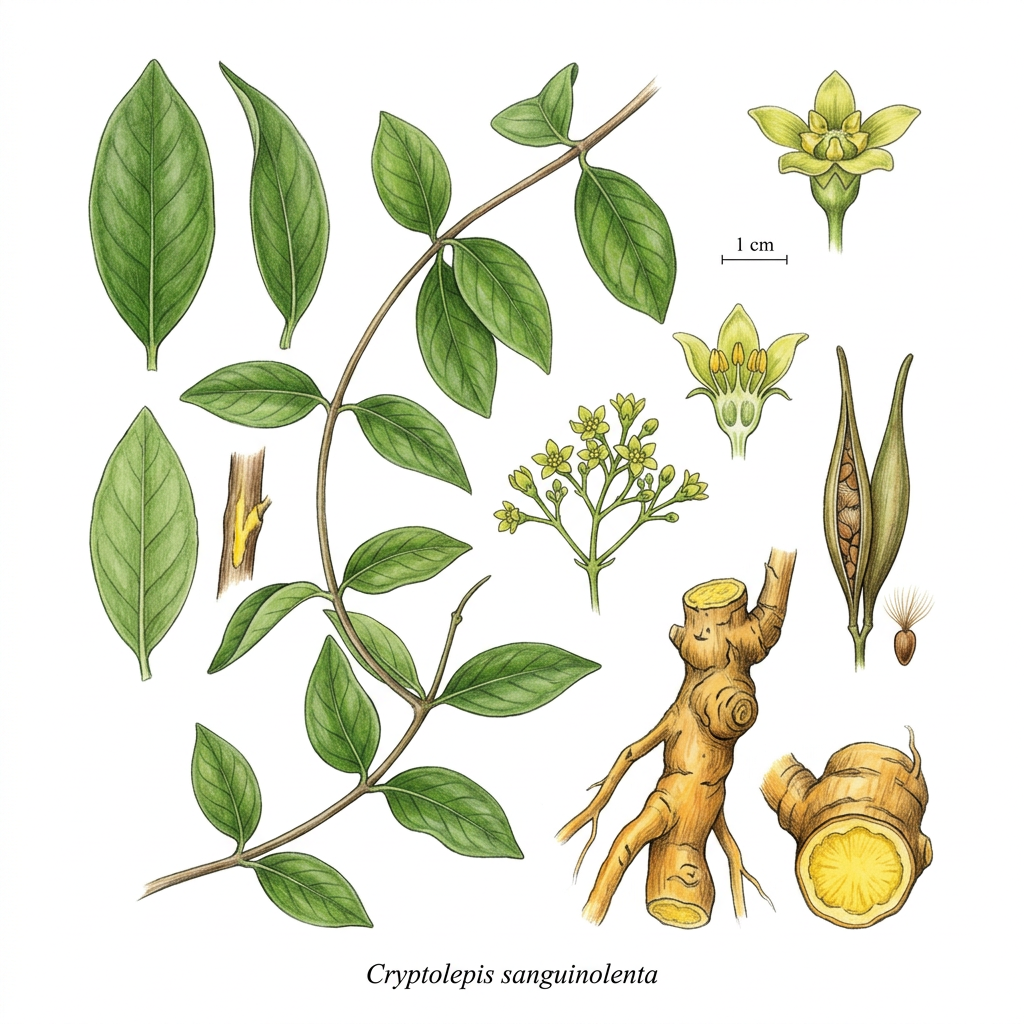
Cryptolepis

Cryptolepis

Cryptolepis sanguinolenta
Immunomodulatory Support
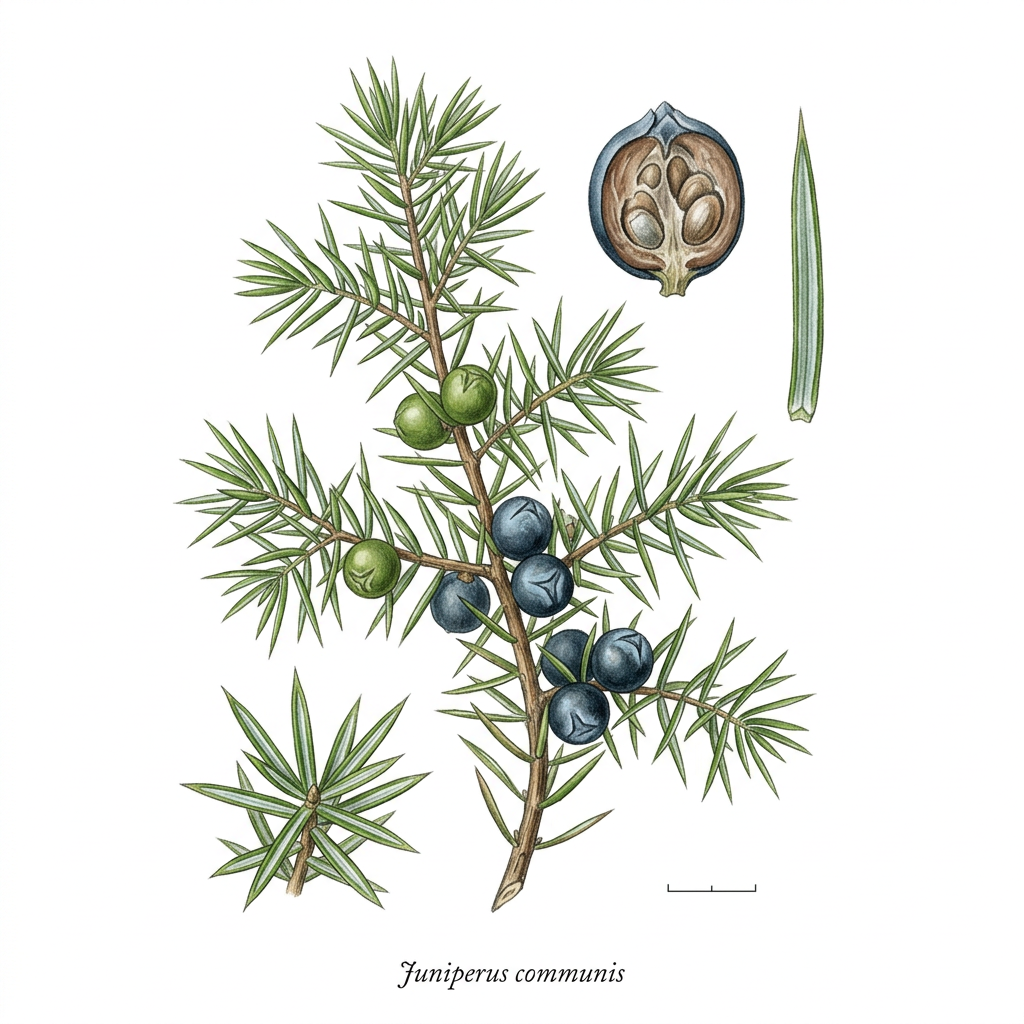
Juniper

Juniper

Juniperus communis

Urinary Tract Health
Icelandic moss

Icelandic moss

Cetraria islandica

Mucous membrane tonic
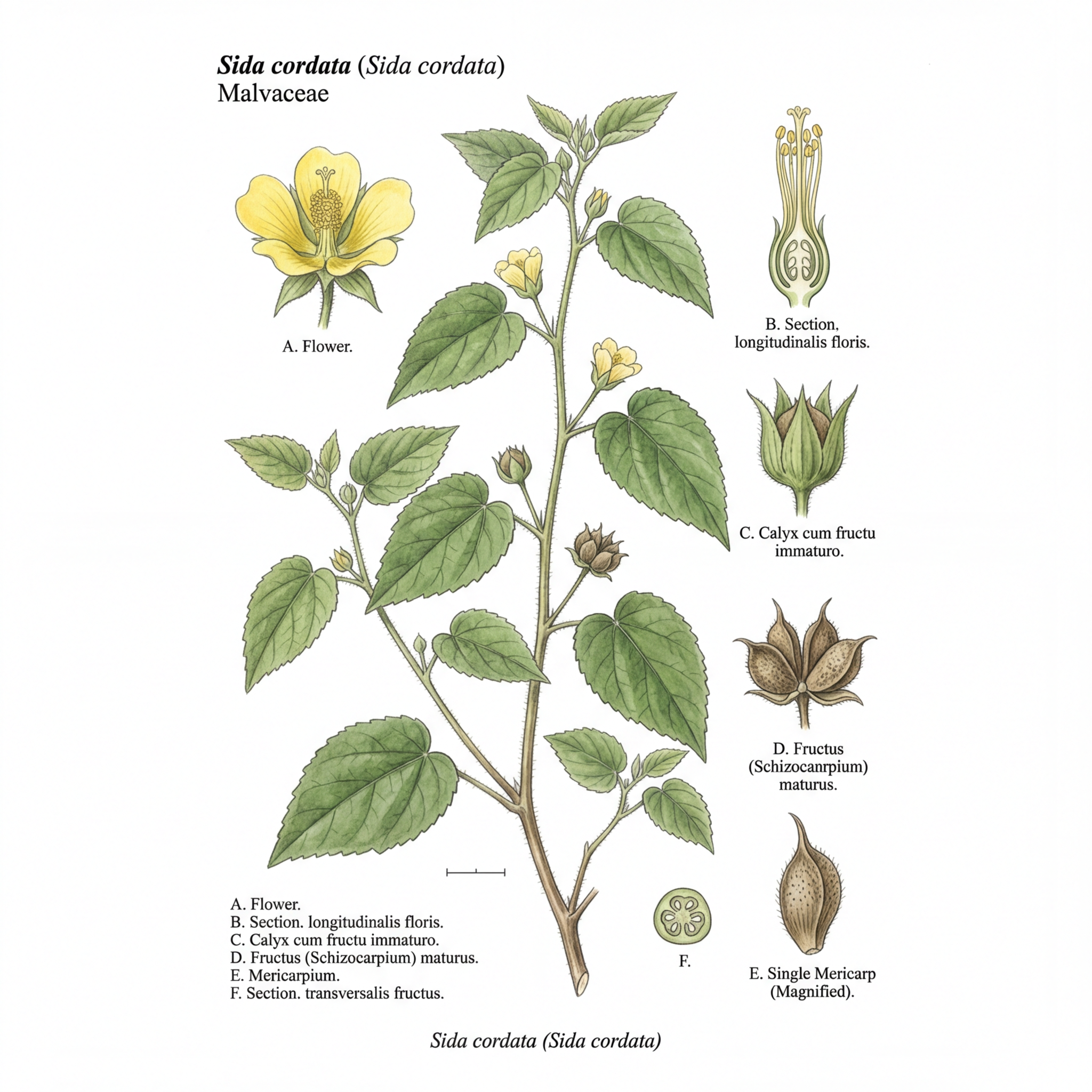
Sida cordata

Sida cordata

Sida cordata

Immune Support