The Wild Sage logo
The Wild Sage Logo

Herbal Medicine at your fingertips

Comprehensive database of herbal remedies with detailed safety information and traditional uses

New to herbal terms? Read the glossary →
ADHD
Abcess
Acid Reflux Relief
Acinetobacter
Acne
Acne Vulgaris
Addisons
Adenomyosis
Adenovirus
Adrenal fatigue
Aging
Aids
Alcaligenes faecalis
Alcoholism
Allergic Rhinitis
Allergies
Allergy
Alopoecia
Alopoecia nervosa
Alzheimer's, Dementia & Cognitive Decline
420 herbs found
Important: This information is for educational purposes only. Always consult with qualified healthcare professionals before using herbal remedies, especially if you have existing health conditions or take medications.
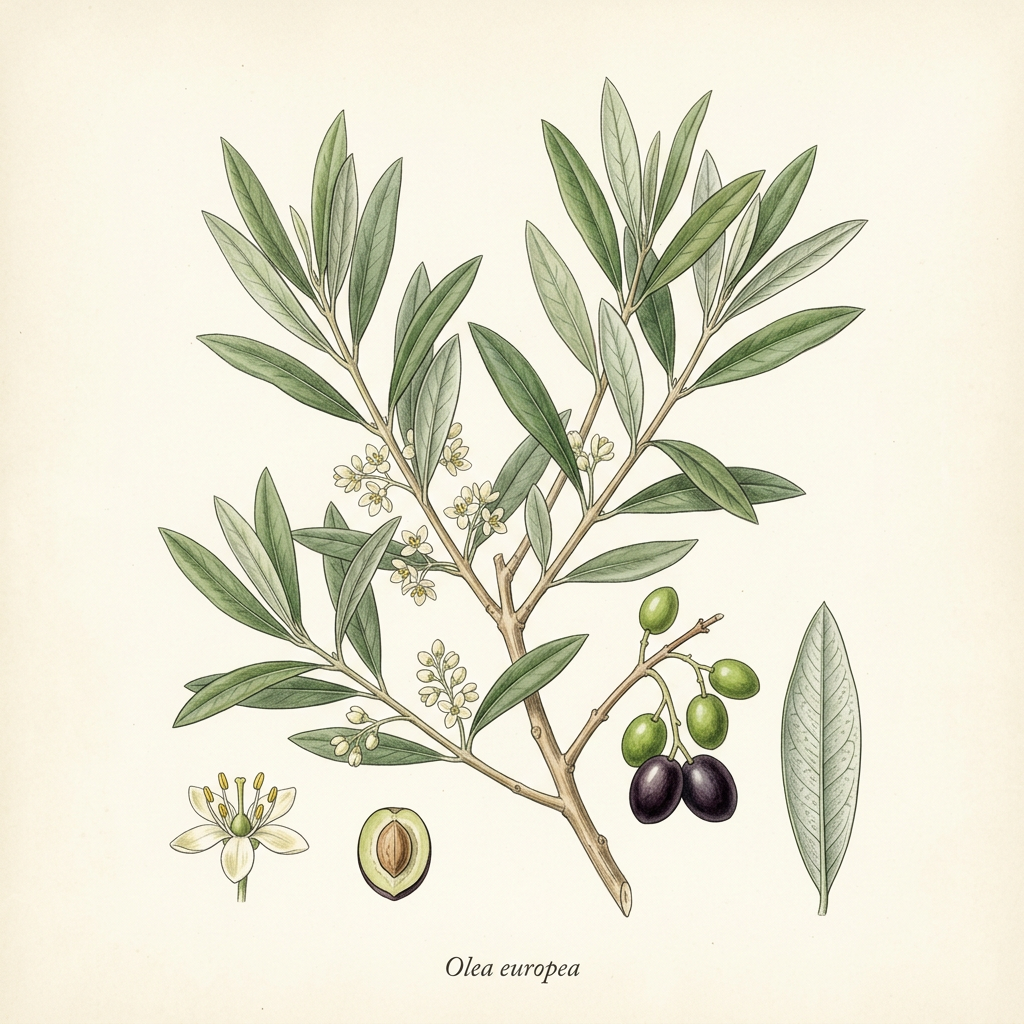
Olive Leaf

Olive Leaf

Olea europaea

low risk Risk
Oleaceae
Strengthening to the heart
<p>**Herb Name:** Olive Leaf **Scientific Name:** Olea europaea Olive leaf, derived from the ever-popular olive tree (Olea europaea), has a storied history rooted in ancient civilizations, particularly in Mediterranean and Middle Eastern cultures. Traditionally revered for its myriad health benefits, olive leaf has been utilized for centuries not only as a culinary herb but also as a natural remedy. Historical texts document its use by the Egyptians, Greeks, and Romans, who recognized its restorative properties and incorporated it into various medicinal practices. In modern herbalism, the leaves of the olive tree have gained prominence as a potent health ally, championed for their ability to support immune function and cardiovascular health. Rich in bioactive compounds, olive leaf boasts an array of therapeutic properties. Its antimicrobial activity is primarily attributed to oleuropein, a bitter compound that demonstrates efficacy against a spectrum of pathogens, including bacteria, viruses, and fungi. Additionally, studies have shown that olive leaf can help regulate blood pressure and improve overall cardiovascular health through its antioxidant properties, which combat oxidative stress and reduce inflammation. This multifaceted herb is also known for its immune-supporting abilities, enhancing the body’s defenses by promoting a balanced immune response. By providing a natural alternative to conventional treatments, olive leaf has emerged as a valuable resource in holistic health and wellness. The mechanisms through which olive leaf exerts its effects are diverse and compelling. Oleuropein not only acts as an antimicrobial, but it also supports the endothelial function of blood vessels, facilitating improved circulation and cardiovascular integrity. Furthermore, the antioxidative properties of olive leaf contribute to the neutralization of free radicals, decreasing cellular damage and promoting longevity. In addition, its compounds exhibit potential antiviral effects by inhibiting the replication of viruses at a cellular level, thereby supporting the body's defenses against infection. Collectively, these actions make olive leaf a revered botanical that harmonizes traditional wisdom with modern scientific inquiry, offering a comprehensive approach to health and well-being.</p>

Uses & Conditions

Immune Support
Antioxidant Activity
Cardiovascular Support
Hypertension
Hyperlipidaemia
Type 2 Diabetes
Angina
Atherosclerosis
Microbial Infection
Gastrointestinal Upset

Actions

Antimicrobial
Antioxidant
Hypocholesterolemic
Hypotensive
Blood Sugar Modulator

Parts Used

Leaf

Native Countries

Mediterranean

USDA Hardiness Zones

USDA 8-11

Contraindications

  • Pregnancy and breastfeeding
  • Hypotension
  • Scheduled elective surgery
  • Known allergy to Oleaceae family
  • Acute biliary obstruction

Potential Side Effects

  • Hypoglycaemia in susceptible individuals
  • Gastrointestinal upset

Interactions

  • Antihypertensive medication
  • Antidiabetic medication
  • Warfarin and antiplatelet drugs
  • Immunosuppressants

Dosages, tincture ratios & research — members only

Unlock Garreth's dosing guidance, tincture ratios, the dosage calculator and the research studies for Olive Leaf.

Your assessment and results stay saved — upgrading only unlocks more of them.

See membership plans

Community Photos

No community photos yet. Sign in to upload photos.

Reviews & Ratings

Sign in to leave a review.

No reviews yet. Be the first!

GF

Garreth Falls — B.Th., Dip. H.M., MNIMH

Content curated and reviewed by Garreth Falls, Consultant Medical Herbalist · The Wild Sage

Medical Disclaimer: This information is for educational purposes only and is not intended as medical advice. Always consult with qualified healthcare professionals before starting any herbal treatment.
Western tradition

Sustainability & quality

Abundant

Readily available as a by-product of the olive oil industry. Ensure leaves are sourced from pesticide-free orchards.

Key constituents

Antioxidant, Antimicrobial, acetogenins, Chalcones, flavonoids, Coumarin, Iridoid glycosides, Phenolic compounds, Luteolin, Kaempferol, Chrysoeriol, Apigenin

References

  1. Bone & Mills "Principles and Practice of Phytotherapy" 2nd ed. 2013
  2. ESCOP Monographs 2nd ed. 2003
  3. Herbal Reality. Herb monographs. herbalreality.com

Reviewed by Garreth, Medical Herbalist (MNIMH) · November 2026

Related conditions

Explore conditions where Olive Leaf is traditionally used.

Related Herbs
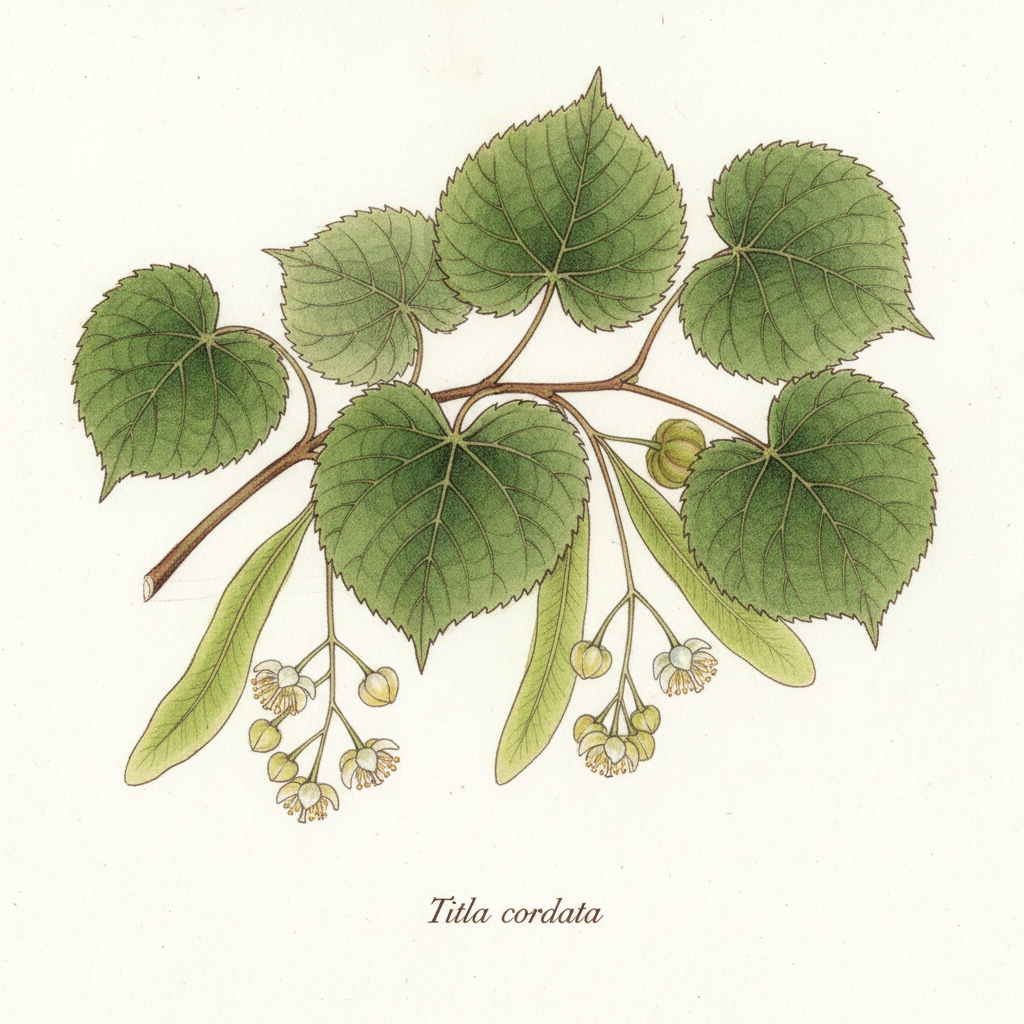
Tilia

Tilia

Tilia cordata

Stress relief
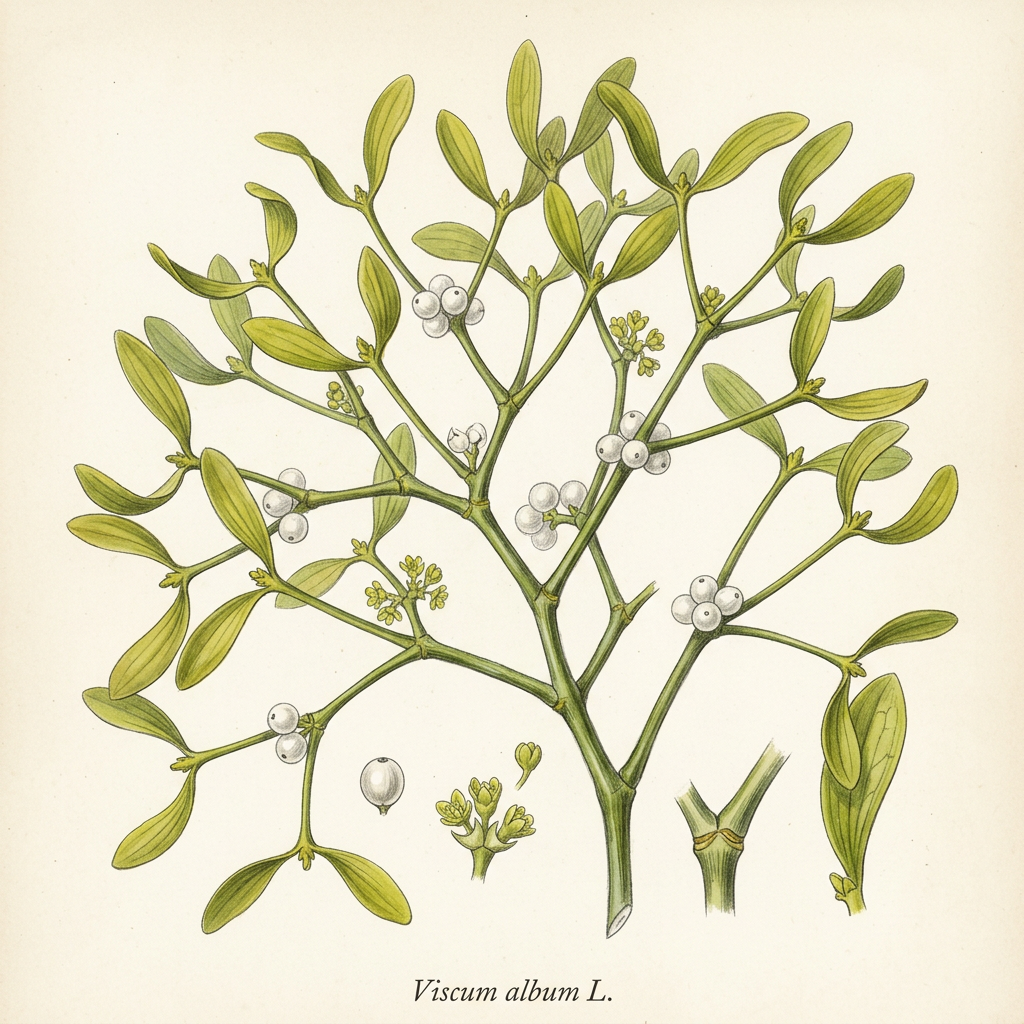
Mistletoe

Mistletoe

Viscum album

Immune Support
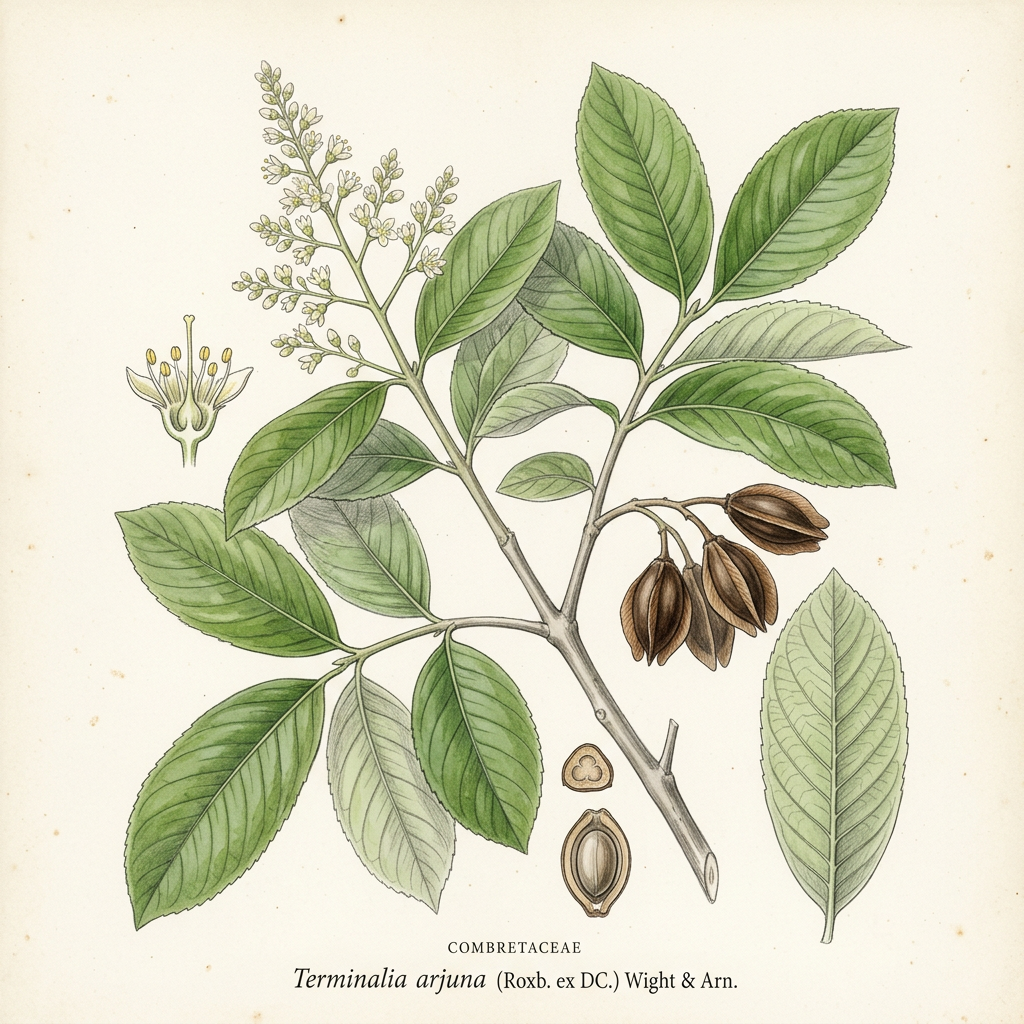
Terminalia arjuna

Terminalia arjuna

Terminalia arjuna

Blood Sugar Regulation
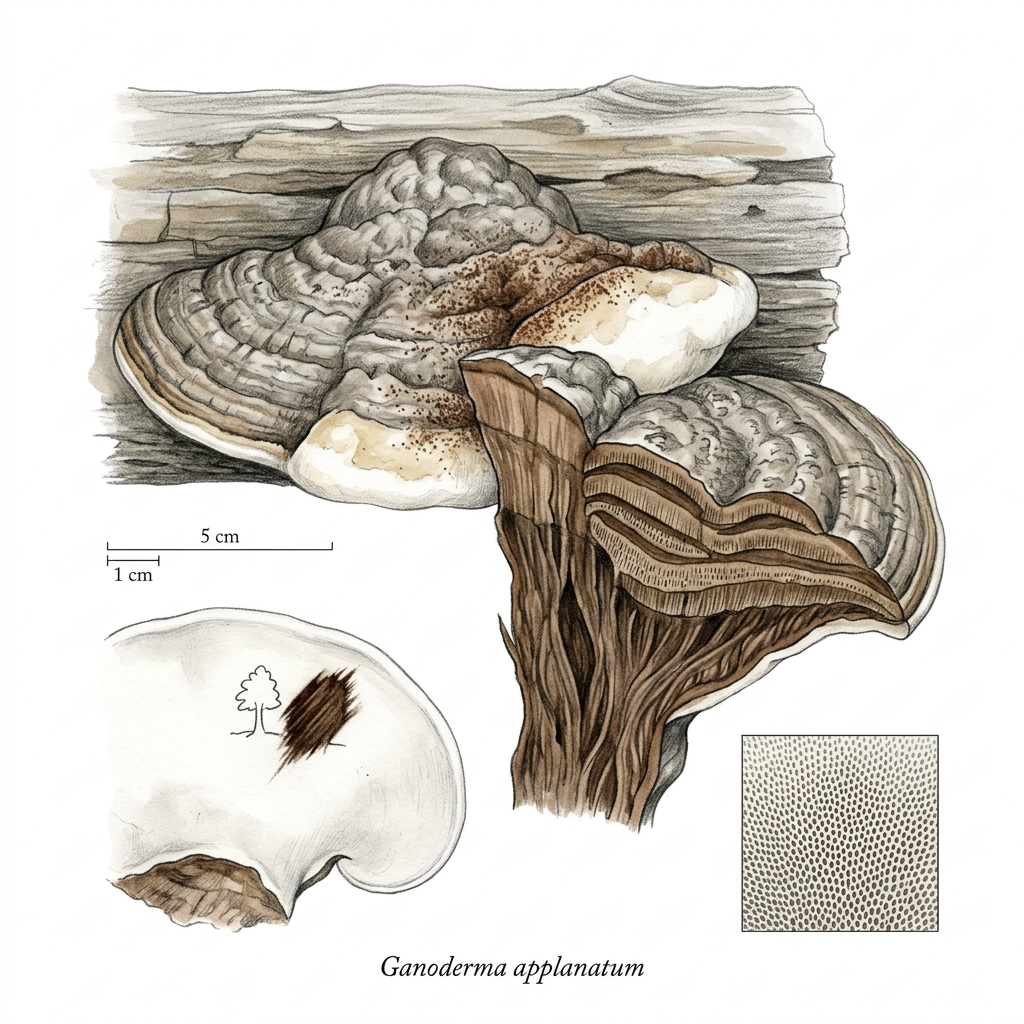
Artist's Conk

Artist's Conk

Ganoderma applanatum

Immune Support