The Wild Sage logo
The Wild Sage Logo

Herbal Medicine at your fingertips

Comprehensive database of herbal remedies with detailed safety information and traditional uses

New to herbal terms? Read the glossary →
ADHD
Abcess
Acid Reflux Relief
Acinetobacter
Acne
Acne Vulgaris
Addisons
Adenomyosis
Adenovirus
Adrenal fatigue
Aging
Aids
Alcaligenes faecalis
Alcoholism
Allergic Rhinitis
Allergies
Allergy
Alopoecia
Alopoecia nervosa
Alzheimer's, Dementia & Cognitive Decline
420 herbs found
Important: This information is for educational purposes only. Always consult with qualified healthcare professionals before using herbal remedies, especially if you have existing health conditions or take medications.
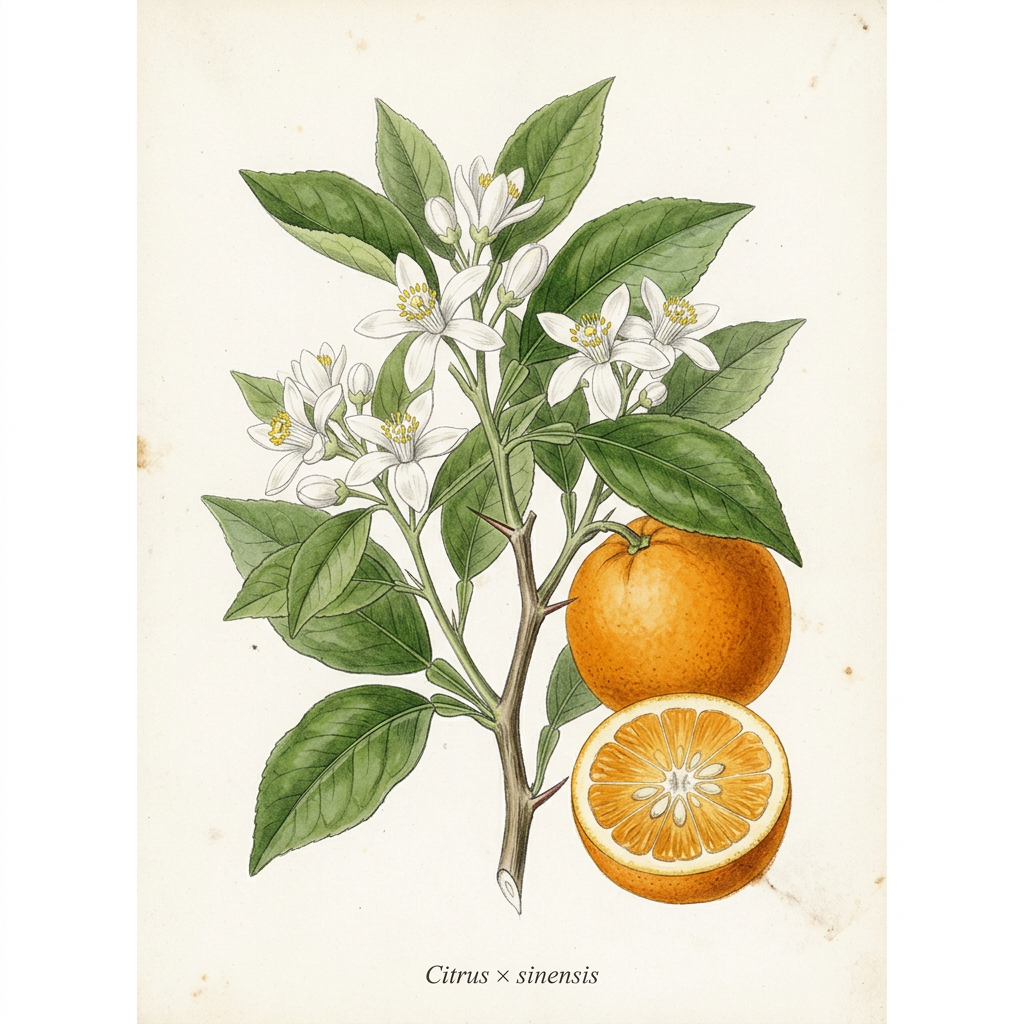
Orange

Orange

Citrus sinensis

low risk Risk
Rutaceae
cooling, moist, sweet, sour
<p>Citrus sinensis, commonly known as the sweet orange, is a member of the Rutaceae family. It is an evergreen tree characterised by its glossy, ovate leaves, fragrant white blossoms, and the iconic spherical, citrus-scented fruit. Native to Asia, it is now cultivated widely in subtropical climates globally. Botanically, the medicinal focus lies primarily on the exocarp, or the outer brightly coloured rind, which contains a complex profile of volatile oils and flavonoids.</p><p>Historically, the orange has been valued in traditional systems, including Traditional Chinese Medicine and European domestic herbalism, as a digestive tonic and a remedy for low mood. It was traditionally used for its carminative properties to ease bloating and dyspepsia, and as a gentle aromatic sedative to soothe nervous tension. The peel was frequently incorporated into liqueurs and teas to improve the flavour profile and provide gentle physiological support to the gut-brain axis.</p><p>Modern research into the essential oil and flavanones, such as hesperidin, suggests that Orange may possess mild antioxidant and anti-inflammatory properties. While clinical evidence remains limited, it is used in practice today by herbalists primarily as a nervine to assist with anxiety or restlessness and as a digestive bitter to stimulate appetite. The aromatic qualities of the oil are also frequently employed in aromatherapy to support emotional well-being and uplift the spirits.</p><p>In contemporary practice, the rind is used in moderate doses to ensure palatability and efficacy. It is frequently blended with other herbs, such as Chamomile or Lemon Balm, to create a synergy for nervous exhaustion or mild digestive upset. While generally considered safe for most, practitioners remain mindful of the photosensitivity associated with citrus essential oils and the potential for herb-drug interactions in sensitive individuals.</p>

Uses & Conditions

Immune Support
Skin Health
Anxiety Disorders
Depression
Insomnia
Digestive Issues
Dyspepsia
Stress
Panic Disorder
Gastro-oesophageal Reflux Disease
Oxidant Stress
Immune Deficiency
Allergy

Actions

Antimicrobial
Anti-viral
NFkB Inhibitor
Anti-coagulant
Wound Healing

Parts Used

Dried fruit peel (pericarp)
Essential oil expressed from the peel
Dried flowers

Native Countries

China
India
Southeast Asia
Mediterranean regions
United States

USDA Hardiness Zones

9
10
11

Contraindications

  • Avoid therapeutic doses during pregnancy unless under professional guidance due to the high concentration of volatile oils.
  • Do not apply essential oil topically to skin immediately before sun exposure to avoid photosensitivity.
  • Individuals with known allergies to Rutaceae family members should avoid use.
  • Those suffering from severe gastro-oesophageal reflux disease may find the acidity exacerbates symptoms.

Potential Side Effects

  • Contact dermatitis when using concentrated essential oils on broken or sensitive skin.
  • Photosensitivity reactions
  • including redness or skin irritation
  • following topical application.
  • Occasional mild indigestion if consumed in excessive quantities.

Interactions

  • CYP3A4 substrates: Citrus sinensis may inhibit cytochrome P450 enzymes, potentially altering the metabolism of drugs such as certain statins or calcium channel blockers.
  • Anticoagulants: Potential additive effects with antiplatelet medication.

Dosages, tincture ratios & research — members only

Unlock Garreth's dosing guidance, tincture ratios, the dosage calculator and the research studies for Orange.

Your assessment and results stay saved — upgrading only unlocks more of them.

See membership plans

Community Photos

No community photos yet. Sign in to upload photos.

Reviews & Ratings

Sign in to leave a review.

No reviews yet. Be the first!

GF

Garreth Falls — B.Th., Dip. H.M., MNIMH

Content curated and reviewed by Garreth Falls, Consultant Medical Herbalist · The Wild Sage

Medical Disclaimer: This information is for educational purposes only and is not intended as medical advice. Always consult with qualified healthcare professionals before starting any herbal treatment.
Western tradition

Sustainability & quality

Abundant

Global agricultural product. Ensure organic certification to avoid chemical residues, especially when using the whole fruit or peel.

Key constituents

Terpenes, Farnesol, Geraniol monoterpene, Linalol, Linalyl acetate, limonene, Methyl Antranilate, Menthylacetate, Nerol, Neryl acetate, phenylacetic acid, Terpineol

References

  1. EMA/HMPC Community Herbal Monograph
  2. Herbal Reality. Herb monographs. herbalreality.com

Reviewed by Garreth, Medical Herbalist (MNIMH) · November 2026

Related conditions

Explore conditions where Orange is traditionally used.

Related Herbs
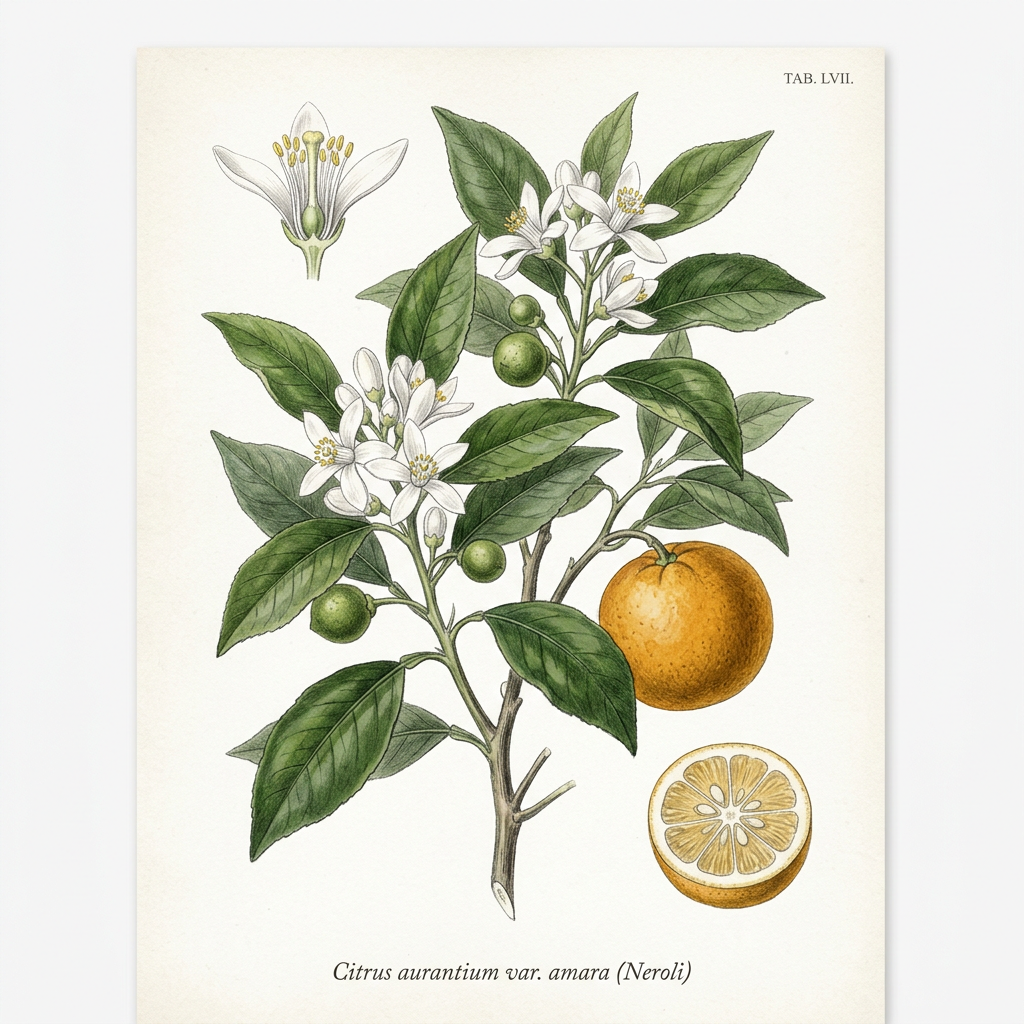
Neroli

Neroli

Citrus aurantium

Mood Enhancement
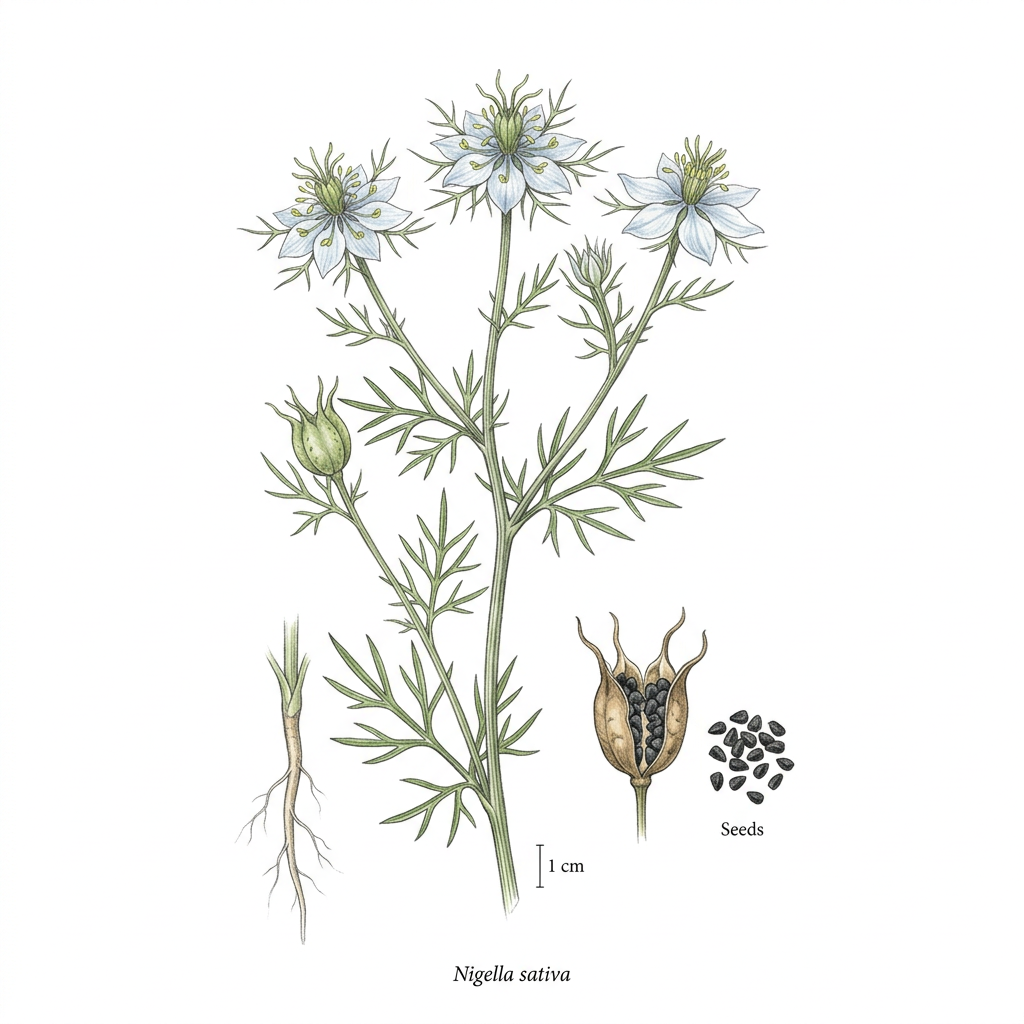
Black Cumin Seed

Black Cumin Seed

Nigella sativa

Antioxidant Support
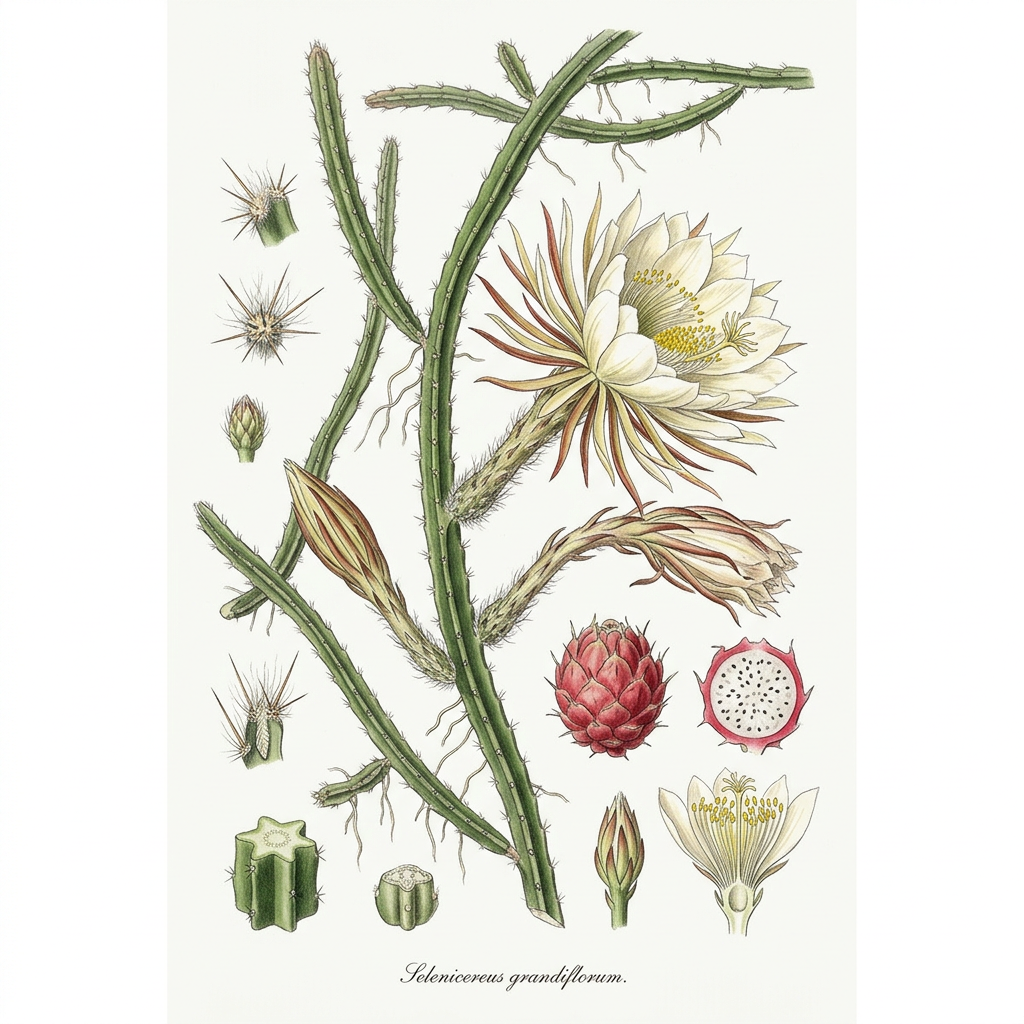
Evening flowering cactus

Evening flowering cactus

Selenicereus grandiflorus
Stress Relief
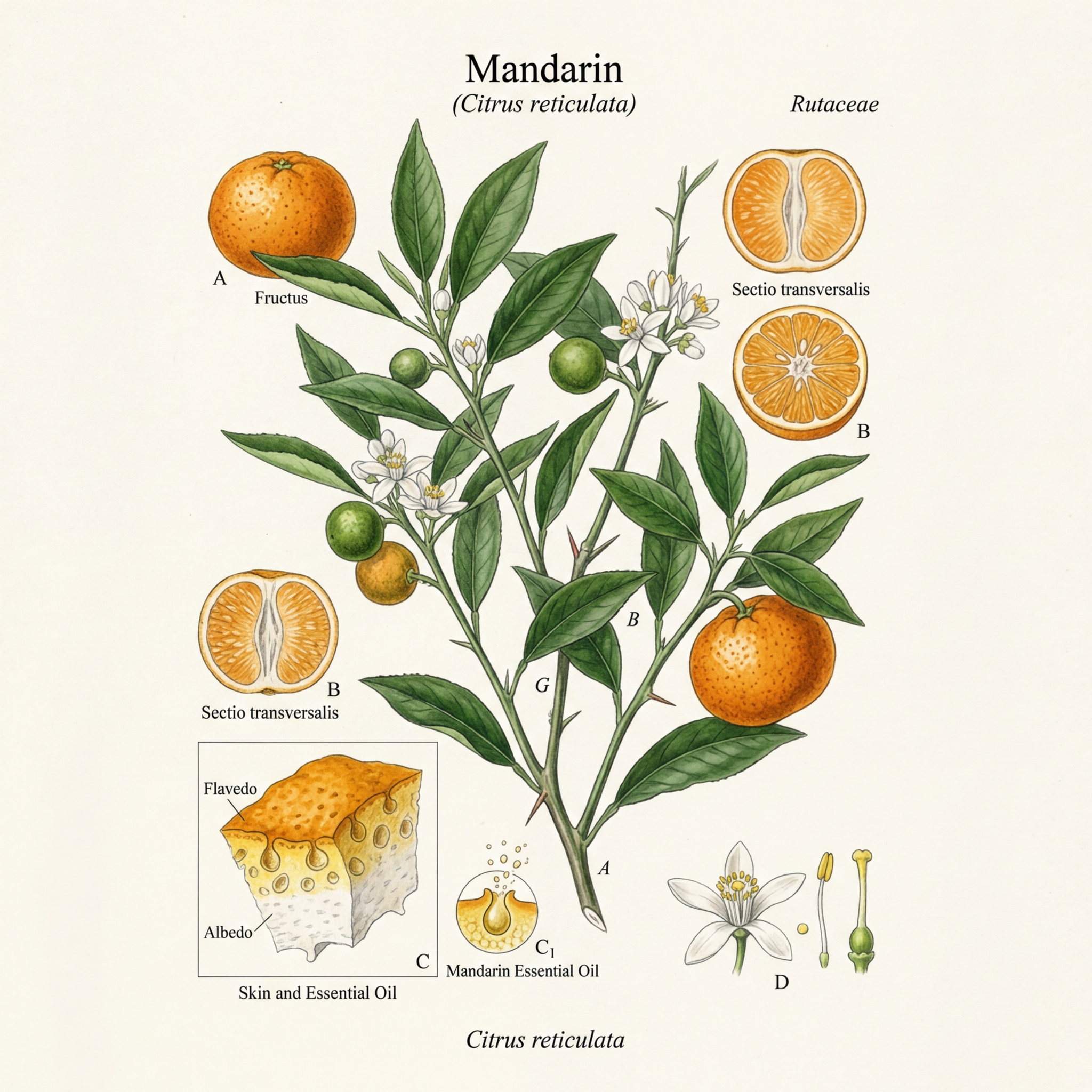
Mandarin

Mandarin

Citrus reticulata

Cognitive Enhancement