

Herbal Medicine at your fingertips
Comprehensive database of herbal remedies with detailed safety information and traditional uses
New to herbal terms? Read the glossary →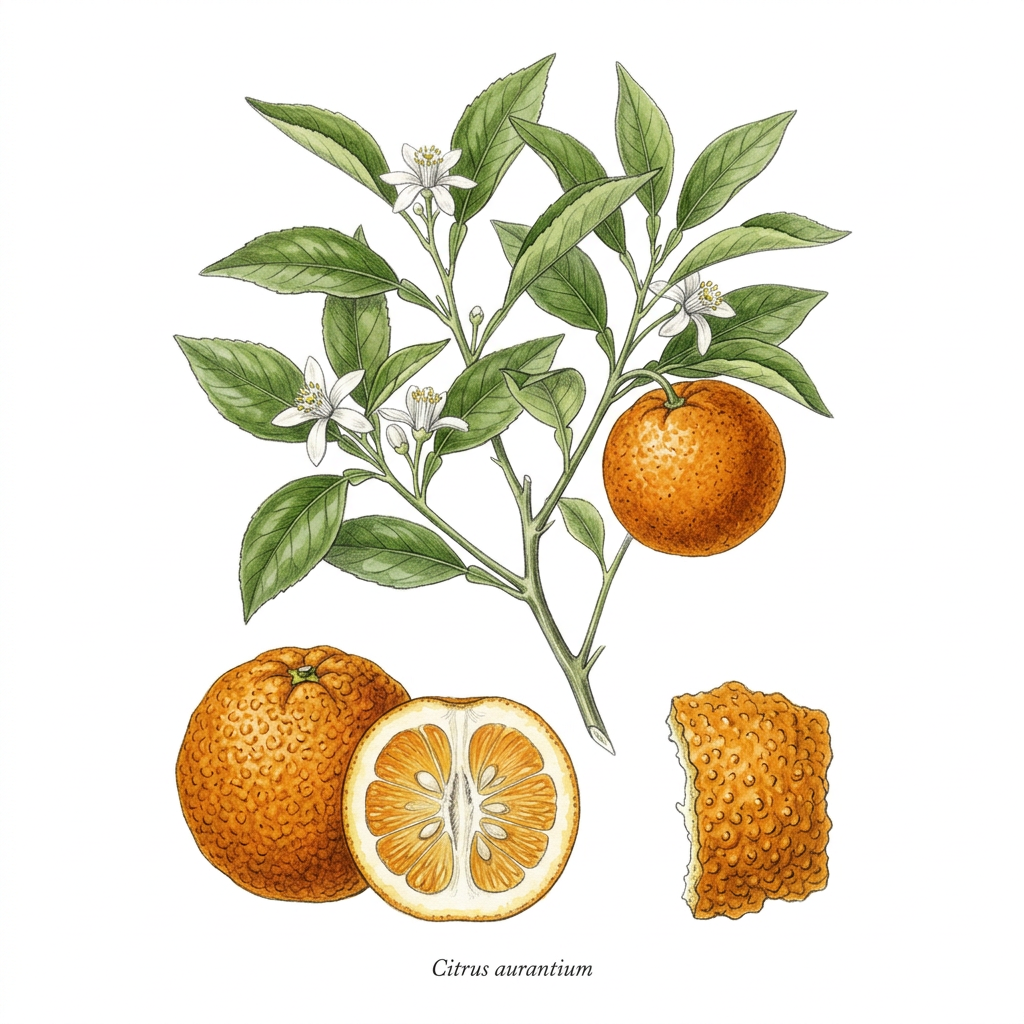
Orange Bitter
Citrus aurantium
Citrus aurantium, commonly known as bitter orange, has a rich history steeped in traditional herbal medicine, particularly in regions such as the Mediterranean, Asia, and the Americas. This intriguing species, a member of the Rutaceae family, has been utilized for centuries for its myriad health benefits. Historically, the fruit, leaves, and flowers of Citrus aurantium have been employed in various practices, including traditional Chinese medicine and Western herbalism, where they are revered for their therapeutic potential. The fruit is sometimes referred to as "sour orange," and its essential oil has been incorporated into culinary applications, perfumery, and natural remedies, showcasing its versatility and cultural significance.
The therapeutic properties of Citrus aurantium are extensive, making it a valuable herb in contemporary and traditional healing systems alike. Its primary actions include promoting skin health, supporting immune function, and aiding digestion. The compounds found within the fruit, such as flavonoids and alkaloids, contribute to its anti-inflammatory and antioxidant effects. Additionally, recent studies have highlighted the herb's potential to enhance metabolic function, making it a focus in modern weight management formulations. The presence of synephrine, a compound structurally similar to ephedrine, suggests it may support thermogenesis and promote energy expenditure, although its use should always be approached with caution.
When consumed, Citrus aurantium works synergistically within the body, delivering its benefits through several mechanisms. The antioxidants present help neutralize free radicals, offering protective effects at a cellular level, particularly for skin health. The herb’s immune-boosting properties stem from its ability to modulate inflammatory pathways, ultimately enhancing the body's response to pathogens. Additionally, its natural compounds may support gastrointestinal health by stimulating digestive juices, promoting nutrient absorption, and relieving discomfort associated with dyspepsia. Overall, Citrus aurantium stands out as a multi-faceted herb, bridging the gap between traditional practices and modern scientific inquiry, and continues to offer a wealth of health benefits that align with holistic wellness approaches.
Uses & Conditions
Actions
Synonyms
Parts Used
Native Countries
USDA Hardiness Zones
Contraindications
- Pregnancy and breastfeeding
- Uncontrolled hypertension
- Cardiac arrhythmias
- Glaucoma
- Pre-surgical: Discontinue use at least two weeks before elective surgery
Potential Side Effects
- Tachycardia and palpitations
- Increased blood pressure
- Gastrointestinal upset or nausea
- Photosensitivity if essential oil is applied to skin exposed to ultraviolet light
Interactions
- CYP3A4 inhibitors: May increase blood levels of medications such as statins, calcium channel blockers, and benzodiazepines
- Sympathomimetic agents: Co-administration with stimulants or decongestants may cause an additive increase in heart rate and blood pressure
- MAO inhibitors: Potential risk of hypertensive crisis
- Antihypertensive medication: May interfere with the efficacy of blood pressure lowering drugs
Dosages, tincture ratios & research — members only
Unlock Garreth's dosing guidance, tincture ratios, the dosage calculator and the research studies for Orange Bitter.
Your assessment and results stay saved — upgrading only unlocks more of them.
See membership plansCommunity Photos
No community photos yet. Sign in to upload photos.
Reviews & Ratings
Sign in to leave a review.
No reviews yet. Be the first!
Garreth Falls — B.Th., Dip. H.M., MNIMH
Content curated and reviewed by Garreth Falls, Consultant Medical Herbalist · The Wild Sage
Sustainability & quality
CultivatedWidely cultivated commercially; prioritize organic citrus to avoid rind pesticides.
Key constituents
citrus compounds, Antioxidant, Terpenes, Farnesol, Geraniol monoterpene, Linalol, Linalyl acetate, limonene, Methyl Antranilate, Menthylacetate, Nerol, Neryl acetate, phenylacetic acid, Terpineol
References
- ESCOP Monographs 2nd ed. 2003
- EMA/HMPC Community Herbal Monograph
- Bensky "Chinese Herbal Medicine: Materia Medica" 3rd ed. 2004
- Herbal Reality. Herb monographs. herbalreality.com
Related conditions
Explore conditions where Orange Bitter is traditionally used.
Related Herbs
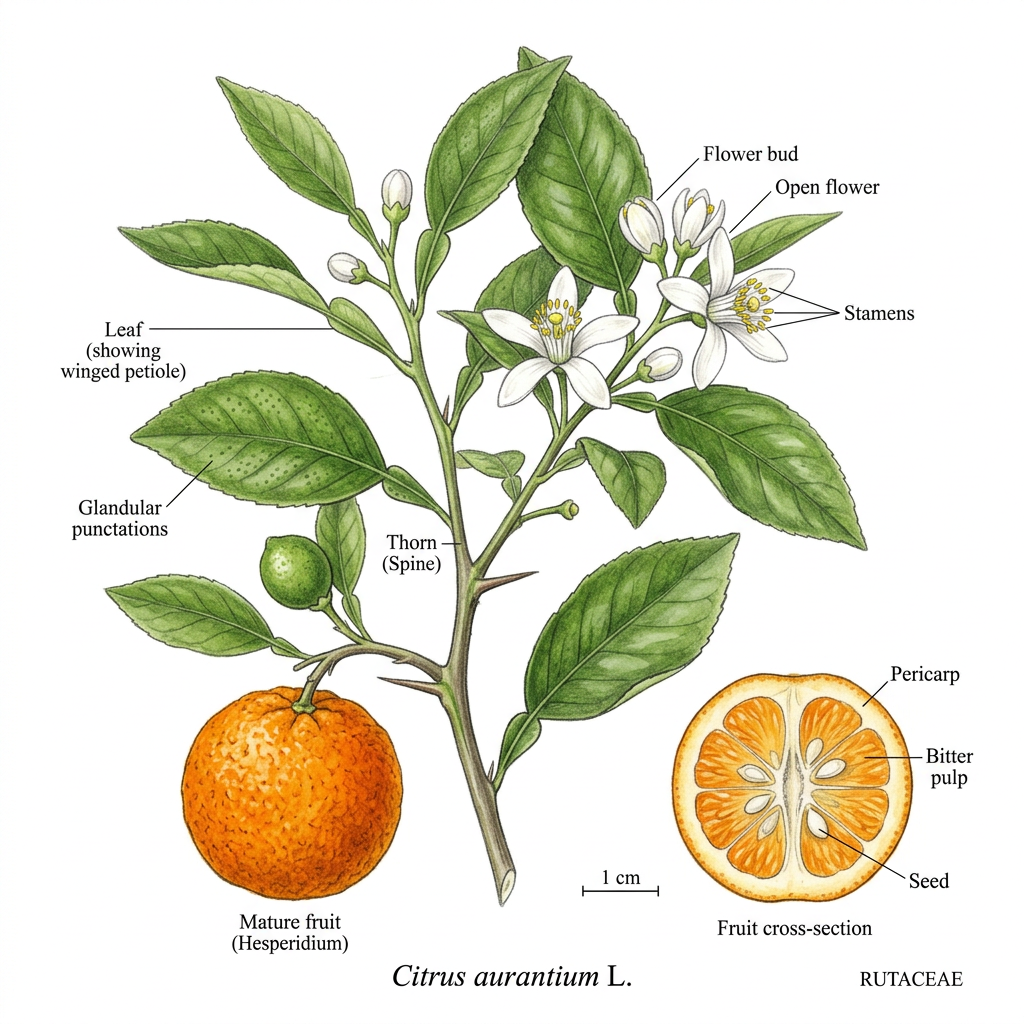
Bitter Orange
Citrus aurantium
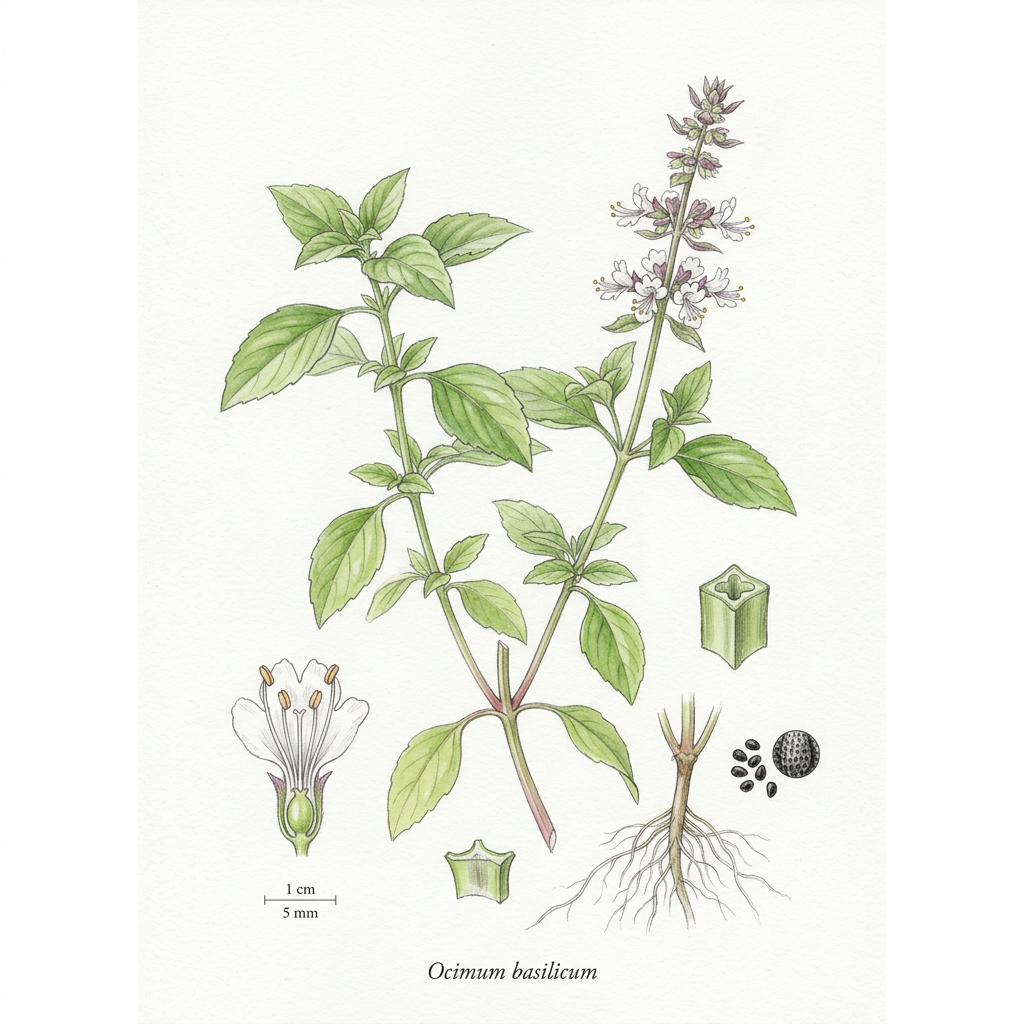
Basil
Ocimum basilicum
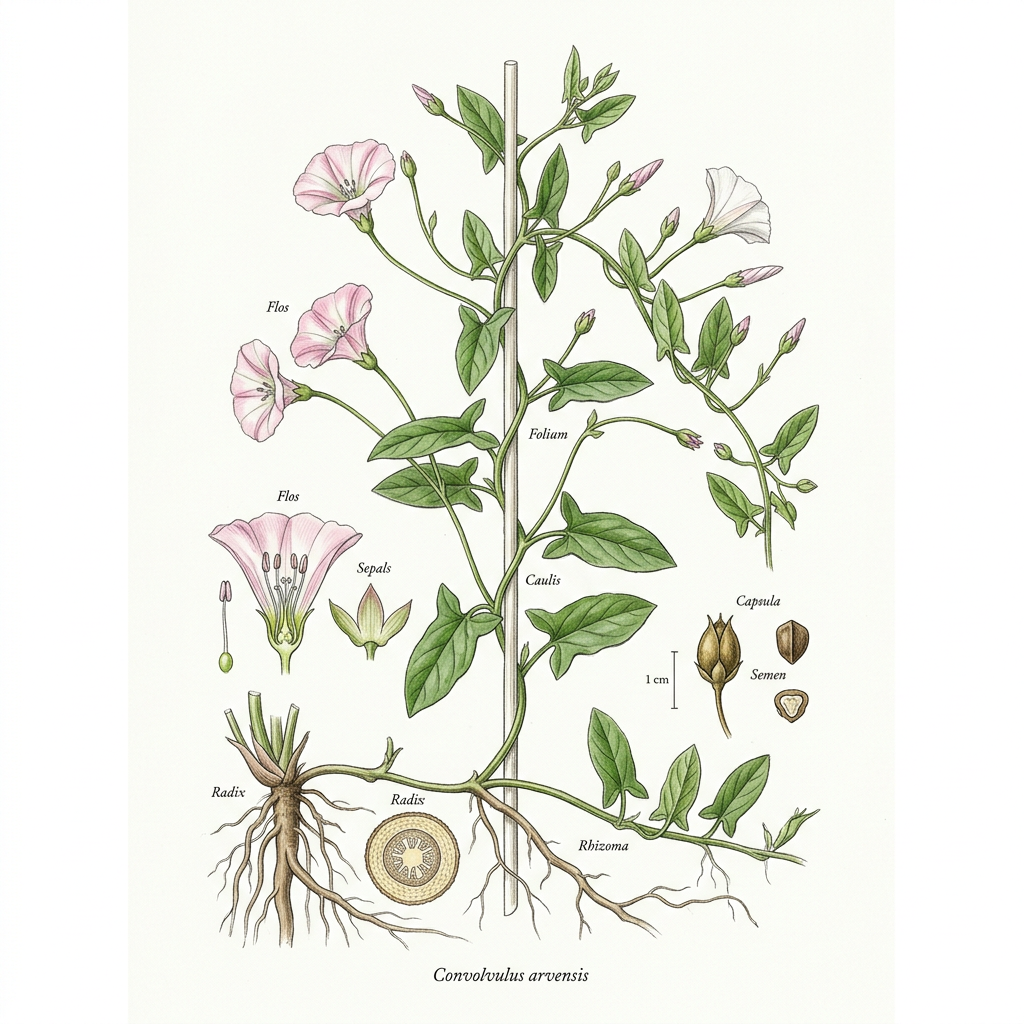
Field bindweed
Convolvulus arvensis
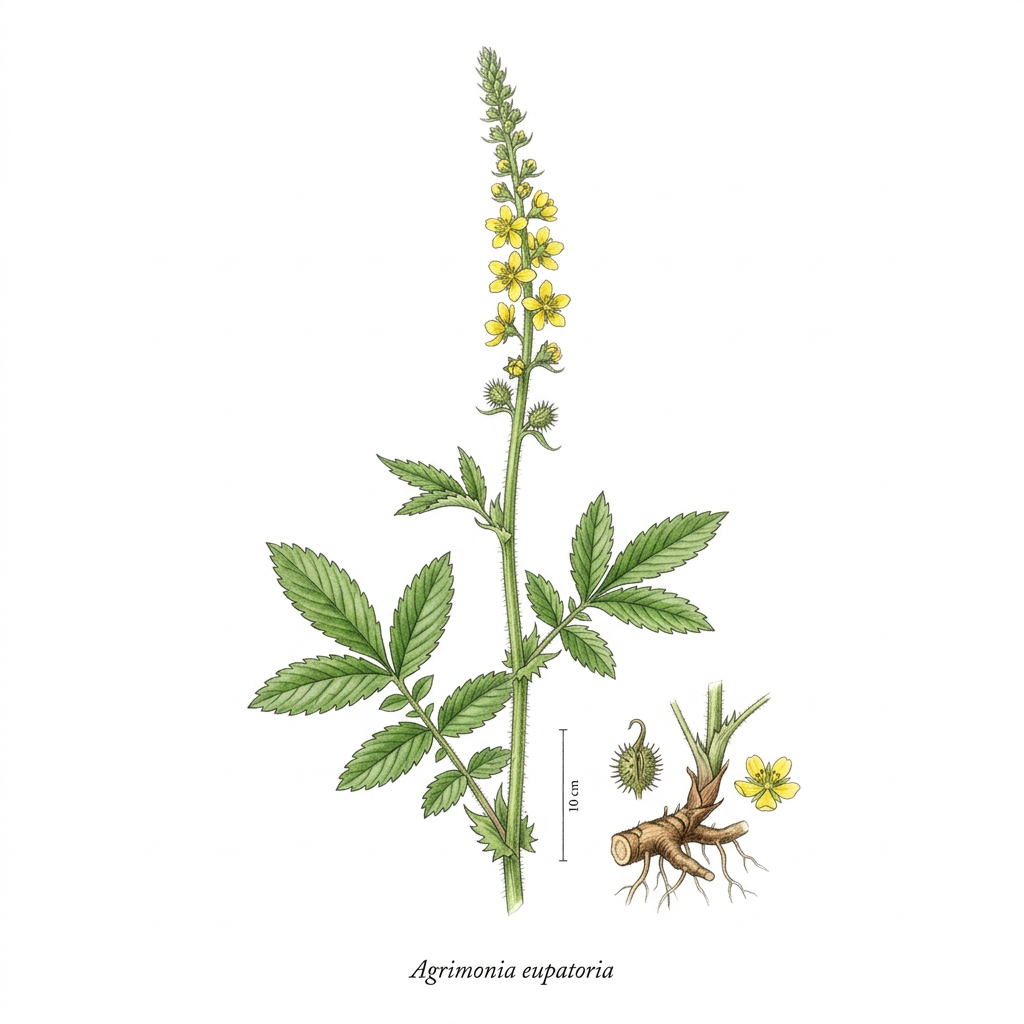
Agrimony
Agrimonia eupatoria