The Wild Sage logo
The Wild Sage Logo

Herbal Medicine at your fingertips

Comprehensive database of herbal remedies with detailed safety information and traditional uses

New to herbal terms? Read the glossary →
ADHD
Abcess
Acid Reflux Relief
Acinetobacter
Acne
Acne Vulgaris
Addisons
Adenomyosis
Adenovirus
Adrenal fatigue
Aging
Aids
Alcaligenes faecalis
Alcoholism
Allergic Rhinitis
Allergies
Allergy
Alopoecia
Alopoecia nervosa
Alzheimer's, Dementia & Cognitive Decline
420 herbs found
Important: This information is for educational purposes only. Always consult with qualified healthcare professionals before using herbal remedies, especially if you have existing health conditions or take medications.
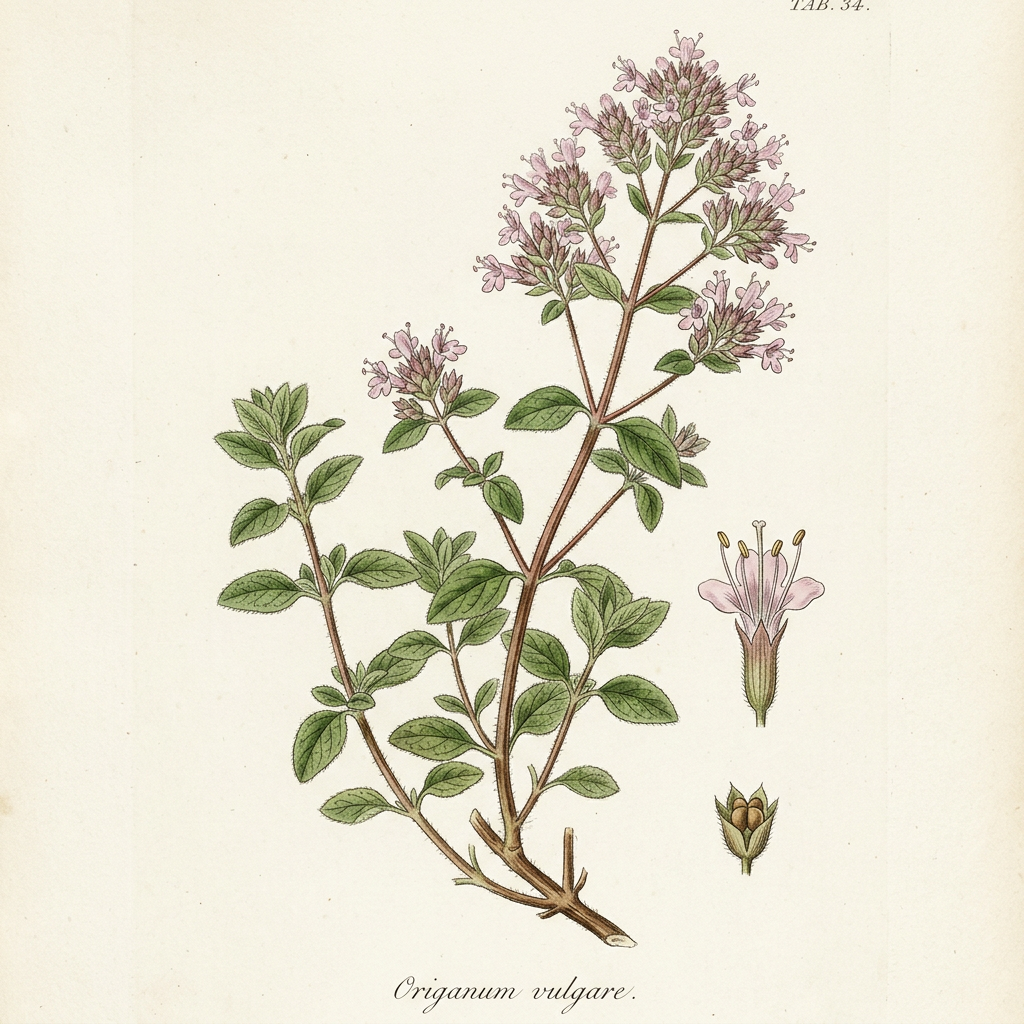
Oregano

Oregano

Origanum vulgare

moderate risk Risk
Lamiaceae
Promotes warmth, enhances digestion, and supports emotional balance.
<p>Oregano, a perennial herb belonging to the Lamiaceae family, is renowned for both its culinary and medicinal properties. Its origins trace back to ancient Greece, where it was celebrated not only as a flavoring agent in various dishes but also as a symbol of joy and happiness. Traditional herbal medicine has long utilized oregano for its broad spectrum of therapeutic applications, grounded in centuries of empirical use. Ancient cultures, including those of the Romans and Greeks, historically relied on oregano to address a variety of ailments, from digestive issues to respiratory conditions, highlighting its esteemed position within herbal lore. Oregano possesses a remarkable array of therapeutic properties, making it a vital component of natural medicine. Primarily recognized for its potent anti-inflammatory and antimicrobial effects, it is also valued as a digestive aid. The active compounds in oregano, such as carvacrol and thymol, contribute significantly to its ability to inhibit pathogenic bacteria and fungi, thereby promoting health and well-being. When consumed, oregano may support the immune system by enhancing the body’s ability to ward off infections, while its anti-inflammatory properties can alleviate discomfort associated with conditions such as arthritis. Additionally, oregano is known to aid in digestion by stimulating the production of digestive enzymes, thus enhancing nutrient absorption and mitigating gastrointestinal distress. The efficacy of oregano's therapeutic properties can be attributed to its complex phytochemical profile. The volatile oils, primarily carvacrol, exert antimicrobial activity by disrupting the cell membranes of bacteria and fungi, leading to their inactivation. Simultaneously, oregano's anti-inflammatory effects are mediated through the modulation of various biochemical pathways, including the inhibition of pro-inflammatory cytokines. This multifaceted action not only supports overall immune function but also contributes to the maintenance of digestive health. With its rich historical use and contemporary recognition, oregano stands as a testament to the enduring wisdom of herbal medicine, continuing to earn its place as a revered herb in both kitchens and apothecaries around the world.</p>

Uses & Conditions

Digestive Comfort
Improved Mobility
Osteoarthritis
Dyspepsia
Anxiety
Inflammation
Respiratory Conditions
Cognitive Performance
Dysbiosis
Bronchiectasis
Crohn's Disease
Enterococcus
Pain Relief
Gastrointestinal Symptoms

Actions

Anti-inflammatory
Antimicrobial
Cognitive Support
NFkB Inhibitor
TNF-a Reduction
Antibacterial
Antifungal
Anxiolytic

Parts Used

Aerial parts

Native Countries

Mediterranean

USDA Hardiness Zones

USDA 5-10

Contraindications

  • Pregnancy: avoid therapeutic doses due to potential emmenagogue effects
  • Breastfeeding: avoid medicinal amounts due to lack of safety data
  • Known allergy to the Lamiaceae family
  • Surgery: avoid high medicinal doses at least two weeks prior to elective procedures
  • Severe iron deficiency anaemia: exercise caution with long-term use of concentrated infusions

Potential Side Effects

  • Gastrointestinal irritation
  • Mild heartburn
  • Topical: severe skin irritation
  • contact dermatitis
  • or mucosal burning if using undiluted essential oil

Interactions

  • Anticoagulant or antiplatelet medications: potential increased risk of bruising or bleeding
  • Antidiabetic medications: potential for additive hypoglycaemic effects
  • Iron supplements: potential reduced absorption if taken simultaneously
  • Lithium: potential for decreased excretion leading to increased serum levels

Dosages, tincture ratios & research — members only

Unlock Garreth's dosing guidance, tincture ratios, the dosage calculator and the research studies for Oregano.

Your assessment and results stay saved — upgrading only unlocks more of them.

See membership plans

Community Photos

No community photos yet. Sign in to upload photos.

Reviews & Ratings

Sign in to leave a review.

No reviews yet. Be the first!

GF

Garreth Falls — B.Th., Dip. H.M., MNIMH

Content curated and reviewed by Garreth Falls, Consultant Medical Herbalist · The Wild Sage

Medical Disclaimer: This information is for educational purposes only and is not intended as medical advice. Always consult with qualified healthcare professionals before starting any herbal treatment.
Western tradition

Sustainability & quality

Cultivated

Widely cultivated for both culinary and medicinal use. Ensure sourcing from high-quality essential oil-rich crops, as quality can vary significantly by terroir.

Key constituents

Carvacrol, Thymol, Rosmarinic acid, Terpinen-4-ol, Caryophyllene, Linalool, Flavonoids, Tannins

References

  1. ESCOP Monographs 2nd ed. 2003
  2. EMA/HMPC Community Herbal Monograph
  3. Herbal Reality. Herb monographs. herbalreality.com

Reviewed by Garreth, Medical Herbalist (MNIMH) · November 2026

Related conditions

Explore conditions where Oregano is traditionally used.

Related Herbs
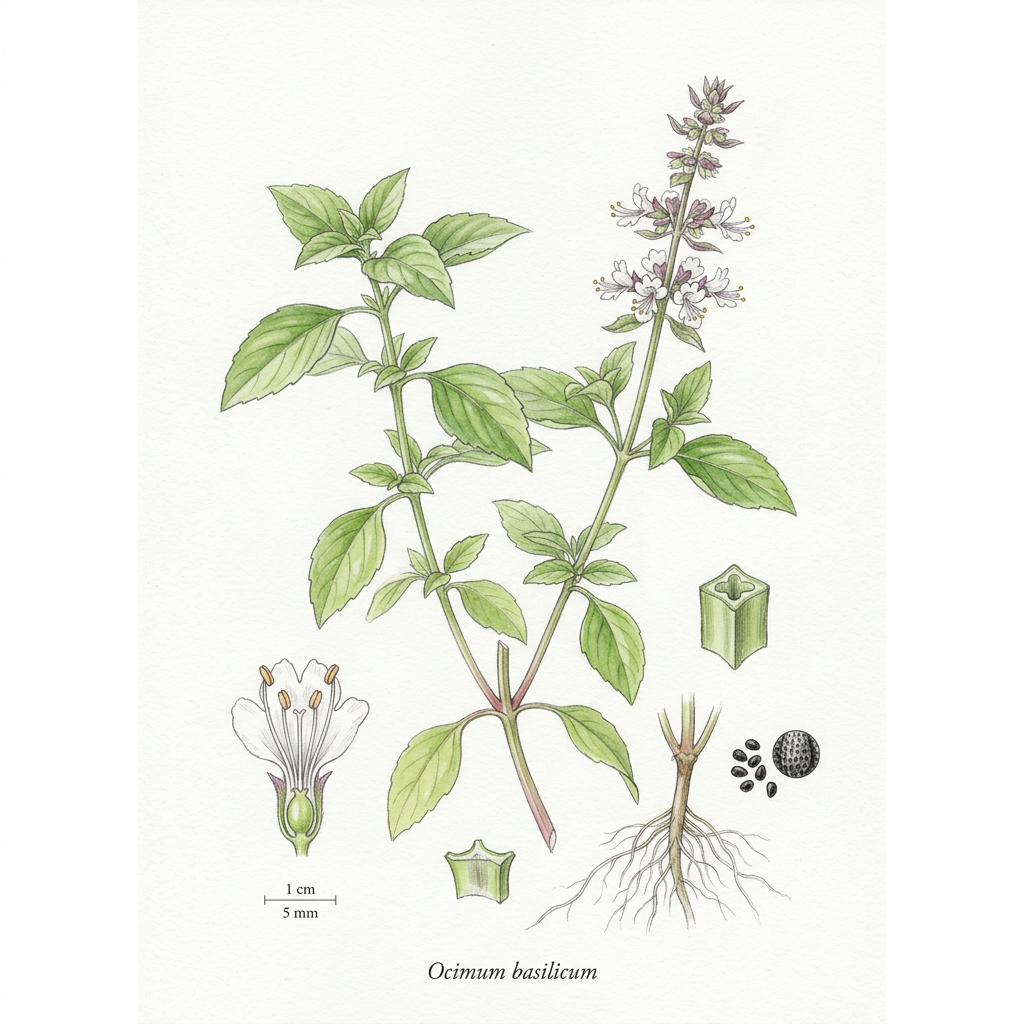
Basil

Basil

Ocimum basilicum

Convalescence
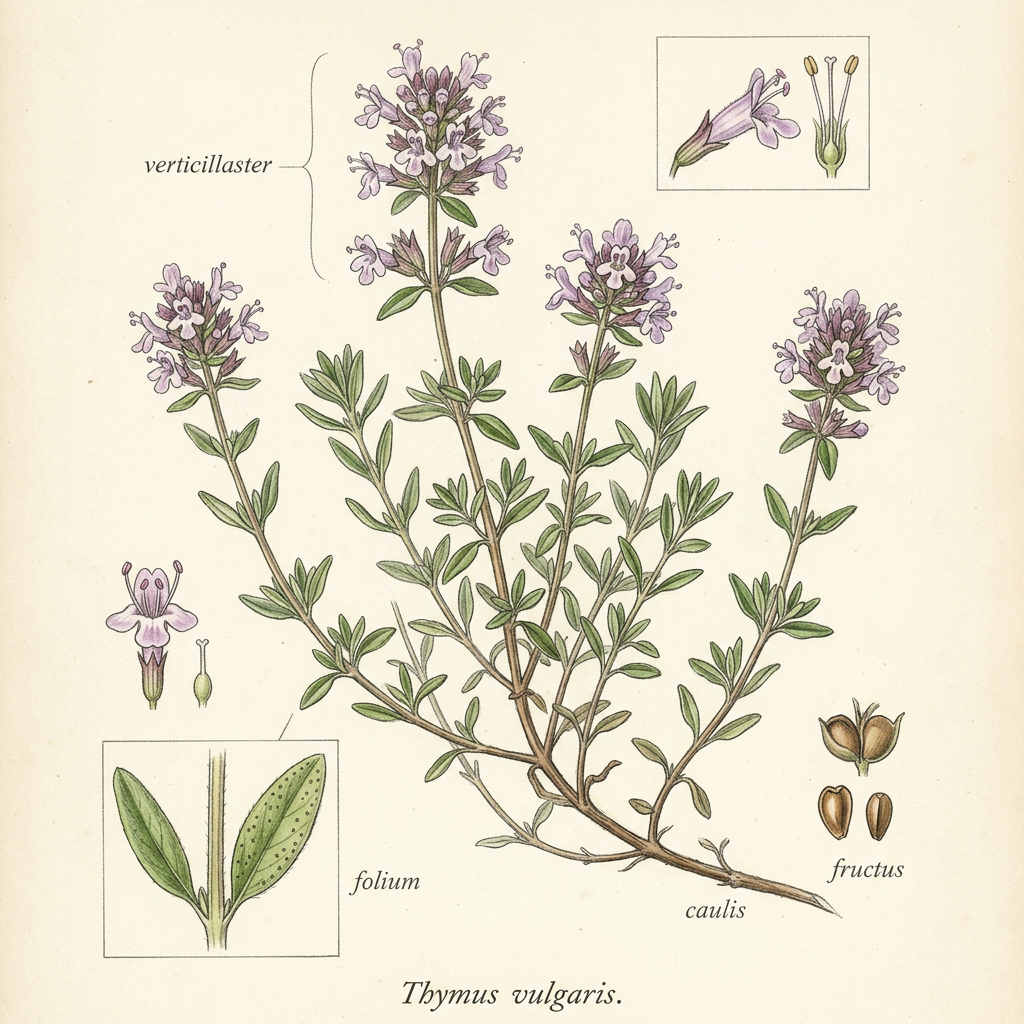
Thyme

Thyme

Thymus vulgaris

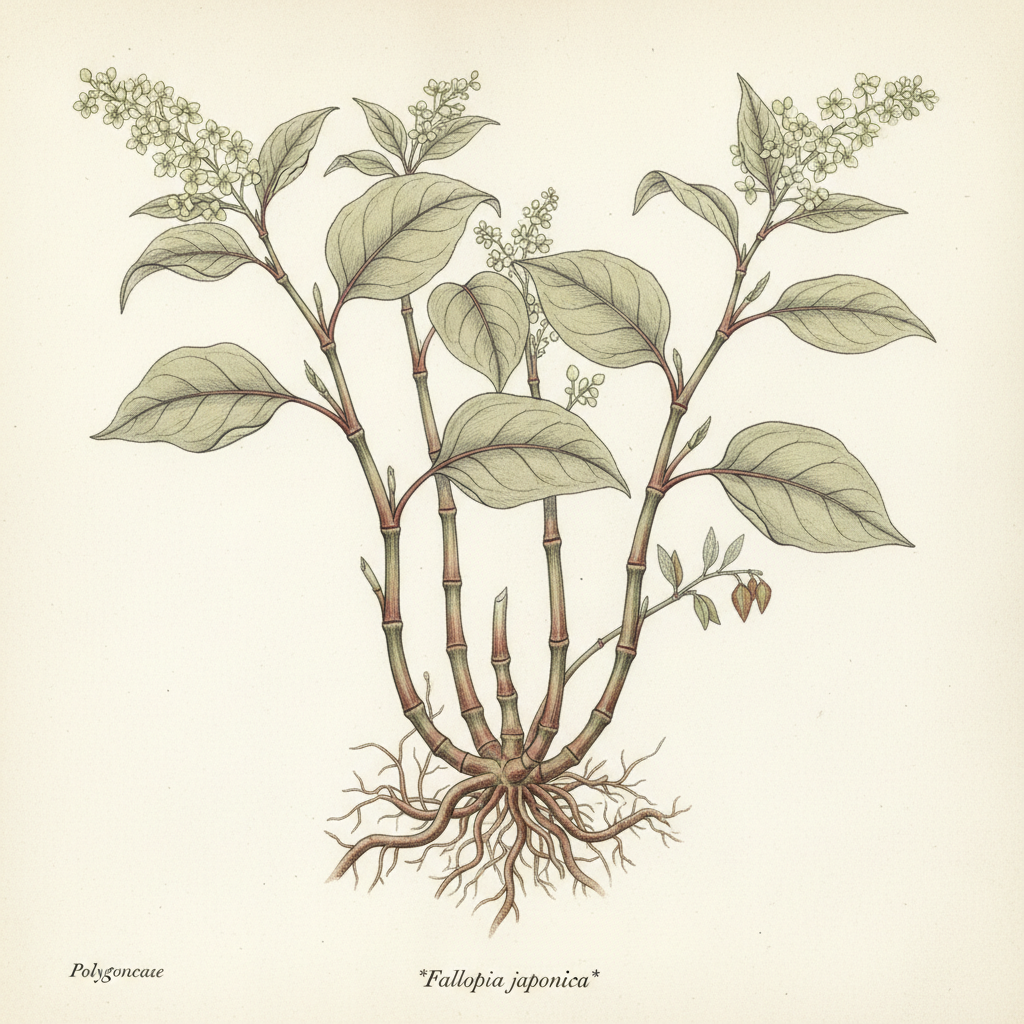
Japanese Knotweed

Japanese Knotweed

Fallopia japonica

Immune Support
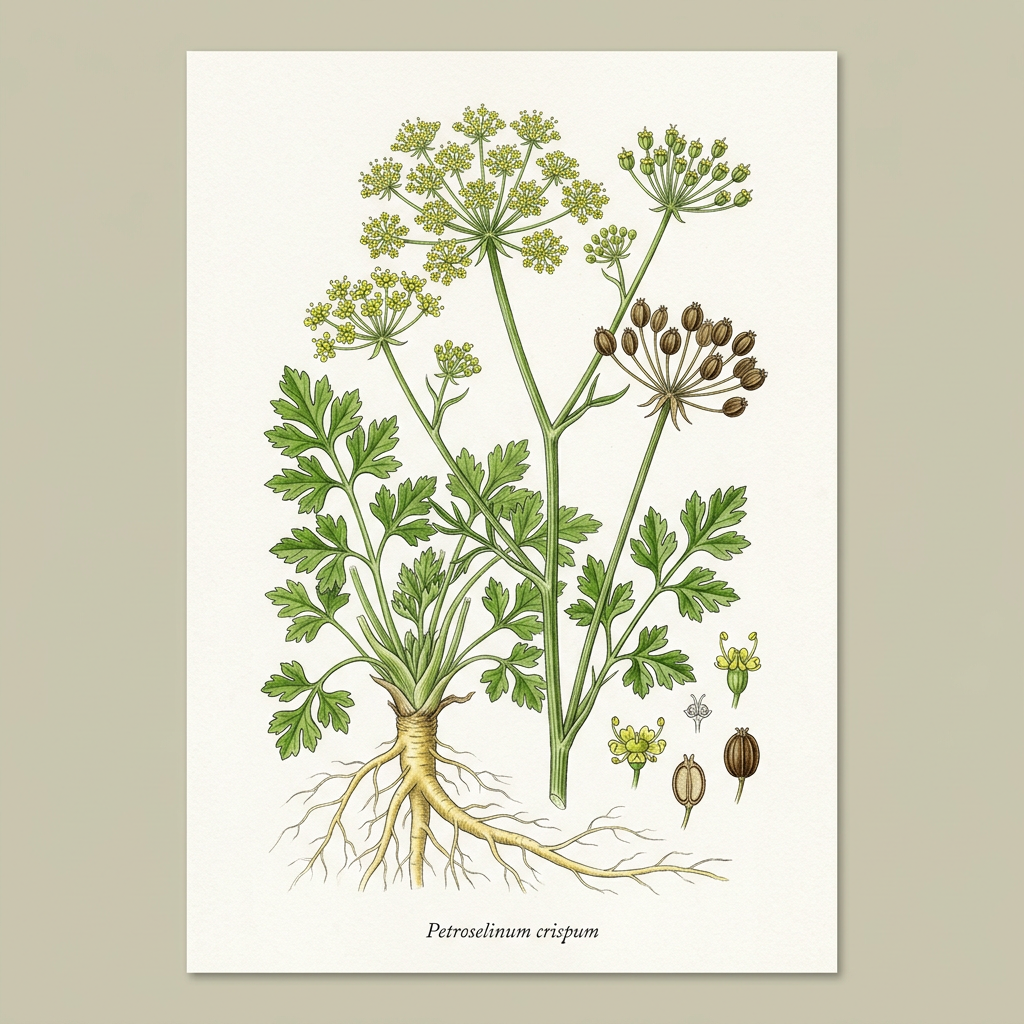
Parsley

Parsley

Petroselinum crispum

Digestive Aid